Seven Day Itinerary in Peru: Explore The Best of This Stunning Country
Discover the ultimate seven day itinerary in Peru, exploring breathtaking landscapes, rich culture, and must-see historical sites.
Planning a trip to Peru can be an exciting yet overwhelming experience, especially with so many incredible sights to see and things to do. To make the most of your time, a well-structured seven day itinerary will help you prioritize what to explore and ensure you don’t miss out on the country’s highlights. From ancient ruins to vibrant cities, Peru offers a rich tapestry of experiences that cater to all types of travelers.
This guide will provide you with a detailed seven day itinerary that covers the most iconic locations in Peru, including Machu Picchu, Cusco, and the Amazon rainforest. You’ll also find practical tips for navigating transportation, accommodations, and cultural experiences to enhance your journey. By following this itinerary, you can immerse yourself in the unique culture and breathtaking nature that make Peru a must-visit destination.
Let’s embark on this journey through Peru, exploring its history, cuisine, and landscapes in just one week.
Day 1: Arrival in Lima
Your adventure begins in Lima, the capital city of Peru. After arriving at Jorge Chávez International Airport, you’ll want to check into your hotel and freshen up. Lima is known for its culinary scene, so consider starting your trip with a food tour to sample the local flavors.
A visit to the historic center of Lima is also highly recommended. You can explore the Plaza Mayor, where you’ll find the Government Palace and the Cathedral of Lima. Take a leisurely walk through the charming streets of the Miraflores district, known for its seaside parks and vibrant nightlife.
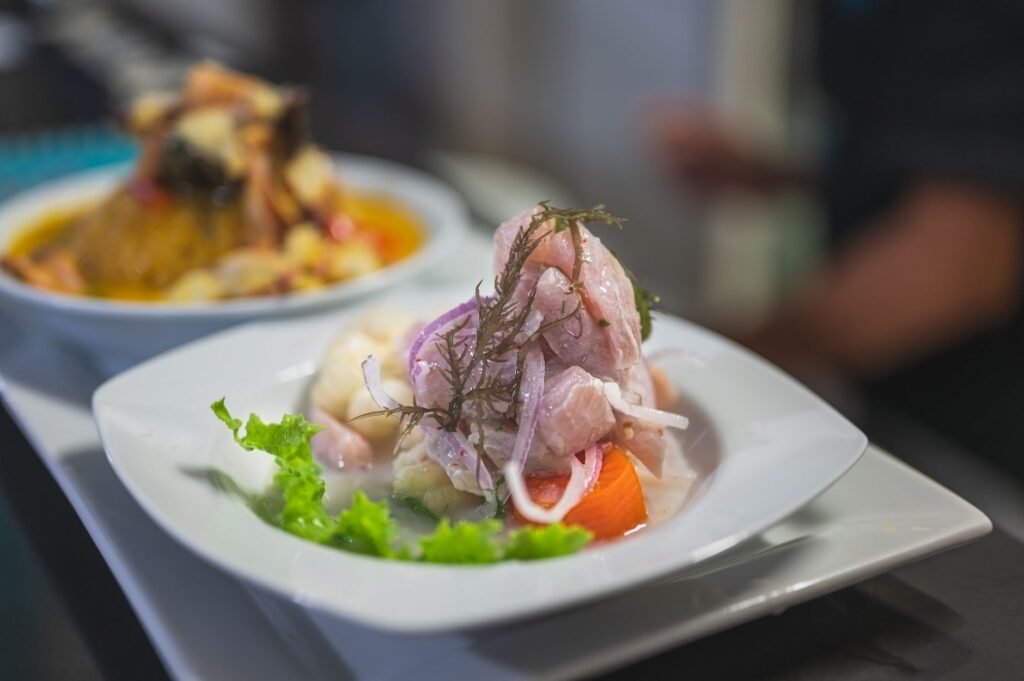
For dinner, try a traditional Peruvian dish like ceviche at a local restaurant. Lima is considered the gastronomic capital of South America, so take advantage of this culinary hotspot.
Day 2: Lima to Cusco
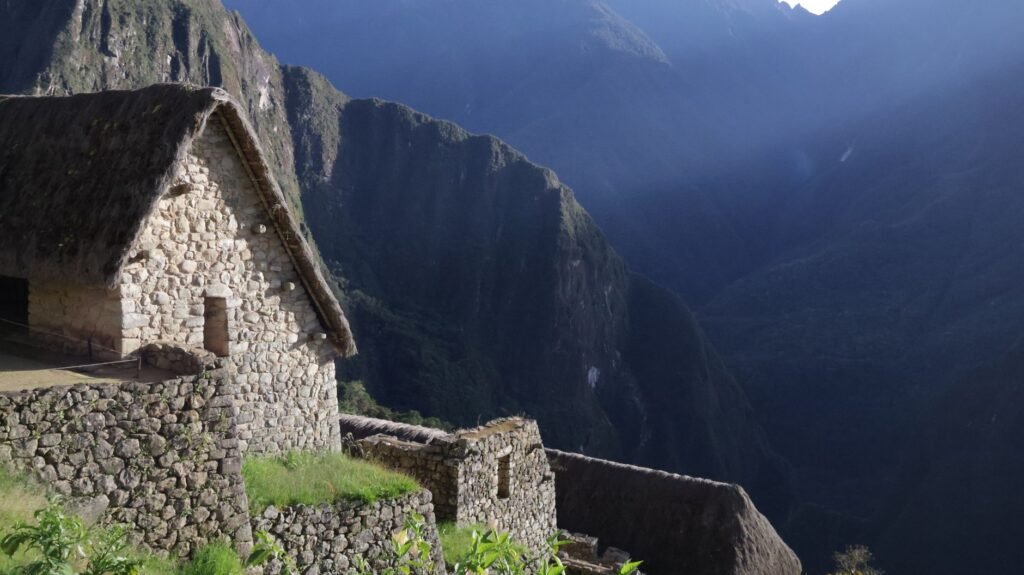
On your second day, you’ll head to Cusco, the historical capital of the Inca Empire. After an early breakfast, catch a morning flight from Lima to Cusco, which takes about an hour and a half. Upon arrival, take it easy to acclimatize to the higher altitude (about 11,000 feet).
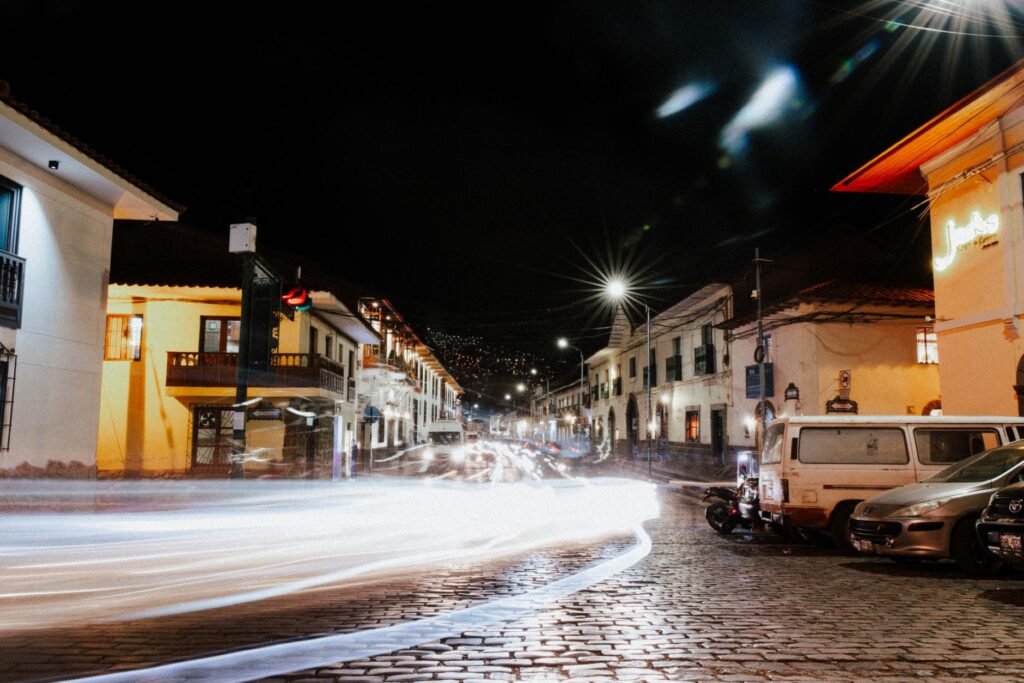
Spend the day exploring Cusco’s rich history. Start with a visit to the Qorikancha, the Temple of the Sun, which was once the most important temple in the Inca Empire. From there, walk to the Plaza de Armas, where you can admire the architecture of colonial buildings and the stunning Cusco Cathedral.
In the evening, enjoy a local dinner at a restaurant, perhaps trying dishes such as cuy (guinea pig) or alpaca steak, which are considered delicacies in the region.
Day 3: Sacred Valley
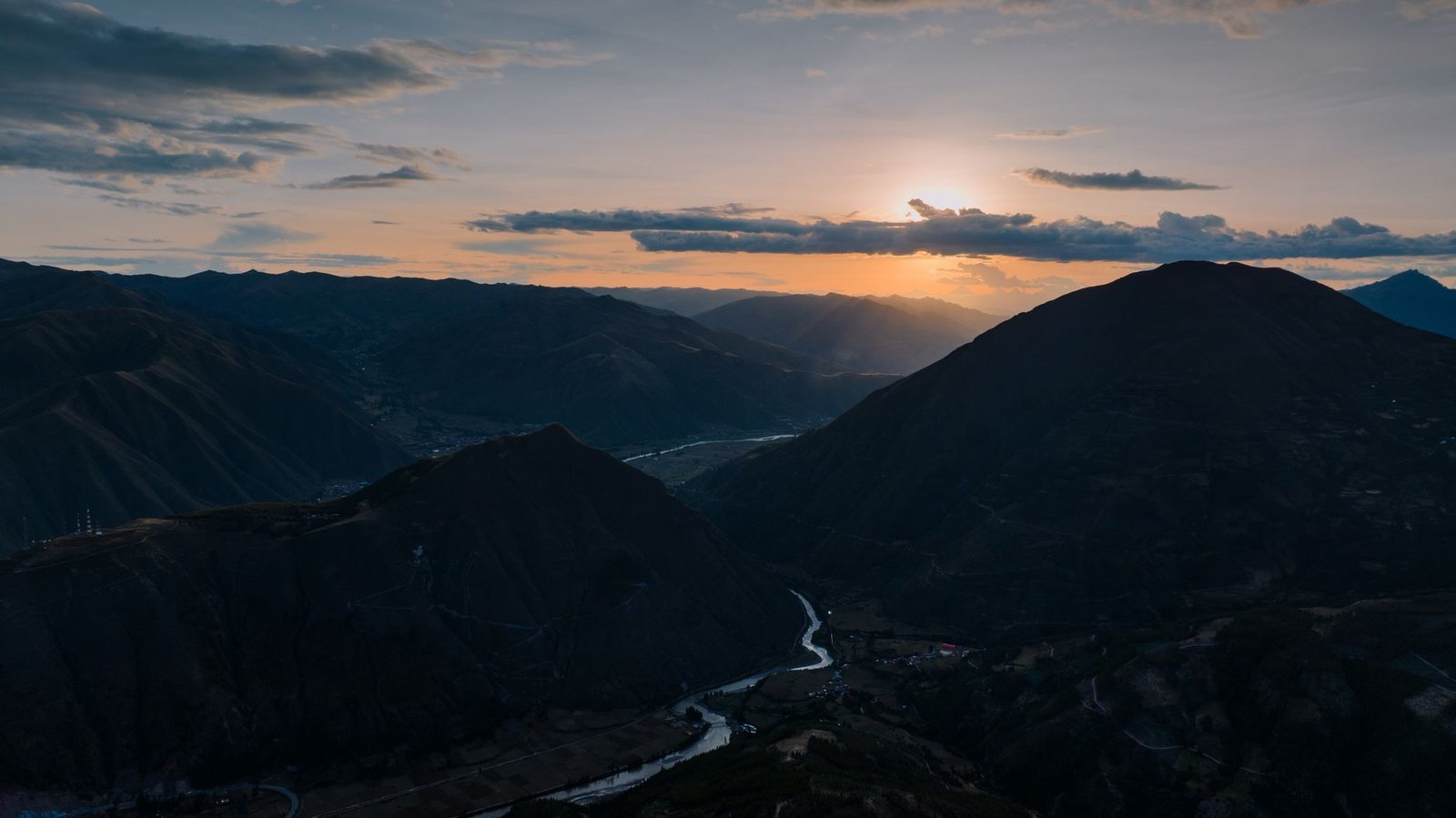
Day three is dedicated to exploring the Sacred Valley of the Incas. You can either join a guided tour or rent a car to explore at your own pace. Start your day at Pisac, famous for its markets and impressive archaeological site. The Pisac ruins provide stunning views of the valley and are an excellent introduction to Incan history.
Next, make your way to Ollantaytambo, another significant archaeological site. Here, you can explore the ancient terraces and temples that reflect the architectural prowess of the Incas. The town itself is beautifully preserved, offering a glimpse of traditional Andean life.
Conclude your day with an overnight stay in Ollantaytambo, where you can enjoy the serene ambiance of the valley and prepare for your journey to Machu Picchu the following day.
Day 4: Machu Picchu
Day four is undoubtedly the highlight of your itinerary: a visit to Machu Picchu. Early in the morning, take the train from Ollantaytambo to Aguas Calientes, the gateway to the iconic site. The train ride offers breathtaking views of the Andes, making it a memorable journey in itself.
Once you arrive in Aguas Calientes, take a bus up to Machu Picchu. Spend the day exploring the ruins, guided by an expert who can share insights into the history and significance of this UNESCO World Heritage Site. Don’t forget to take plenty of photos, especially from the classic viewpoints.
After a day of exploration, return to Aguas Calientes for a relaxing evening. Enjoy dinner at one of the local restaurants before heading back to Ollantaytambo for the night.
Day 5: Return to Cusco and City Exploration
After a fulfilling trip to Machu Picchu, head back to Cusco on day five. Once you arrive, you can spend the rest of the day exploring more of what Cusco has to offer. Visit the San Pedro Market for a taste of local life and to pick up unique souvenirs.
If you’re interested in more historical sites, consider visiting the Sacsayhuamán fortress, which is just a short drive from the city center. The impressive stone walls are a testament to Inca engineering and provide panoramic views of Cusco.
In the evening, consider joining a cultural performance showcasing traditional music and dance, which will immerse you in the vibrant culture of Peru.
Day 6: Cusco to the Amazon Rainforest
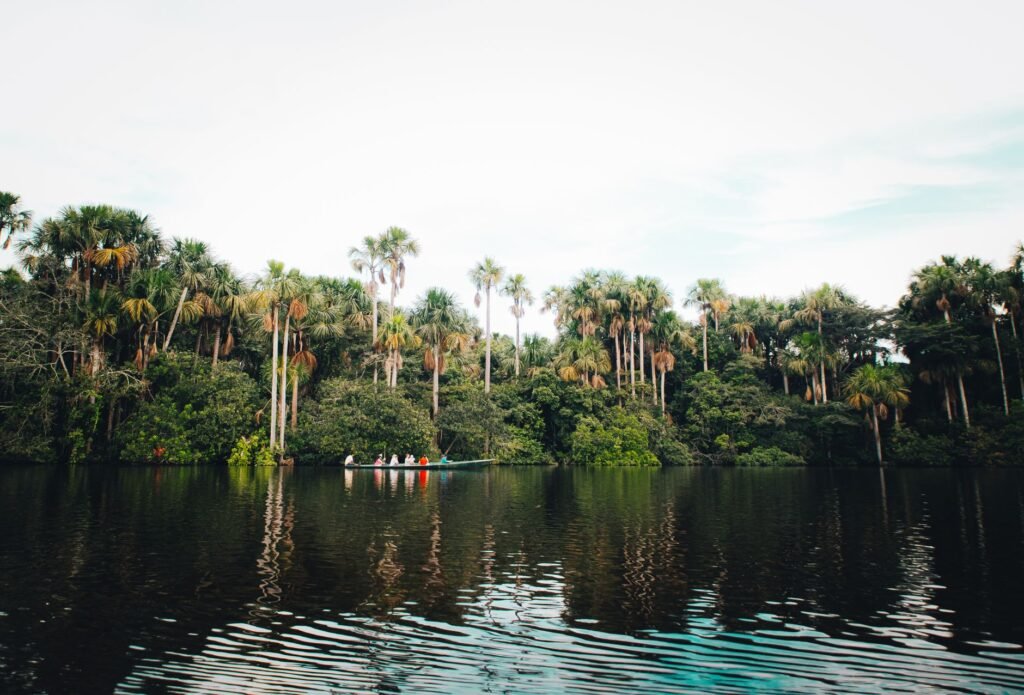
Day six will take you from the mountains to the lush Amazon rainforest. After breakfast, catch a flight from Cusco to Puerto Maldonado, the gateway to the Amazon. Upon arrival, you’ll be greeted by your lodge’s staff and transported to your accommodation.
Once settled in, embark on an afternoon excursion into the rainforest. This could include guided walks to observe the diverse flora and fauna or a boat ride on the Tambopata River. Engaging with the local wildlife and learning about the ecosystem is a highlight of visiting the Amazon.
In the evening, enjoy a traditional meal at your lodge and relax as you listen to the sounds of the jungle.
Day 7: Amazon Exploration and Departure
Your final day in Peru is dedicated to exploring the Amazon further. Depending on your lodge’s offerings, you might participate in activities such as canopy walks or visits to local communities to learn about their way of life.
After a morning of adventure, return to Puerto Maldonado for your flight back to Lima. Depending on your flight schedule, you might have time for last-minute shopping or sightseeing in Lima before heading to the airport for your departure.
This seven-day journey through Peru has given you a taste of its extraordinary history, culture, and natural beauty. Each destination reveals more about this fascinating country, making it a perfect short trip for those eager to explore.
Adventure Activities in Peru: Thrills Beyond the Tourist Path
1. Paragliding Over the Sacred Valley
For adrenaline junkies, paragliding in the Sacred Valley offers breathtaking views of the Andean landscape and ancient Incan ruins. This activity provides a unique perspective of the valley that you can’t get from the ground. With professional instructors available, both beginners and experienced paragliders can enjoy the thrill of soaring above the stunning scenery.
- Best time to go: April to October for optimal weather conditions.
- Duration: Flights typically last 15 to 30 minutes.
- Cost: Expect to pay around $100 to $150 per flight.
Once in the air, you will experience the rush of gliding over lush fields, emerald rivers, and terraced hillsides. The sense of freedom and the panoramic views are unparalleled, making it an unforgettable experience for any adventure seeker.
2. Sandboarding in Huacachina
Huacachina, an oasis town surrounded by massive sand dunes, is the perfect spot for sandboarding. This exhilarating sport combines the thrill of snowboarding with the unique terrain of the desert. Whether you’re a beginner or a pro, there are options for everyone to enjoy.
- Equipment: Boards can be rented on-site for around $10 per day.
- Best times: Early morning or late afternoon to avoid the heat.
- Guided tours: Consider a sunset tour for a magical experience.
After a short tutorial, you can hit the dunes and carve your way down the sandy slopes. The stunning sunset views from the top of the dunes are worth the climb, making it a perfect end to your day.
3. White-water Rafting in the Urubamba River
The Urubamba River provides some of the best white-water rafting in Peru, with rapids ranging from Class II to IV. This thrilling activity is perfect for those seeking an adrenaline rush while also enjoying the natural beauty of the Sacred Valley. Usually, tours last for half a day, giving you enough time to soak in the scenery and tackle the rapids.
- Age requirement: Most tours allow children aged 12 and up.
- Safety gear: Life jackets and helmets are provided.
- Season: The best months for rafting are from May to November.
As you navigate the rapids, you will encounter stunning landscapes, including lush forests and towering mountains, making it a perfect way to connect with nature while experiencing the thrills of the river.
Cultural Experiences: Connecting with Local Traditions
1. Traditional Peruvian Cooking Class
Participating in a cooking class in Peru is an excellent way to immerse yourself in the local culture. From learning to prepare traditional dishes like ceviche and lomo saltado to understanding the significance of ingredients, these classes provide a hands-on experience. Many classes begin with a market tour, where you’ll learn about local produce and spices.
- Duration: Classes typically last 3 to 4 hours.
- Location: Options are available in Cusco, Lima, and other cities.
- Cost: Expect to pay around $50 to $100 per person.
After preparing your meal, enjoy a feast with your fellow participants, making it a social as well as culinary experience. This not only enhances your cooking skills but also gives you a deeper understanding of Peruvian hospitality.
2. Visit Local Markets: A Taste of Daily Life
Exploring local markets is one of the best ways to experience everyday life in Peru. Markets like Mercado de San Pedro in Cusco and the Surquillo Market in Lima offer a vibrant atmosphere filled with local produce, crafts, and street food. Take your time to wander through the stalls, chat with vendors, and sample traditional snacks.
- Must-try foods: Try anticuchos (grilled beef heart skewers) and fresh fruit juices.
- Shopping: Look for handmade textiles and artisanal crafts.
- Hours: Most markets open early in the morning and close in the late afternoon.
These markets provide a colorful glimpse into Peruvian culture and a chance to interact with locals. Don’t forget to practice your Spanish; locals will appreciate your efforts!
3. Participate in a Traditional Festival
Timing your visit to coincide with a local festival can enhance your cultural experience in Peru. Festivals like Inti Raymi in Cusco, celebrating the Incan sun god, or the Fiesta de la Candelaria in Puno, showcasing dance and music, provide vibrant displays of local traditions. Participating in these events allows you to witness the rich cultural heritage of Peru in action.
- When to visit: Check local calendars for festival dates specific to your travel plans.
- What to expect: Expect parades, traditional music, and colorful costumes.
- Preparation: Arrive early to secure a good viewing spot.
Experiencing a local festival not only allows you to enjoy incredible performances but also gives you insight into the spiritual and historical significance of these celebrations.
Practical Tips for Traveling in Peru
1. Navigating Public Transport
Understanding the public transport system in Peru can greatly enhance your travel experience. In cities like Lima and Cusco, you can use buses, combis (shared vans), and taxis. The Metropolitano system in Lima offers a reliable bus service connecting key areas.
- Bus tickets: Purchase them in advance at kiosks or on the bus.
- Combis: These can be a faster option but be aware of peak hours.
- Taxis: Use registered taxi services or apps like Beat for safety.
Being familiar with the transport options allows you to save time and money while navigating through the cities. Additionally, walking is a great way to explore, especially in historical areas.
2. Currency and Payment Methods
The currency in Peru is the sol (PEN). While cash is widely accepted, it is advisable to have small denominations as larger bills may be difficult for vendors to change. Credit and debit cards are accepted in many establishments, but it’s always good to carry cash for local markets and small shops.
- ATMs: Available in major cities but may charge high fees.
- Currency exchange: Best rates are usually found in banks or authorized exchange houses.
- Tips: Always notify your bank of your travel plans to avoid card issues.
Understanding currency usage in Peru will help avoid inconveniences and ensure you can enjoy your travel experience without any financial hiccups.
3. Staying Healthy While Traveling
Staying healthy during your trip is essential, especially considering the altitude in places like Cusco and the Sacred Valley. Acclimatization is crucial; spend a couple of days at a lower elevation before venturing higher to minimize altitude sickness. Staying hydrated and choosing bottled water is also advisable.
- Altitude sickness: Symptoms include headaches, nausea, and fatigue.
- Precautions: Consider taking altitude sickness medication if you are prone to it.
- Food safety: Stick to cooked foods and avoid street food if you have a sensitive stomach.
Being aware of health considerations can help ensure you enjoy every moment of your Peruvian adventure without any disruptions.
Frequently Asked Questions
What is the best time to visit Peru?
The best time to visit Peru is during the dry season from May to September, especially if you plan to visit Machu Picchu. This period typically offers clear skies and pleasant temperatures.
Is it safe to travel in Peru?
Peru is generally safe for tourists, but it is advisable to stay aware of your surroundings, avoid displaying valuables, and use reputable transportation services to ensure a safe trip.
What should I pack for a week in Peru?
Pack layers, as temperatures can vary widely between regions. Essential items include comfortable walking shoes, a reusable water bottle, sunblock, and insect repellent. Don’t forget your camera!
Do I need vaccinations to visit Peru?
Consult your healthcare provider regarding vaccinations before traveling to Peru. Common recommendations include vaccinations for hepatitis A and typhoid, especially if you plan to visit rural areas.
The Bottom Line
This seven day itinerary in Peru offers a well-rounded experience, showcasing the country’s stunning landscapes, rich history, and vibrant culture. Whether you’re an adventurous traveler or a culture enthusiast, Peru has something to offer everyone. By following this guide, you can make the most of your week in this incredible destination.
Visa rules, prices and opening times change. Always confirm details with official sources before you travel.