Discovering Sri Lanka Itinerary: Your Guide to Unforgettable Adventures
Explore our detailed Sri Lanka itinerary for an unforgettable travel experience, covering top destinations and practical travel tips.
Sri Lanka, often referred to as the “Pearl of the Indian Ocean,” is a nation rich in culture, history, and breathtaking landscapes. From its pristine beaches to lush tea plantations and ancient temples, Sri Lanka offers a diverse range of attractions for travelers. Whether you’re a history enthusiast, a nature lover, or simply looking to unwind by the sea, a well-planned itinerary is essential for making the most of your time in this beautiful country.
The purpose of this article is to provide you with a comprehensive Sri Lanka itinerary that covers popular destinations, practical travel tips, and insights to enhance your travel experience. This guide will take you through a 10-day adventure, allowing you to immerse yourself in the vibrant culture and stunning nature that Sri Lanka has to offer.
With its rich biodiversity and warm hospitality, Sri Lanka is increasingly becoming a favored destination for travelers worldwide. As you plan your trip, consider key factors such as the best time to visit, transportation options, and local customs to ensure a smooth journey.
Day 1-2: Arrival in Colombo
Your journey begins in Colombo, the bustling capital city of Sri Lanka. Here, you can explore a mix of modernity and colonial history. Start your first day by visiting the National Museum, where you can learn about Sri Lanka’s rich heritage. Next, head to the Galle Face Green, a popular oceanfront promenade ideal for a leisurely stroll.
On your second day, consider taking a day trip to Negombo, a coastal town known for its beautiful beaches and vibrant fishing community. Enjoy fresh seafood at local restaurants and relax on the sandy shores. If time permits, visit the Dutch Fort and the local market for a taste of the local culture.
- Must-see attractions: National Museum, Galle Face Green, Negombo Beach.
- Local cuisine to try: Kottu Roti, Hoppers, and fresh seafood.
- Transport options: Taxis and tuk-tuks are readily available for local travel.
Day 3: Sigiriya Rock Fortress
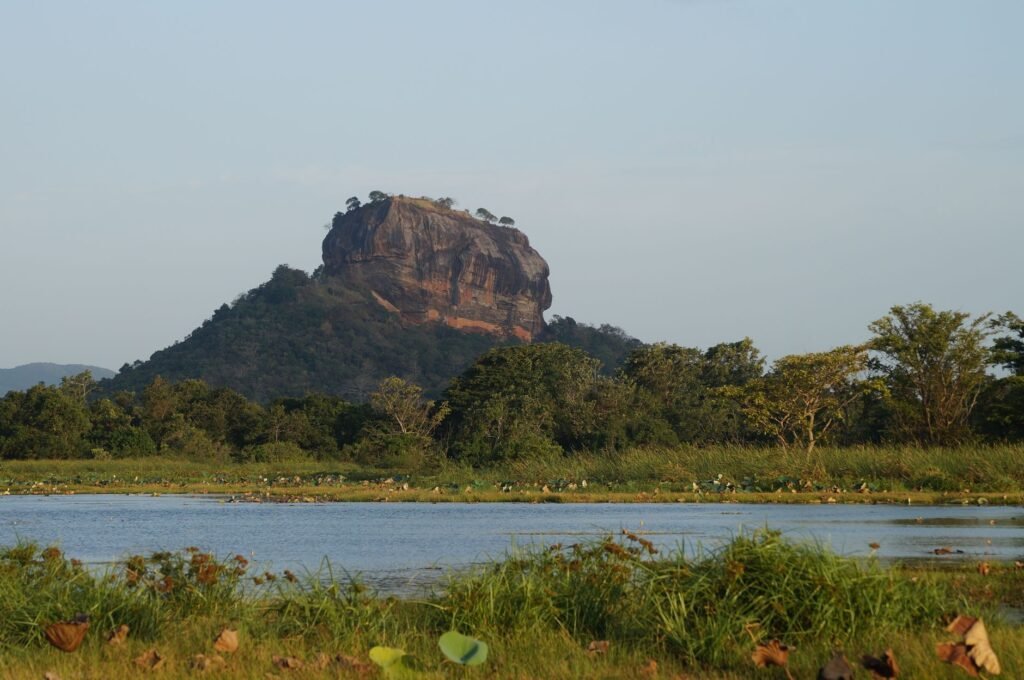
After your time in Colombo, head to Sigiriya, home to one of Sri Lanka’s most iconic landmarks, the Sigiriya Rock Fortress. This UNESCO World Heritage Site is a must-visit for its historical significance and stunning views. The climb to the top can be challenging but is rewarding with panoramic views of the surrounding landscape.
In addition to the fortress, explore the nearby ancient city of Polonnaruwa, which is filled with well-preserved ruins and offers insights into Sri Lanka’s medieval history. Take your time to wander through the archaeological sites and marvel at the craftsmanship of ancient Sri Lankan architecture.
- Things to do: Climb Sigiriya Rock, explore Polonnaruwa ruins.
- Tips: Start your climb early in the morning to avoid the heat.
- Recommended duration: Full day.
Day 4-5: Kandy
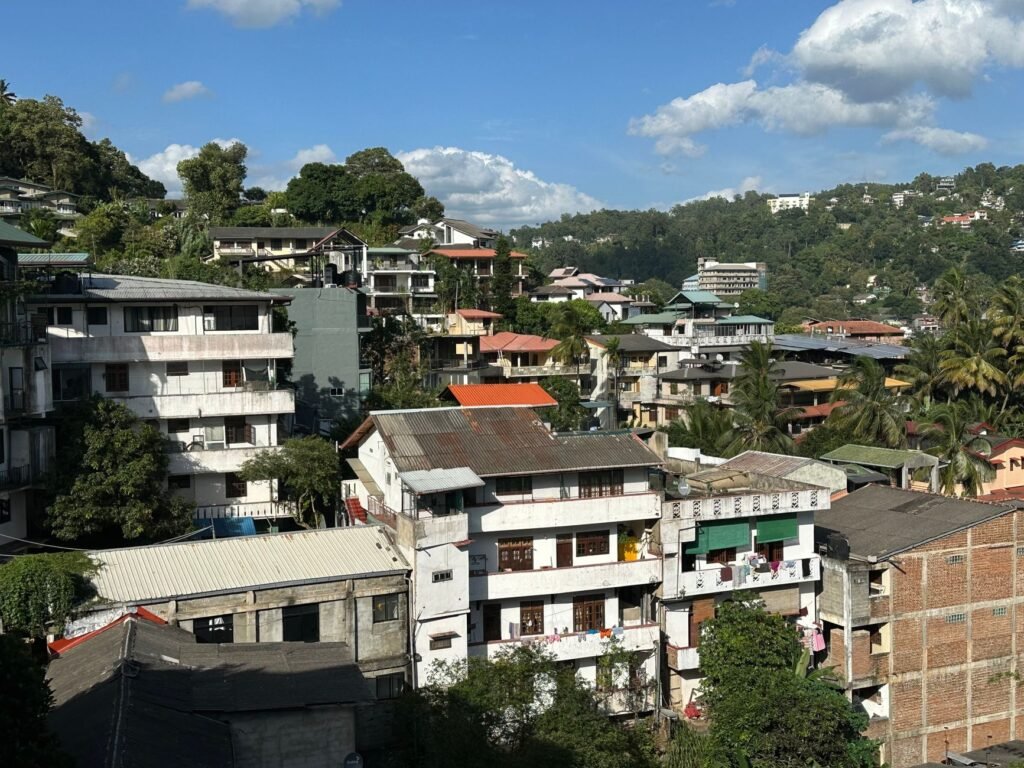
Travel to Kandy, located in the central highlands, known for its scenic beauty and rich cultural heritage. Begin your stay by visiting the Temple of the Tooth, one of the most sacred places for Buddhists. The temple houses a relic believed to be a tooth of the Buddha and features beautiful architecture.
On the following day, take a stroll around Kandy Lake and visit the Royal Botanical Gardens in Peradeniya, which is renowned for its diverse collection of orchids and tropical plants. Kandy is also famous for its traditional dance performances, so consider attending a cultural show in the evening.
- Key attractions: Temple of the Tooth, Kandy Lake, Royal Botanical Gardens.
- Food recommendations: Try traditional Sri Lankan rice and curry.
- Getting there: Buses or private vehicles are the best options for reaching Kandy.
Day 6-7: Nuwara Eliya and Tea Plantations
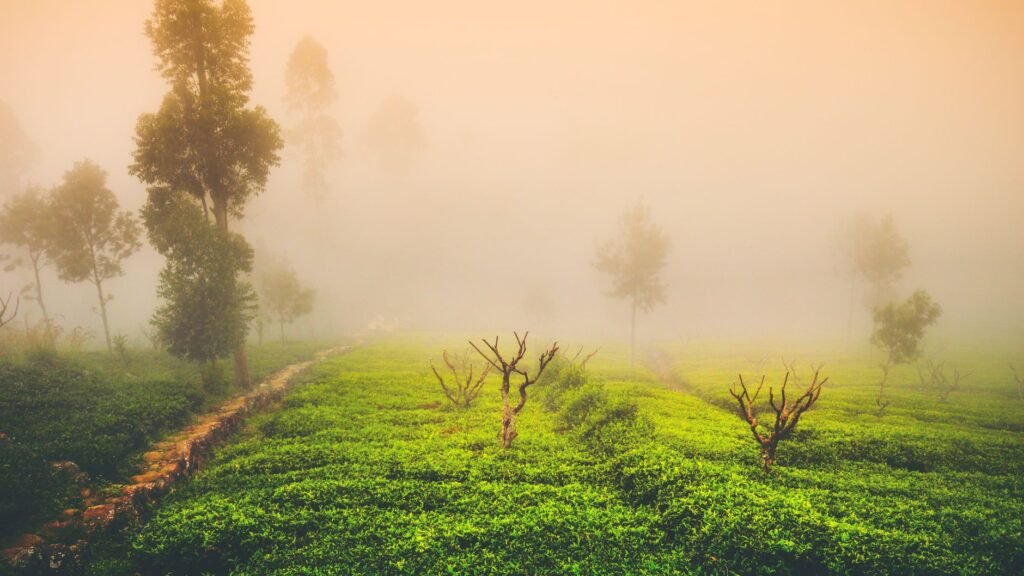
Next, head to Nuwara Eliya, often referred to as “Little England” due to its colonial architecture and cool climate. This town is surrounded by lush tea plantations, making it a perfect stop for tea lovers. Visit a tea factory to learn about the tea production process and sample some of the finest Ceylon tea.
Explore the beautiful landscapes by taking a hike through the hills or visiting the picturesque Gregory Lake. The area offers several walking trails that are suitable for all levels of fitness. Additionally, don’t miss the chance to visit the Hakgala Botanical Gardens, which features a variety of plant species and stunning views.
- Highlights: Tea factory visits, Gregory Lake, hiking trails.
- Transportation: Scenic train rides from Kandy to Nuwara Eliya are highly recommended.
- Best time to visit: March to May and September to December.
Day 8: Ella
From Nuwara Eliya, make your way to Ella, a charming town nestled in the hills. Known for its scenic views and laid-back atmosphere, Ella is the perfect place to relax and enjoy nature. Start your day by hiking to Ella Rock, which offers stunning panoramic views of the surrounding valleys.
Another popular attraction is the Nine Arches Bridge, an impressive railway bridge that is a favorite photo spot. Take time to explore the local cafes and enjoy the fresh mountain air while sipping on a cup of tea. Ella is also known for its waterfalls, so consider visiting the nearby Ravana Falls for a refreshing swim.
- Must-visit spots: Ella Rock, Nine Arches Bridge, Ravana Falls.
- Activities: Hiking, photography, and relaxing in cafes.
- Local tip: Try the local specialty, a dish called “lamprais”.
Day 9: Yala National Park
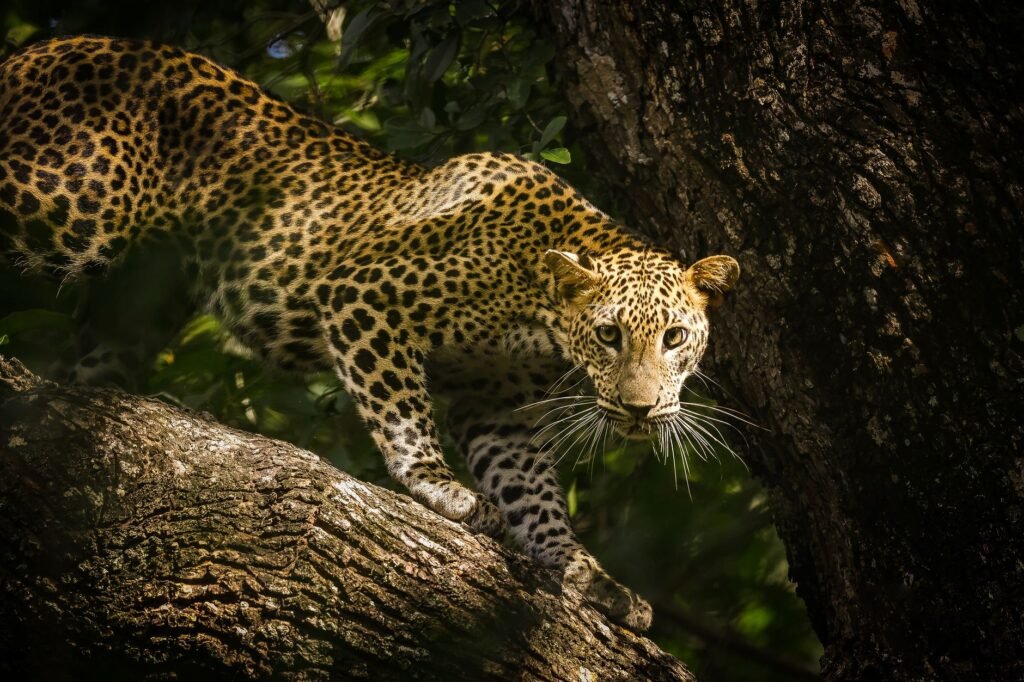
Your next stop is Yala National Park, famous for its diverse wildlife, including leopards, elephants, and a variety of bird species. Plan a safari tour to explore the park and witness its breathtaking landscapes and wildlife in their natural habitat. Early morning or late afternoon safaris are recommended for the best chance to see animals.
In addition to the safari experience, take time to enjoy the beautiful beaches nearby. The town of Tissamaharama, close to Yala, offers a great base for your wildlife adventures and has options for accommodation.
- Safari tips: Book your safari in advance and consider hiring a local guide.
- Wildlife to spot: Leopards, elephants, and sloth bears.
- Best time for visits: February to July for optimal wildlife sightings.
Day 10: Galle and Departure
On your final day, travel to Galle, a historic city on the southwestern coast known for its well-preserved Dutch colonial architecture. Explore the Galle Fort, a UNESCO World Heritage Site that features cobblestone streets, museums, and quaint shops. Enjoy a leisurely walk along the ramparts, taking in the scenic views of the ocean.
As your trip comes to an end, indulge in some last-minute shopping for souvenirs or enjoy a meal at one of the local seafood restaurants. Depending on your flight schedule, you may want to spend additional time relaxing at the beach before heading to the airport for your departure.
- Key sites: Galle Fort, local markets, and beaches.
- Dining suggestions: Try the local fresh fish dishes.
- Getting there: Hire a taxi or use public transport to reach Galle.
Exploring the Cultural Triangle
Historical Significance
The Cultural Triangle of Sri Lanka is a UNESCO World Heritage site, encompassing the ancient cities of Anuradhapura, Polonnaruwa, and Dambulla. Each city holds a rich tapestry of history and showcases the island’s evolution through centuries. Anuradhapura, the first capital of Sri Lanka, is renowned for its well-preserved ruins, including the sacred Bodhi tree, which is said to be a sapling from the tree under which Buddha attained enlightenment.
Polonnaruwa, the second capital, offers a glimpse into the advanced irrigation systems and architecture of the ancient Sinhalese civilization. Visitors can marvel at the Gal Vihara, a group of rock-cut Buddha statues that are a testament to the artistry of the time. Dambulla, with its impressive cave temple complex, is famous for its stunning murals and numerous Buddha figures carved into the rock face.
Must-Visit Sites
- Anuradhapura: Sri Maha Bodhi, Ruwanwelisaya Stupa, Isurumuniya Temple
- Polonnaruwa: Parakrama Samudra, Royal Palace, Lankatilaka Vihara
- Dambulla: Golden Temple, cave murals, massive reclining Buddha
Each of these sites provides a unique insight into Sri Lanka’s spiritual and cultural heritage. Be sure to allocate sufficient time to explore these historical landmarks, as they are not only visually stunning but also rich in stories and significance.
Adventurous Activities in Sri Lanka
Outdoor Thrills
Sri Lanka is a haven for adventure enthusiasts, offering a diverse range of outdoor activities that cater to both novices and seasoned adventurers. From surfing on the southern coasts to trekking in the central highlands, there’s no shortage of adrenaline-pumping experiences. The beaches of Arugam Bay are particularly popular among surfers, known for their consistent waves and vibrant beach culture.
For those seeking a higher elevation, the Knuckles Mountain Range provides excellent trekking opportunities. The trails range from easy to challenging, and trekkers can experience breathtaking views, unique flora and fauna, and the chance to encounter local wildlife, including various bird species and even rare orchids.
Water Sports and Wildlife
- Surfing at Arugam Bay
- White-water rafting in Kitulgala
- Snorkeling and diving in Hikkaduwa
In addition to surfing, Kitulgala is the place to go for white-water rafting, with rapids ranging from grade 2 to 4, making it suitable for both beginners and experienced rafters. Another water adventure can be found in Hikkaduwa, where crystal-clear waters and vibrant coral reefs make for excellent snorkeling and diving experiences. Wildlife enthusiasts can also embark on whale watching tours from Mirissa, where the ocean offers sightings of blue whales and dolphins.
Culinary Journey Through Sri Lanka
Local Flavors and Dishes
The culinary landscape of Sri Lanka is a delightful mix of flavors, influenced by various cultures over the centuries. Traditional dishes are often characterized by their use of spices, coconut, and fresh vegetables. One must-try dish is the iconic rice and curry, which typically consists of a generous serving of rice accompanied by an array of vegetable and meat curries, lentils, and sambols. The variety is endless, with each region offering its unique twist on this classic meal.
Another popular dish is hoppers, a type of pancake made from fermented rice flour and coconut milk. They are typically served with a fried egg in the center and can be enjoyed with a variety of fillings, such as spicy sambol or sweet coconut milk. Don’t forget to try kottu, a street food specialty made from chopped roti stir-fried with vegetables, eggs, and your choice of meat.
Food Experiences and Markets
- Visit local markets in Colombo or Kandy
- Participate in a cooking class
- Join a food tour in Galle
To truly immerse yourself in Sri Lankan cuisine, consider visiting local markets where you can find fresh produce, spices, and street food vendors selling delicious snacks. Participating in a cooking class allows you to learn the secrets behind traditional recipes and even take some of that knowledge back home. Food tours in cities like Galle provide a guided experience through local eateries and hidden gems, offering a taste of authentic Sri Lankan flavors while learning about the culture and history of the region.
Frequently Asked Questions
What is the best time to visit Sri Lanka?
The best time to visit Sri Lanka varies depending on the region. Generally, December to March is ideal for the west and south coasts, while April to September is favorable for the east coast.
How can I get around Sri Lanka?
Public transport includes buses and trains, which are affordable and relatively reliable. For convenience, consider hiring a private driver or using local taxis and tuk-tuks.
What should I pack for my trip?
Pack lightweight clothing suitable for warm weather, comfortable shoes for hiking, sunscreen, and a reusable water bottle. Don’t forget a hat and insect repellent for outdoor activities.
Are there any safety concerns in Sri Lanka?
While Sri Lanka is generally safe for travelers, it’s wise to stay informed about local conditions and avoid isolated areas at night. Always exercise normal safety precautions and respect local customs.
The Bottom Line
This Sri Lanka itinerary provides a balanced blend of cultural exploration, natural beauty, and relaxation, making it perfect for a memorable travel experience. By following this guide, you can navigate through some of the most iconic sites in Sri Lanka while enjoying the local culture and cuisine. Remember to remain flexible in your plans to fully embrace the spontaneous adventures that this beautiful island has to offer.
Visa rules, prices and opening times change. Always confirm details with official sources before you travel.