Essential Paris Travel Questions to Ask Before You Go
Explore essential Paris travel questions to ask before you go for a seamless visit, from budgeting to cultural etiquette and practical tips.
Planning a trip to Paris can be both exciting and overwhelming. With its rich history, vibrant culture, and iconic landmarks, the City of Light has something for everyone. However, to fully enjoy your experience, it is crucial to ask the right questions before you embark on your journey. This guide will provide you with essential Paris travel questions to consider, ensuring that you are well-prepared for your visit.
From understanding the best times to visit and how to navigate the city efficiently to budgeting effectively and being aware of cultural norms, this article will cover key areas that will enhance your trip. Whether you are a first-time visitor or returning to explore more, having the right information at your fingertips will make your Paris adventure more enjoyable.
Let’s explore the critical questions you should ask yourself before heading to Paris.
What Is the Best Time to Visit Paris?
Timing your visit to Paris can significantly impact your experience. The city is beautiful year-round, but different seasons offer unique advantages.
1. **Spring (March to May)**: Spring is one of the most popular times to visit Paris, thanks to the blooming flowers and mild weather. This is when you can enjoy outdoor cafes and stroll through the Gardens of Luxembourg. However, it can also be quite crowded, especially around Easter.
2. **Summer (June to August)**: Summer in Paris means long days and vibrant street life. However, be prepared for high temperatures and large tourist crowds. Many Parisians leave the city in August, leading to quieter streets, but some businesses may close.
3. **Autumn (September to November)**: Autumn is another excellent time to visit, with cooler temperatures and fewer tourists. The fall foliage adds a picturesque backdrop to the city, and events like the Montmartre Wine Harvest Festival take place during this season.
4. **Winter (December to February)**: While winter can be chilly, Paris is magical during the holiday season, with beautiful decorations and festive markets. If you enjoy fewer crowds, this might be the ideal time for you.
How Should I Get Around Paris?
Understanding the transportation options in Paris is key to navigating the city efficiently.
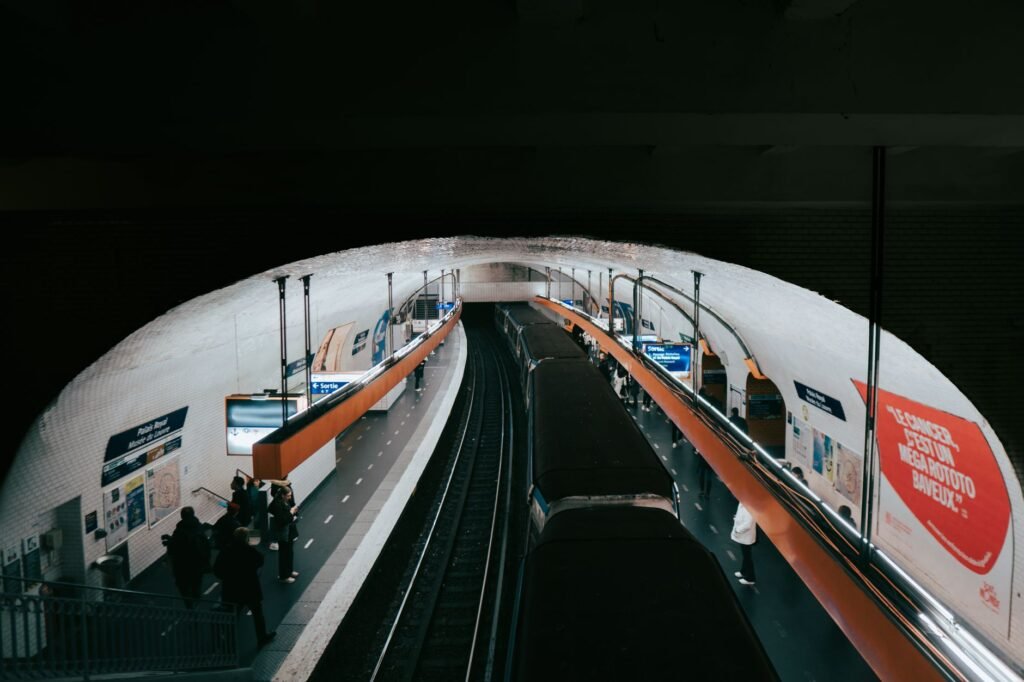
1. **Metro**: The Paris Metro is one of the most efficient ways to get around the city. With a network of 16 lines and over 300 stations, it connects you to all major attractions. A single ticket costs around €1.90, and you can purchase a carnet of 10 tickets for a discount.
2. **Buses**: Buses are an excellent way to see the city above ground. They are also less crowded than the Metro and offer a scenic route. Consider the bus line 42, which goes past the Louvre, Notre Dame, and the Eiffel Tower.
3. **Walking and Biking**: Paris is a pedestrian-friendly city, and walking allows you to discover hidden gems. Alternatively, consider renting a bike through systems like Vélib’ for a fun and active way to explore.
4. **Rideshares and Taxis**: Apps like Uber are available, and traditional taxis can be hailed on the street or at taxi stands. While more expensive, they can be convenient, especially late at night.
What Is My Budget for the Trip?
Budgeting for your Paris trip involves considering several costs, from accommodation to meals and attractions.
1. **Accommodation**: Hotel prices vary widely depending on the location and time of year. Budget travelers might find hostels or budget hotels starting at €30-€60 per night, while mid-range hotels can cost between €100-€250. Luxury hotels usually start at €300 and can go much higher.
2. **Food**: Dining in Paris can range from affordable to extravagant. A typical meal at a casual restaurant can cost around €15-€25, while fine dining experiences can easily exceed €100 per person. To save money, consider grabbing a sandwich or crepe from a street vendor.
3. **Attractions**: Many of Paris’s museums and attractions have entry fees. The Louvre charges around €17, while the Eiffel Tower’s tickets vary depending on the level you wish to reach. Consider purchasing a Paris Pass, which offers entry to numerous attractions and can save you money.
4. **Transportation**: Besides the Metro, budget for occasional taxis or bike rentals. A week-long Navigo travel pass offers unlimited travel on public transport for about €22, which can be a cost-effective choice.

What Are the Cultural Norms I Should Be Aware Of?
Understanding cultural norms can enhance your interactions with locals and ensure a respectful visit.
1. **Language**: While many Parisians speak English, making an effort to greet them in French can go a long way. Phrases like “Bonjour” (hello) and “Merci” (thank you) are appreciated.
2. **Dining Etiquette**: Meals in Paris are often enjoyed leisurely. It’s customary to wait to be seated in restaurants. Tipping is not mandatory, but rounding up the bill or leaving a small amount for good service is common.
3. **Dress Code**: Parisians tend to dress smartly. While casual attire is acceptable in most tourist areas, consider dressing up a bit more for dining or visiting theaters. Avoid overly casual clothing like flip-flops.
What Must-See Attractions Should Be on My List?
Paris is filled with iconic attractions that are essential for any visitor. Here are some highlights:
- Eiffel Tower: No trip to Paris is complete without seeing this iconic landmark. Consider visiting in the evening for a stunning light show.
- Louvre Museum: Home to thousands of works of art, including the Mona Lisa and the Venus de Milo. Allocate at least half a day to explore.
- Notre Dame Cathedral: Although undergoing restoration, the area around Notre Dame is still a beautiful spot to visit.
- Montmartre: Famous for its bohemian vibe, explore the artistic history and enjoy a view from the Sacré-Cœur Basilica.
- Champs-Élysées: Stroll down this famous avenue lined with shops, cafes, and theaters, leading to the Arc de Triomphe.
What Safety Precautions Should I Take?
While Paris is generally safe for tourists, it’s essential to stay vigilant and take precautions.
1. **Pickpocketing**: This is a common issue in crowded tourist areas. Keep your belongings secure and be cautious when approached by strangers.
2. **Emergency Numbers**: Familiarize yourself with local emergency numbers. In France, you can reach police by dialing 17, fire services by 18, and medical emergencies by 15.
3. **Local Laws**: Be aware of local laws and regulations. For example, consuming alcohol in public areas may be prohibited in certain parts of the city.
What Should I Pack for My Trip?
Packing appropriately for Paris will help you enjoy your trip to the fullest.
1. **Clothing**: Consider the season in which you are traveling. Layering is often a good strategy, as temperatures can fluctuate. Comfortable walking shoes are a must.
2. **Electronics**: Bring a universal power adapter, as France uses Type E plugs. If you have a smartphone, downloading offline maps can be incredibly useful.
3. **Essentials**: Don’t forget essentials like travel insurance, your passport, and any necessary medications. Having a small French phrasebook may also enhance your experience.
How to Choose the Right Accommodation in Paris
Types of Accommodation
When planning your stay in Paris, understanding the types of accommodation available can greatly influence your experience. Options range from luxurious hotels to charming hostels and vacation rentals. Each type has its unique advantages and caters to different budgets.
- Hotels: Paris boasts a variety of hotels, from five-star establishments to budget-friendly options. Luxury hotels often provide amenities like spas and fine dining, while budget hotels focus on comfort and convenience.
- Hostels: Ideal for solo travelers or those looking to meet people, hostels offer dormitory-style rooms and sometimes private rooms at affordable prices. Many hostels provide communal kitchens and social spaces.
- Vacation Rentals: Platforms like Airbnb and Vrbo allow you to rent apartments or homes, giving you a local feel and often more space than a hotel room. This option is great for families or groups.
Neighborhood Considerations
Choosing the right neighborhood in Paris can enhance your visit. Each arrondissement has its own character, atmosphere, and attractions. Here are some neighborhoods to consider:
- Le Marais: Known for its historic architecture, boutiques, and vibrant nightlife, Le Marais is a trendy area popular among young travelers.
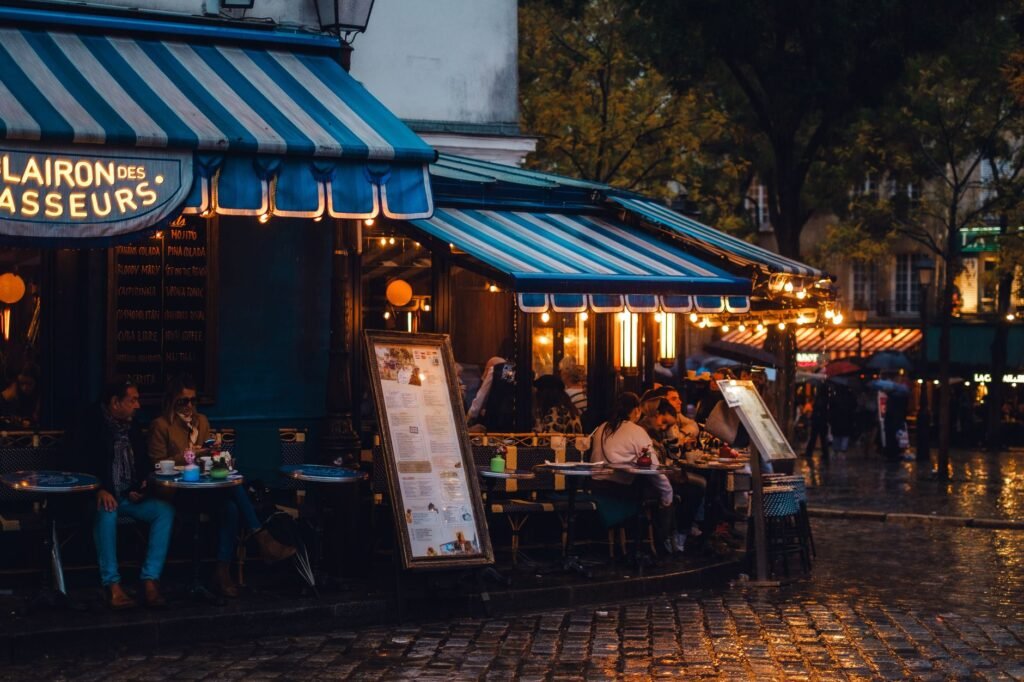
- Montmartre: This artistic district, famous for the Sacré-Cœur Basilica, offers a bohemian vibe with its cobblestone streets and charming cafés.
- Saint-Germain-des-Prés: A sophisticated area filled with galleries, theaters, and classic cafés, it’s perfect for those seeking a more cultured experience.
Booking Tips
To secure the best accommodation, consider these tips when booking your stay:
- Book Early: Accommodations in Paris can fill up quickly, especially during peak seasons. Booking several months in advance can help you secure better rates and locations.
- Read Reviews: Utilize platforms like TripAdvisor or Google Reviews to gauge other travelers’ experiences. Pay attention to comments about cleanliness, service, and location.
- Check Cancellation Policies: Ensure you understand the cancellation policies for your accommodation. Flexible options can provide peace of mind in case your plans change.
Understanding Parisian Cuisine and Dining Etiquette
Iconic Dishes to Try
Paris is a culinary capital, and your visit would not be complete without trying its iconic dishes. From street food to gourmet dining, the variety is astounding. Here are some must-try foods:
- Croissant: A flaky, buttery pastry best enjoyed fresh from a local bakery.
- Coq au Vin: A classic French dish featuring chicken braised with wine, lardons, and mushrooms.
- Ratatouille: A colorful vegetable dish that celebrates the flavors of Provence.
- Crêpes: Thin pancakes that can be filled with sweet or savory ingredients, perfect for any meal.
Dining Etiquette to Remember
Dining in Paris comes with its own set of etiquette rules that can enhance your experience. Here are some essential tips:
- Reservations: For popular restaurants, it is advisable to make a reservation. This is especially true for fine dining establishments.
- Table Manners: Keep your hands on the table (but not elbows) during meals. Avoid speaking with a mouth full, and finish all food on your plate as a sign of appreciation.
- Politeness: Always greet the staff with a “bonjour” when entering and a “merci” when leaving, as politeness is highly valued in French culture.
Exploring Food Markets and Street Food
While fine dining is a highlight of Parisian cuisine, exploring local food markets and street food can offer authentic culinary experiences. Here are some popular spots to consider:
- Marché Bastille: Open on Sundays, this market is bustling with fresh produce, cheeses, meats, and artisanal goods.
- Rue Cler: A famous market street lined with shops selling everything from fresh bread to gourmet treats.
- Street Food: Don’t miss trying a jambon-beurre (ham and butter sandwich) or a savory crêpe from a street vendor for a quick and delicious meal.

Essential Day Trips from Paris
Exploring Nearby Attractions
While Paris itself offers an abundance of experiences, several incredible destinations are just a short train ride away. Here are a few worthwhile day trips:
- Versailles: Home to the opulent Palace of Versailles, this destination is perfect for those interested in history and stunning gardens.
- Giverny: Visit Claude Monet’s beautiful gardens and home, where you can see the inspiration behind many of his famous paintings.
- Chartres: Famous for its stunning cathedral, Chartres is a UNESCO World Heritage site and a charming town to explore.
Transportation Options for Day Trips
Reaching these nearby attractions is convenient with Paris’s extensive transportation network. Here are some options:
- Train: The RER and SNCF trains connect Paris to many nearby attractions, making it easy to plan a day trip.
- Guided Tours: Consider joining a guided tour that includes transportation, which can simplify the logistics and enhance your experience with expert insights.
- Car Rentals: If you prefer flexibility, renting a car allows you to explore at your own pace. However, be mindful of parking regulations in different towns.
Tips for a Successful Day Trip
To make the most of your day trips from Paris, keep these tips in mind:
- Plan Ahead: Research the sites you want to visit and check opening hours to avoid disappointment.
- Pack Snacks: Bring along some snacks and water to keep you energized throughout the day.
- Dress Comfortably: Wear comfortable shoes and clothing, as you may do a lot of walking while exploring.
Frequently Asked Questions
Do I need a visa to visit Paris?
Visa requirements depend on your nationality. Citizens of the EU, the USA, Canada, and several other countries do not need a visa for short stays (up to 90 days). Always check the latest regulations before your trip.
What currency is used in Paris?
The currency used in Paris is the Euro (€). Credit cards are widely accepted, but it’s advisable to carry some cash for small purchases.
Is it safe to drink tap water in Paris?
Yes, tap water in Paris is safe to drink. You can also ask for “une carafe d’eau” at restaurants, which is free still or sparkling water.
Are there any cultural events I should plan my visit around?
Paris hosts numerous cultural events throughout the year. Major festivals include Bastille Day on July 14th, Nuit Blanche in October, and the Fête de la Musique in June, where music fills the streets.
The Bottom Line
Asking the right Paris travel questions before you go can significantly enhance your experience in this enchanting city. By understanding the best times to visit, how to navigate the city, budgeting considerations, cultural norms, and essential attractions, you will be well-prepared for a memorable trip. Paris awaits with its rich history, stunning architecture, and vibrant atmosphere, so prepare yourself to create lasting memories.
Visa rules, prices and opening times change. Always confirm details with official sources before you travel.