Stay Healthy Avoid These Bacteria Hotspots On A Plane: Explained Simply
Discover how to stay healthy and avoid bacteria hotspots on a plane with practical tips and strategies for safe travel.
Flying can be an exciting adventure, yet it often comes with hidden health risks. Among them, exposure to various bacteria and viruses can be a significant concern for travelers. Research indicates that enclosed spaces, like airplanes, can facilitate the spread of germs, making it essential to know how to protect yourself while airborne. This guide provides practical strategies to help you stay healthy and avoid bacteria hotspots on a plane.
Understanding where bacteria tend to accumulate on flights can empower you to make informed decisions about your health. From the moment you enter the airport to your time in the airplane cabin, there are multiple areas where germs may reside. By recognizing these hotspots, you can take proactive measures to minimize your risk of illness.
This article will explore the most common bacteria hotspots on airplanes, effective hygiene practices, and tips on what to bring to ensure a cleaner and safer flying experience. Travelers of all kinds can benefit from this knowledge, especially those frequently navigating the skies.
Bacteria Hotspots on an Airplane
When it comes to airplane travel, some areas are known to harbor more germs than others. Familiarizing yourself with these hotspots can help you strategize your hygiene practices effectively. Here are the main spots to be aware of:
1. Tray Tables
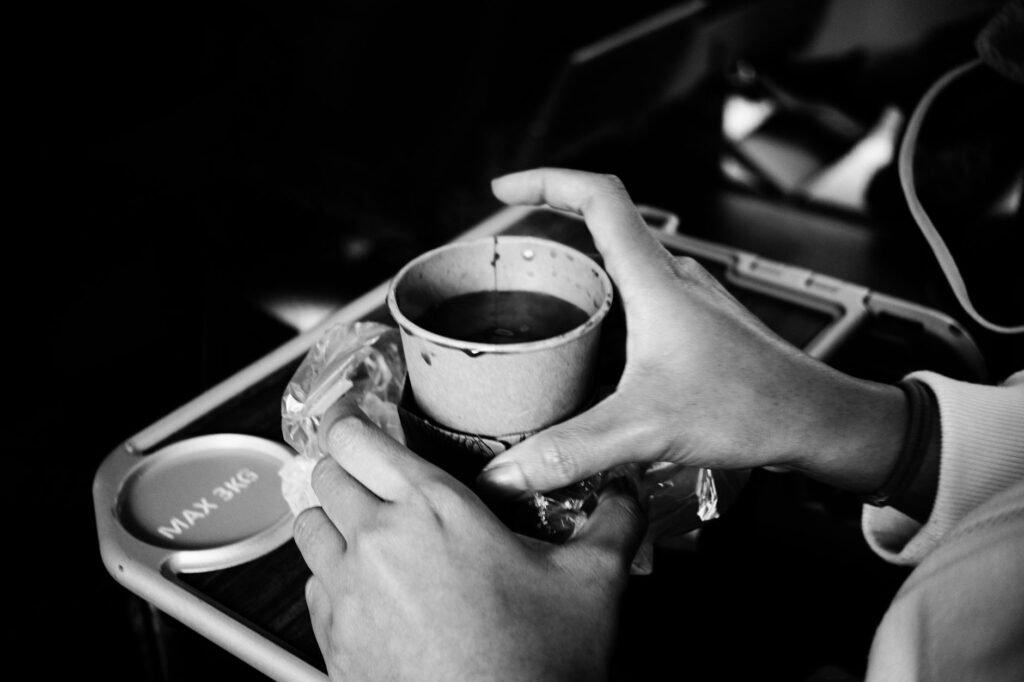
According to studies, tray tables are one of the dirtiest surfaces on an airplane. They are often used for eating or placing personal items, which can lead to a buildup of bacteria. Passengers may not be aware that these surfaces are rarely cleaned thoroughly between flights. In fact, a study by a travel hygiene company found that tray tables can harbor around 2,000 different types of bacteria.
To minimize exposure, consider using disinfectant wipes to clean your tray table upon boarding. This simple act can significantly reduce your risk of coming into contact with harmful germs.
2. Armrests and Seatbelt Buckles
Armrests are another significant hotspot for bacteria, as they are frequently touched by multiple passengers throughout the day. Similarly, seatbelt buckles can also be a breeding ground for germs. Research shows that these areas can harbor various pathogens, including those that cause the common cold and flu.
To stay healthy, avoid touching your face after contacting these surfaces. Additionally, using a barrier, such as a scarf or a travel blanket, can help protect you from direct contact with these spots.
3. Restrooms
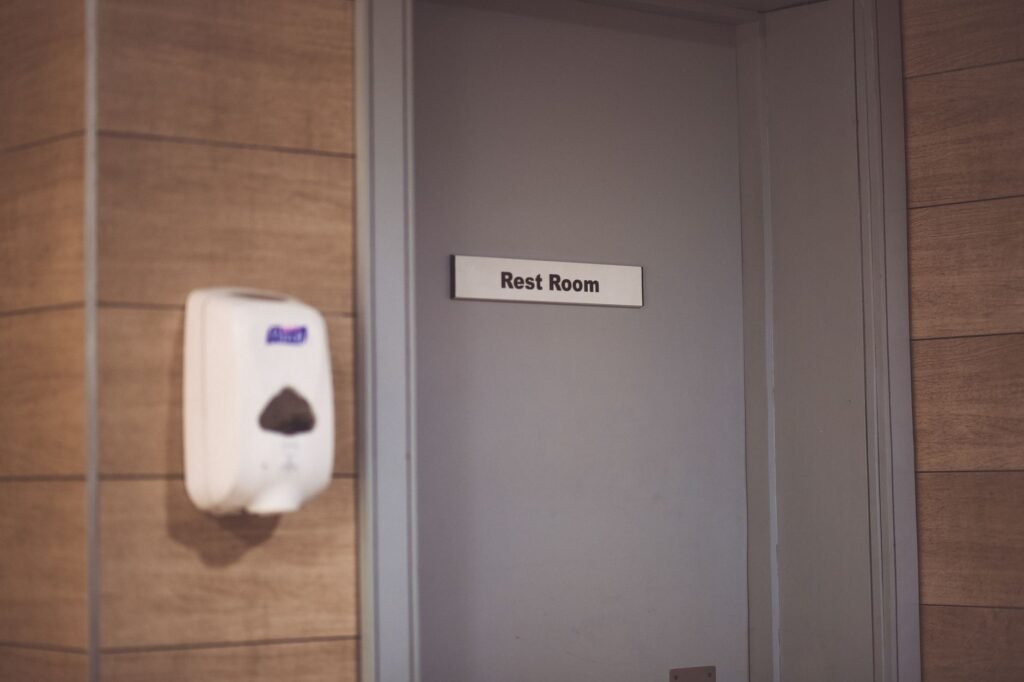
While the restroom may not be a part of the airplane itself, it is a critical area that deserves attention. Airplane restrooms are notoriously compact and can become unsanitary quickly due to high foot traffic. Frequent users may unknowingly transfer bacteria to various surfaces, increasing the risk of illness.
When using the restroom, make a point to wash your hands thoroughly with soap and water. If soap is unavailable, hand sanitizer is a good alternative. Try to limit contact with surfaces by using paper towels to open doors and turn on faucets.
Effective Hygiene Practices While Flying
Implementing good hygiene practices can dramatically reduce your risk of encountering harmful bacteria while flying. Here are some effective strategies to consider:
1. Hand Hygiene
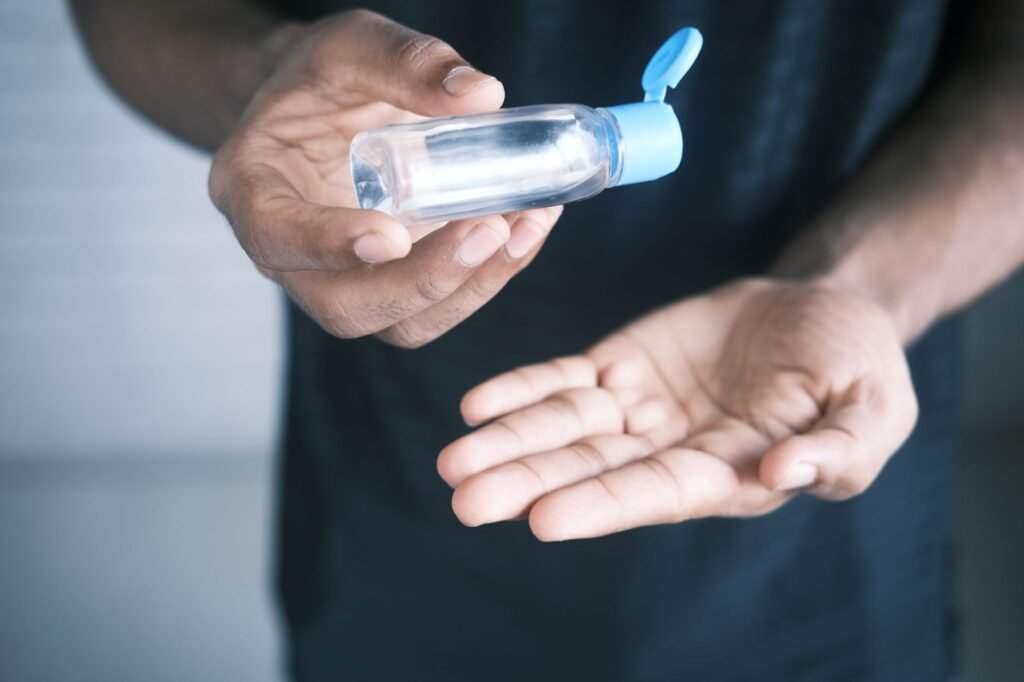
Regular hand washing is one of the best defenses against germs. Before and after meals, after using the restroom, and any time you touch potentially contaminated surfaces, wash your hands with soap and water for at least 20 seconds. If soap and water are not available, use a hand sanitizer with at least 60% alcohol content.
Consider keeping a small bottle of hand sanitizer within reach in your carry-on. This way, you can easily access it whenever needed. Remember that hand hygiene is crucial in preventing the spread of germs, especially in crowded environments like airplanes.
2. Personal Items and Protective Barriers
Bringing personal items that can serve as protective barriers can enhance your hygiene while flying. For instance, consider using a blanket or travel pillow that you can wash after each trip. Avoid using airline blankets or pillows, as they may not be cleaned properly.
Additionally, using a personal seat cover can provide an extra layer of protection against germs on the seat. These covers are portable and easy to pack, allowing you to maintain a cleaner travel experience.
3. Choosing Your Seat Wisely
Your choice of seat can impact your exposure to germs. If possible, select a window seat, as passengers in aisle seats may be more frequently exposed to people walking by and using the restroom. Furthermore, sitting away from high-traffic areas can help you avoid germs and reduce your overall risk of illness.
Consider booking your flight during less busy travel times. Less crowded flights often mean fewer passengers in the cabin, which can contribute to a healthier flying environment.
Essential Items to Bring for a Healthier Flight
Equipping yourself with the right items can help you maintain hygiene and minimize your risk of exposure to bacteria during your flight. Here are some essential items to consider packing:
1. Disinfectant Wipes
Bringing disinfectant wipes is a smart way to clean surfaces upon boarding. They can be used on tray tables, armrests, and seatbelt buckles to reduce bacteria. Look for wipes that are effective against a broad spectrum of germs for the best results.
2. Hand Sanitizer
A travel-sized hand sanitizer is a must-have for any traveler. It’s convenient for quick clean-ups and can be used after touching surfaces that may harbor bacteria. Be sure to check the alcohol content to ensure it meets the recommended level for effectiveness.
3. Personal Hygiene Kit
Creating a personal hygiene kit can keep essential items organized. Include travel-sized toiletries, such as hand soap, moisturizer, and a small towel. This kit can be especially useful during longer flights.
Understanding the Airplane Environment
Cabin Air Quality
The air quality inside an airplane cabin can significantly affect your health during a flight. Airplanes are equipped with advanced filtration systems, but the confined space means that bacteria and viruses can circulate quickly. The cabin air is typically a mix of recirculated and fresh air, which may not always be enough to eliminate all pathogens. It’s essential to be aware of the air quality and take precautions accordingly.
To maintain better air quality during your flight, consider these points:
- Choose a seat near the front of the plane, where air circulation is generally better.
- Consider using a travel-sized air purifier if you are particularly concerned about air quality.
- Stay hydrated by drinking plenty of water, as this can help your immune system function optimally.
Humidity Levels
The humidity levels in airplane cabins are often lower than what is comfortable for most people, typically around 10-20%. This dry air can lead to dehydration and make it easier for bacteria and viruses to thrive. Additionally, the dry environment can irritate your respiratory system, making you more susceptible to infections.
To combat the effects of low humidity, consider:
- Using a hydrating nasal spray before and during your flight to keep your nasal passages moist.
- Applying a good moisturizer to your skin to prevent dryness and irritation.
- Bringing along a water bottle and sipping water regularly to stay hydrated.
Common Sources of Infection
Understanding where infections commonly originate can help you avoid them. Passengers, crew members, and the surfaces within the aircraft can all be sources of bacteria and viruses. Each time someone coughs or sneezes, they may release pathogens into the cabin air, and touching shared surfaces can further increase your risk of exposure.
Be aware of these common sources:
- Tray tables: Often overlooked, these surfaces are rarely cleaned thoroughly between flights.
- Seatbelt buckles: A frequently touched item that may harbor germs from multiple passengers.
- Overhead bins: Passengers often store and retrieve their bags without sanitizing their hands.
Healthy Eating and Drinking While Flying
Choosing the Right Snacks
Your food choices during a flight can impact your health and immune system. Airplane food is often high in sodium and preservatives, which can dehydrate you and make you feel sluggish. Opting for healthier snacks can help maintain your energy levels and overall wellness while flying.
Consider these snack options:
- Fresh fruits like apples, bananas, and berries that provide vitamins and hydration.
- Nuts and seeds for healthy fats and protein without excessive salt.
- Whole grain crackers or granola bars that offer fiber and sustained energy.
Hydration is Key
Staying hydrated is crucial during air travel, as dehydration can weaken your immune system. The dry cabin air can exacerbate fluid loss, making it essential to drink plenty of water throughout your journey. Avoid alcoholic beverages and caffeine, which can contribute to dehydration.
To ensure proper hydration, consider the following tips:
- Drink at least 8 ounces of water for every hour of your flight.
- Bring an empty reusable water bottle and fill it up after passing through security.
- Order water instead of sugary sodas or juices when offered by the flight attendants.
Mindful Eating Practices
Mindful eating can enhance your flying experience by helping you avoid overeating and enjoying your food more fully. Eating slowly and savoring each bite can also improve digestion, which is often disrupted during travel.
Here are some mindful eating practices to consider:
- Take small bites and chew thoroughly to aid digestion and prevent discomfort.
- Pay attention to your hunger cues and eat only when you feel genuinely hungry.
- Limit distractions, such as screens, to focus on your meal and enjoy the flavors.
Post-Flight Health Tips
Immediate Actions After Landing
After a flight, taking specific actions can help minimize the risk of falling ill. The time immediately following your arrival is critical for maintaining your health and preventing the spread of germs.
Consider these immediate post-flight actions:
- Wash your hands thoroughly with soap and water after disembarking.
- Change your clothes if you’ve been on a long flight to reduce exposure to lingering bacteria.
- Use hand sanitizer to disinfect your hands after handling luggage or using public transport.
Rest and Recover
Traveling can be exhausting, and your body may need time to adjust after a flight. Prioritizing rest and recovery can help your immune system rebound and reduce the likelihood of getting sick.
To promote recovery, consider the following:
- Get plenty of sleep the night after your flight to help your body repair and rejuvenate.
- Engage in light stretching or yoga to relieve tension from sitting for extended periods.
- Rehydrate thoroughly and eat nourishing meals rich in vitamins and minerals.
Monitoring Your Health
Keep an eye on your health after flying, especially if you were seated near someone who appeared ill. Symptoms can sometimes take a few days to manifest, and being vigilant can help you catch any potential illness early.
To monitor your health effectively:
- Take note of any unusual symptoms, such as cough, fever, or fatigue.
- Consider scheduling a check-up with a healthcare provider if you experience persistent symptoms.
- Be mindful of how your body feels and adjust your activities accordingly during the first few days after travel.
Frequently Asked Questions
What are the most common germs found on airplanes?
The most common germs found on airplanes include bacteria that cause the common cold and flu, as well as other pathogens that can lead to gastrointestinal illnesses. Surfaces like tray tables and armrests are often the most contaminated.
How can I avoid getting sick on a plane?
To avoid getting sick on a plane, practice good hygiene by washing your hands frequently, using disinfectant wipes on high-touch surfaces, and maintaining a safe distance from others when possible.
Are airplane cabins safe during the pandemic?
Airplanes have implemented various safety measures, such as enhanced cleaning protocols and improved air filtration systems, to reduce the risk of spreading germs. However, passengers should still take personal precautions to protect their health.
Should I wear a mask while flying?
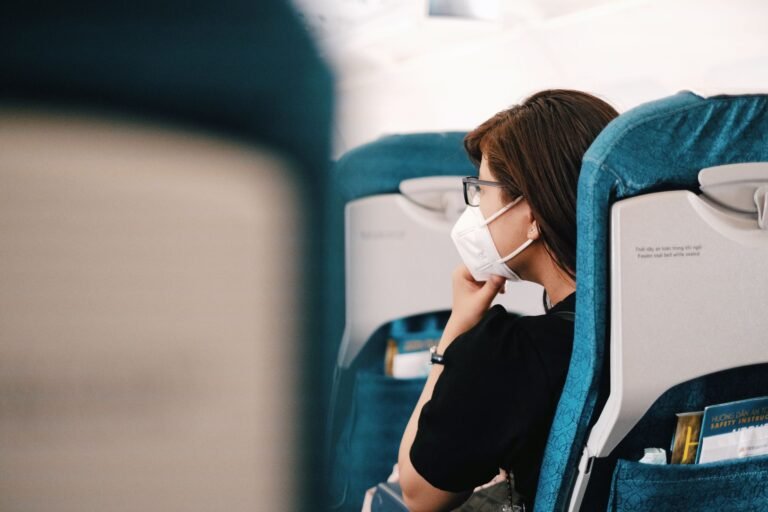
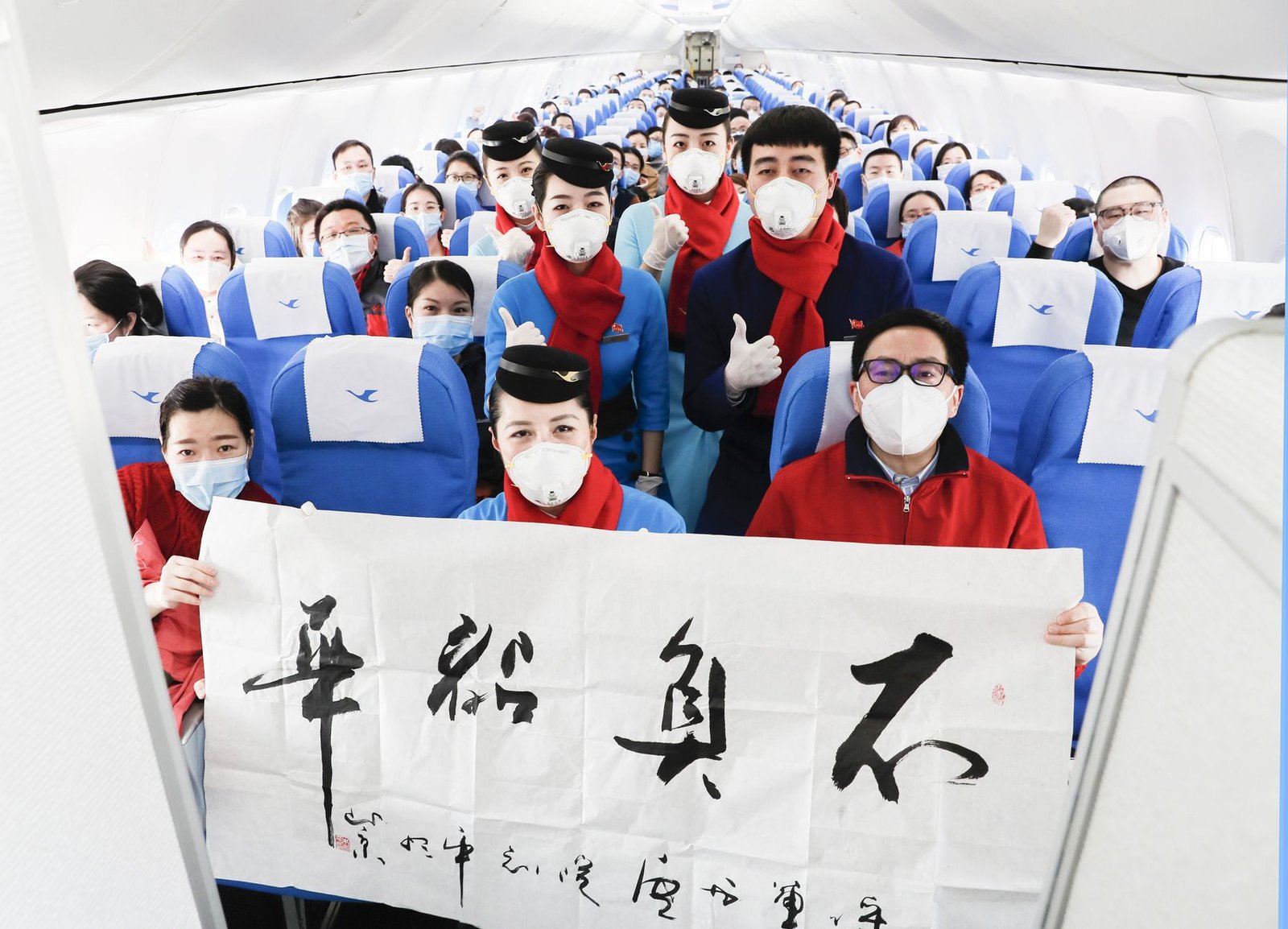
Wearing a mask can provide an additional layer of protection against airborne germs, especially in crowded or enclosed spaces. Check local regulations and airline policies regarding mask usage before your flight.
The Bottom Line
Traveling by airplane can expose you to various bacteria hotspots, but being proactive about hygiene can significantly reduce your risk of illness. By recognizing the most common areas where germs accumulate, practicing effective hygiene, and bringing essential items, you can enjoy a healthier flying experience. Remember that maintaining good health while traveling is achievable with a little preparation and mindfulness.
Visa rules, prices and opening times change. Always confirm details with official sources before you travel.