Getting Crafty in India: Asia’s Creative Hub Explored
Explore India's vibrant arts and crafts scene: from traditional techniques to modern innovations. Discover how to get crafty in Asia's creative hub.
India, often celebrated for its rich cultural heritage, is a treasure trove of creativity and craftsmanship. From the bustling streets of Jaipur to the serene landscapes of Kerala, artisans across the country contribute to a thriving arts scene that reflects centuries of tradition and innovation. This guide will explore how to get crafty in India, highlighting the various forms of art, the regions renowned for their crafts, and practical tips for travelers looking to engage with the local creative community.
Whether you are a seasoned artist or simply a curious traveler, experiencing India’s artistic landscape offers a unique opportunity to connect with the culture at a deeper level. You’ll discover not just the beauty of handmade items, but also the stories and techniques behind them, making your journey through India both enriching and inspiring.
As you embark on this artistic adventure, expect to encounter a blend of traditional crafts that have been passed down through generations, alongside contemporary movements that push the boundaries of creativity. This dynamic interplay is what makes India a true creative hub in Asia.
A Brief History of Indian Crafts
The history of crafts in India is as diverse as its culture, with influences from various dynasties, religions, and regional traditions. Artisans have been creating beautiful works for thousands of years, often using techniques and materials specific to their local environment.
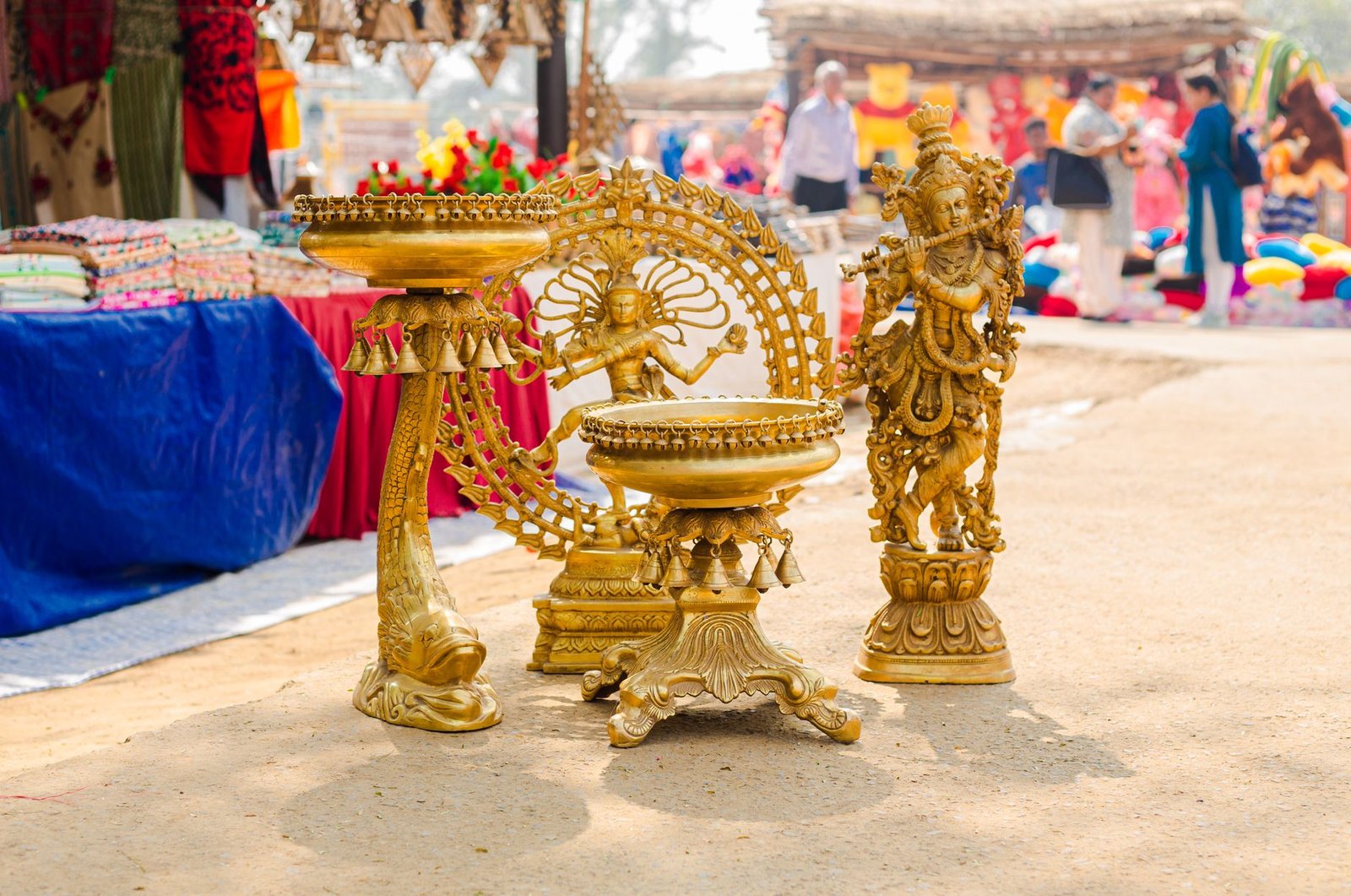
Historically, crafts in India served both functional and decorative purposes. Items such as pottery, textiles, and metalworks were integral to daily life, while intricate carvings and paintings adorned temples and palaces, showcasing the skill of the artisans.
During the colonial period, Indian crafts faced significant challenges due to the introduction of machine-made goods. However, this adversity sparked a resurgence in the appreciation for handmade crafts, leading to movements that revived traditional techniques and celebrated local artisans. Today, the craft scene in India is vibrant, with a mix of traditional artistry and modern design.
Regions Known for Craftsmanship
India’s vast landscape is dotted with regions renowned for their unique crafts. Each area boasts specific traditions, materials, and techniques, making them worth a visit for any craft enthusiast.
- Rajasthan: Known for its colorful textiles, pottery, and intricate block printing, Rajasthan is a hub for artisans. Cities like Jaipur and Udaipur offer vibrant markets filled with handmade goods.
- Karnataka: This southern state is famous for its silk weaving, particularly in the city of Mysore. Here, you can find beautiful silk sarees and other textile items.
- Kerala: Renowned for its coir products and handloom textiles, Kerala also showcases traditional art forms like Kathakali and Theyyam, which are deeply rooted in the region’s culture.
- Punjab: Known for its vibrant phulkari embroidery, Punjab’s artisans create stunning fabrics that tell stories of the region’s heritage.
- West Bengal: Famous for its terracotta pottery and intricate Kantha embroidery, West Bengal is a haven for those interested in traditional crafts.
Exploring Traditional Crafts
Engaging with traditional crafts in India offers a glimpse into the skills and stories that define local cultures. Each craft comes with its own set of techniques, tools, and materials that have been honed over generations.
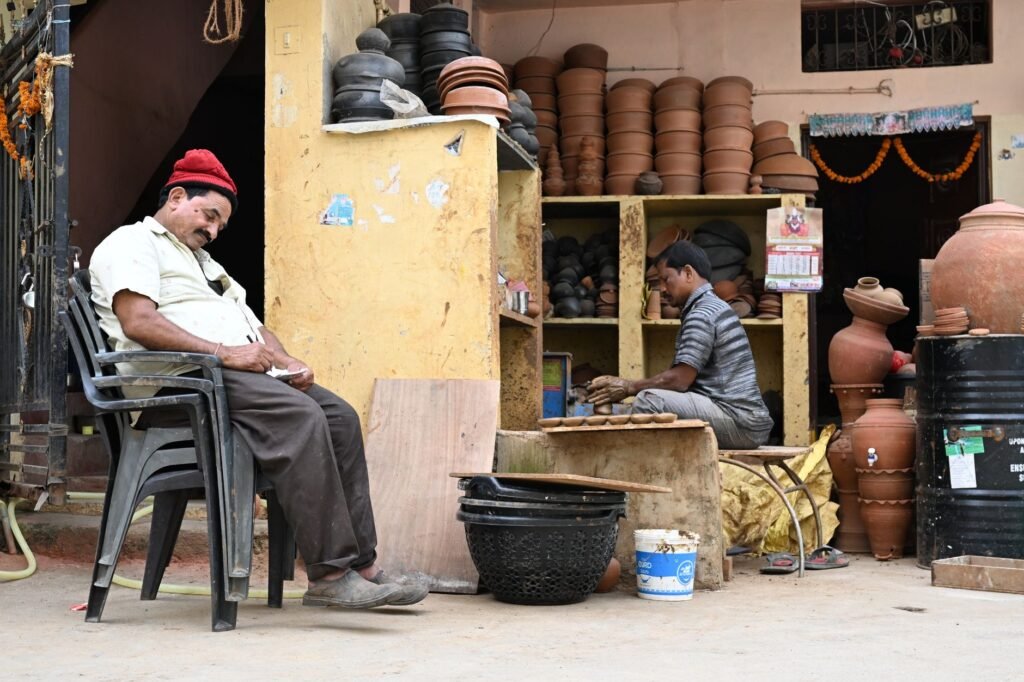
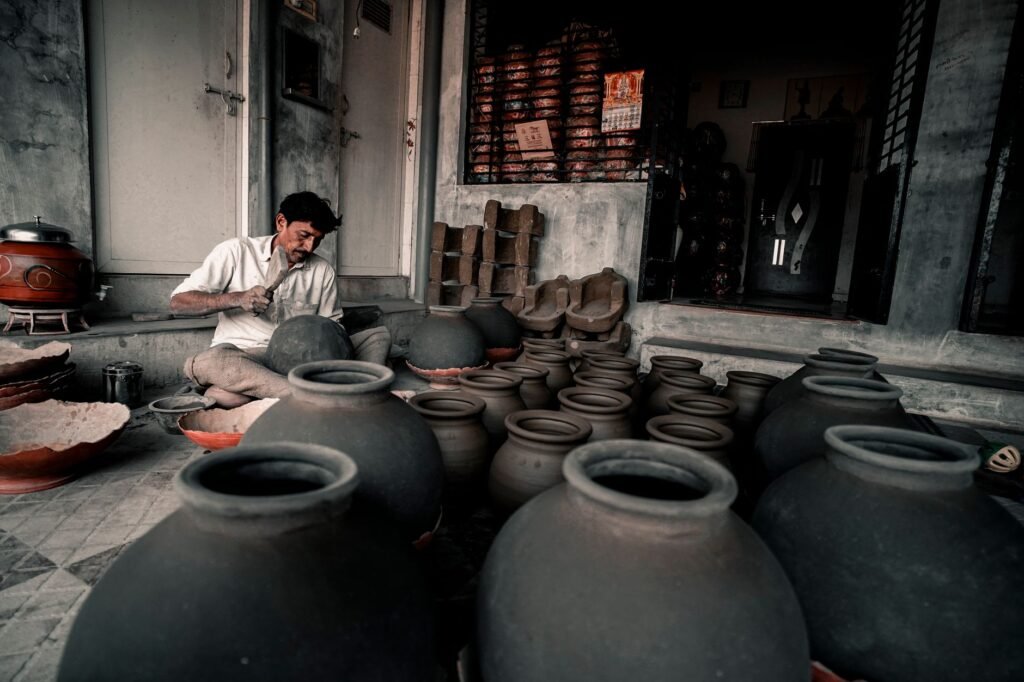
For instance, pottery in India often reflects regional styles. In places like Khurja, artisans create exquisite blue and white ceramics, while the terracotta of West Bengal showcases earthy tones and rustic designs. When visiting these regions, consider taking part in workshops where you can learn the craft firsthand, guided by skilled artisans.
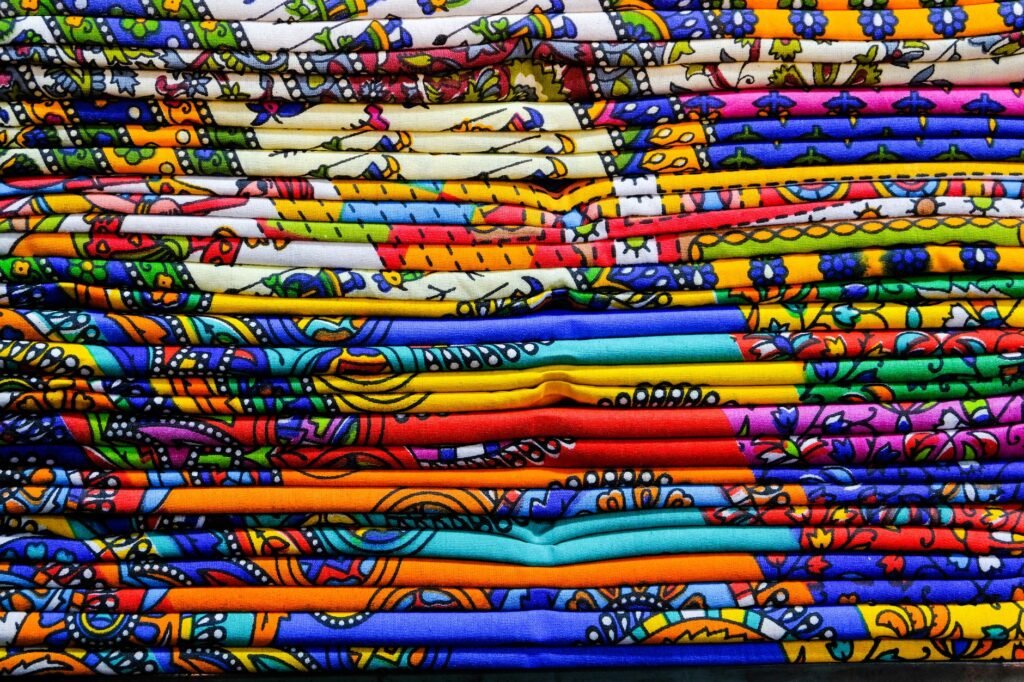
Textiles are another area where traditional craftsmanship shines. Each state has its own weaving techniques, from the brocade of Varanasi to the ikat of Odisha. Many regions offer tours of weaving villages, allowing visitors to witness the intricate process of textile production and perhaps even purchase items directly from the weavers.
Contemporary Craft Movements
While traditional crafts hold a special place in Indian culture, contemporary craft movements are also making a significant impact. Modern artists are blending traditional techniques with innovative designs, creating unique pieces that appeal to a global audience.
For example, contemporary jewelry designers are incorporating traditional Indian motifs into modern pieces, using materials like recycled metals and ethically sourced stones. This fusion not only preserves traditional craftsmanship but also promotes sustainability.
Urban craft fairs and exhibitions in cities like Mumbai and Delhi showcase the work of these contemporary artisans, providing an excellent opportunity for travelers to discover cutting-edge designs while supporting local artists.
How to Engage with Local Artisans
When visiting India, there are several ways to engage with local artisans and support the craft community. Here are some practical tips:
- Visit Craft Villages: Many regions have dedicated craft villages where artisans live and work. These villages often welcome visitors for tours and workshops, providing insight into their techniques.
- Attend Workshops: Look for workshops offered by local artisans. Participating in a hands-on session not only enhances your understanding of the craft but also allows you to create a unique souvenir.
- Shop Responsibly: When purchasing crafts, seek out local markets or artisan cooperatives that ensure fair wages for the artisans. Avoid mass-produced items that do not support the craft community.
- Engage with Online Platforms: Many artisans now sell their work online. Platforms dedicated to handmade goods allow you to purchase directly from the source, supporting artisans while enjoying a wider selection.
Craft Festivals and Events
India hosts numerous craft festivals throughout the year, celebrating the diversity and richness of its artistic traditions. Attending these festivals can provide a unique window into the world of Indian crafts, featuring exhibitions, workshops, and performances.
- Surajkund Mela: Held annually in Haryana, this crafts fair showcases artisans from across India, offering a vibrant display of crafts, music, and dance.
- Delhi Haat: This open-air market in Delhi features stalls from different states, allowing visitors to explore a wide range of crafts and cuisines.
- Kochi-Muziris Biennale: An international art exhibition held in Kerala, focusing on contemporary art and featuring local and international artists.
Preserving Heritage: The Role of Craft Cooperatives
In recent years, craft cooperatives have emerged as vital players in the preservation of traditional Indian crafts. These cooperatives empower local artisans, providing them with the resources, training, and market access necessary to sustain their livelihoods while maintaining cultural heritage. They act as a bridge between artisans and consumers, ensuring that traditional skills are passed down through generations.
Benefits of Craft Cooperatives
Craft cooperatives offer numerous advantages both to artisans and their communities. Here are some key benefits:
- Economic Stability: By pooling resources, artisans can secure better prices for their products and reduce costs.
- Skill Development: Cooperatives often provide training workshops to enhance artisans’ skills and introduce them to new techniques.
- Market Access: Cooperatives help artisans reach wider markets through exhibitions, online platforms, and retail partnerships.
- Community Support: They foster a sense of community, encouraging collaboration and mutual support among artisans.
Spotlight on Successful Cooperatives
Several craft cooperatives in India have gained international recognition for their contributions to preserving traditional crafts. Here are a few notable examples:
- Desi Crafts: Focuses on promoting artisan-made products from rural India, helping artisans with design and marketing.
- Chitrika: A cooperative that specializes in hand-painted textiles and crafts from Andhra Pradesh, known for its vibrant colors and intricate designs.
- Rangasutra: This cooperative empowers women artisans in Rajasthan to produce high-quality garments using traditional techniques.
How to Support Craft Cooperatives
Visitors to India can play a crucial role in supporting craft cooperatives. Here are some ways to contribute:
- Purchase products directly from cooperatives rather than mass-produced items.
- Participate in workshops organized by cooperatives to learn about traditional crafts.
- Spread awareness about cooperatives and their artisans through social media and word-of-mouth.
The Impact of Technology on Indian Crafts
Technology is transforming the landscape of Indian crafts, creating new opportunities for artisans while preserving traditional techniques. From e-commerce platforms to digital marketing, artisans are leveraging technology to reach global audiences and enhance their craft.
E-Commerce and Online Marketplaces
Online marketplaces like Etsy and Amazon Handmade have provided artisans with unprecedented access to international buyers. By creating profiles and listing their products online, artisans can showcase their craftsmanship to a global audience. This shift has also encouraged the adoption of modern payment systems, making transactions smoother for both buyers and sellers.
Social Media as a Marketing Tool
Social media platforms like Instagram and Facebook allow artisans to promote their work directly to consumers. By sharing images and stories about their crafts, artisans can build a personal brand and create a loyal customer base. Engaging content, such as videos demonstrating the crafting process or storytelling about the cultural significance of their work, can captivate potential buyers.
Innovations in Craft Techniques
Technology is also influencing the craft techniques themselves. Here are some innovative approaches being adopted by artisans:
- 3D Printing: Some artisans are experimenting with 3D printing to create intricate designs that were previously impossible to achieve by hand.
- Digital Design Tools: Software programs allow artisans to design patterns and prototypes, enhancing creativity and precision.
- Online Workshops: Artisans are conducting virtual workshops, enabling them to teach their craft to a global audience and generate additional income.
Craft Tourism: Experiencing Indian Crafts Firsthand
Craft tourism is a growing trend in India, allowing travelers to immerse themselves in the rich tapestry of the country’s artisanal heritage. This type of tourism not only benefits local artisans but also offers visitors a unique and authentic experience.
Types of Craft Tourism Experiences
Travelers can engage with craft tourism in various ways, each offering a unique perspective on Indian craftsmanship:
- Workshops: Participate in hands-on workshops to learn traditional crafting techniques, such as pottery, weaving, or block printing.
- Artisan Tours: Guided tours of artisan villages provide insights into the daily lives of craftsmen and women, showcasing their skills and stories.
- Craft Markets: Visiting local craft markets offers an opportunity to purchase authentic handmade products while supporting artisans directly.
Impact on Local Communities
Craft tourism fosters economic growth in local communities by creating jobs and promoting cultural heritage. By drawing visitors to artisan villages, it encourages the preservation of traditional crafts and contributes to sustainable development. Additionally, craft tourism enhances cultural exchange, as visitors learn about Indian traditions and artisans share their skills and stories.
How to Plan a Craft Tourism Trip
For travelers interested in craft tourism, planning a trip can be an enriching experience. Here are some tips:
- Research artisan villages and craft regions to identify where you want to visit.
- Book workshops in advance to ensure availability and often get a more personalized experience.
- Engage with local guides who are knowledgeable about the crafts and can provide valuable insights.
Educational Initiatives Supporting Craftsmanship
Institutions and Programs
In recent years, several educational institutions have emerged, dedicated to preserving and promoting traditional crafts in India. These institutions often offer specialized programs that blend traditional techniques with modern design principles. Notable examples include the National Institute of Design (NID) and the Indian Institute of Crafts and Design (IICD). Such programs equip students with the skills to innovate while honoring traditional practices.
Workshops and Skill Development
Various NGOs and local organizations conduct workshops aimed at skill development for artisans. These workshops not only focus on enhancing technical skills but also on business management and marketing. This multifaceted approach ensures artisans can sustain their craft economically. Here are some common workshop themes:
- Natural Dye Techniques
- Pottery and Clay Modeling
- Textile Weaving
- Jewelry Making
- Woodwork and Carving

Eco-Friendly Craft Practices
Use of Sustainable Materials
With increasing awareness about environmental issues, many artisans are shifting towards sustainable materials in their craft practices. This includes the use of organic cotton, bamboo, and recycled materials. Such practices not only reduce environmental impact but also appeal to eco-conscious consumers. Artisans are now creating products that tell a story about sustainability, often incorporating natural dyes and biodegradable materials.
Community Initiatives for Sustainability
Several craft cooperatives are implementing eco-friendly practices by involving the community in sustainable resource management. These initiatives focus on responsible sourcing of materials and waste reduction strategies. Some projects promote the cultivation of raw materials, like organic cotton, ensuring that artisans have a reliable supply while benefiting the local economy.
The Global Influence of Indian Crafts
International Collaborations
Indian artisans frequently collaborate with international designers and brands, showcasing Indian craftsmanship on global platforms. These collaborations often lead to innovative products that blend traditional techniques with contemporary aesthetics. This not only enhances the visibility of Indian crafts but also opens new markets for artisans.
Exhibitions and Trade Shows
Participating in international exhibitions and trade shows helps Indian craftsmen gain exposure and network with potential buyers. Events like the India International Trade Fair and the Delhi Craft Council exhibitions attract global attention. Here are some benefits of participating in such events:
- Access to a larger audience
- Opportunities for international partnerships
- Insights into global market trends
- Feedback from potential customers
Frequently Asked Questions
What are the best places to buy crafts in India?
Some top places include Jaipur, Delhi Haat, and markets in Varanasi, where you can find a wide variety of handmade crafts directly from artisans.
Are workshops available for tourists?
Yes, many regions offer workshops for tourists. These can range from pottery making to textile weaving, providing a hands-on experience with local crafts.
How can I support local artisans while traveling?
Shop at local markets, participate in workshops, and purchase directly from artisans to ensure that your money supports the craft community.
What crafts are unique to India?
India is known for a variety of unique crafts, including intricate textiles, hand-carved wooden items, pottery, and traditional jewelry, each reflecting the region’s culture.
The Bottom Line
Getting crafty in India offers a remarkable journey through the heart of its culture and creativity. With its rich tapestry of traditional and contemporary crafts, the country stands as Asia’s creative hub, inviting travelers to explore, engage, and appreciate the artistry that defines its regions. By supporting local artisans and participating in hands-on experiences, you can make your trip not only enjoyable but also meaningful, forging connections that transcend mere souvenirs.
Visa rules, prices and opening times change. Always confirm details with official sources before you travel.