Asia is a continent where traditions are deeply woven into everyday life. From the tea ceremonies of Japan to the communal dining rituals in China, or the warm hospitality of the Philippines, etiquette is more than just good manners, it is a reflection of centuries of heritage and social philosophy. For travelers, understanding these cultural nuances is not only polite but essential for meaningful and respectful experiences.
- Honor hierarchy and local greetings: bow, wai, or namaste; use surnames and honorifics; wait for introductions in formal settings.
- Follow dining protocols: wait for host or eldest to begin, join collective toasts, avoid chopstick taboos and communal utensil passing.
- Dress modestly and observe temple rules: cover shoulders and knees, remove shoes, avoid pointing feet at people or sacred objects.
- Respect gestures and exchanges: present items with both hands, accept hospitality graciously, refrain from opening gifts immediately or using left hand alone.
This guide explores cultural etiquette across key Asian countries, decoding traditions, behaviors, and expectations that define human interaction across the region. You will learn how to greet respectfully, dine appropriately, and navigate social customs, so that wherever your journey takes you, you’ll feel confident and connected to the culture.
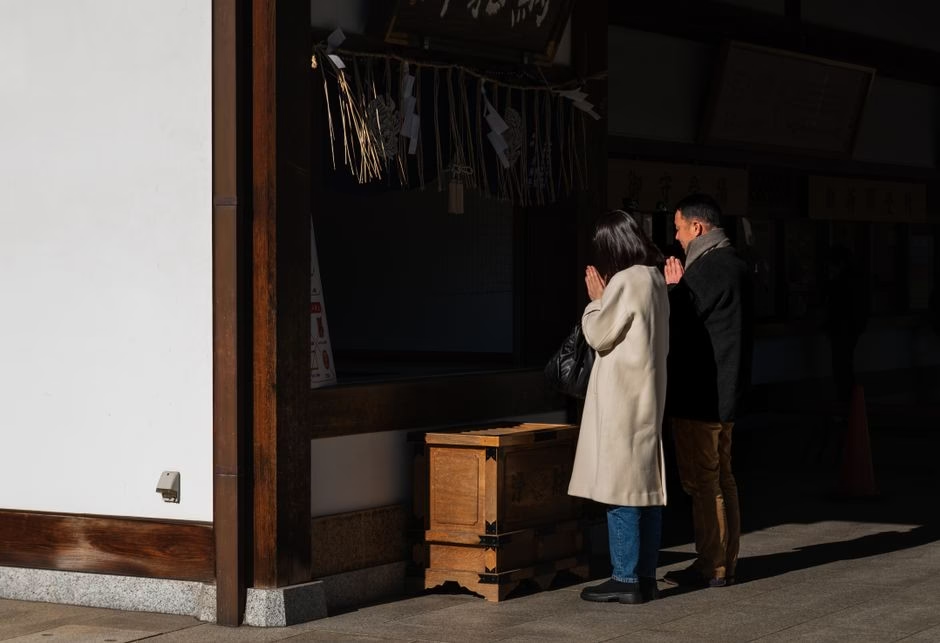
Japan: Where Respect Shapes Every Interaction
Japanese etiquette is grounded in respect, formality, and precision. Even the smallest action, like how you hand over a business card, is laden with cultural significance.
Greeting and Communication
- Bowing is the traditional greeting. The depth of the bow often reflects the level of respect being offered. Avoid initiating a handshake unless extended by your Japanese counterpart.
- When addressing someone, always use their last name followed by the suffix “san.” Using first names can feel overly familiar unless you have a close personal relationship.
- Silence is valued in conversations. It indicates thoughtfulness, so don’t rush to fill pauses.
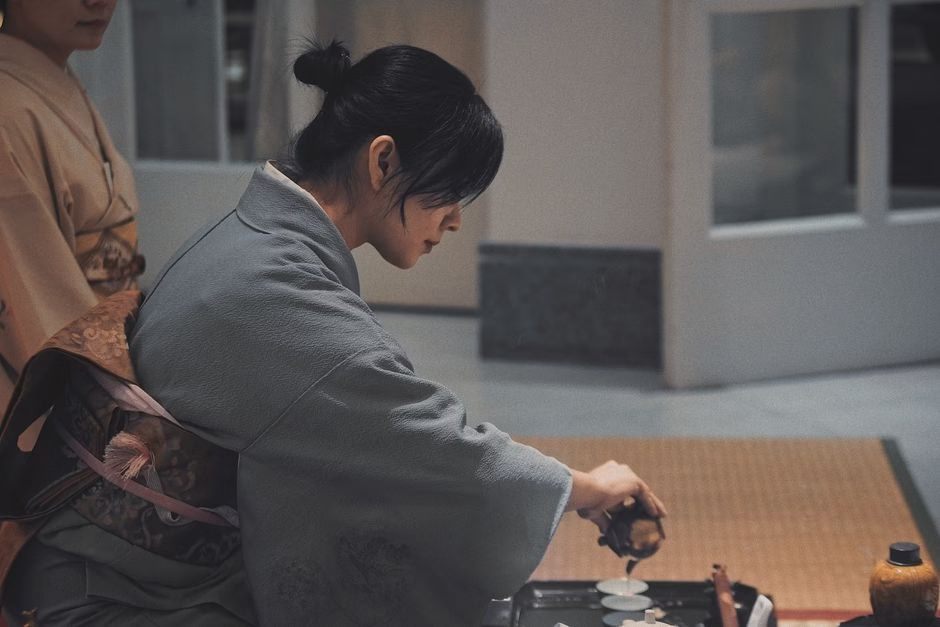
Dining Etiquette
Japanese table manners are meticulous. Always begin a meal by saying itadakimasu and end it with gochisosama deshita to express gratitude for the food.
- Never stick chopsticks upright in your bowl, as it resembles rituals performed at funerals.
- Avoid passing food directly from one pair of chopsticks to another, as this too has funerary associations.
- When drinking in a group, wait until everyone has been served, and participate in the collective toast of kanpai before beginning.
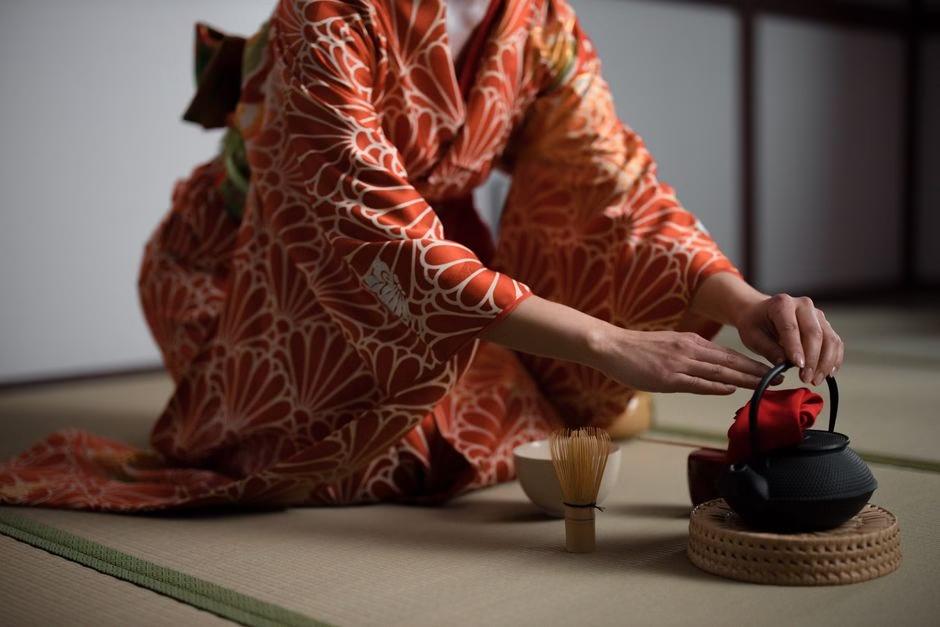
Social Insights
Gift giving is common but should be done with care. Present and receive gifts using both hands, and avoid opening gifts immediately, as that can appear impatient.
China: Harmony, Hierarchy, and the Art of Face
China’s social etiquette revolves around the principle of maintaining harmony and saving face—the idea of preserving dignity and respect for oneself and others.
Greetings and Introductions
- Handshakes are common, though often gentler than Western ones. Accompany your greeting with a slight nod.
- Use professional or academic titles where possible. Addressing someone as “Mr.” or “Ms.” followed by their surname is both polite and expected.
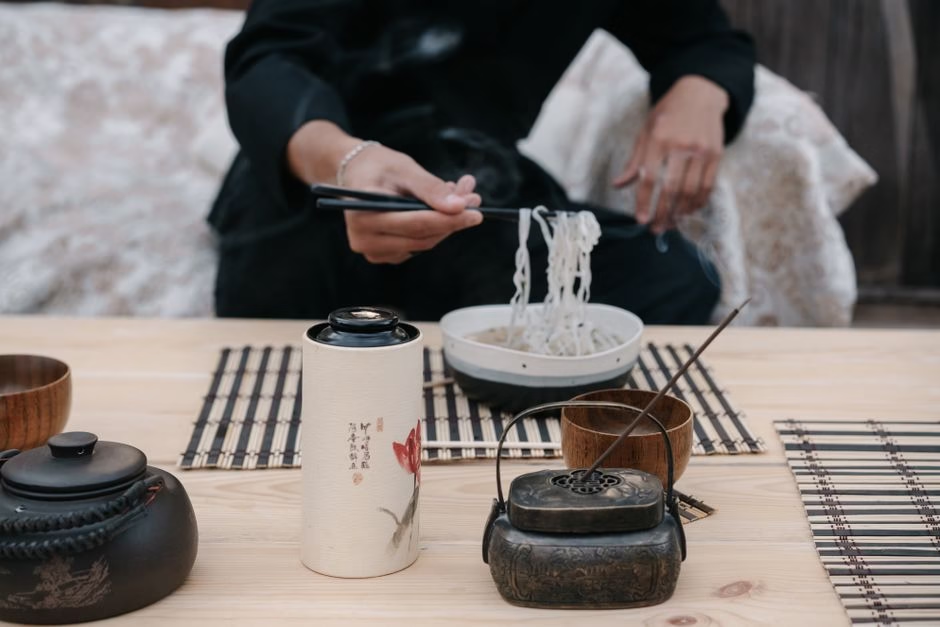
Dining Culture
Meals are social occasions meant to strengthen relationships.
- The seating arrangement shows hierarchy, with the most honored guest seated facing the door. Always wait to be shown where to sit.
- It is customary for the host to pour the first drink; one should not begin eating or drinking before the host does.
- Sampling every dish shows appreciation, but finishing all the food might be seen as indicating the host did not serve enough.
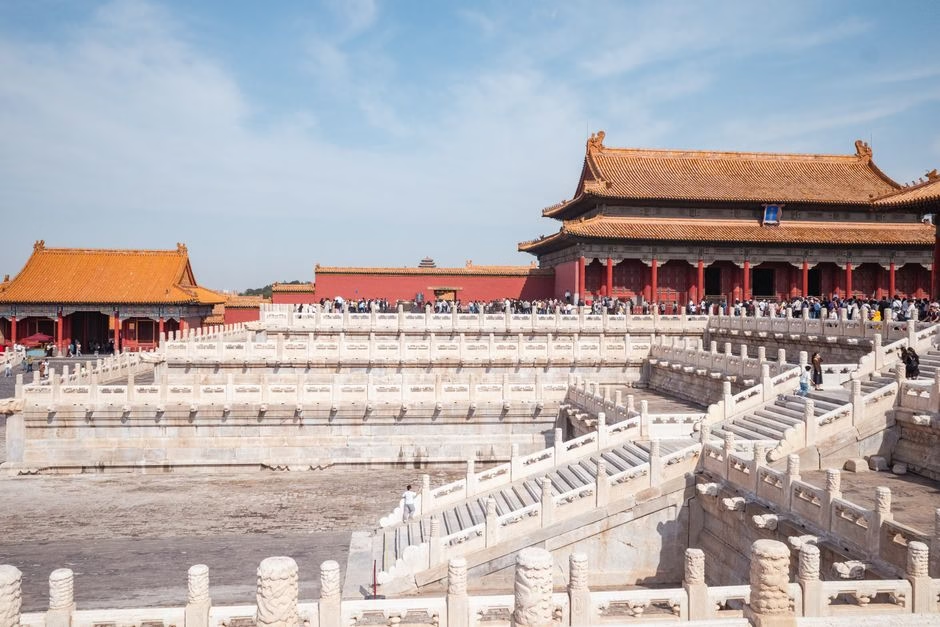
Respect and Communication
Public confrontation is frowned upon. Disagreeing too directly can cause loss of face, so use indirect language when addressing sensitive issues. Offer praise and maintain composure, even in stressful situations.
Thailand: The Culture of Grace and Warm Hospitality
Known as “The Land of Smiles,” Thailand is shaped by Buddhist traditions that emphasize calmness, humility, and respect.
Greeting Rituals
The wai is the traditional Thai greeting performed by pressing your palms together in a prayer-like gesture and bowing slightly. The higher the hands and deeper the bow, the greater the respect shown.
- Return a wai when greeted by someone younger or of similar status.
- When greeting monks or elders, show extra reverence by bowing lower.
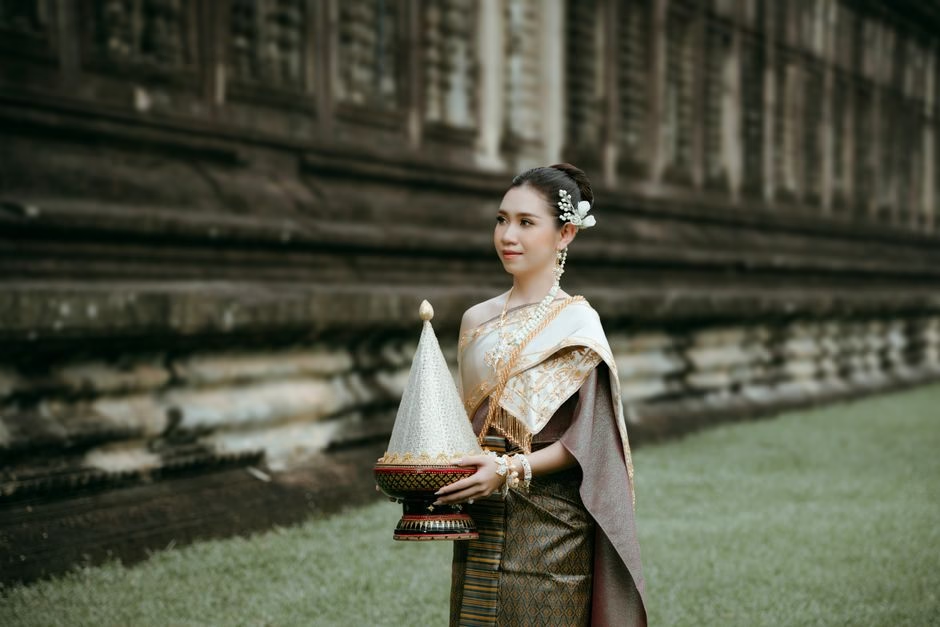
Dress and Behavior
Modesty is highly valued. When visiting temples, ensure shoulders and knees are covered, and remove shoes before entering any sacred space or private home. Pointing your feet at people or religious statues is considered disrespectful since feet are deemed the lowest part of the body.
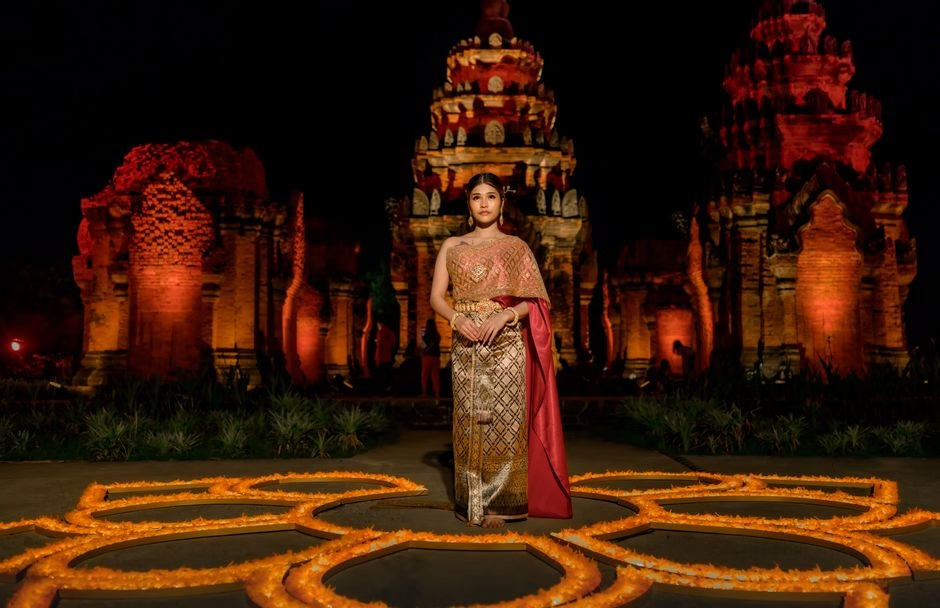
Dining and Social Norms
When eating communally, wait for the eldest or most senior person to begin. Never place your fork in your mouth; instead, use it to push food onto your spoon. A gentle, soft tone is appreciated in all conversations, raising your voice conveys anger or disrespect.
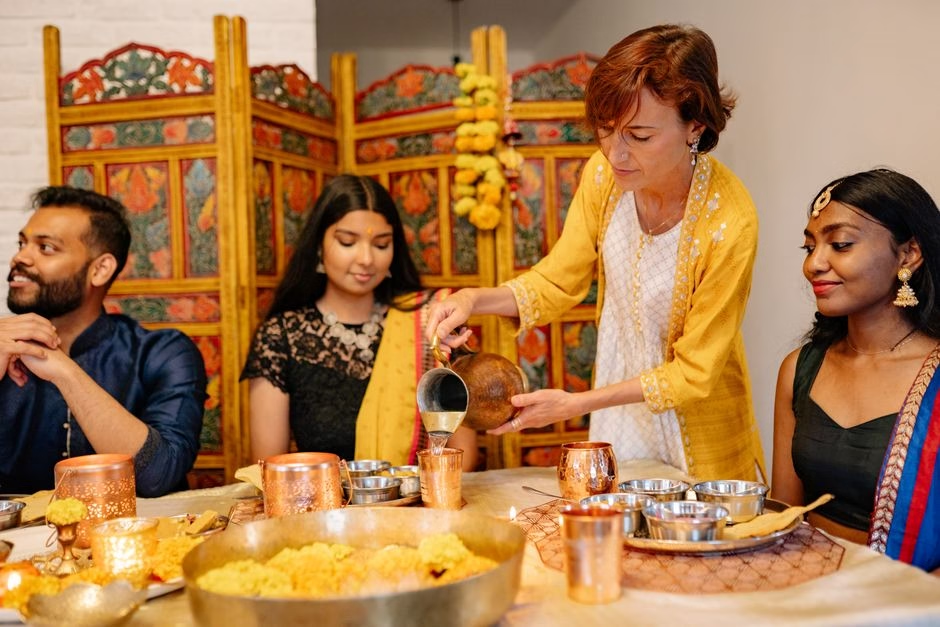
India: Diversity, Hospitality, and Sacred Traditions
India’s cultural etiquette is as varied as its languages and landscapes. However, across the nation, certain values consistently shine through—respect for elders, hospitality, and spirituality.
Greetings and Personal Interactions
The traditional greeting Namaste varies slightly across regions but symbolically means “I bow to the divine in you.” It is performed by joining your palms together and giving a slight nod or bow.
- Use formal titles such as “Sir” or “Madam” when addressing strangers or elders.
- Avoid physical contact between men and women in public unless it is obvious that such interaction is acceptable to the other person.
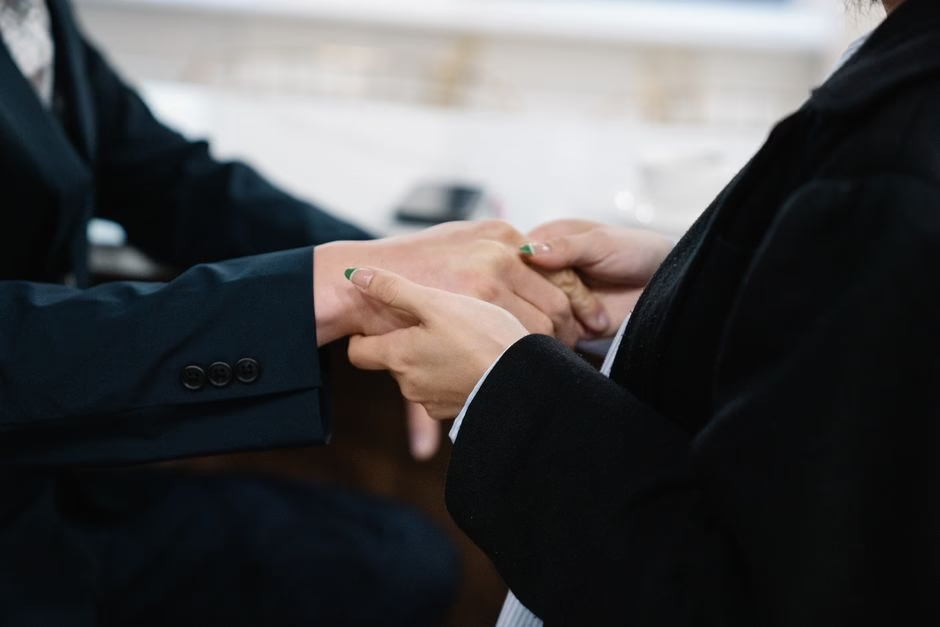
Temple Etiquette and Religious Sensitivity
Temples are sacred spaces. Always remove your shoes before entering, and dress conservatively. Photography may be restricted in some areas, so ask for permission.
Avoid touching offerings or idols, as this can be seen as disrespectful. When giving or receiving items, use your right hand or both hands, never the left hand alone.

Dining Practices
Many meals are eaten by hand, primarily using the right hand. Even when utensils are provided, remember that the left hand is considered unclean. If invited to someone’s home, bringing a small gift like sweets or fruit is appreciated but avoid gifts made of leather, especially in vegetarian households.
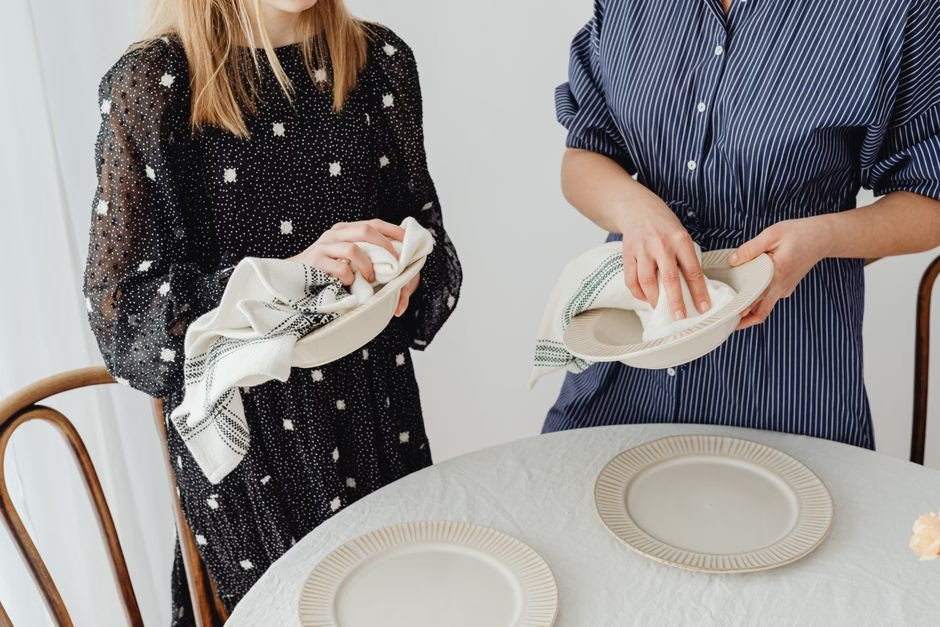
South Korea: Hierarchy and Respect in Every Gesture
In South Korea, etiquette reflects Confucian influences where age, status, and respect for hierarchy guide social conduct.
Meeting and Greeting
A polite bow combined with a light handshake is customary during introductions. Avoid direct eye contact while bowing, as it can be perceived as a challenge rather than respect.
Use honorific titles when addressing others, especially seniors or those in authority. Always wait to be introduced in formal settings rather than introducing yourself spontaneously.

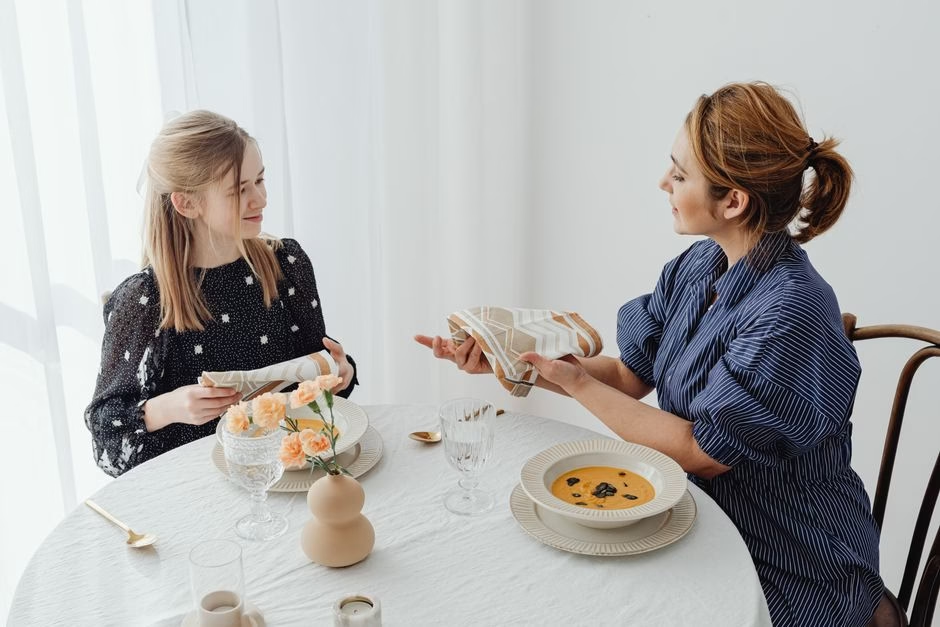
Dining and Drinking Customs
Meals are a communal experience focusing on group harmony.
- Allow the eldest person at the table to begin eating first.
- When pouring drinks, pour for others before refilling your own glass and hold the bottle with both hands as a sign of respect.
- When receiving a drink, hold your glass with both hands and turn slightly away from the elder while drinking—a subtle but important gesture of modesty.
Social Conduct
Respecting age and authority is deeply ingrained. Avoid public displays of emotion, and be cautious with humor as sarcasm is not easily interpreted. Showing patience in queues, transport, and general conversation reflects cultural maturity and adaptability.
Southeast Asia: Shared Values and Local Flavors of Etiquette
Across Southeast Asia, from Vietnam to Indonesia and Malaysia, etiquette mirrors shared community values while adapting to the cultural fabric of each nation.
Malaysia and Indonesia
These predominantly Muslim-majority countries uphold modesty and courtesy. Dress respectfully, particularly in rural areas and religious sites. When handing over money or business cards, always use your right hand or both hands. Public affection is discouraged, and showing respect for religious customs during prayer times is essential.
Vietnam
In Vietnam, elders are highly respected, and hierarchy defines social interactions. A slight bow or nod with a warm smile suffices for greetings. When visiting homes, leave your shoes at the entrance and bring a small token of gratitude. Avoid placing your feet on chairs or pointing them toward others, as this can be seen as disrespectful.
Philippines
Filipino culture blends Asian courtesy with Western warmth. Greetings are friendly, often beginning with a handshake and smile. Hospitality is central to daily life; guests are usually offered food and drink immediately upon arrival. Accepting such hospitality is important—it shows appreciation and connection.
Conclusion: Traveling with Cultural Understanding
Traveling across Asia offers more than spectacular landscapes and delicious cuisines; it’s an education in human connection. Understanding etiquette is not about memorizing rules, it’s about showing curiosity, humility, and respect for local traditions. When travelers make the effort to adapt, even in small ways, it creates bridges that transcend language and background.
As you explore this vast and diverse continent, let cultural etiquette be your compass. It will lead you to richer encounters, warmer welcomes, and a journey that goes far beyond sightseeing to genuine cultural exchange.
Further Reading
3 Day Istanbul Itinerary for First Time Visitors
Travel to Somalia; How I Traveled to Mogadishu