Things To Know Before Traveling To Prague: Essential Insights
Discover essential things to know before traveling to Prague, from local customs to safety tips, to ensure a smooth and enjoyable trip.
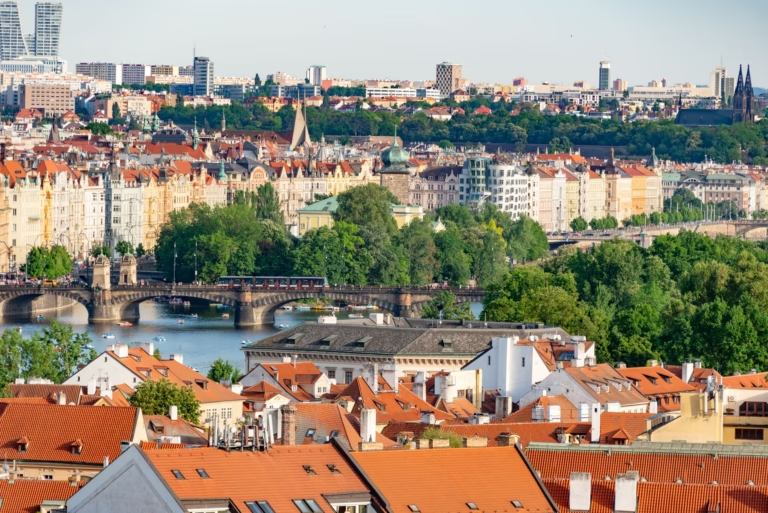
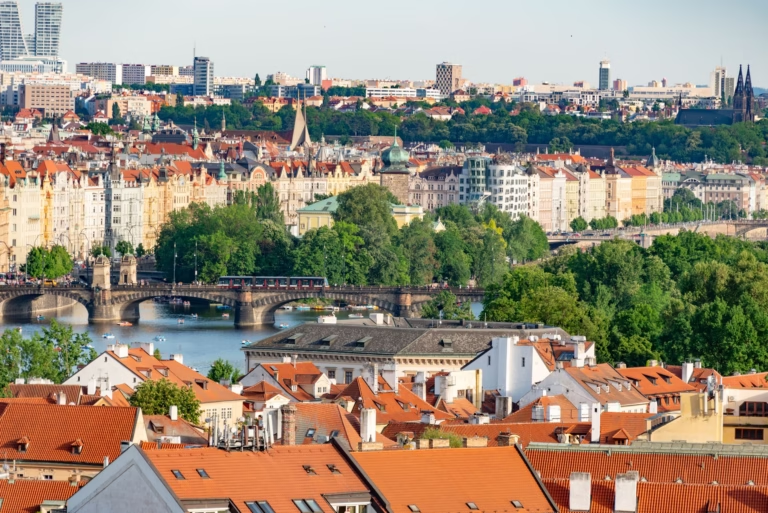
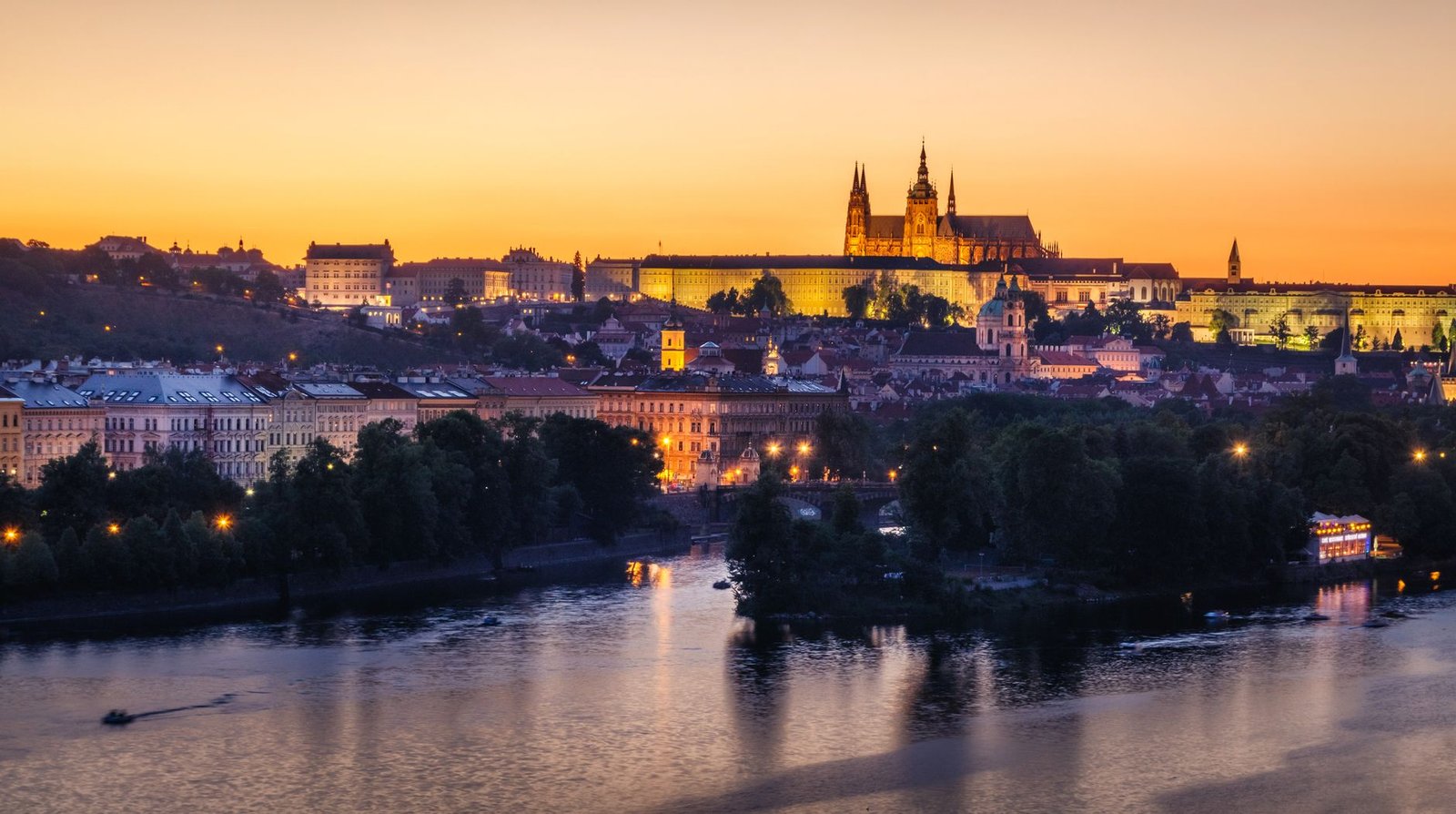
Prague, the enchanting capital of the Czech Republic, is known for its stunning architecture, rich history, and vibrant culture. Before embarking on your journey to this fairy-tale city, there are several practical considerations that can enhance your experience. From understanding local customs to navigating the public transport system, being prepared will help you make the most of your visit.
Whether you’re a first-time traveler or a seasoned explorer, this guide will provide you with vital information about what to know before traveling to Prague. From the best times to visit to tips on local etiquette, we’ll cover everything you need to ensure a smooth and enjoyable trip.
Prague is a city that beautifully merges the old and the new. Walking through its historic streets feels like stepping back in time, while its lively cafés and bustling markets add a modern twist. However, to truly appreciate all that Prague has to offer, it’s essential to arm yourself with knowledge about the local culture, transportation, accommodation, and safety.
Understanding Local Customs and Etiquette
Respecting local customs is crucial when traveling to any new destination. In Prague, the Czech people are known for their hospitality, but they also appreciate when visitors adhere to certain social norms. Greetings are often straightforward; a firm handshake is common when meeting someone for the first time. When entering shops or restaurants, a polite greeting, such as “Dobrý den” (Good day), is appreciated.
Another important aspect of Czech etiquette is the concept of personal space. While Czechs can be friendly, they may initially appear reserved. It’s advisable to maintain a respectful distance until you get to know someone better. Additionally, tipping is customary in restaurants; rounding up the bill or adding about 10% is a common practice.
Moreover, when dining, wait for the host to begin the meal before you start eating. It’s also polite to keep your hands on the table (but not your elbows) and to say “Dobrou chuť” (enjoy your meal) before you dig in. Learning a few basic phrases in Czech can also go a long way in endearing yourself to the locals.
Public Transportation and Walking
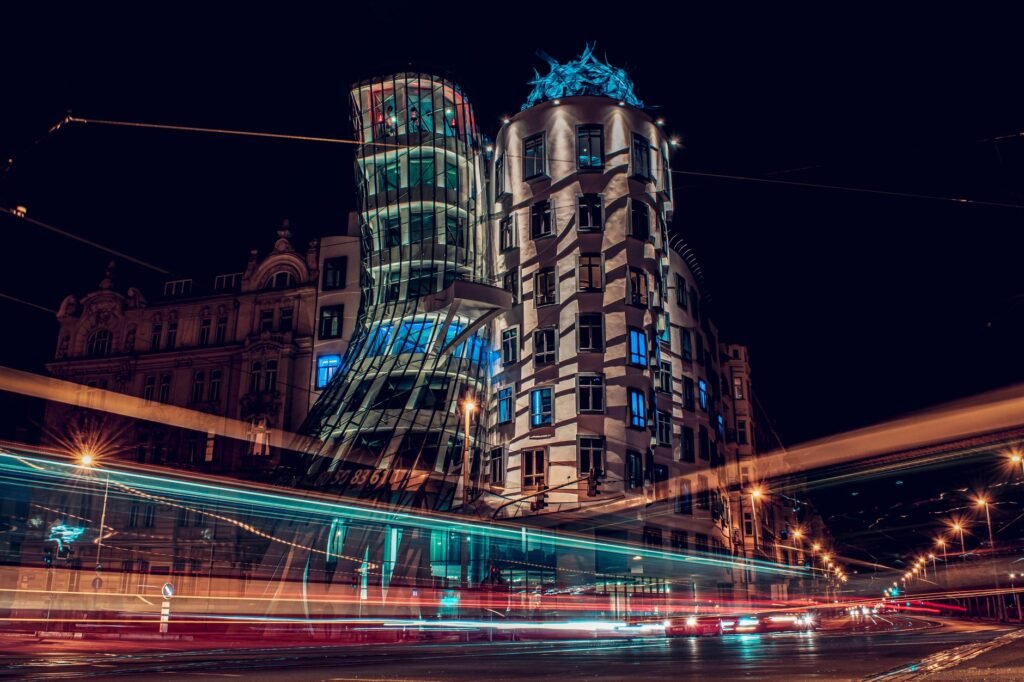
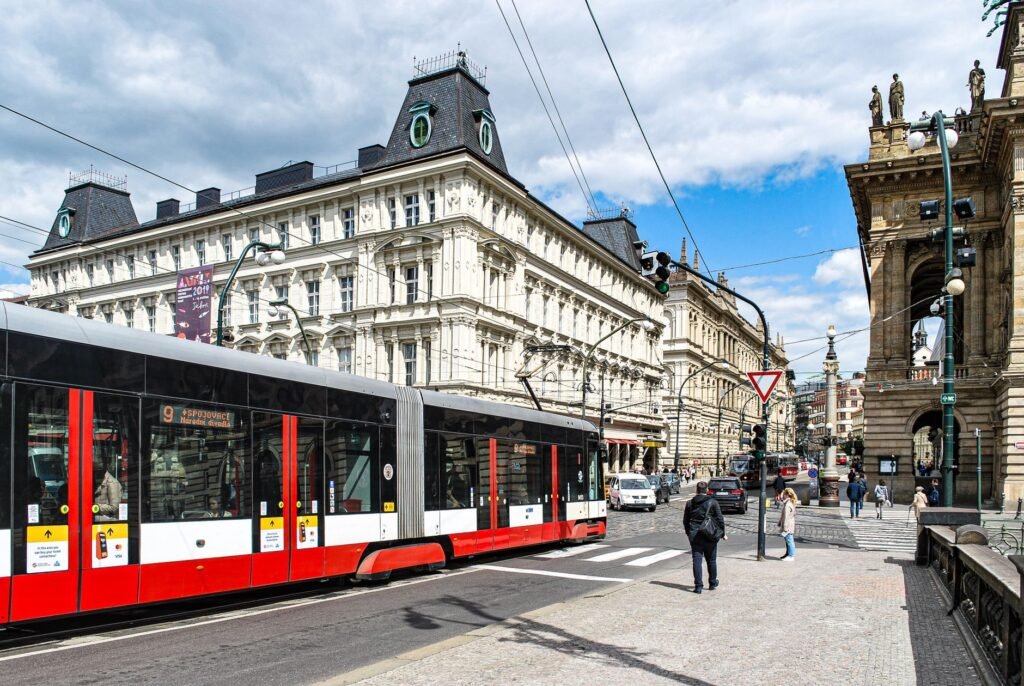
Prague boasts an efficient and affordable public transportation system that includes trams, buses, and the metro. The city’s transit network is extensive and can take you to most tourist attractions. A single ticket is valid for 90 minutes and allows transfers between modes of transportation. Tickets can be purchased at kiosks or via vending machines located in metro stations.
While public transport is effective, many visitors find that walking is the best way to explore Prague. The city center is relatively compact, making it easy to stroll from one landmark to another. Walking allows you to discover charming streets and hidden gems that you might miss while on public transport. Popular walking routes include the path from the Old Town Square to Charles Bridge, where you can take in stunning views along the Vltava River.
However, be prepared for cobblestone streets and some steep hills, particularly in areas like Prague Castle. Comfortable walking shoes are essential to navigate these surfaces without discomfort. Always be aware of your surroundings, especially in crowded areas, to ensure your safety and the safety of your belongings.
Best Times to Visit and Local Events
Timing your visit to Prague can greatly influence your experience. The city is most popular during the summer months (June to August) when the weather is warm and many outdoor events take place. However, this is also the peak tourist season, meaning higher prices and crowded attractions.
For those looking to avoid the crowds, consider visiting in the shoulder seasons: late spring (April to May) or early fall (September to October). During these months, the weather is still pleasant, and you can enjoy a more relaxed atmosphere. Additionally, the city hosts various festivals throughout the year, such as the Prague Spring International Music Festival in May and the Christmas markets in December, which offer unique cultural experiences.
Winter in Prague can be cold, but the city transforms into a magical winter wonderland, especially during the holiday season. The Christmas markets are renowned for their festive atmosphere, handcrafted goods, and traditional Czech food. Regardless of when you visit, there is always something happening in Prague, so check local event calendars to enhance your trip.

Currency and Costs
The currency used in Prague is the Czech koruna (CZK). While many establishments accept credit cards, it’s wise to carry some cash for small purchases, especially in markets or smaller shops. ATMs are widely available, but be cautious of potential foreign transaction fees from your bank.
Understanding the cost of living in Prague can help you budget accordingly. Dining out can range from affordable street food options to upscale restaurants. A meal at a local eatery can cost around 150 to 300 CZK, while a three-course meal at a mid-range restaurant may range from 600 to 1,200 CZK. Public transport is quite affordable, with single tickets costing around 40 CZK.
Accommodations vary widely, from budget hostels to luxury hotels. Booking in advance can help secure better rates, especially during peak tourist seasons. It’s also worth checking for any special deals or packages that might be available for longer stays.
Safety Considerations
Prague is generally considered a safe city for tourists, but like any major urban area, it’s essential to stay vigilant. Petty crime, such as pickpocketing, can occur, especially in crowded areas like tourist attractions and public transport. Keep your belongings secure and be mindful of your surroundings.
In terms of health, Prague has a well-equipped healthcare system. If you require medical assistance, it’s advisable to have travel insurance that covers medical expenses. Be sure to carry any necessary medications and keep them in their original packaging. Additionally, it’s wise to familiarize yourself with local emergency numbers, such as 112 for emergencies.
Another health consideration is the air quality, which can be affected by pollution, particularly during the winter months. If you have respiratory issues, monitor local air quality reports and take necessary precautions, such as wearing masks if needed.

Food and Drink
Czech cuisine is hearty and flavorful, with a focus on meats, potatoes, and bread. Traditional dishes include goulash, svíčková (marinated beef with creamy sauce), and trdelník (a sweet pastry). When dining in Prague, it’s a good idea to explore local restaurants and taverns, which often serve authentic Czech meals at reasonable prices.
Beer is a significant part of Czech culture, and the country is known for producing some of the best lagers in the world. Trying a local brew is a must when visiting. Pilsner Urquell and Budweiser Budvar are two popular choices. Many pubs also offer tasting flights, allowing you to sample various beers.
If you have dietary restrictions, Prague has become increasingly accommodating. Many restaurants now offer vegetarian, vegan, and gluten-free options. Always check the menu or ask the staff for recommendations to ensure your dietary needs are met.
Exploring Prague’s Neighborhoods
1. The Historical Charm of Malá Strana
Malá Strana, or Lesser Town, is one of the most picturesque neighborhoods in Prague, characterized by its baroque architecture and narrow, winding streets. Nestled beneath Prague Castle, this area is rich in history and offers visitors a chance to step back in time. The district is home to many important landmarks, including St. Nicholas Church and the Wallenstein Palace.
As you wander through Malá Strana, you can discover quaint shops, cozy cafes, and peaceful gardens. Be sure to take a moment to relax at the Vrtba Garden, a hidden gem that offers stunning views of the city.
- St. Nicholas Church
- Wallenstein Palace
- Vrtba Garden
2. The Vibrant Atmosphere of Žižkov
Žižkov is known for its vibrant nightlife and bohemian atmosphere, making it a favorite among locals and visitors alike. This neighborhood boasts a variety of bars, pubs, and unique eateries that cater to different tastes. The iconic Žižkov TV Tower, with its unusual design and views from the observation deck, is a must-see when visiting this area.
Žižkov is also home to the largest park in Prague, Riegrovy Sady, where you can enjoy a picnic, play sports, or simply relax while taking in the panoramic views of the city skyline. The area is known for its artistic vibe, with many street art pieces and galleries to explore.
- Žižkov TV Tower
- Riegrovy Sady
- Local pubs and bars
3. The Artistic Hub of Holešovice
Holešovice is an up-and-coming neighborhood that has transformed from an industrial area into a creative hub. This district is home to numerous galleries, museums, and cultural spaces, making it a perfect spot for art lovers. The DOX Centre for Contemporary Art is one of the highlights, showcasing innovative exhibitions and installations.
In addition to its artistic offerings, Holešovice features a variety of trendy cafes and restaurants that serve local and international cuisine. The area also hosts a number of markets, such as the popular Prague Market, where you can find fresh produce, artisanal goods, and unique souvenirs.
- DOX Centre for Contemporary Art
- Prague Market
- Trendy cafes and restaurants
Understanding Czech Traditions and Festivals
1. Celebrating Czech Heritage
Prague is steeped in rich traditions that reflect its history and culture. One of the most significant festivals is Easter, where visitors can experience vibrant markets showcasing traditional crafts, decorated Easter eggs, and handmade goods. The Easter markets, particularly those in the Old Town Square, are filled with locals and tourists alike, enjoying the festive atmosphere.
Another important celebration is the Prague Spring International Music Festival, which takes place annually and features performances from world-renowned musicians. This festival highlights the city’s dedication to the arts and is a fantastic way to experience Czech culture.
- Easter Markets
- Prague Spring International Music Festival
- Traditional crafts and performances
2. Understanding Local Holidays
Czech Republic has several public holidays that are celebrated with various customs and observances. For example, December 24th marks Christmas Eve, a day filled with family gatherings and traditional meals. Many locals attend midnight mass and enjoy a feast that typically includes fish and potato salad.
Another notable holiday is the Day of the Czechoslovak Statehood on October 28th, which commemorates the establishment of Czechoslovakia in 1918. Parades, concerts, and various festivities take place throughout the city, showcasing national pride.
- Christmas Eve traditions
- Day of the Czechoslovak Statehood
- National pride celebrations
3. Local Folklore and Legends
Prague is rich in folklore and legends that add a unique charm to the city. One of the most famous is the legend of Golem, a creature made from clay that was brought to life by Rabbi Löw to protect the Jewish community. Exploring the Jewish Quarter can provide insights into this fascinating story and its cultural significance.
Additionally, the city is filled with tales of haunted places and mythical creatures, such as the Vltava River’s water nymphs. Joining a guided walking tour focused on local legends can enhance your understanding of Prague’s rich storytelling tradition.
- The legend of Golem
- Haunted locations
- Guided tours of folklore

Practical Travel Tips for a Smooth Experience
1. Language and Communication
While Czech is the official language of the Czech Republic, many locals, especially in Prague, speak English. However, learning a few basic Czech phrases can go a long way in making your interactions more pleasant. Simple greetings such as ‘Dobrý den’ (Good day) and ‘Děkuji’ (Thank you) are appreciated by locals.
In case of emergencies or if you need assistance, having a translation app or a phrasebook on hand can be incredibly useful. Most signs in tourist areas are in both Czech and English, making navigation easier.
- Basic Czech phrases
- Translation apps
- Signs in tourist areas
2. Local Transportation Hacks
While Prague’s public transportation system is efficient, understanding how to navigate it can save you time and effort. Tickets for trams and buses are valid for a limited time and must be purchased before boarding. A short-term travel pass may be ideal for tourists, allowing unlimited travel for a specified duration.
Also, consider walking whenever possible; many attractions are within walking distance of each other, and exploring on foot can lead to delightful discoveries. If you prefer taxis, use reputable ride-sharing apps to avoid confusion.
- Public transportation tickets
- Walking distances between attractions
- Ride-sharing app recommendations
3. Connectivity and Internet Access
Staying connected while traveling in Prague is essential for navigation and communication. Most cafes, restaurants, and hotels offer free Wi-Fi, making it easy to stay online. Additionally, consider purchasing a local SIM card for your mobile phone to ensure internet access throughout your visit.
If you plan to rely on public Wi-Fi, be cautious and avoid accessing sensitive information, such as banking details, over unsecured networks. Using a VPN can provide an added layer of security.
- Free Wi-Fi locations
- Local SIM card options
- VPN recommendations for safety
Frequently Asked Questions
What is the best way to get around Prague?
The best way to get around Prague is via public transportation, which includes trams, buses, and the metro. Walking is also a great option due to the compact nature of the city.
Is Prague safe for tourists?
Yes, Prague is generally safe for tourists. However, it is essential to be cautious of pickpockets in crowded areas and to keep your belongings secure.
What currency is used in Prague?
The currency used in Prague is the Czech koruna (CZK). It’s advisable to have some cash on hand for smaller purchases.
What is traditional Czech food?
Traditional Czech food includes dishes like goulash, svíčková, and various meat and potato dishes. Beer is a significant part of Czech dining culture.
The Bottom Line
Traveling to Prague offers an incredible opportunity to explore a city rich in history and culture. By understanding local customs, navigating public transportation, and being aware of safety considerations, your visit can be both enjoyable and memorable. Whether you’re wandering the cobblestone streets, enjoying local cuisine, or soaking in the vibrant atmosphere, Prague is sure to leave a lasting impression.
Visa rules, prices and opening times change. Always confirm details with official sources before you travel.