Belize vs Great Barrier Reef Scuba Diving: A Comprehensive Comparison
Explore the differences between Belize and the Great Barrier Reef for scuba diving. Discover unique experiences, costs, and practical tips for your adventure.
Scuba diving enthusiasts often find themselves torn between the stunning underwater worlds of Belize and the Great Barrier Reef. Each destination boasts its unique features, vibrant marine life, and unforgettable experiences. This guide will compare these two iconic diving locations, providing practical insights for travelers looking to embark on their underwater adventures.
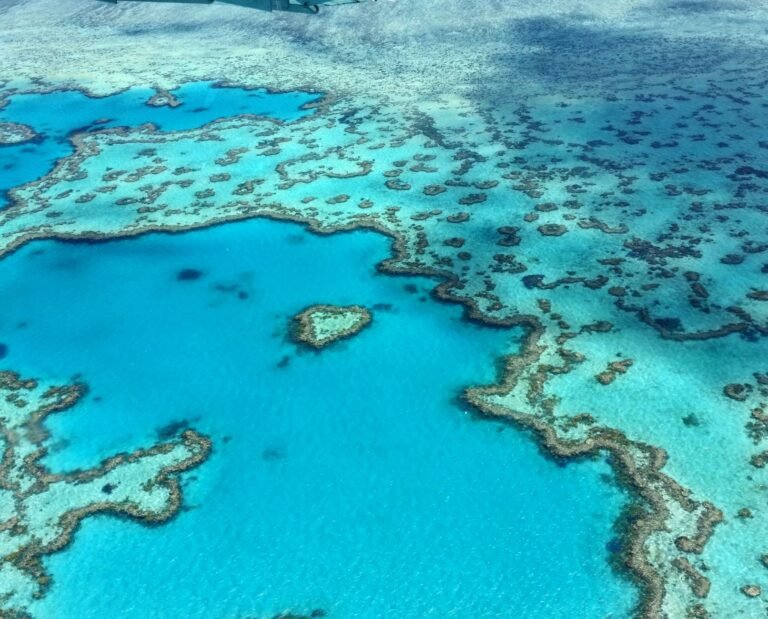
Belize is known for its incredible biodiversity and the famous Blue Hole, while the Great Barrier Reef is celebrated as the largest coral reef system on the planet. Both destinations offer spectacular diving opportunities, but they cater to different preferences and budgets. Understanding these differences will help you make an informed choice for your next dive trip.
Whether you are a seasoned diver or a beginner, diving in either Belize or the Great Barrier Reef promises to be a thrilling experience. This article will explore key aspects such as marine life, dive sites, costs, and safety considerations to help you decide which destination suits your diving aspirations best.
Marine Life and Biodiversity
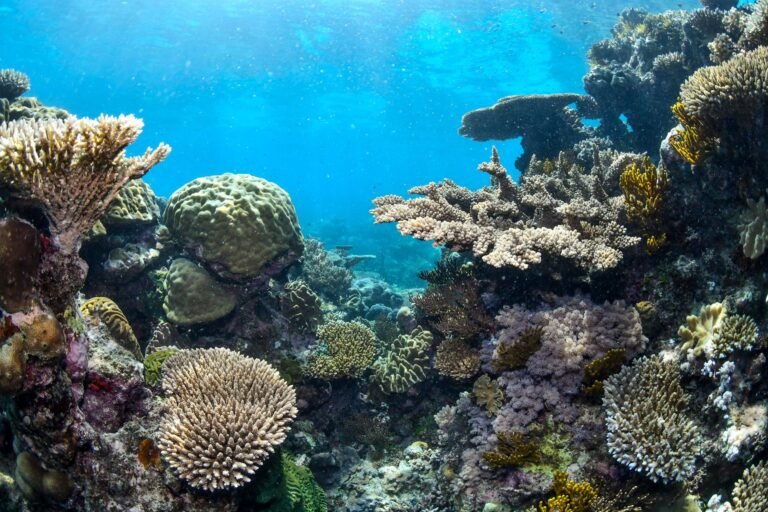
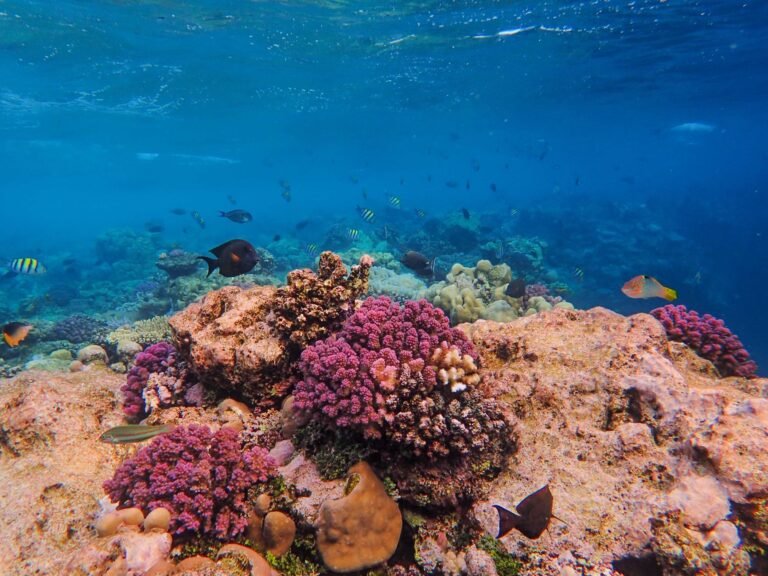
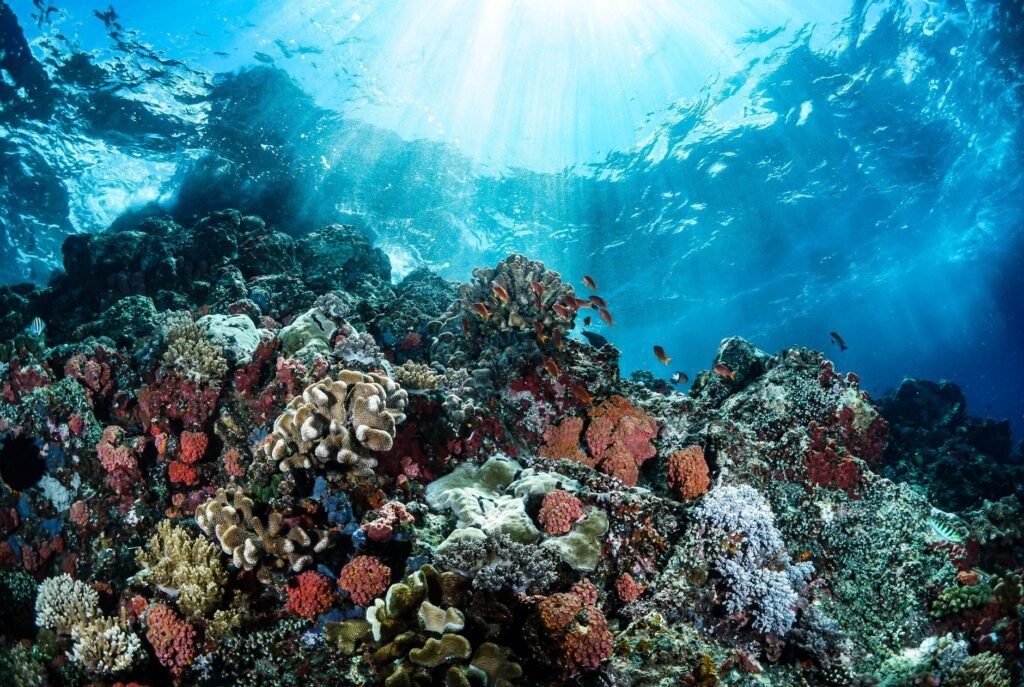
One of the most compelling reasons to scuba dive is the chance to encounter diverse marine life. Both Belize and the Great Barrier Reef are home to stunning aquatic ecosystems filled with colorful fish, coral formations, and unique species.
Marine Life in Belize
Belize features an impressive array of marine species, making it a hotspot for divers. The Belize Barrier Reef, a UNESCO World Heritage site, is the second-largest coral reef system in the world. Here, divers can expect to see:
- Over 500 species of fish, including vibrant parrotfish, angelfish, and groupers.
- Sea turtles, particularly loggerhead and green turtles.
- Manatees, often spotted in the waters around Ambergris Caye and Caye Caulker.
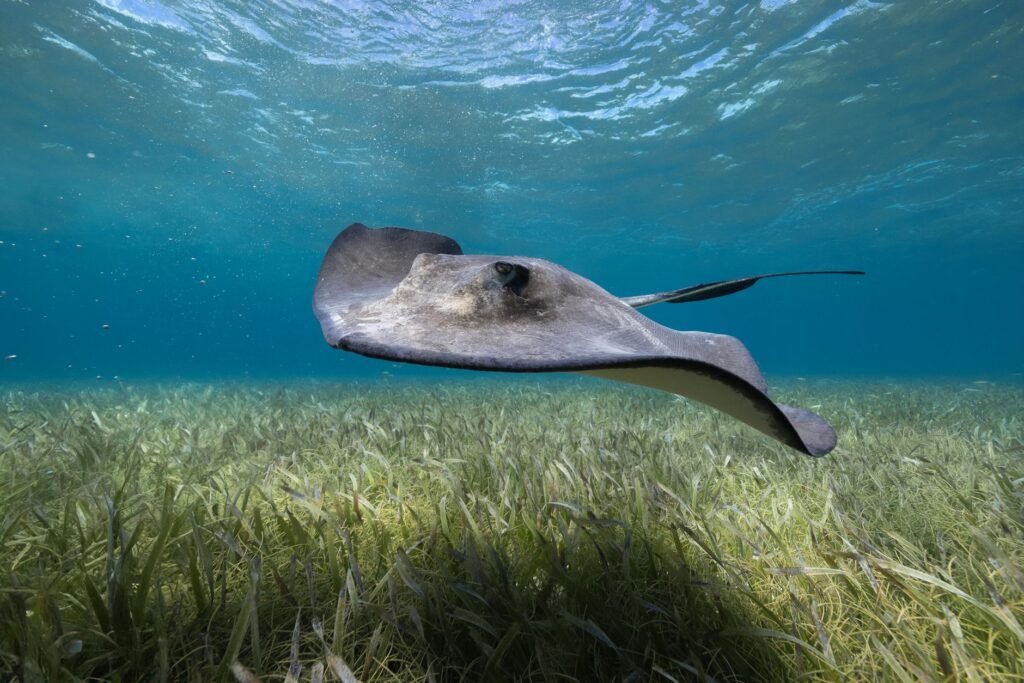
- Numerous species of rays, including stingrays and eagle rays.
- Unique marine environments such as mangroves and seagrass beds, providing rich habitats for various creatures.
Marine Life in the Great Barrier Reef
The Great Barrier Reef is renowned for its biodiversity, hosting an estimated 1,500 species of fish, 400 species of coral, and countless other marine organisms. Key highlights include:
- The iconic clownfish and its anemone homes.
- Diverse shark species, including hammerhead and reef sharks.
- Giant clams, which can weigh over 200 kilograms.
- Colorful nudibranchs and other unique invertebrates.
- Seasonal migrations of humpback whales, often seen from June to November.
Top Dive Sites
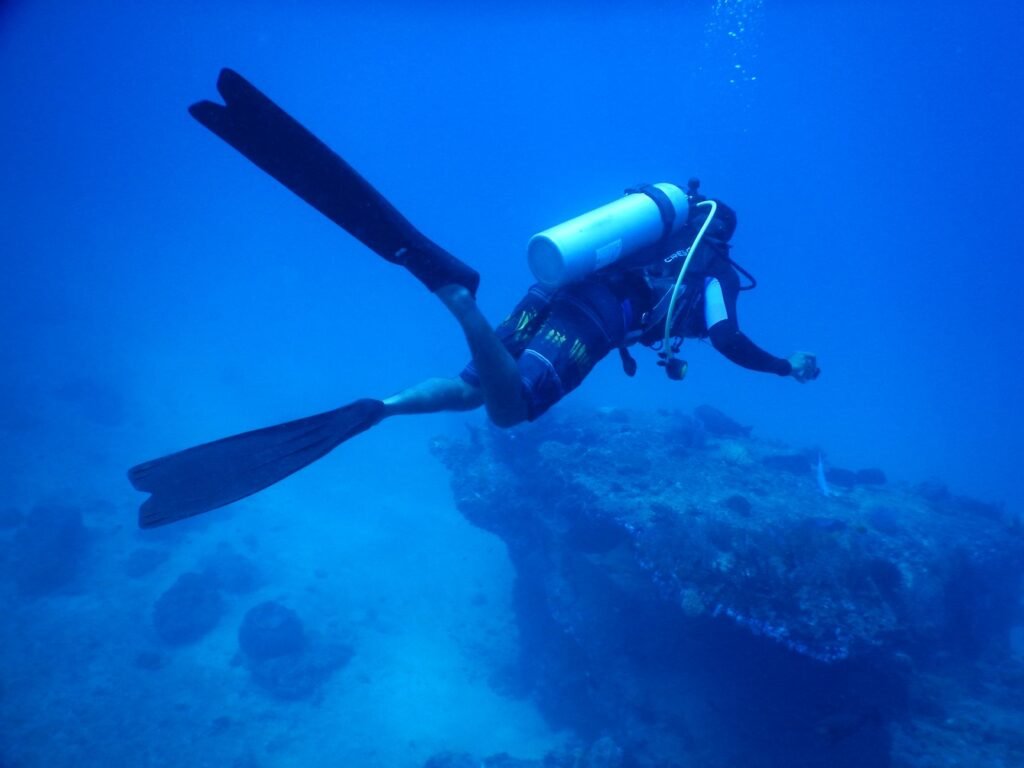
Both Belize and the Great Barrier Reef offer a variety of dive sites catering to different skill levels. Understanding which sites are available can enhance your diving experience.
Belize Dive Sites
Some of the most popular dive sites in Belize include:
- The Great Blue Hole: A circular marine sinkhole that attracts divers from around the world. Here, divers can explore stunning stalactites and diverse marine life.
- The Lighthouse Reef: Known for its vibrant coral formations and abundant marine life, this site is perfect for spotting nurse sharks and rays.
- Turneffe Atoll: A series of cayes and reefs that offer excellent visibility and a chance to see large pelagic species.
Great Barrier Reef Dive Sites
The Great Barrier Reef is home to numerous dive sites, including:
- Cod Hole: Famous for its friendly potato cod, this site offers close encounters with marine life in a stunning coral environment.
- Osprey Reef: A remote location known for its dramatic walls and vibrant marine life, including sharks and turtles.
- Agincourt Reef: Offers a variety of dive experiences, from shallow coral gardens to deep walls.
Cost Comparison
Understanding the costs associated with diving in Belize versus the Great Barrier Reef is crucial for budget planning. Several factors influence the overall expenses of a scuba diving trip, including travel, accommodation, and dive packages.
Cost of Diving in Belize
The costs for diving in Belize can vary widely depending on the location, dive operator, and package options. On average, you can expect the following:
- Dive trips typically range from $100 to $200 per dive, including gear rental and boat fees.
- Liveaboard options can start at around $1,200 for a week, offering multiple dives per day.
- Accommodations in Belize range from budget hostels to luxury resorts, with prices varying significantly.
Cost of Diving in the Great Barrier Reef
In the Great Barrier Reef, diving costs are similarly variable, influenced by the dive operator and the type of experience you choose:
- Day trips typically range from $150 to $300, which may include lunch and gear rental.
- Liveaboards begin around $1,500 for a three-day trip, offering an immersive diving experience.
- Accommodation prices can vary widely from budget to luxury, often affecting the overall cost of the trip.
Travel and Accessibility
Getting to Belize and the Great Barrier Reef involves different travel logistics and accessibility considerations. Knowing how to reach these destinations can help you plan your trip more effectively.
Traveling to Belize
Belize is accessible by various means, with most international flights landing at Philip S. W. Goldson International Airport in Belize City. From there, travelers can reach popular diving spots:
- Domestic flights to Ambergris Caye or Caye Caulker are available, taking around 15-30 minutes.
- Ferries operate between the mainland and the cayes, providing scenic views of the coastline.
- Rental cars and shuttle services are also options for exploring the mainland.
Traveling to the Great Barrier Reef
The Great Barrier Reef is more accessible from various coastal towns in Queensland, such as Cairns and Port Douglas. Key travel points include:
- Cairns Airport serves as the main hub for international and domestic flights, with numerous transfer options to dive sites.
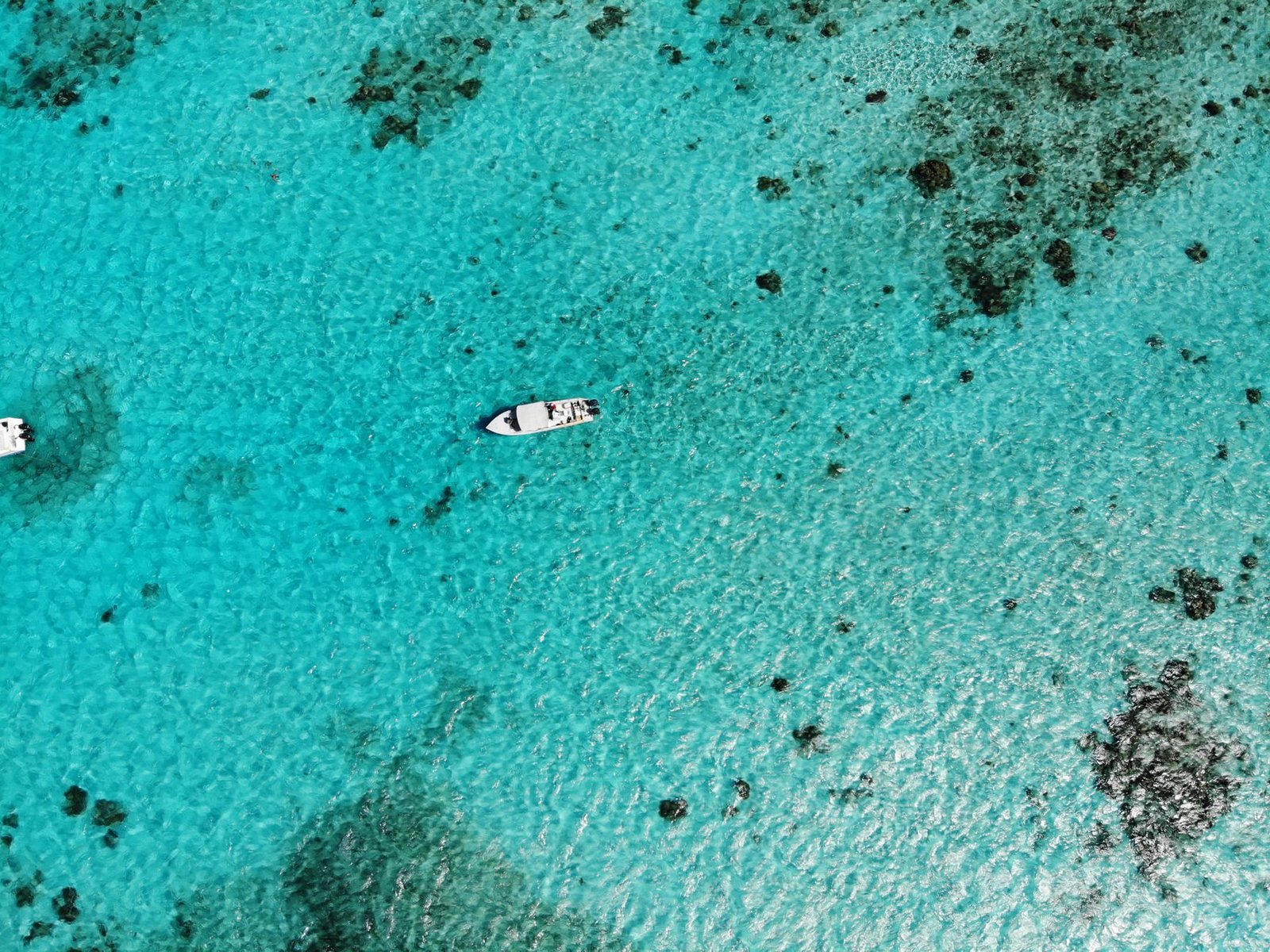
- Boat tours depart regularly from Cairns and Port Douglas to various reef locations.
- Road trips along the coastal highways provide stunning views and opportunities to explore other attractions.
Safety Considerations
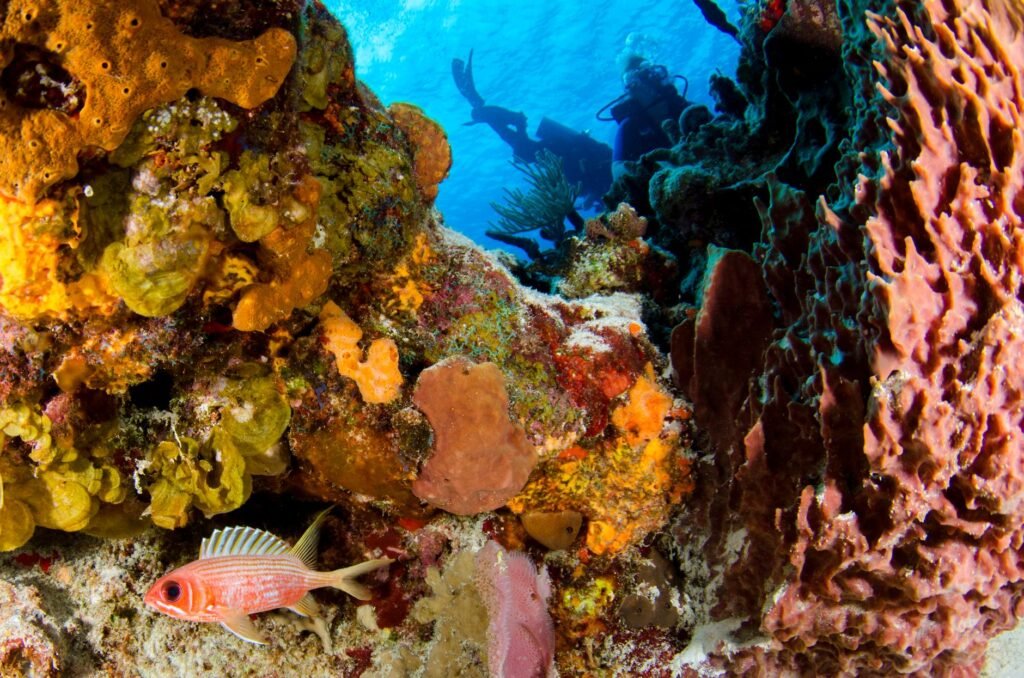
Safety is a key concern for scuba divers, and understanding the potential risks in both Belize and the Great Barrier Reef can help ensure a safe experience.
Safety in Belize
While Belize is generally safe for divers, there are important considerations to keep in mind:
- Ensure you dive with reputable operators who prioritize safety and adhere to local regulations.
- Be aware of weather conditions, as storms can impact dive trips.
- Take precautions against jellyfish stings, particularly during certain times of the year.
Safety in the Great Barrier Reef
Similarly, diving in the Great Barrier Reef requires awareness of safety protocols:
- Follow the instructions of dive guides and adhere to safety protocols at all times.
- Be cautious of marine creatures, such as jellyfish and stonefish, which can pose hazards.
- Check weather conditions and ensure your dive operator is experienced in handling adverse situations.
Environmental Conservation Efforts
Belize’s Marine Protection Initiatives
Belize has made significant strides in protecting its marine environment, which is critical for sustaining its diving tourism. The Belize Barrier Reef, a UNESCO World Heritage Site, is at the heart of these conservation efforts. The government has established several marine protected areas (MPAs) to safeguard critical habitats and species. These MPAs restrict fishing and other potentially harmful activities, allowing ecosystems to thrive.
Local organizations also play a vital role in conservation through community engagement and education. Initiatives like the Belize Audubon Society work to raise awareness about sustainable practices among both locals and tourists. Here are some key conservation efforts in Belize:
- Establishment of marine reserves such as Hol Chan and Shark Ray Alley.
- Community-led initiatives for reef restoration involving coral planting.
- Strict regulations on fishing practices that protect endangered species.
Great Barrier Reef’s Conservation Strategies
The Great Barrier Reef is facing significant environmental challenges due to climate change and coral bleaching. In response, the Australian government has implemented a range of conservation strategies aimed at protecting this natural wonder. The Reef 2050 Plan outlines a long-term strategy for sustainable management, focusing on reducing pollution, improving water quality, and mitigating the impacts of climate change.
Several organizations, including the Great Barrier Reef Marine Park Authority, are actively involved in monitoring the health of the reef. They conduct regular assessments and collaborate with scientists to develop innovative solutions for reef restoration. Some notable conservation strategies include:
- Research programs focusing on coral resilience and restoration techniques.
- Community engagement programs that encourage responsible tourism practices.
- Legislation aimed at reducing coastal development and runoff into the reef.
Unique Diving Experiences
Night Diving in Belize
Night diving in Belize offers a thrilling experience for divers looking to explore the underwater world in a different light. As darkness falls, marine life becomes more active, revealing behaviors that are rarely seen during the day. Divers can witness the mesmerizing phenomenon of bioluminescence, where tiny organisms emit light, creating a magical underwater glow.
Popular night diving spots include the famous Blue Hole and the coral gardens around Ambergris Caye. Divers can expect to see nocturnal species such as octopus, moray eels, and various types of fish that hunt at night. Here are some tips for an enjoyable night dive:
- Ensure you have proper lighting equipment, including a primary and backup light.
- Stay close to your dive buddy and keep communication clear.
- Be mindful of your buoyancy to avoid disturbing the delicate ecosystem.
Shark and Ray Encounters in the Great Barrier Reef
The Great Barrier Reef is known for its incredible shark and ray encounters, making it a sought-after destination for thrill-seeking divers. Species such as the majestic manta ray and the elusive hammerhead shark can be found in various dive sites. These encounters not only provide exhilarating experiences but also contribute to the understanding of these magnificent creatures.
Diving with sharks and rays offers divers the unique opportunity to observe their behaviors in their natural habitat. Popular sites for such encounters include Osprey Reef and the Coral Sea. Here’s what divers can expect:
- Close encounters with schools of reef sharks and other pelagic species.
- The chance to witness manta rays performing acrobatic displays as they feed.
- Guided dives led by experienced instructors who prioritize safety and education.

Local Culture and Diving Community
Cultural Experiences in Belize
Diving in Belize is not just about exploring the underwater world but also about immersing oneself in the rich local culture. The country is home to a diverse population, including Garifuna, Mestizo, and Creole communities, each with its unique traditions and customs. Many dive operators offer cultural packages that combine diving with local experiences, such as cooking classes or village tours.
Visitors can explore Mayan ruins, participate in traditional dances, or savor local cuisines that reflect the country’s multicultural heritage. Engaging with the local community enriches the diving experience and promotes sustainable tourism. Here are some cultural experiences to consider:
- Participating in a Garifuna drumming workshop.
- Tasting traditional dishes like rice and beans or ceviche.
- Visiting local markets to understand the daily life of Belizeans.
The Diving Community in the Great Barrier Reef
The Great Barrier Reef boasts a vibrant diving community, fostering a sense of camaraderie among divers of all skill levels. Numerous dive shops and schools cater to both beginners and advanced divers, offering a wide range of courses and guided dives. This community is united by a shared passion for the ocean and a commitment to its preservation.
Many dive operators organize social events, beach clean-ups, and conservation workshops to engage divers beyond their underwater adventures. Joining these activities allows divers to meet like-minded individuals and contribute positively to the reef’s health. Here are some ways to connect with the diving community:
- Participate in local dive club meetings or events.
- Join guided dives that focus on marine conservation.
- Engage in social media groups dedicated to diving in the Great Barrier Reef.
Frequently Asked Questions
Which is better for beginners: Belize or the Great Barrier Reef?
Both locations offer beginner-friendly dive sites, but Belize might be slightly more favorable due to its calm waters and diverse shallow reefs. However, the Great Barrier Reef also has excellent options for novice divers.
What is the best time to dive in Belize?
The best time to dive in Belize is from April to June, when visibility is high, and marine life is abundant. However, diving is possible year-round.
When is the best time to dive in the Great Barrier Reef?
The optimal diving season for the Great Barrier Reef runs from June to November, coinciding with the dry season and better visibility.
Can I dive in both locations on the same trip?
While it is possible to include both Belize and the Great Barrier Reef in a single trip, it requires careful planning and may involve significant travel time between destinations.
The Bottom Line
Choosing between Belize and the Great Barrier Reef for scuba diving ultimately depends on your preferences and priorities. Both destinations offer incredible underwater experiences, diverse marine life, and unique dive sites. Consider factors such as cost, travel logistics, and diving conditions when making your decision. Regardless of your choice, both Belize and the Great Barrier Reef promise to deliver unforgettable diving adventures.
Visa rules, prices and opening times change. Always confirm details with official sources before you travel.