
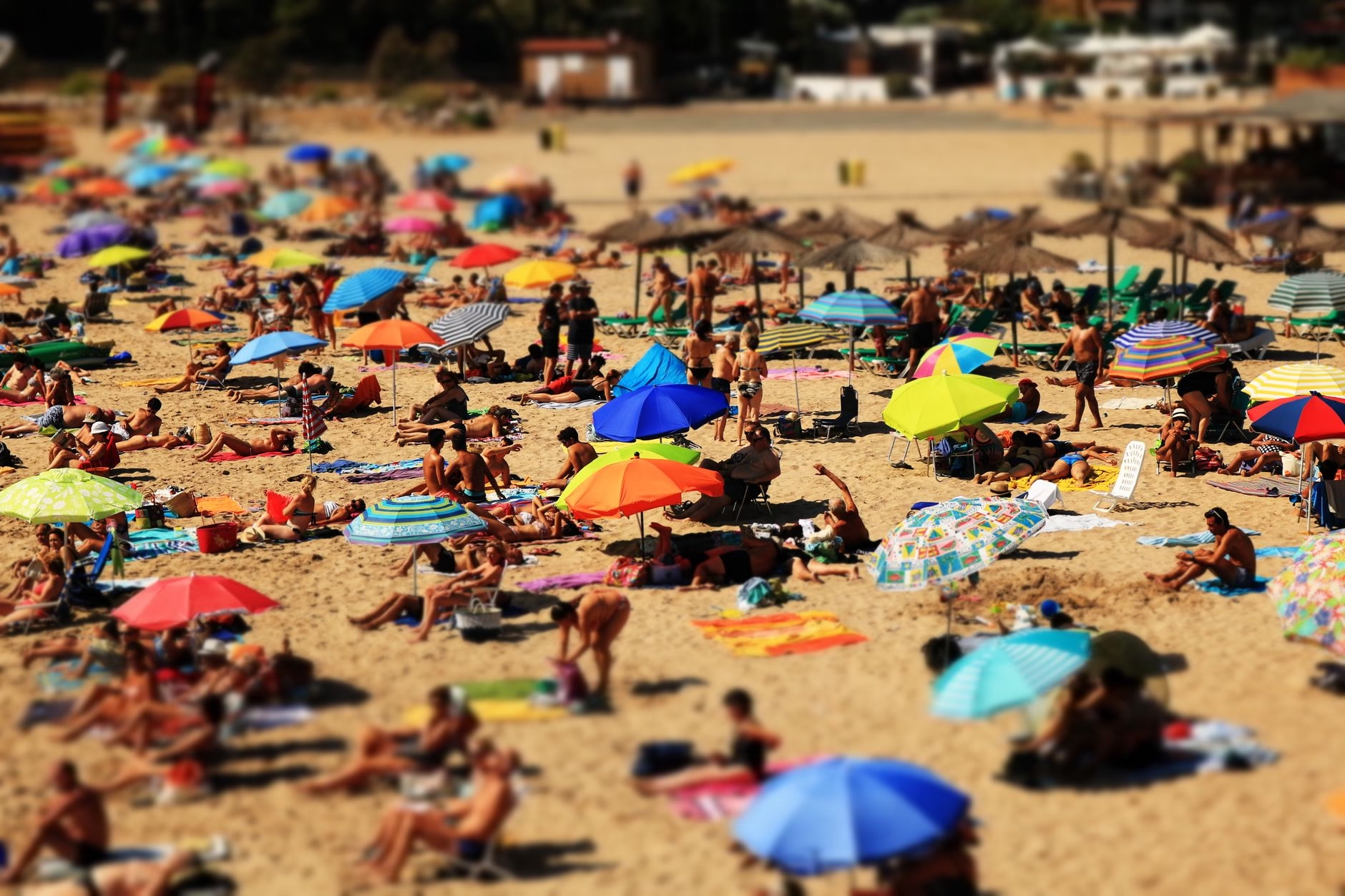
Overtourism refers to a situation where a destination receives more tourists than its infrastructure, environment, local communities, or cultural sites can comfortably handle. It can lead to overcrowding, traffic, environmental damage, higher prices, and a reduced quality of life for local residents.
Overtourism is often associated with popular tourist destinations, historic city centers, beaches, national parks, and famous attractions that experience very high visitor numbers, especially during peak travel seasons.
For travelers, overtourism can mean long queues, crowded attractions, higher accommodation costs, and a less enjoyable experience. Many destinations are responding by introducing measures such as visitor limits, timed-entry tickets, tourist taxes, or restrictions on short-term rentals.
Example:
A famous historic city that receives millions of visitors each year may experience overtourism when its streets, public transportation, and major attractions become overcrowded.
Why it matters:
Understanding overtourism can help travelers make more responsible choices, such as visiting less-crowded destinations, traveling during the off-season, and respecting local communities and the environment.