Travel Packing Checklist: Essential Items for Every Trip
Explore our ultimate travel packing checklist to ensure you never forget essential items for your adventure, no matter the destination.
Packing for a trip can be a daunting task, whether you’re heading to the sunny beaches of the Americas, the bustling streets of Asia, or the icy landscapes of Antarctica. A well-thought-out travel packing checklist is your best friend, guiding you through the essentials you need to bring along to ensure a smooth journey.
This article provides a comprehensive travel packing checklist that caters to various types of travelers and destinations. By following this guide, you’ll be equipped to pack efficiently, ensuring you have everything you need while avoiding the common pitfalls of overpacking or forgetting vital items.
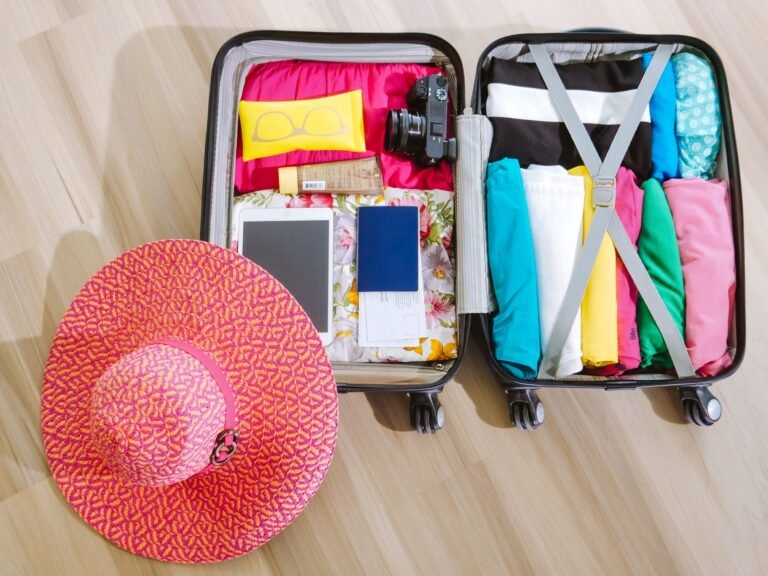
To illustrate the importance of a packing checklist, consider a traveler named Sam. On his first international trip, he relied solely on memory and ended up forgetting his camera, sunscreen, and a charger. His experience taught him a valuable lesson about the importance of a well-structured packing list. Let’s dive into how you can create your own packing checklist.
Understanding Your Destination
Different destinations require different packing strategies. Whether you’re going to a tropical beach, a cold mountain, or a city for business, knowing your destination is crucial for effective packing. Here are a few factors to consider:
Climate and Weather
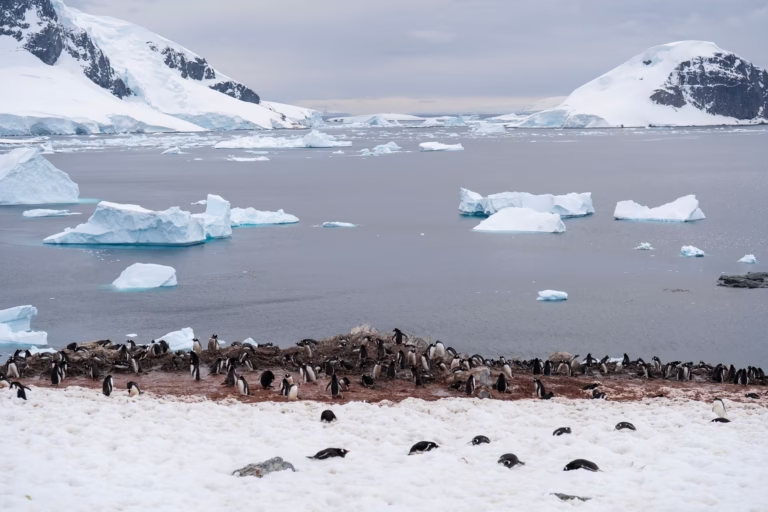
Before you start packing, check the weather conditions of your destination during your travel dates. For instance, if you are headed to Southeast Asia during the monsoon season, lightweight waterproof clothing and sturdy footwear are essential. Conversely, if your destination is Antarctica, layering your clothing and waterproof gear becomes vital to combat the extreme cold.
Activities Planned
Consider the activities you plan to engage in while traveling. If you plan to go hiking, remember to pack appropriate gear such as hiking boots, moisture-wicking clothing, and safety equipment. Alternatively, cultural excursions may require more formal attire, so factor that into your packing list.
Length of Stay
The duration of your trip directly influences what you should pack. For a weekend getaway, you might only need to pack a couple of outfits and essentials, while a longer trip may require a more extensive packing list. Make sure to balance the need for versatile clothing options with the desire to pack light.

Creating Your Packing Checklist
Now that you understand your destination, it’s time to create your travel packing checklist. A well-structured checklist will help you remember essentials and minimize stress as your departure date approaches. Here’s a breakdown of items to consider:
Clothing Essentials
- Base Layers: T-shirts, tank tops, or long-sleeve shirts for warmth.
- Bottoms: Comfortable pants, shorts, or skirts appropriate for your activities.
- Outer Layers: Jackets, sweaters, or coats suited for the climate.
- Footwear: Comfortable walking shoes, sandals, or boots depending on your itinerary.
- Accessories: Hats, scarves, and gloves for colder destinations, or sunglasses and swimsuits for warmer climates.
Toiletries and Personal Care
- Basic Toiletries: Toothbrush, toothpaste, deodorant, shampoo, and conditioner.
- Medications: Any prescription medications, as well as over-the-counter remedies for common ailments.
- Specialty Items: Contact lenses, makeup, or skincare products that you use regularly.
Travel Documents and Essentials
- Identification: Passport, visa (if needed), and other identification.
- Travel Insurance: Documents related to your travel insurance policy.
- Money: Cash, credit/debit cards, and any local currency required.
- Electronics: Phone, charger, camera, and any other essential devices.
Using Packing Techniques
Efficient packing techniques can save space and keep your belongings organized. Here are some methods that can enhance your packing experience:
Rolling vs. Folding
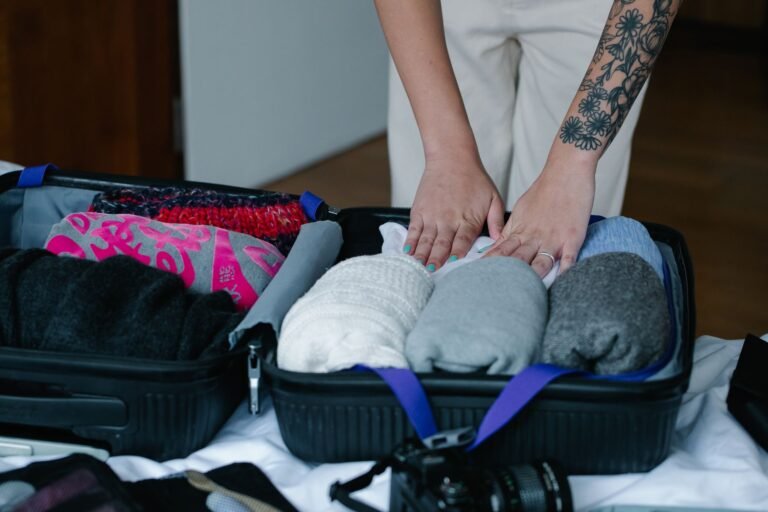
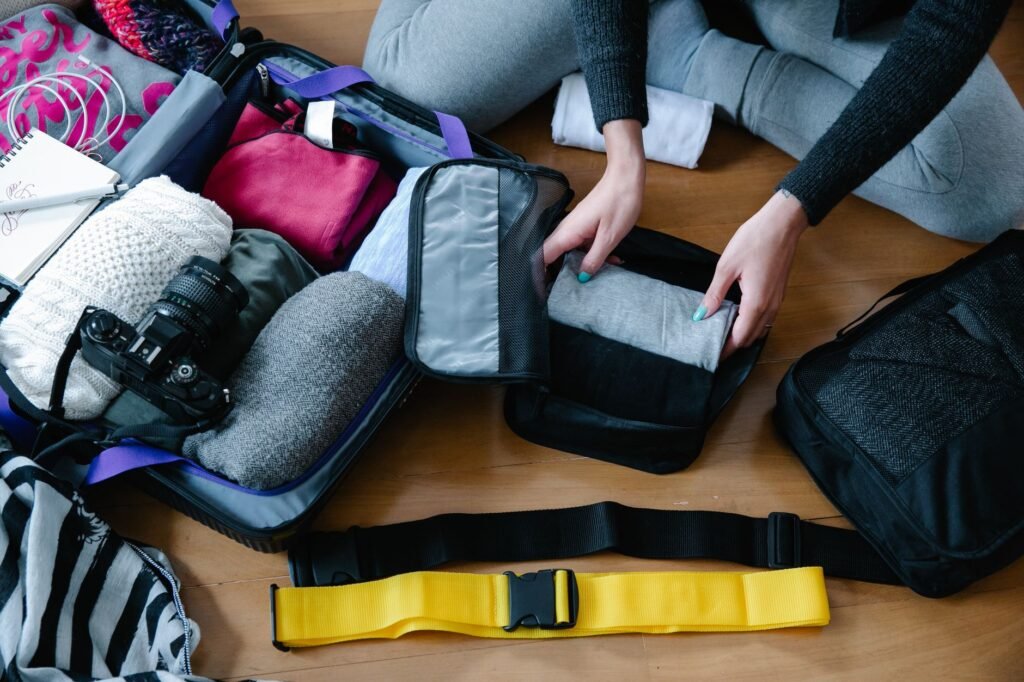
Many travelers swear by the rolling method, which involves rolling clothes tightly instead of folding them. This not only saves space but can also reduce wrinkles. Consider using packing cubes to keep items organized and easily accessible.
Layering for Versatility
Packing clothing that can be layered allows for adaptability to changing weather conditions. For instance, a lightweight top can be worn alone in warm weather or layered with a sweater for cooler evenings. Choosing neutral colors that mix and match can also maximize outfit options.
Utilizing Every Space
Make use of every available space in your luggage. Stuff socks and small items inside shoes, and use the space in your toiletry bag wisely. Consider packing a foldable tote bag that can be used for day trips or as an extra bag on your return journey.
Special Considerations for Specific Types of Travel
Your packing checklist may need to adapt based on the nature of your travel. Here are some specific scenarios to keep in mind:
Business Travel
For business trips, packing may include formal attire, electronic devices, and necessary documents. Consider packing:
- Formal shoes and attire.
- Business cards and presentation materials.
- A portable charger for devices.
Adventure Travel
If your trip involves outdoor activities like hiking, climbing, or water sports, your checklist should include:
- Durable backpacks and hydration systems.
- Specialized gear such as climbing shoes or snorkeling equipment.
- First aid kits and safety gear.
Family Travel
When traveling with family, keep the unique needs of each family member in mind. Your checklist might include:
- Extra clothing and snacks for children.
- Entertainment options such as tablets or books.
- Health and safety essentials like first aid kits and medications.

Last-Minute Packing Tips
As your departure date approaches, ensure you are fully prepared with these last-minute tips:
Double-Check Your Checklist
Go through your packing checklist one last time to ensure you haven’t forgotten anything. This is especially important for travel documents and essential items.
Pack a Day Ahead
If possible, pack your bags the day before your trip. This allows you to make any last-minute changes or adjustments without the stress of packing on the day of your departure.
Leave Room for Souvenirs
When packing, consider leaving some space in your bag for any souvenirs or items you may purchase during your travels. This way, you won’t find yourself in a bind on your return journey.

Understanding Travel Restrictions and Regulations
Customs Regulations
When traveling internationally, it is crucial to be aware of the customs regulations of both your departure and destination countries. Each country has different rules regarding what can be brought in or out, which can affect your packing decisions. For instance, some countries prohibit certain food items, while others may restrict the import of specific electronics or cultural artifacts. To avoid delays at the border, it is wise to research the customs regulations of your destination before you pack.
Here’s a quick list of common items that may have restrictions:
- Food items (fruits, meats, dairy)
- Medicines (prescription drugs, herbal supplements)
- Plants and seeds
- Weapons and sharp objects
- Counterfeit goods
Airport Security Regulations
Airport security regulations can significantly impact how you pack your carry-on luggage. Understanding the Transportation Security Administration (TSA) or equivalent agency’s rules can save you time and hassle at the security checkpoint. For example, liquids must be in containers of 3.4 ounces or less and must fit into a single quart-sized bag. Additionally, items like laptops and larger electronics often need to be removed from your bag for screening.
To make your passage through security smoother, consider these tips:
- Pack your liquids at the top of your suitcase or in an easily accessible pocket.
- Wear shoes that are easy to remove.
- Keep your travel documents handy.
Travel Insurance and Documentation
While not a packing item per se, having the right travel documentation and insurance can significantly enhance your travel experience. Before packing, consider obtaining travel insurance that covers medical emergencies, trip cancellations, and lost luggage. Additionally, ensure all necessary documents, such as passports, visas, and vaccination records, are packed securely and are easily accessible.
Here’s a checklist of essential travel documents:
- Passport and copies
- Visa (if required)
- Travel insurance policy
- Flight itinerary and accommodation confirmations
- Emergency contact information
Smart Packing for Specific Activities
Adventure Travel Packing
If your travel plans involve outdoor activities such as hiking, skiing, or scuba diving, your packing list will need to be tailored to accommodate these adventures. Adventure travel often requires specialized gear that can be bulky and heavy, so it’s essential to choose versatile items that serve multiple purposes. For example, a waterproof jacket can be useful for both hiking and skiing.
Here are some essentials for adventure travel:
- Multi-functional clothing (layers that can be added or removed)
- Durable footwear (hiking boots, water shoes)
- Safety gear (helmets, harnesses, life jackets)
- Portable first aid kit
- Navigation tools (GPS or compass)
Cultural and Religious Considerations
When traveling to countries with specific cultural or religious customs, it is vital to pack items that respect local traditions. This includes clothing that covers the body appropriately, especially in conservative regions. Additionally, packing items that facilitate cultural integration, such as small gifts or local language phrasebooks, can enhance your experience and show respect to the community.
Consider packing the following for cultural sensitivity:
- Appropriate clothing (long sleeves, long pants)
- Gifts for hosts (local snacks or trinkets)
- Language aids (phrasebooks or translation apps)
- Respectful accessories (headscarves or shawls)
Business Travel Essentials
When traveling for work, your packing list will likely differ from that of a leisure trip. It’s essential to maintain a professional appearance while ensuring your business materials are organized and accessible. Invest in a quality business bag that can hold your laptop, important documents, and personal items in a compact manner. Additionally, consider packing business attire that can mix and match to maximize outfit options while minimizing space.
Key items for business travel include:
- Professional clothing (suits, dress shirts, ties)
- Technology (laptop, chargers, portable projectors)
- Stationery (notebooks, pens, business cards)
- Comfort items for long flights (neck pillow, snacks)

Eco-Friendly Packing Strategies
Sustainable Clothing and Gear
As environmental awareness grows, many travelers are looking for eco-friendly packing options. This includes choosing clothing and gear made from sustainable materials or produced by ethical companies. When you select items that are durable and versatile, you reduce the need for frequent replacements, which is beneficial for the planet.
Here’s how you can pack sustainably:
- Opt for clothes made from organic cotton, bamboo, or recycled materials.
- Choose biodegradable toiletries and packaging.
- Use reusable bags instead of single-use plastic.
- Pack a refillable water bottle to reduce plastic waste.
Minimizing Waste While Traveling
Reducing waste while traveling is not only good for the environment but can also help you travel lighter. Consider packing items that can be used multiple times, like a safety razor instead of disposable ones or solid toiletries instead of liquids. Additionally, plan your meals to minimize food waste and consider using local markets to buy fresh produce instead of pre-packaged goods.
Strategies for minimizing waste include:
- Bringing reusable shopping bags for purchases.
- Packing a portable utensil set to avoid single-use cutlery.
- Choosing accommodations that prioritize sustainability.
- Participating in local recycling programs when possible.
Eco-Conscious Travel Accessories
Incorporating eco-conscious accessories into your travel packing can make a significant difference. Look for items that are designed with sustainability in mind, such as solar chargers for devices, biodegradable soap, and eco-friendly sunscreen. These accessories not only serve a practical purpose but also align with your commitment to reducing your environmental impact.
Consider the following eco-friendly travel accessories:
- Solar-powered chargers
- Biodegradable toiletries
- Eco-friendly travel pillows
- Reusable straws and containers
Frequently Asked Questions
What should I include in my travel packing checklist?
Your travel packing checklist should include clothing, toiletries, travel documents, electronics, and any specific items based on your activities and destination.
How do I pack efficiently for a long trip?
For long trips, pack versatile clothing that can mix and match, use packing cubes to organize items, and consider doing laundry on the road to save space.
What are the best packing techniques?
Rolling clothes instead of folding, utilizing packing cubes, and maximizing space by packing small items inside shoes are all effective packing techniques.
How can I avoid overpacking?
Stick to your packing checklist, choose versatile clothing, and consider the activities you’ll be doing. Avoid packing extra items that you may not use.
The Bottom Line
A well-prepared travel packing checklist is an essential tool for any traveler. By understanding your destination, creating a tailored checklist, and employing efficient packing techniques, you can ensure a smooth and enjoyable travel experience. Remember to pack light, stay organized, and most importantly, enjoy your journey.
Visa rules, prices and opening times change. Always confirm details with official sources before you travel.