
Uluru Falls Australia Rain: Nature’s Breathtaking Transformation
Discover the stunning Uluru Falls in Australia during the rain, exploring best times to visit, tips, and what to expect from this unique natural phenomenon.
Uluru, also known as Ayers Rock, is one of Australia’s most iconic natural landmarks, drawing travelers from all over the world. When the rain falls, the area transforms into a breathtaking spectacle, particularly at Uluru Falls. This article provides a comprehensive guide on experiencing Uluru Falls during the rain, covering the best times to visit, practical tips, and the unique beauty that rain brings to this sacred site.
Located in the heart of the Northern Territory’s Red Centre, Uluru is not just a rock; it is a place of deep cultural significance to the Anangu people, the traditional custodians of the land. When rain graces this arid landscape, it creates a rare opportunity to witness the majestic waterfalls cascading down Uluru, a sight that can be both fleeting and mesmerizing.
For those curious about visiting Uluru Falls Australia rain, this guide will equip you with everything you need to know for an unforgettable experience.
Understanding Uluru’s Climate
Uluru’s climate is predominantly arid, characterized by hot summers and mild winters. Rainfall is sporadic, typically occurring during the summer months from December to February. Understanding the climate is crucial for planning your visit to experience the falls in their full glory.
Rainfall in Uluru can vary greatly from year to year. On average, the region receives about 300 millimeters of rain annually, with most of it concentrated in the summer months. However, even a brief shower can bring life to the parched earth, leading to temporary waterfalls and vibrant flora.
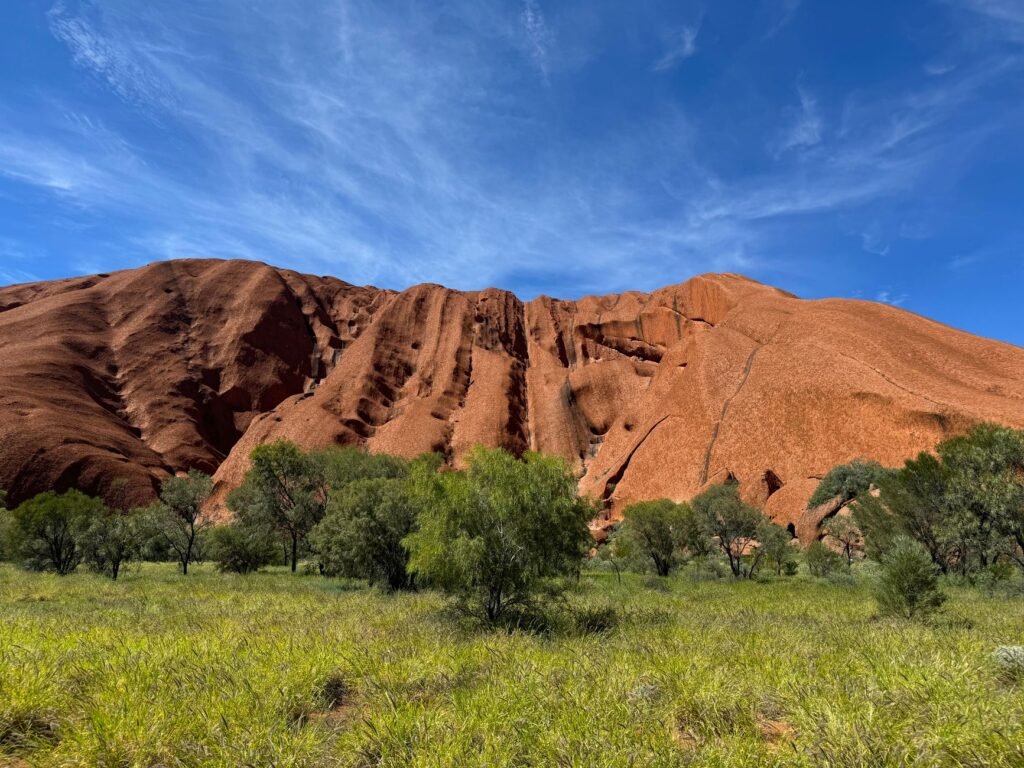
The best time to catch Uluru Falls in action is immediately after or during a rain event. During these periods, visitors can witness water flowing off the rock face, creating stunning waterfalls that cascade into the surrounding landscape. It is essential to stay updated on weather forecasts before your trip, especially if you aim to see the falls in their prime.
Best Times to Visit Uluru Falls
The optimal time to visit Uluru Falls is during the Australian summer months, specifically from December to February. This is when rain is most likely to occur, and the chance of witnessing waterfalls is at its peak. Additionally, early mornings or late afternoons following a rainfall can provide the most dramatic lighting for photography, with rainbows often appearing in the mist.
Here are some specific considerations to keep in mind when planning your visit:
- Check the local weather: Utilize weather apps or local news outlets to track rainfall patterns leading up to your visit. This will help you target days with higher chances of rain.
- Consider the crowd: Summer is a popular time for tourists, but rain can deter some visitors. If you prefer fewer crowds, aim for weekdays when rain is forecasted.
- Plan for flexibility: Weather conditions can change rapidly. Be prepared to adjust your itinerary to capitalize on sudden rainfall.
How to Get to Uluru Falls
Reaching Uluru Falls involves a journey to the Uluru-Kata Tjuta National Park. The nearest major town is Alice Springs, located about 450 kilometers away. Here are the most common ways to get there:
- By Air: Ayers Rock Airport (Connellan Airport) offers regular flights from major Australian cities like Sydney, Melbourne, and Adelaide. From the airport, you can rent a car or join a guided tour to Uluru Falls.
- By Road: Driving from Alice Springs to Uluru takes approximately 4.5 hours. The scenic drive along Lasseter Highway showcases stunning outback landscapes, making the journey itself a memorable experience.
- Guided Tours: Various operators offer guided tours that include transportation and expert commentary about the area’s history and culture. This option is ideal for those who prefer not to drive.

What to Expect at Uluru Falls
When rain falls in Uluru, visitors can expect an array of natural phenomena that showcase the area’s beauty. The waterfalls, which are often temporary, can vary greatly depending on the amount of rain received.
Here’s what to anticipate:
- Waterfalls: The most significant draw during rain is the waterfalls that flow off Uluru. These can range from a gentle trickle to a powerful cascade, depending on the rainfall. The sight and sound of water rushing down the rock face create a serene atmosphere.
- Flora and Fauna: Rain transforms the desert landscape, bringing flowers to bloom and wildlife to life. Look for unique plant species and the chance to spot kangaroos, wallabies, and various bird species thriving in the refreshed environment.
- Cultural Significance: For the Anangu people, the rain and the resulting waterfalls hold cultural importance. Visitors are encouraged to respect this heritage and engage with local guides to learn more about the spiritual significance of Uluru.
Practical Tips for Visiting Uluru Falls
Visiting Uluru Falls, especially during the rain, requires some practical considerations to ensure a safe and enjoyable experience.
Here are key tips:
- Wear Appropriate Clothing: Dress in layers, as temperatures can fluctuate significantly. Waterproof jackets and sturdy footwear are advisable, especially if you plan to hike near the waterfalls.
- Stay Hydrated: Even during rainy periods, the heat can be intense. Carry sufficient water with you to stay hydrated throughout your visit.
- Safety First: Be cautious near slippery surfaces and obey all park guidelines. If you hear thunder, seek shelter immediately, as storms can develop quickly.

Photography at Uluru Falls
For photography enthusiasts, Uluru Falls offers a stunning backdrop for capturing nature’s beauty. To make the most of your photography session, consider the following tips:
- Golden Hour: The best times for photography are early morning or late afternoon when the sun is low, providing soft lighting that enhances the colors of Uluru and the surrounding landscape.
- Water Reflections: After rainfall, puddles form in the surrounding areas. Use these reflections creatively in your shots to add depth and interest.
- Include Local Wildlife: Capture images of the unique flora and fauna that thrive in this environment. Be patient and observant to catch wildlife in their natural habitat.

The Cultural Significance of Uluru Falls
Uluru Falls is not just a natural wonder; it holds profound cultural significance for the Indigenous Anangu people. The area is steeped in stories and traditions that have been passed down for generations, making it a site of great reverence.
Indigenous Legends and Stories
The Anangu people have a rich tapestry of stories associated with Uluru and its surrounding landscape. These tales often explain the creation of natural features and the wildlife that inhabit the region. For instance, certain rock formations are said to represent ancestral beings who shaped the land. Visitors are encouraged to engage with local guides to learn these narratives, which offer deeper insights into the area’s significance.
Respecting Cultural Practices
- Participate in guided walks led by Indigenous rangers.
- Follow the guidelines regarding photography, especially in sacred sites.
- Learn about the correct etiquette for interacting with the land and its custodians.
Respect for the Anangu culture is paramount when visiting Uluru Falls. This includes adhering to local customs, such as not climbing Uluru, which the Anangu people request visitors avoid. Understanding and respecting these practices enhances the experience and honors the connection between the land and its original inhabitants.
Art and Expression
The cultural expression of the Anangu people is vividly displayed through art, which often tells stories of their connection to the land. Visitors can explore galleries that feature traditional and contemporary Indigenous art. Engaging with this art form provides a unique perspective on how the Anangu view their environment and its transformation during the rainy season. Local workshops also allow tourists to learn traditional techniques, fostering a deeper connection to the landscape.
Ecological Impact of Seasonal Rainfall on Uluru Falls
The seasonal rains have a significant impact on the ecology of Uluru Falls. This transformation creates a dynamic environment that supports a diverse range of flora and fauna, making it a vital area for ecological study.
Flora: The Burst of Life
After the rains, the landscape around Uluru Falls undergoes a remarkable transformation. Various plant species bloom, creating a vibrant tapestry of colors. Grasses, wildflowers, and shrubs thrive in this period, attracting insects and providing food for larger animals. Some notable species include:
- Spinifex Grass
- Desert Pea
- Acacia Trees
These plants play a crucial role in the ecosystem, stabilizing the soil and providing habitats for various wildlife species. Understanding this ecological impact can enhance the visitor experience, as you can appreciate the life cycles taking place around you.
Fauna: A Seasonal Awakening
The rains also herald the arrival of many animal species that may be dormant during drier periods. Birds, reptiles, and mammals become more active, taking advantage of the newly available resources. Some of the fauna you might encounter include:
- Thorny Devil (Moloch horridus)
- Western Bowerbird (Chlamydera guttata)
- Red Kangaroo (Macropus rufus)
Birdwatching during the rainy season can be particularly rewarding as migratory species arrive, creating a lively atmosphere. Understanding these patterns can help you plan your visit to coincide with peak wildlife activity.
Conservation Efforts and Challenges
The unique ecosystem surrounding Uluru Falls faces various challenges, including climate change and invasive species. Conservation efforts are in place to protect this biodiversity. These efforts include:
- Regular monitoring of native species populations.
- Control of invasive species that threaten local flora and fauna.
- Education programs for visitors to promote ecological awareness.
By participating in or supporting these conservation initiatives, visitors can play a role in preserving the natural beauty and ecological integrity of Uluru Falls for future generations.

Adventure Activities at Uluru Falls
For those looking to add a bit of adventure to their visit, Uluru Falls offers a variety of activities that allow you to engage with the landscape in exciting ways. From hiking to guided tours, there are options for every level of adventurer.
Hiking Trails
Several trails around Uluru Falls cater to both novice and experienced hikers. These trails provide not only a workout but also an opportunity to immerse yourself in the stunning surroundings. Some popular trails include:
- The Base Walk: A 10.6 km loop that takes you around the base of Uluru.
- The Valley of the Winds Walk: A more challenging 7.4 km circuit through Kata Tjuta.
- The Mutitjulu Waterhole Walk: A shorter, easy 1 km walk that leads to a beautiful waterhole.
Each trail offers unique perspectives and experiences, with interpretive signs providing information about the local ecology and cultural significance. Ensure you wear appropriate footwear and carry water, especially during warmer months.
Guided Tours and Experiences
Joining a guided tour can enhance your understanding of the area. Many local companies offer experiences ranging from cultural walks to stargazing sessions. These tours often include:
- Insights from knowledgeable Indigenous guides.
- Access to less-traveled areas of Uluru Falls.
- Unique experiences like traditional bush tucker tastings.
Participating in these tours allows you to connect with the landscape and its history on a deeper level, enriching your overall visit.
Adventure Sports
For thrill-seekers, Uluru Falls also offers opportunities for more adrenaline-pumping activities. Options include:
- Helicopter Tours: Experience breathtaking aerial views of Uluru and Kata Tjuta.
- Abseiling: For the adventurous, some companies offer guided abseiling experiences on the rock faces.
- Mountain Biking: Explore the rugged terrain on a mountain bike, with rental options available.
These activities provide a unique way to experience the beauty of Uluru Falls, allowing visitors to see the landscape from different perspectives and create unforgettable memories.
Frequently Asked Questions
What is the best time of year to see Uluru Falls?
The best time to see Uluru Falls is during the summer months from December to February, when rain is most likely to occur.
Can you hike to Uluru Falls?
Yes, there are walking trails around Uluru that allow visitors to reach viewpoints overlooking the falls. Always check local guidelines and follow marked paths.
Are there any entry fees to the national park?
Yes, there is an entry fee to Uluru-Kata Tjuta National Park, which helps maintain the park and its facilities. Passes can be purchased at the park entrance.
Is it safe to visit Uluru during storms?
While it’s generally safe to visit, avoid being outdoors during storms. Follow safety guidelines and seek shelter if storms develop.
The Bottom Line
Experiencing Uluru Falls during the rain offers a magical glimpse of nature’s beauty in one of Australia’s most iconic locations. By planning your visit during the rainy season, taking practical safety measures, and respecting the cultural significance of the area, you’ll create lasting memories at this remarkable site.
Visa rules, prices and opening times change. Always confirm details with official sources before you travel.