Asia is one of the most rewarding and diverse regions to explore. From the islands of Indonesia and the temples of Thailand to the mountain trails of Nepal and the neon-lit streets of Tokyo, the continent offers endless adventure for travelers with every type of budget. What surprises many first-time visitors is just how affordable a journey across Asia can be with careful planning and smart decisions.
This guide takes you through practical strategies, from minimizing transportation costs and finding low-cost accommodation to eating like a local and discovering free cultural experiences that reveal the soul of each destination. Whether you are planning a few weeks in Southeast Asia or a longer journey across multiple countries, this article will equip you with everything you need to travel Asia on a budget without compromising comfort or experience.
Planning Your Trip and Setting a Realistic Budget
Successful budget travel in Asia begins long before your plane touches down. The region’s vast scale means that prices and infrastructure can vary dramatically from country to country, so understanding your route and setting realistic expectations will save both time and money.
Choose Affordable Destinations
While some parts of Asia are known for luxury and technology, others cater perfectly to budget travelers. Countries such as Vietnam, Laos, Cambodia, and Indonesia offer remarkable value where food, transport, and lodging are significantly cheaper than in major Asian hubs.
- Southeast Asia is ideal for extended, low-cost travel with hostels, guesthouses, and street food markets everywhere.
- South Asia, particularly Nepal and India, allows long stays with a mix of heritage and adventure on a modest budget.
- East Asia, including Japan or South Korea, tends to be pricier but still manageable with budget transport passes and well-organized public facilities.
Travel Slowly
One of the most powerful ways to save money is to slow down. Constant movement between cities and countries adds flight, bus, and visa costs. Staying longer in one place allows discounted accommodations, local friendships, and deeper cultural understanding.
Budget Planning Basics
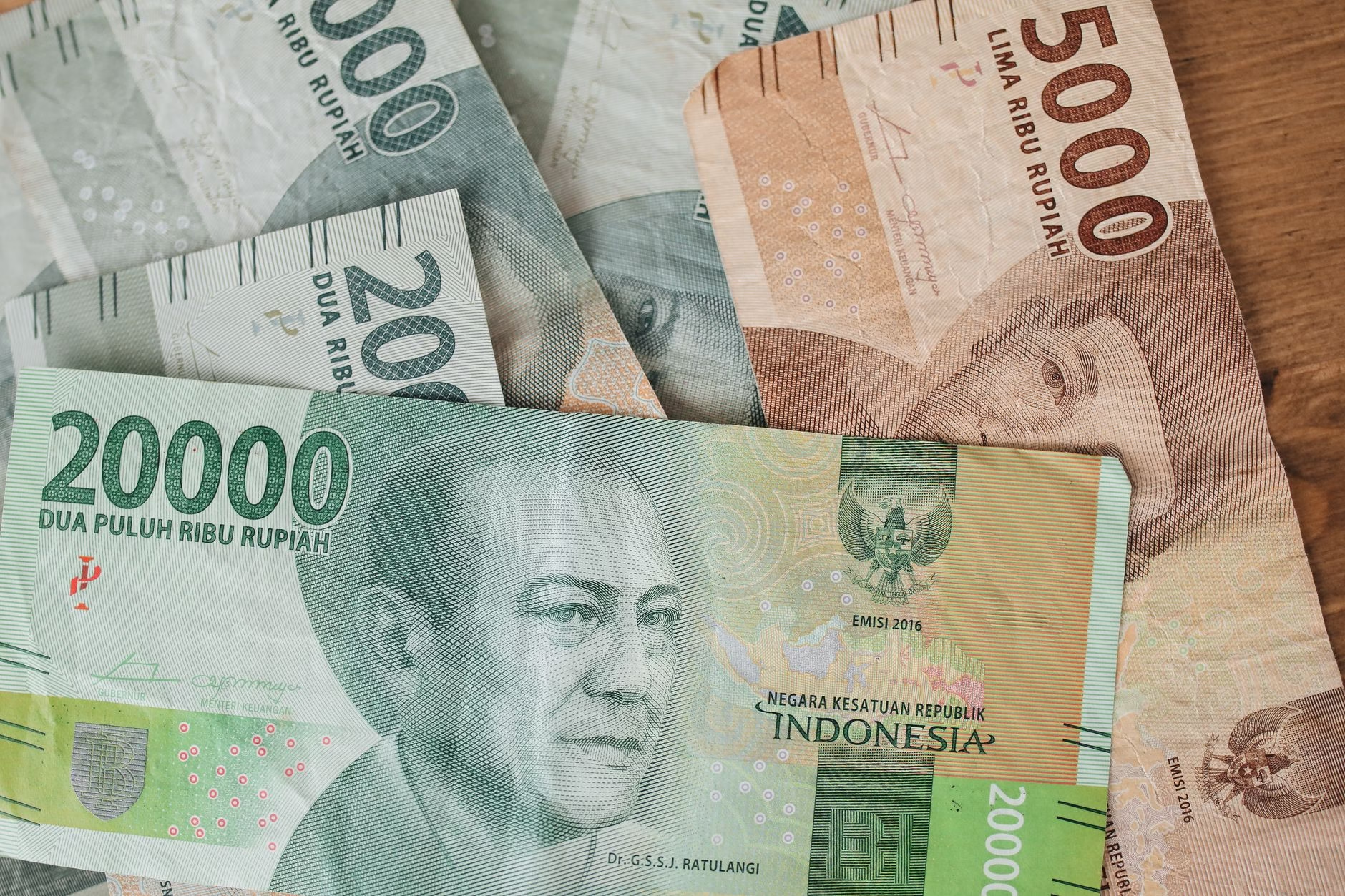
Estimate your daily spending needs for accommodation, food, transport, and experiences. A well-organized traveler keeps a simple spreadsheet or budgeting app and sets aside a small emergency fund. Many Asian countries are cash-based, so having access to local currency or reliable ATMs is essential.
Saving Money on Flights and Transportation
Transportation often forms the largest part of travel expenditure, but there are several effective ways to keep costs low while moving across Asia.
Find Affordable Flights
Book flights well in advance and use price comparison tools that track discounts offered by low-cost carriers such as AirAsia, Scoot, or VietJet Air. Flying mid-week instead of weekends and traveling light with only carry-on luggage can reduce costs significantly.
Use Local and Overland Travel
Once within Asia, buses, trains, and ferries are remarkably inexpensive and often provide a more authentic experience. In countries like Thailand or India, sleeper trains and overnight buses save both accommodation and transportation expenses.
In smaller places such as Laos or the Philippines, travelers often share minivans or local boats to reach hidden destinations at very reasonable prices.
Utilize Rail and Transport Passes
Japan’s rail networks or Korea’s train systems offer travel passes that can be cost-effective for long distances. Buying regional airline passes or flexible multi-trip tickets also helps if you plan to cover several destinations within a limited period.
Finding Affordable Accommodation Without Sacrificing Comfort
Accommodation represents another area where Asia excels in value. Whether you prefer social hostels, boutique guesthouses, or family-run homestays, the region offers incredible options for every traveler.
Stay Where Locals Stay
Instead of relying solely on international hotel chains, explore local guesthouses or smaller hotels that serve both domestic and visiting travelers. These establishments often provide better cultural immersion, home-cooked meals, and localized advice.
Consider Hostels and Shared Stays
The hostel culture in Asia is strong, especially in backpacker hubs such as Chiang Mai, Hanoi, and Bali. Modern hostels often come with private rooms, air conditioning, and coworking areas at a fraction of hotel prices.
Try Volunteering or Work Exchange
Several programs connect travelers with local families or businesses in exchange for accommodation and meals. Opportunities can include teaching English, helping with eco-projects, or assisting in hostels. This approach extends your travel time while offering meaningful interaction with local communities.
Eating Like a Local for Delicious and Budget-Friendly Meals
Asian cuisine is a highlight of traveling the continent and one of the easiest ways to keep expenses low. The street food culture, night markets, and family-owned eateries offer incredible quality at very affordable prices.
Street Food as a Culinary Adventure
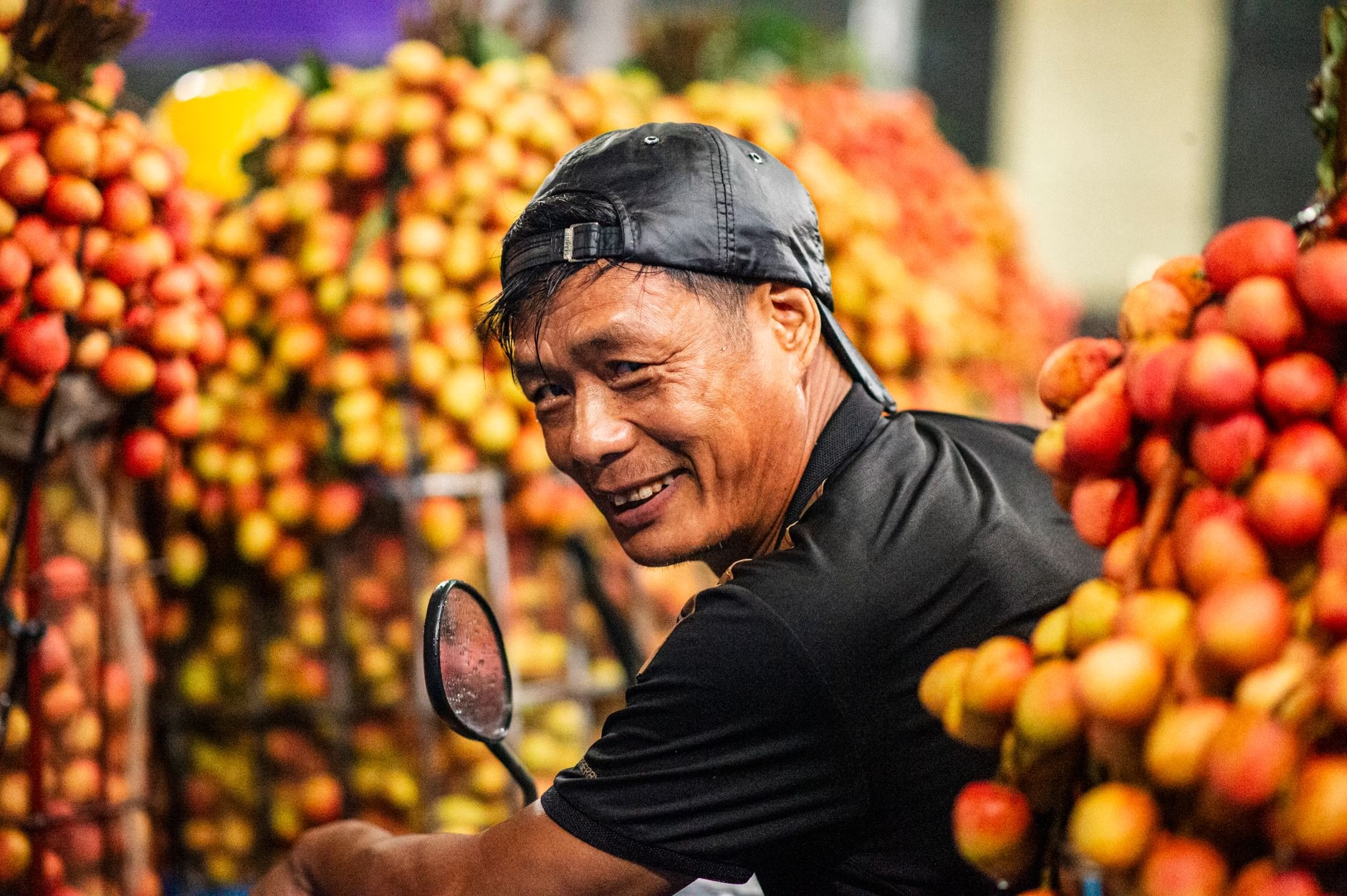
Countries like Thailand, Vietnam, and Malaysia have perfected the art of street dining. For only a few dollars, you can feast on noodle soups, grilled skewers, fresh tropical fruits, and regional specialties cooked before your eyes.
To stay safe and healthy, follow locals to the busiest stalls, look for freshly cooked dishes, and keep an eye on cleanliness.
Explore Local Markets
Morning and night markets not only offer budget meals but also give glimpses into local life. Visiting a local market is a cultural experience that reveals ingredients, seasonal produce, and daily customs.
Avoid Tourist-Heavy Restaurants
Restaurants near major attractions or airport areas usually price dishes for short-term visitors. A few streets away, hidden eateries serve the same, or better, food at half the price.
Free and Low-Cost Experiences Worth Seeking
Experiencing Asia’s culture, spirituality, and landscapes does not require a large budget. Many of the region’s most memorable activities are either free or very affordable.
Engage with Local Culture
Temples, public gardens, and traditional festivals are often open to visitors at little or no cost. In places such as Myanmar or Nepal, respectful visits to communities provide educational and heartwarming exchanges.
Enjoy Natural Attractions
Asia’s natural diversity is breathtaking. Trekking through rice terraces in northern Vietnam, relaxing on free-access beaches in the Philippines, or hiking to waterfalls in Thailand all offer remarkable moments without costly entrance fees.
Take Advantage of Free City Activities
Many major cities such as Bangkok, Kuala Lumpur, and Taipei organize free walking tours led by knowledgeable local guides. These tours are an excellent introduction to city culture and history in exchange for a small tip if you choose.
Managing Money Wisely and Staying Connected
Financial management can make or break a budget trip, especially when crossing multiple borders.
Use Local Payment Methods
Withdrawing money from local ATMs usually offers better rates than airport exchanges. However, avoid frequent withdrawals due to banking fees. Always carry small bills since many smaller establishments and local transport systems accept only cash.
Stay Connected Economically
Buying local SIM cards rather than international data plans will save considerably. Many countries in Asia provide excellent prepaid options with generous data packages. Being connected helps you find directions, book tickets, and manage your budget in real time.
Embrace Travel Insurance
While it may feel like an added cost, travel insurance is vital for unexpected medical issues or cancellations. Choose a policy that specifically covers long-term travel and adventure activities common in Asia.
Smart Souvenir Shopping and Ethical Spending
Shopping in Asian markets can be both fun and economical, but it pays to be mindful. Bargaining is a part of the culture in many regions, but fairness and respect are key. Understand that many sellers rely on tourism as their main income source.
Support Local Artisans
Buy handcrafted items directly from makers rather than imported souvenirs sold in malls. This keeps your spending within the community and ensures more authentic keepsakes.
Learn Basic Negotiation Etiquette
In countries like Indonesia or Vietnam, polite bargaining is expected. Smile, ask for prices gently, and agree on a rate that leaves both sides happy. True budget travel values experience over saving a few coins.
Final Thoughts: Experiencing Asia Without Overspending
Traveling Asia on a budget does not mean traveling cheaply in spirit. It means traveling thoughtfully, with curiosity and respect for the people and places you encounter. The continent rewards those who slow down, observe, and dive into daily life.
By prioritizing local connections, embracing public transport, savoring street food, and seeking authentic experiences over luxury comforts, you will discover how surprisingly accessible Asia can be. You may spend less, but you will return with far richer stories and insights that no five-star trip could ever offer.
With a bit of flexibility, research, and open-mindedness, budget travel across Asia becomes not just possible but deeply fulfilling.
Further Reading
3 Day Istanbul Itinerary for First Time Visitors
Travel to Somalia; How I Traveled to Mogadishu
Free Family Things to do in Chicago Today
How to Spend Four Days in Hong Kong