Cyprus Travel Guide for Tourists
Introduction
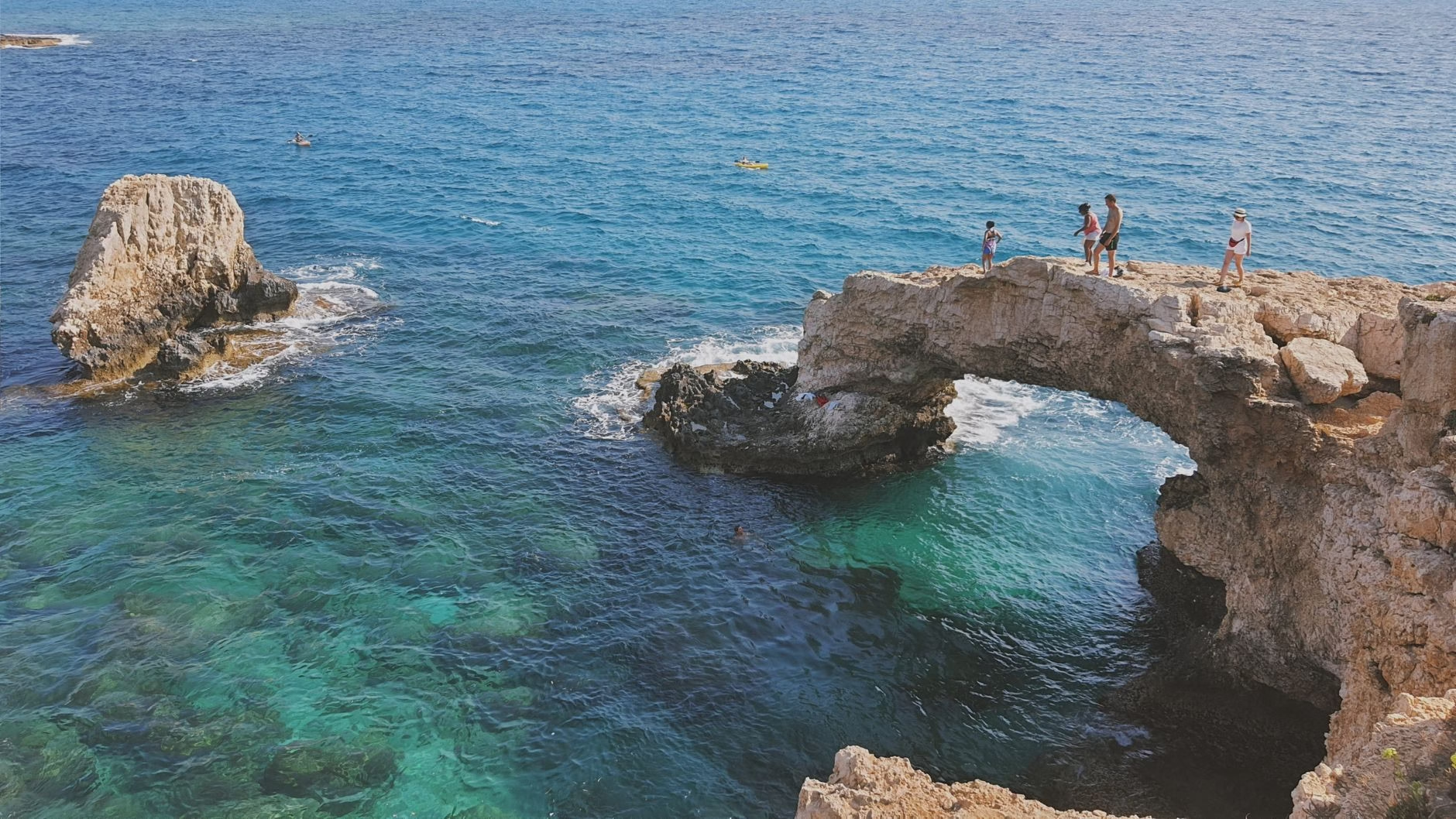
Sun-drenched beaches, ancient ruins, charming mountain villages, and a cuisine that can rival any in the Mediterranean. Cyprus is a travel gem, effortlessly blending history, nature, and modern coastal life. Whether you dream of floating in crystal-clear waters, exploring mystical archaeological sites, or sipping strong Cypriot coffee in a shaded courtyard, this island offers every ingredient for an unforgettable journey.
- Know Cyprus is divided; most visitors fly into Larnaca or Paphos and can explore both Greek and Turkish sides with a passport.
- Prioritize highlights: Nicosia's Venetian walls, Paphos archaeological park and Aphrodite's Rock, Limassol marina, and Troodos mountain villages.
- Plan logistics: rent a car to explore, visit in spring or autumn for mild weather, dress modestly at religious sites, and enjoy local meze.
This detailed Cyprus travel guide will help you navigate the island’s top attractions, understand its unique culture, and plan the trip that fits your travel style. You will find insider tips, practical advice, and thoughtful suggestions to make the most of your time, whether you are traveling for relaxation, adventure, or historical discovery.
Understanding Cyprus: A Country of Layers
Cyprus sits in the eastern Mediterranean, at the crossroads of Europe, Asia, and Africa. This geographical position has shaped its character for thousands of years, leaving behind a fascinating blend of Greek, Turkish, and Middle Eastern influences.
The island is divided into the Republic of Cyprus in the south and the Turkish Republic of Northern Cyprus, which is recognized only by Turkey, in the north. Most travelers visit the southern region, where international flights arrive at Larnaca and Paphos airports, but exploring both sides reveals more of the island’s complex identity.
English is widely spoken, driving is on the left, and the local currency is the euro. The Mediterranean climate ensures warm weather from April through October, making Cyprus an excellent year-round getaway.
Top Destinations in Cyprus
Nicosia: The Divided Capital
Nicosia, or Lefkosia, is the world’s last divided capital city, offering a fascinating look at modern Cypriot life and its history. Within its Venetian walls, you can wander narrow lanes, admire Ottoman and colonial architecture, and enjoy cultural contrasts at every turn.
- Visit the Cyprus Museum, home to ancient artifacts that trace the island’s history back to the Neolithic period.
- Cross the Green Line, the UN buffer zone, to explore both the Greek Cypriot and Turkish Cypriot sides. Bring your passport for the border crossing.
- Enjoy local cuisine at family-run tavernas like Piatsa Gourounaki, known for grilled meats and meze plates.
Paphos: The Mythical Heart of the Island
Paphos, located on the southwest coast, is rich in mythology and archaeological wonders. According to legend, it was the birthplace of Aphrodite, the goddess of love.
- Explore the Paphos Archaeological Park, a UNESCO World Heritage Site with spectacular Roman mosaics.
- Visit Petra tou Romiou, also known as Aphrodite’s Rock, where the goddess is said to have emerged from the sea.
- Stroll along the Paphos harbor, filled with lively restaurants and fishing boats, perfect for sunset dining.
Limassol: Cosmopolitan Vibes and Beachfront Luxury
Limassol is a blend of modern energy and coastal relaxation. Its palm-lined promenade and stylish marina attract both locals and international visitors.
- Explore Limassol Castle, a medieval fortress in the old town, surrounded by trendy cafes and boutiques.
- Relax at the city’s beaches, including Lady’s Mile and Governor’s Beach, known for their calm waters.
- Discover the Kourion Archaeological Site, set on a clifftop with panoramic views of the Mediterranean.
Larnaca: Gateway to the Island
Larnaca is often the first stop for many travelers thanks to its international airport, but it’s much more than a gateway city.
- Stroll along Finikoudes Beach, a palm-fringed promenade lined with restaurants and bars.
- Visit the Church of Saint Lazarus, an architectural masterpiece from the ninth century.
- Explore the Salt Lake, where flamingos gather in winter, creating a breathtaking natural spectacle.
The Troodos Mountains: A Hidden Cyprus
Away from the coast, the Troodos Mountains reveal a different side of Cyprus. This region is home to pine forests, ancient monasteries, waterfalls, and charming stone villages.
- Visit Omodos and Lefkara, both known for handmade lace, local wine, and cobblestone alleys.
- Hike Mount Olympus, the highest peak on the island, offering several scenic trails.
- Tour the painted churches, UNESCO sites famous for their Byzantine frescoes.
Cultural Experiences and Local Life
Cyprus is a melting pot of traditions. Its culture is best experienced through its food, festivals, and interactions with the locals.
- Sample the cuisine: Cypriot meze is a must, featuring small plates of halloumi, souvlaki, grilled vegetables, and fresh bread. Pair your meal with local wines from the Limassol region.
- Enjoy the local pace of life: Cypriots are warm and hospitable, taking great pride in sharing their home. Slow down, chat with locals at a coffee shop, and embrace the relaxed Mediterranean rhythm.
- Join local festivals: The Limassol Carnival and Kataklysmos (Festival of the Flood) are lively celebrations filled with music, dancing, and parades.
Practical Travel Advice
To make your trip to Cyprus smooth and enjoyable, planning a few practical details can make all the difference.
Getting Around
Public transport connects major cities, but to fully explore rural and coastal areas, renting a car is strongly recommended. Roads are well maintained, and signs are in English.
When to Visit
- Spring and Autumn: Ideal for hiking, sightseeing, and comfortable temperatures.
- Summer: Perfect for swimming and beach resorts, though it can be very hot inland.
- Winter: A quieter season with mild weather and occasional snow in the Troodos Mountains, ideal for cultural exploration.
Local Etiquette
Dress modestly when visiting churches or monasteries. Greeting with a friendly “Yia sou” (hello) is appreciated, and tipping is customary at restaurants.
Where to Stay
- Luxury Seekers: Amara Hotel in Limassol and Anassa Resort near Polis offer world-class comfort and seaside serenity.
- Mid-Range Travelers: Choose boutique hotels in Paphos or locally run villas around Omodos village.
- Budget Travelers: Hostels in Nicosia and guesthouses in the Troodos Mountains provide affordable stays with authentic local charm.
Final Thoughts
Cyprus is far more than a sun destination. It is a living museum of civilizations, a paradise for outdoor enthusiasts, and a haven for those who prefer slow, meaningful travel. From the golden beaches of Paphos to the tranquil vineyards of the Troodos Mountains, every part of Cyprus tells a story waiting to be discovered.
Whether you are visiting for a week or a month, take time to explore beyond the obvious attractions. Wander through mountain villages, share a meal with locals, and watch the sunset from the shoreline. In doing so, you will uncover the real heart of Cyprus.
Further Reading
3 Day Istanbul Itinerary for First Time Visitors
Travel to Somalia; How I Traveled to Mogadishu