Introduction: Discover Europe Without Draining Your Wallet
Europe has long been the dream destination for travelers across the world. Its combination of incredible scenery, centuries of history, rich culture, and mouthwatering food makes it irresistible. Yet many believe that traveling across Europe requires a hefty budget. The truth is, with smart planning, flexibility, and local insight, exploring Europe on a budget is absolutely possible.
- Plan your itinerary to match budget and travel style; mix expensive cities with cheaper regions to stretch funds without sacrificing experience.
- Travel in shoulder or off season for lower prices, nicer weather, and smaller crowds; consider winter for festive markets.
- Use trains and rail passes, budget buses, and low cost airlines; book regional trains and flights early to save and avoid fees.
- Choose affordable stays like modern hostels, short term rentals, homestays, or house sitting to cut costs and meet locals.
- Use travel debit cards, withdraw from reputable ATMs, track spending daily, and buy local SIMs to minimize fees and roaming costs.
In this detailed budget travel guide to Europe, we will explore how to travel affordably while still enjoying authentic experiences in some of the continent’s most captivating regions. You will learn how to plan your itinerary, save money on transportation, uncover affordable accommodation options, dine like a local without breaking the bank, and make the most of free or low cost attractions. Whether you are embarking on a long backpacking trip or a short but meaningful getaway, this guide will help you explore Europe fully while keeping your expenses in check.
Planning Your Budget Friendly European Adventure
Proper planning is the greatest ally of a smart traveler. Before booking flight tickets or dreaming of croissants in Paris, take time to build an itinerary that aligns with your budget and travel style.
1. Choose your destinations wisely
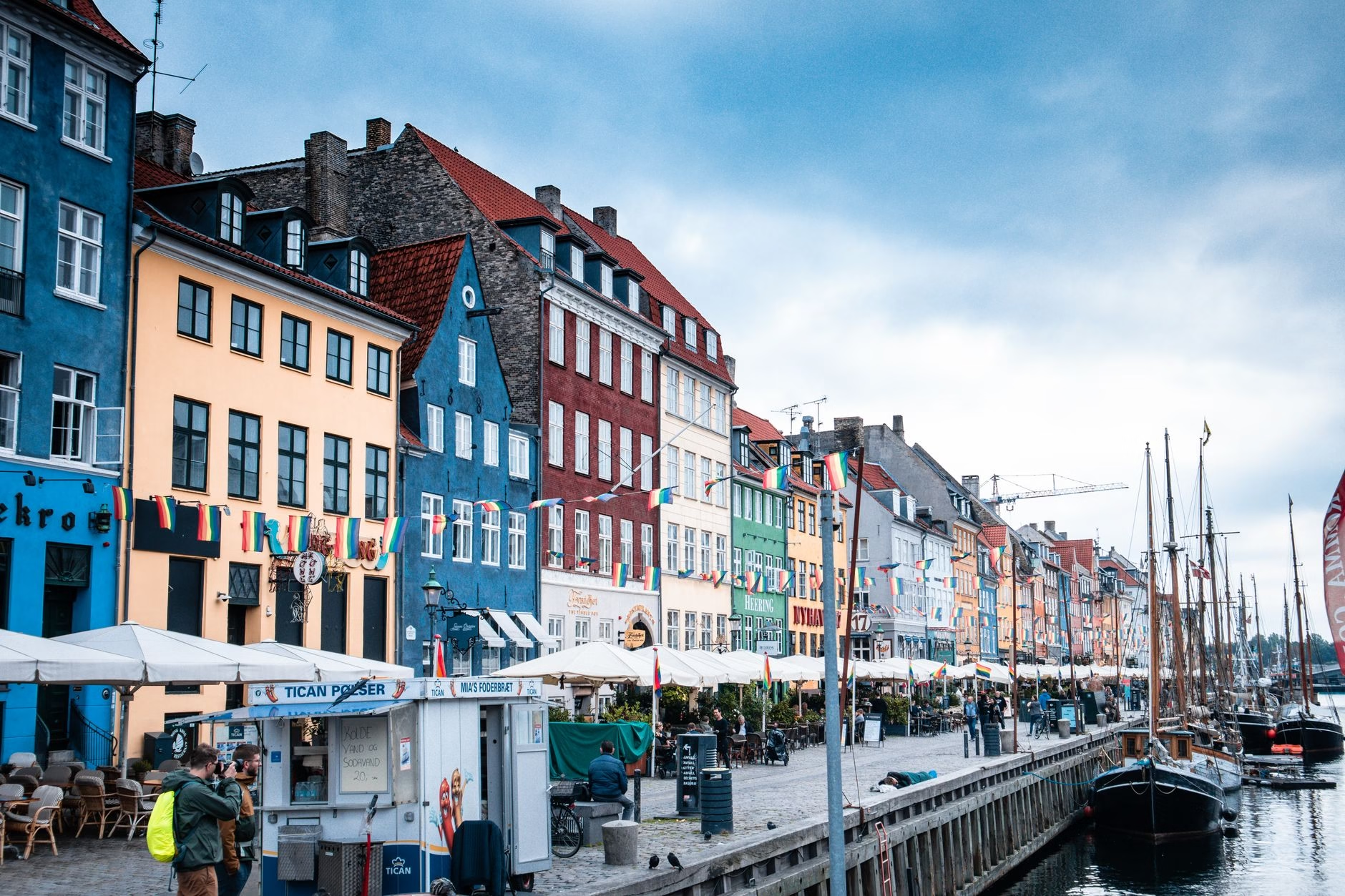
Europe is diverse not just in culture but also in cost. Countries in Western and Northern Europe like France, Switzerland, and Norway tend to be more expensive, while those in Eastern and Southern Europe such as Hungary, Poland, Portugal, and Greece are typically more affordable. To stretch your budget, mix destinations with different average prices. Spending a few days in an expensive city balanced by time in a cheaper region helps your funds go further without compromising your overall experience.
2. Travel in the shoulder or off season
Visiting during spring or autumn allows you to enjoy pleasant weather, smaller crowds, and significantly lower prices on flights and hotels. Winter can also be attractive, especially if you enjoy festive markets and snow covered scenery, though certain areas may have limited transport connections.
3. Use budget friendly tools
Research costs using online calculators and price comparison websites. Apps like Rome2Rio and Omio help estimate transportation expenses, while Skyscanner or Google Flights track airfares efficiently. Setting alerts and flexibility with departure dates can lead to substantial savings.
Getting Around Europe on a Budget
Europe offers one of the world’s most extensive transportation networks. While it is easy to move between countries, knowing how to do so economically can save you hundreds of euros.
1. Trains and rail passes
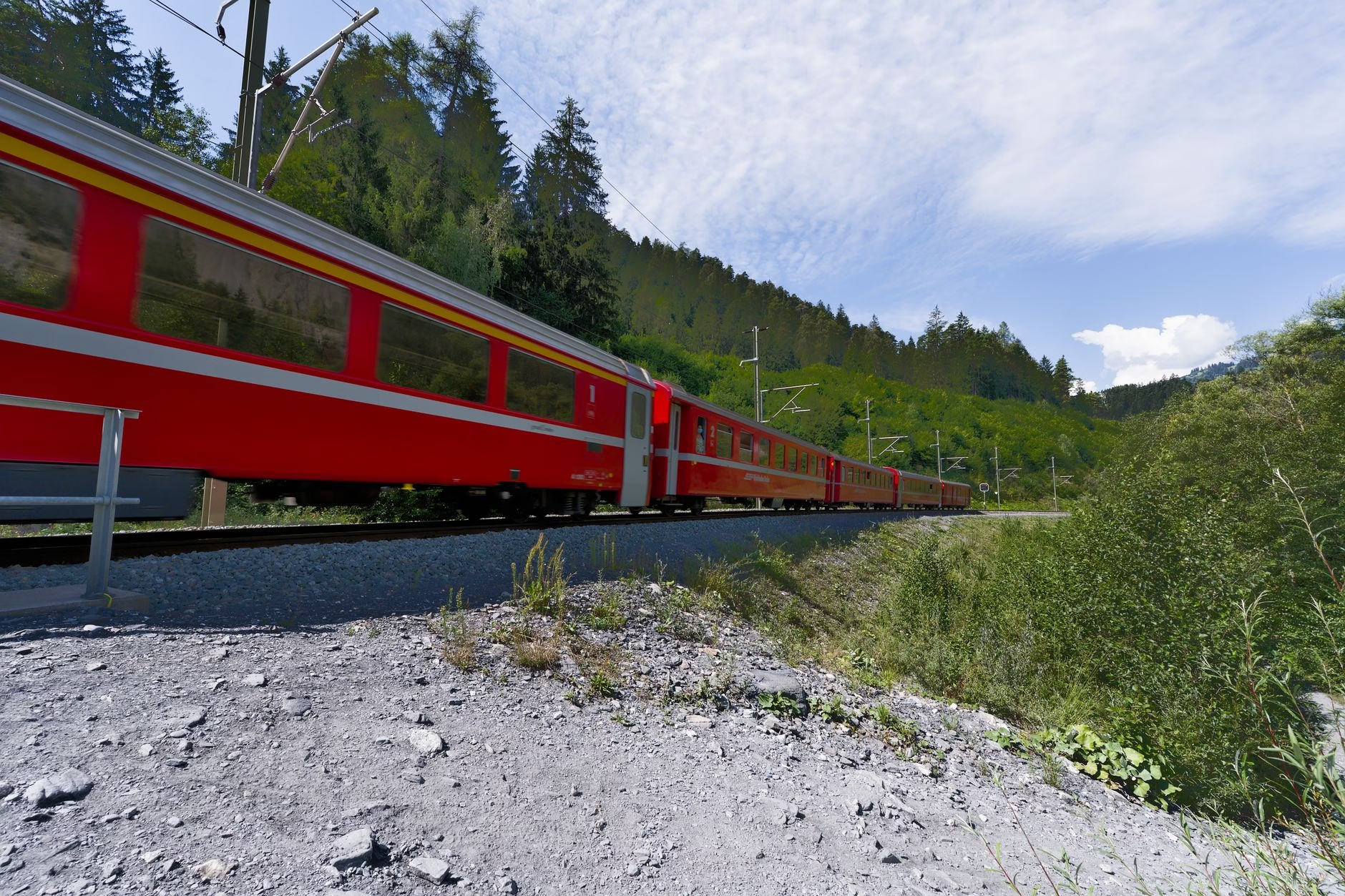
Train travel is often the most scenic way to explore Europe. For travelers planning extensive routes, the Eurail Pass (or Interrail for EU citizens) is worth exploring. It provides flexible travel across multiple countries at a fraction of the cost of individual tickets. Booking regional trains in advance, particularly in high demand countries such as Italy, France, or Germany, can reduce costs further.
2. Buses and budget airlines
Low cost bus companies like FlixBus and BlaBlaCar Bus connect major European cities with reliable schedules and affordable fares. If you prefer to fly, budget airlines such as Ryanair, EasyJet, and Wizz Air frequently offer discounted tickets that can be cheaper than train travel when booked early. Just remember to read their baggage and check in policies to avoid hidden fees.
3. Public transportation and walking
Within cities, skip taxis and use local transport cards that offer unlimited rides. Many European cities are compact and pedestrian friendly, so walking or renting bikes can enhance your experience while saving money and keeping you active.
Affordable Accommodation Options
Accommodation is often one of the biggest travel expenses, but Europe offers a wide variety of budget friendly solutions that do not sacrifice comfort or convenience.
1. Hostels and guesthouses
Modern hostels across Europe are clean, stylish, and often include private rooms for those who prefer more privacy. They are perfect for solo travelers or small groups looking to meet fellow adventurers. Websites such as Hostelworld or Booking.com allow easy comparisons of ratings, amenities, and prices.
2. Short term rentals and homestays
For those staying longer in one place, consider short term rentals through platforms like Airbnb. Cooking your own meals in a small apartment not only saves money but also provides a more local experience. In some rural areas, family run guesthouses offer charming rooms and homemade breakfasts at low prices.
3. Alternative stays
Consider house sitting, farm stays, or volunteering in exchange for accommodation through programs that connect travelers with hosts. These are ideal for longer trips and provide an authentic sense of local life that you cannot get in hotels.
Eating Well Without Overspending
Food is central to the European experience. Every region boasts its own flavor identity, and enjoying it need not be costly.
1. Eat where locals eat
Step away from tourist heavy streets and you will find small family run restaurants serving hearty meals at fair prices. In countries like Italy or Spain, lunchtime set menus or “menu del día” offer multiple courses for the cost of a single main dish in tourist zones.
2. Visit markets and supermarkets
Local markets are perfect for sampling regional treats and gathering supplies for picnics. Markets such as the Great Market Hall in Budapest, Mercado de San Miguel in Madrid, and the markets of Ljubljana provide fresh produce, cheeses, and pastries at local rates. Supermarkets across Europe also carry excellent ready to eat options ideal for travelers on the go.
3. Cook when possible
If your accommodation offers kitchen access, cooking your own meals can make a major difference. Even simple pasta dishes or breakfast items bought locally help balance your travel budget while still incorporating regional ingredients.
Free and Low Cost Attractions Across Europe
Europe is a treasure trove of art, history, and natural beauty, much of it accessible without a ticket.
1. Museums and landmarks
Many national museums offer free entry on specific days each month. For example, the Louvre in Paris and the Prado Museum in Madrid have free admission times. Churches and historical sites often have free sections or affordable entry fees, allowing you to experience cultural highlights without major expense.
2. Parks, gardens, and city streets
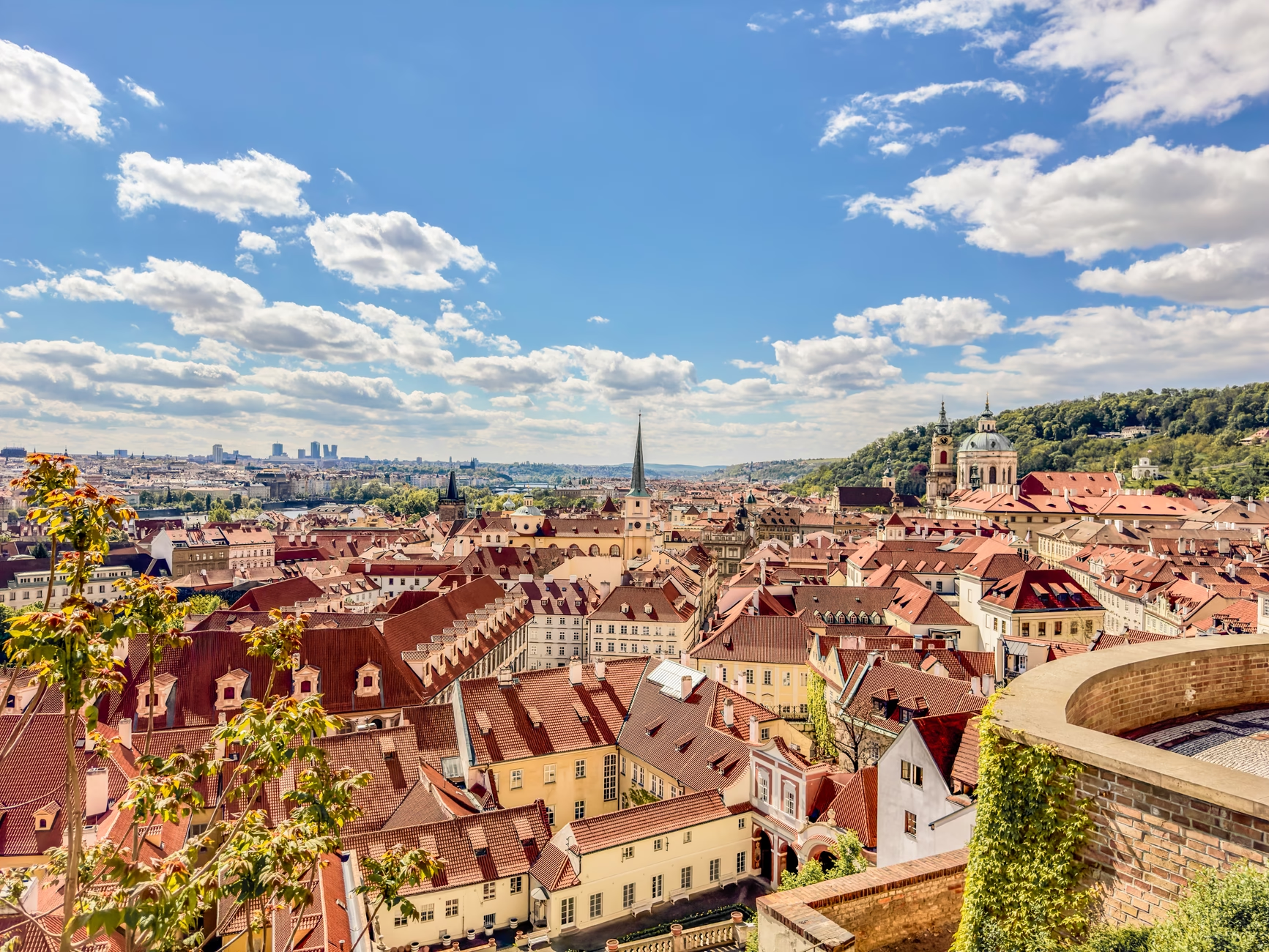
European cities are known for their beautiful parks and walkable historic districts. Strolling along the canals of Amsterdam, exploring Prague’s Old Town, or relaxing in London’s Hyde Park costs nothing but gives priceless memories.
3. Festivals and cultural events
Europe’s calendar is filled with free local festivals, outdoor concerts, and neighborhood fairs. Attending these events provides cultural immersion and the chance to mingle with locals while keeping costs minimal.
Smart Money Tips for Budget Travelers
Managing money efficiently is just as important as budgeting before you go.
- Use travel debit cards or accounts that minimize foreign transaction fees.
- Withdraw cash from reputable ATMs rather than exchanging money at airports.
- Track your expenditure daily using budgeting apps.
- Avoid paying for expensive roaming plans by purchasing local SIM cards or portable Wi Fi devices.
These small actions add up to major savings over the course of your trip.
Conclusion: Europe Awaits the Savvy Traveler
Exploring Europe on a budget is not about cutting corners but about traveling smarter. With the right planning, flexibility, and local awareness, you can experience everything from Renaissance art to seaside views without overspending. Each train journey, market meal, and conversation with a local reveals a new layer of this extraordinary continent.
Whether it is wandering through Venetian alleys, sampling Greek street food, or cycling around Amsterdam, Europe rewards those who travel thoughtfully. So pack your bags, set your budget, and embark on your own affordable European adventure full of culture, flavor, and unforgettable discovery.
Further Reading
3 Day Istanbul Itinerary for First Time Visitors
Travel to Somalia; How I Traveled to Mogadishu
Free Family Things to do in Chicago Today
How to Spend Four Days in Hong Kong