
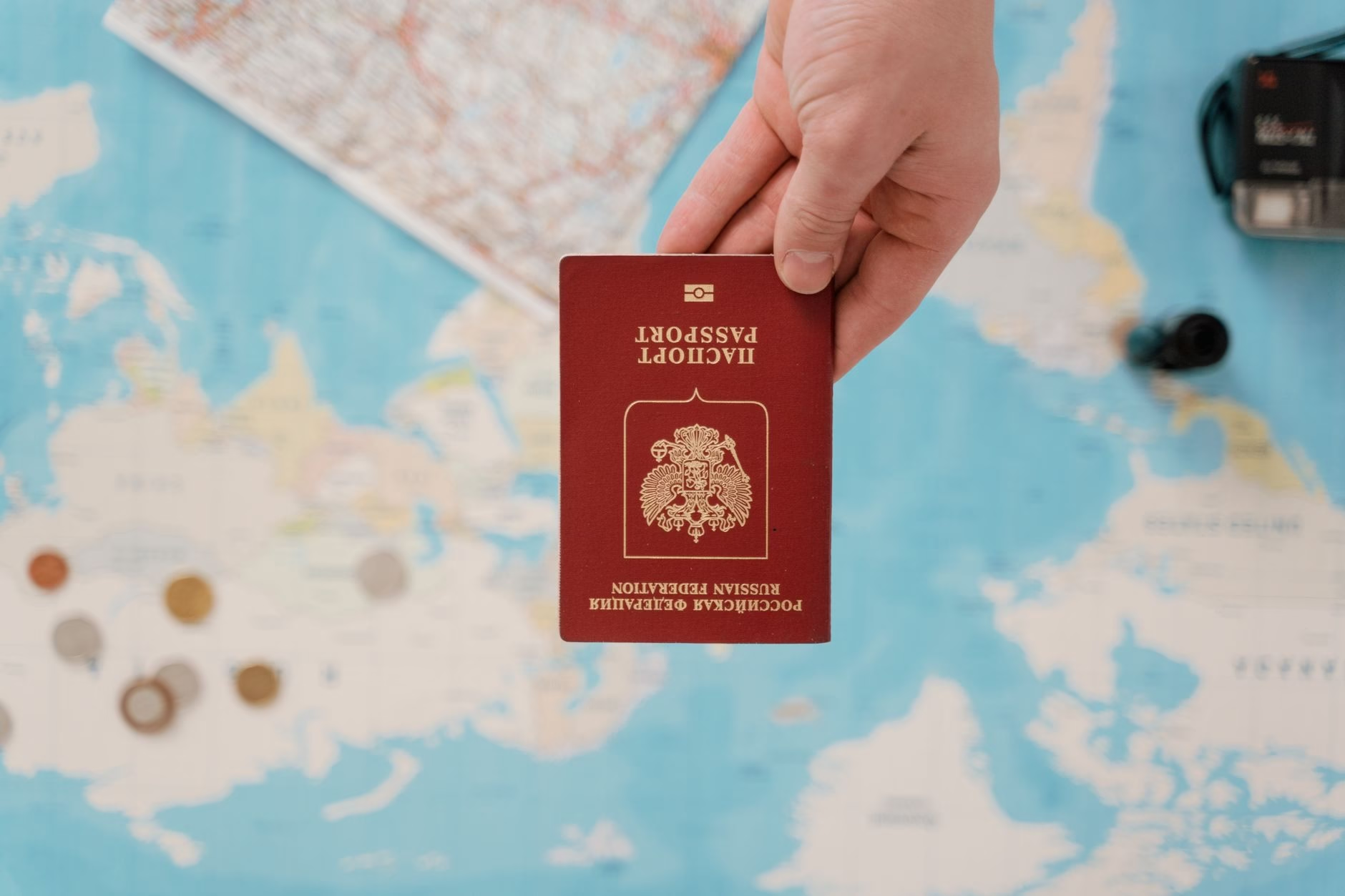
Schengen Visa Guide for Tourists
Introduction
Dreaming of a multi country European adventure where you can sip espresso in Rome one day and wander the charming streets of Paris the next? The Schengen Visa makes it possible. This single visa opens the doors to 27 countries across Europe, allowing travelers to explore a region rich in history, culture, food, and breathtaking landscapes without the hassle of multiple border checks.
However, applying for a Schengen Visa can seem daunting if you are unfamiliar with the process. Requirements, documents, and visa types may vary slightly among countries, and even small mistakes can affect your chances of approval. This guide simplifies everything for you. From understanding what a Schengen Visa is to preparing your application and planning your route, this article explains every step in detail so you can travel confidently across Europe with ease.
Understanding the Schengen Visa
The Schengen Visa is a short stay visa that allows travelers to move freely within the Schengen Area for up to 90 days within a 180 day period. The Schengen Area includes most European Union countries along with a few non EU members such as Switzerland, Norway, and Iceland.
The purpose of this visa is to create borderless travel across participating states, similar to how domestic travel works within a single country. Once you enter one Schengen country, you can cross borders to others without additional controls.
Key points to know
- Length of stay: Up to 90 days within any 180 day period
- Purpose of travel: Tourism, visiting family or friends, or short business trips
- Entry limitations: Single, double, or multiple entry visas depending on your travel itinerary
- Participating countries: Includes popular destinations such as France, Spain, Italy, Germany, Greece, and more
Understanding these basics helps you plan your trip with realistic expectations and choose the correct visa type for your journey.
Choosing Your Main Destination for the Application
One of the most confusing aspects for first time applicants is determining where to apply, especially when planning to visit several countries in one trip. The Schengen rules are clear but require a little understanding.
You must apply for your visa from:
- The country where you will spend the most days, or
- The country that serves as your first point of entry if you will spend an equal number of days in multiple countries
For example, if you plan to spend five days in Spain, three days in France, and two in Italy, you should apply at the Spanish consulate. If your itinerary includes an even split of four days each in Germany and France, submit your application to the consulate of the country where your flight first lands.
Applying to the correct embassy not only increases your chances of approval but ensures that your travel plans align with visa regulations.
Schengen Visa Types and Their Uses
While most travelers apply for a Tourist Visa, it helps to know the categories available under the Schengen framework.
- Tourist Visa (C Type): The most common type, suitable for sightseeing, vacations, or visiting friends and family.
- Business Visa: Allows short stays for attending meetings, trade fairs, or conferences.
- Transit Visa: Required for travelers passing through Schengen countries en route to a non Schengen destination.
Tourists should focus on the C Type Visa, which allows for a wide range of recreational and personal travel experiences.
Preparing Your Application
Proper preparation is the foundation of a successful visa application. Start collecting documents at least a month before your appointment to avoid delays.
Essential documents
- Completed and signed application form available through the official website of the consulate or visa processing center
- Valid passport with at least three months validity beyond your intended departure date and two blank pages
- Recent passport sized photos taken within the last six months
- Travel itinerary outlining your planned destinations, accommodation details, and estimated travel dates
- Travel insurance covering at least 30,000 euros for medical emergencies and repatriation, valid across all Schengen countries
- Proof of financial means such as bank statements, pay slips, or sponsorship letters showing you can support yourself during the trip
- Proof of accommodation including hotel bookings, Airbnb confirmations, or invitation letters from friends or family
- Flight reservations showing entry and exit details without purchasing the full ticket before visa approval
Pro tips for preparation
- Submit all documents neatly organized and labeled in the correct order
- Always provide truthful and consistent information across all forms and supporting materials
- Apply at least 15 working days before your travel date, but ideally six weeks in advance during peak seasons
A well presented, complete application signals seriousness and reliability to the reviewing officer.
The Visa Interview and Biometrics
Most embassies or consulates will require you to attend an in person appointment. During this session, you will submit fingerprints, have your photo taken, and answer questions about your trip.
To prepare for the interview:
- Dress neatly and arrive on time
- Bring all original documents and copies for verification
- Review your travel plans so you can describe your itinerary clearly and confidently
- Be prepared to explain how you will finance your trip and why you intend to return home after your visit
The interview is not meant to intimidate you but rather to ensure that your travel intentions are genuine. Clear communication and transparency go a long way in reassuring visa officers.
After Submission and Tracking Your Application
Once you submit your documents and biometric data, the waiting period begins. Processing time usually takes around 15 calendar days, but it may extend depending on the season or the specific embassy.
You can track your visa status online through the official VFS or embassy tracking system. When your passport is ready for collection, you will be notified by email or SMS.
If your visa is approved, check all details carefully including the validity dates, number of entries, and permitted duration of stay. Mistakes can happen, so it is better to verify everything before your departure.
If the visa is refused, the consulate will issue a written notice stating the reason. Travelers can reapply once the cited issue is corrected or can appeal if there is a misunderstanding.
Planning Your Trip Inside the Schengen Area
Once your visa is approved, the real fun begins. The freedom to explore multiple European countries seamlessly is the biggest advantage of the Schengen Visa.
Here are a few practical travel tips:
- Keep copies of your visa and passport in both digital and paper form while traveling
- Understand the 90/180 rule: You may stay for up to 90 days within a 180 day period, not beyond
- Use EU train and budget airline networks such as Eurail, FlixBus, or Ryanair for economical travel between countries
- Currency management: While the euro is common, some countries like Switzerland and Norway use their own currencies, so check exchange rates
- Cultural etiquette: Each country has its own customs; take time to learn greetings, tipping habits, and local dining norms to enrich your experience
Planning an itinerary that connects major cities like Paris, Amsterdam, and Vienna or exploring coastal gems from Barcelona to Dubrovnik is now possible with a single visa in hand.
Conclusion
The Schengen Visa is more than just a travel document; it is a key that unlocks a continent full of stories, flavors, and unforgettable encounters. With careful preparation and an understanding of the process, you can focus less on paperwork and more on making memories across Europe’s diverse cultures and landscapes.
Whether you wish to explore the art galleries of Florence, cruise the canals of Amsterdam, or hike the Swiss Alps, a Schengen Visa allows you to do it all in one streamlined journey. Preparation is the secret to a stress free experience, and once approved, your adventure can unfold seamlessly from one fascinating destination to another.
Further Reading
3 Day Istanbul Itinerary for First Time Visitors
Travel to Somalia; How I Traveled to Mogadishu