Ivory Coast Travel Guide for Tourists
Introduction
Ivory Coast, known locally as Côte d’Ivoire, is one of West Africa’s most captivating travel destinations. It is a country of vibrant coastal cities, ancient cultural traditions, lush rainforests, and warm, welcoming people. For travelers seeking a mix of adventure, history, and authentic African hospitality, Ivory Coast offers an experience that feels both unexpected and deeply rewarding.
This comprehensive travel guide will help you discover what makes the Ivory Coast so special. You will learn where to go, what to see, how to get around, what local customs to understand, and how to make the most of your time in this dynamic country. Whether you are a first-time visitor to Africa or an experienced explorer seeking a new destination, this guide provides all the practical advice and insight you need to plan a truly memorable trip.
Understanding Ivory Coast
Ivory Coast is located on the Gulf of Guinea and shares borders with Liberia, Guinea, Mali, Burkina Faso, and Ghana. Once a French colony, the country still carries a strong French influence which is evident in its language, cuisine, and urban culture. Abidjan, the economic capital, is often called the “Paris of West Africa,” while Yamoussoukro, the political capital, offers a quieter yet culturally significant experience.
The country is divided into distinct ecological zones ranging from tropical beaches in the south to cocoa plantations and mountainous highlands in the west. The climate is tropical with a generally warm and humid atmosphere throughout the year, making it ideal for beach lovers and nature enthusiasts alike.
French is the official language, though numerous local dialects such as Baoulé, Dioula, and Sénoufo are also widely spoken. English is less common outside of major cities, so learning a few basic French phrases will go a long way in your daily interactions.
When to Visit Ivory Coast
Timing your trip can make all the difference in your overall experience. Ivory Coast experiences two main seasons:
- Dry Season: Runs from November to April. This is the most comfortable time to visit, offering pleasant temperatures and less rainfall. It is ideal for sightseeing, road trips, and beach activities.
- Wet Season: Extends from May to October with heavy tropical rains. Travel during this period is less predictable but can also mean greener landscapes and fewer tourists.
If your goal is to attend cultural events, consider aligning your trip with some of the country’s major festivals. The Abissa Festival in Grand-Bassam, for example, is a vibrant celebration of dance, music, and community life held annually around October or November.
Top Destinations in Ivory Coast
Abidjan – The Beating Heart of Modern West Africa
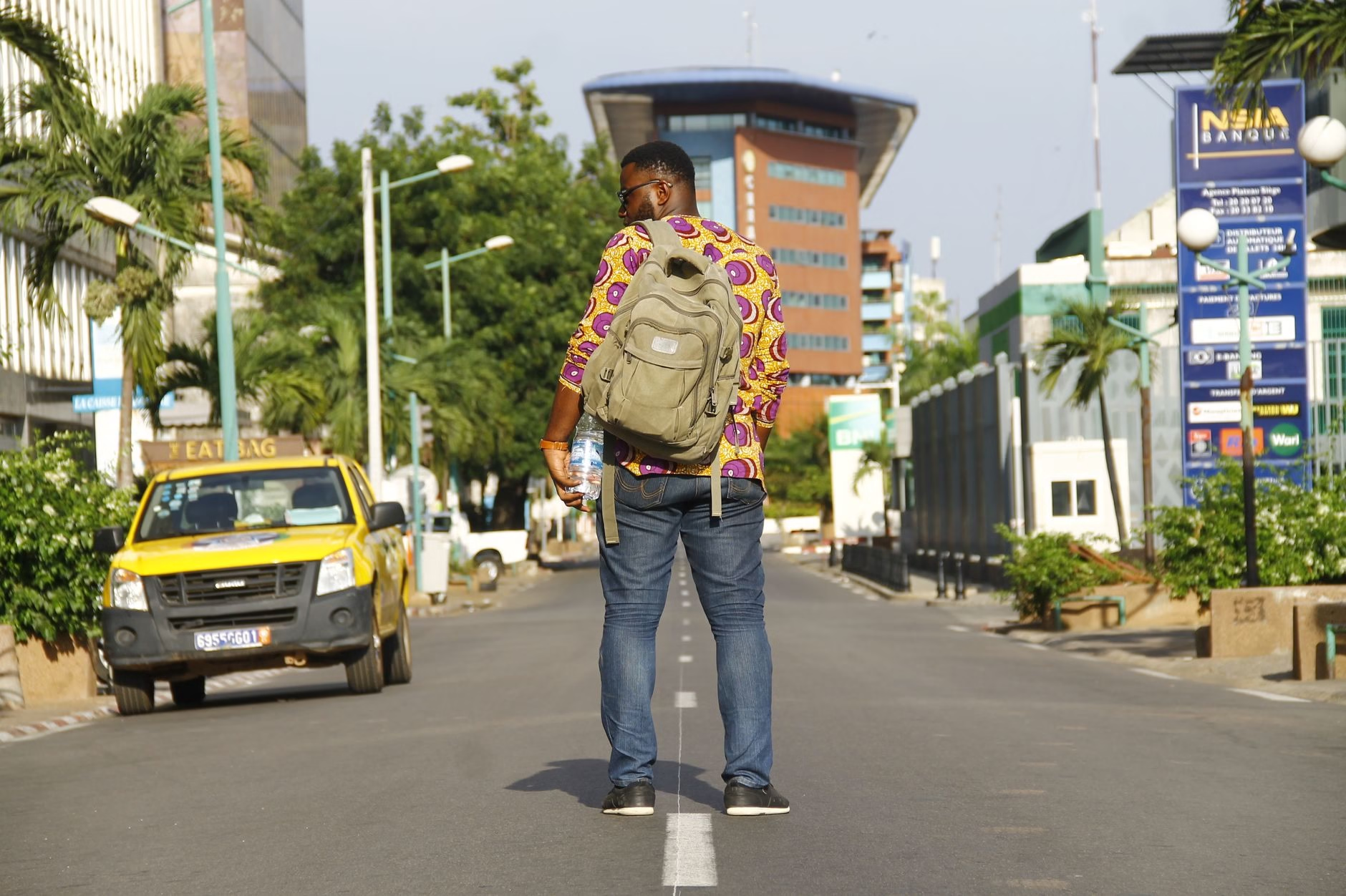
Abidjan is a sprawling coastal city known for its modern skyline, lively nightlife, and energetic street culture. It is home to the country’s best restaurants, shopping districts, and cultural centers.
- Le Plateau: The business district that showcases Ivory Coast’s urban sophistication
- Cocody: A fashionable neighborhood brimming with art galleries, chic cafés, and boutique hotels
- Banco National Park: A tropical rainforest located just minutes from downtown Abidjan, perfect for nature walks and bird watching
Abidjan also offers a remarkably diverse dining scene where French-inspired cuisine meets local flavors. Seafood is particularly fresh and widely available. Be sure to try “attieke,” a traditional cassava dish often served with grilled fish.
Grand-Bassam – Colonial Charm Meets Beach Bliss
Just a short drive from Abidjan lies Grand-Bassam, a UNESCO World Heritage Site and former French colonial capital. The town retains its old-world charm with colonial buildings, shady boulevards, and beautiful beaches stretching along the Atlantic coast.
Visitors can explore the National Costume Museum to learn about Ivorian cultural heritage or take leisurely walks through the Quartier France, where history and architecture tell the story of the nation’s past. Grand-Bassam is also an ideal place for a weekend retreat from city life.
Yamoussoukro – Ivory Coast’s Spiritual and Political Heart
Yamoussoukro is famous for one structure that stands above all others: the Basilica of Our Lady of Peace. This massive church, modeled after St. Peter’s Basilica in Rome, holds the record as one of the largest Christian churches in the world.
Beyond its grandeur, Yamoussoukro’s peaceful atmosphere and nearby crocodile lagoon at the Presidential Palace add a unique blend of spirituality and intrigue. It is an excellent destination for travelers interested in culture, architecture, and history.
Man – The Gateway to the Mountains
In the western part of Ivory Coast, the town of Man sits amid rolling hills, waterfalls, and cocoa plantations. This region is a paradise for outdoor lovers.
You can hike up Mount Tonkoui, the country’s second-highest peak, or trek through villages where traditional dance rituals and mask festivals continue to thrive. The La Cascade waterfall, located near the town center, is a perfect place to unwind after a day of exploration.
Experiencing Local Culture
The heart of Ivory Coast’s identity lies in its people and their traditions. Music and dance are deeply embedded in daily life. You will hear the rhythms of “coupé-décalé” music in Abidjan’s clubs, while traditional drum beats fill the air in rural celebrations.
Markets are another gateway into local culture. The Treichville Market in Abidjan and the Man Market in the west offer everything from colorful fabrics to local spices and handcrafted masks. Bargaining is part of the fun, so come prepared for friendly negotiation.
Local festivals are worth timing your trip around. The Fetes des Masques in Man showcases intricate wooden masks representing ancestral spirits, while the Abissa Festival in Grand-Bassam celebrates reconciliation and joy through elaborate dance performances.
Practical Travel Advice
Getting There and Around
Abidjan’s Félix Houphouët-Boigny International Airport is the main entry point, with regular flights from Paris, Casablanca, and several other African cities.
Transportation within the country is a mix of modern and traditional. In major cities, taxis and private car services are available, though travelers should always agree on a fare before starting a ride. For longer routes, buses connect most major towns, and domestic flights can save time if your itinerary includes distant regions.
Currency and Payments
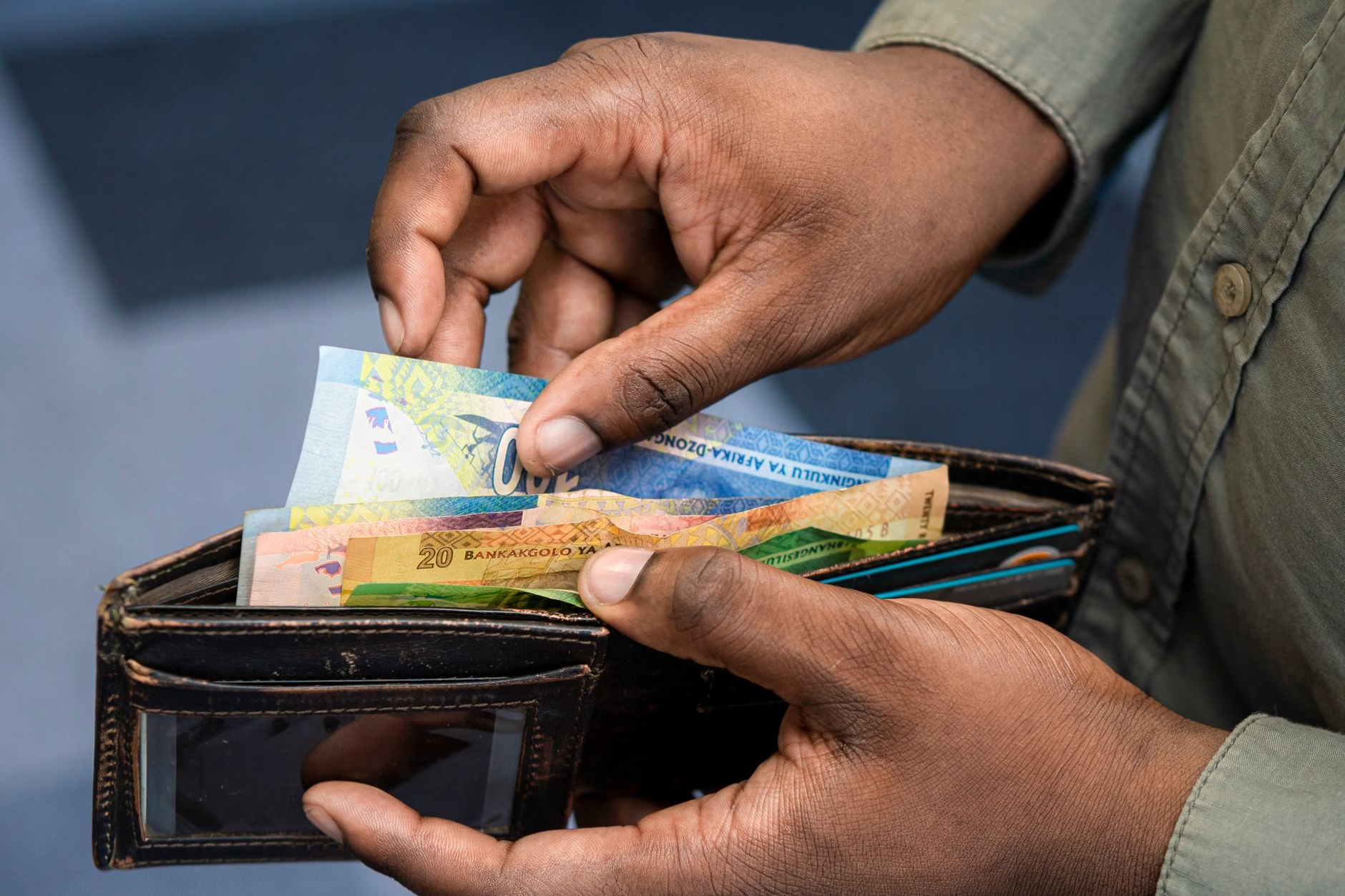
The official currency is the West African CFA Franc (XOF). Credit cards are accepted in urban centers but less so in smaller towns. It is wise to carry cash for local markets, eateries, and transportation. ATMs are available in major cities but may be limited in rural areas.
Health and Safety
Travelers should consult their doctor before departure for recommended vaccinations, including yellow fever, which is mandatory for entry. Mosquito repellent and malaria prevention are essential. Ivory Coast is generally safe for tourists, especially in urban centers and main tourist zones, but standard travel precautions should always be observed.
Cuisine and Dining Experiences
Ivorian cuisine reflects the diversity of the country’s ethnic groups and culinary creativity. Meals often center around cassava, plantains, rice, and fresh seafood.
Must-try dishes include:
- Attieke: A fermented cassava side dish that pairs perfectly with grilled or fried fish
- Kedjenou: A slow-cooked chicken stew with vegetables, often prepared in sealed clay pots for extra flavor
- Alloco: Fried ripe plantains commonly served as a snack or accompaniment to meat dishes
Street food is plentiful and delicious, offering roasted corn, spicy skewers known as “brochettes,” and fresh tropical fruit juices. Always choose stalls with high turnover and clean preparation areas.
Responsible Travel and Etiquette
Respect for local customs contributes greatly to a positive travel experience. Dress modestly when visiting villages or religious sites, greet people politely, and always ask before photographing anyone.
Environmental sustainability is also increasingly important in Ivory Coast. When exploring natural attractions such as Banco National Park or the mountains around Man, take care to leave no trace and respect local conservation guidelines.
Buying handmade crafts directly from artisans helps support local communities and preserves cultural skills. Seek opportunities to engage with local cooperatives, particularly those involved in cocoa or textile production.
Conclusion
Ivory Coast is a country of incredible diversity and depth, offering everything from lively cityscapes and beautiful coastlines to mountains, wildlife, and deeply rooted cultural traditions. With the right preparation and curiosity, a trip here becomes far more than a holiday; it becomes an eye-opening journey into the soul of West Africa.
Visitors often leave Ivory Coast with memories of laughter, music, and warmth—the kind of experiences that go beyond photography and linger long after the trip is over. Whether you are exploring Abidjan’s buzzing streets, wandering through Grand-Bassam’s colonial past, or breathing the mountain air of Man, Ivory Coast will surprise and inspire you at every turn.
Further Reading
3 Day Istanbul Itinerary for First Time Visitors
Travel to Somalia; How I Traveled to Mogadishu
Free Family Things to do in Chicago Today
How to Spend Four Days in Hong Kong