Asia is a continent of extraordinary variety. From high-tech cities like Tokyo and Singapore to ancient markets in Kathmandu and Hanoi, the region offers every kind of travel experience imaginable. Yet for all its diversity, one thing ties every Asian journey together—the need to deal with local currency.
Handling money abroad can be one of travel’s greatest stress points. Exchange rates fluctuate, payment systems differ dramatically from country to country, and what works in one destination can be completely impractical in another. This guide is designed to make your travels across Asia smoother, smarter, and more financially savvy. You will learn how to handle currency with confidence, find the best exchange options, understand digital payment trends, and make informed decisions about when and how to carry cash.
Whether you are backpacking through Southeast Asia, island-hopping in the Philippines, shopping in Seoul, or exploring the Silk Road, a solid grasp of local money management will help you travel more authentically and spend more wisely.
Understanding the Basics: Currencies Across Asia
Asia is home to an extraordinary range of currencies, each reflecting its country’s unique economy and culture. Because many nations operate independently of one another financially, you will encounter different banknotes, coins, and exchange rates even when traveling short distances across borders.
Some of the most common currencies travelers will encounter include:
- Japanese Yen (JPY) in Japan
- Chinese Yuan (CNY) in mainland China
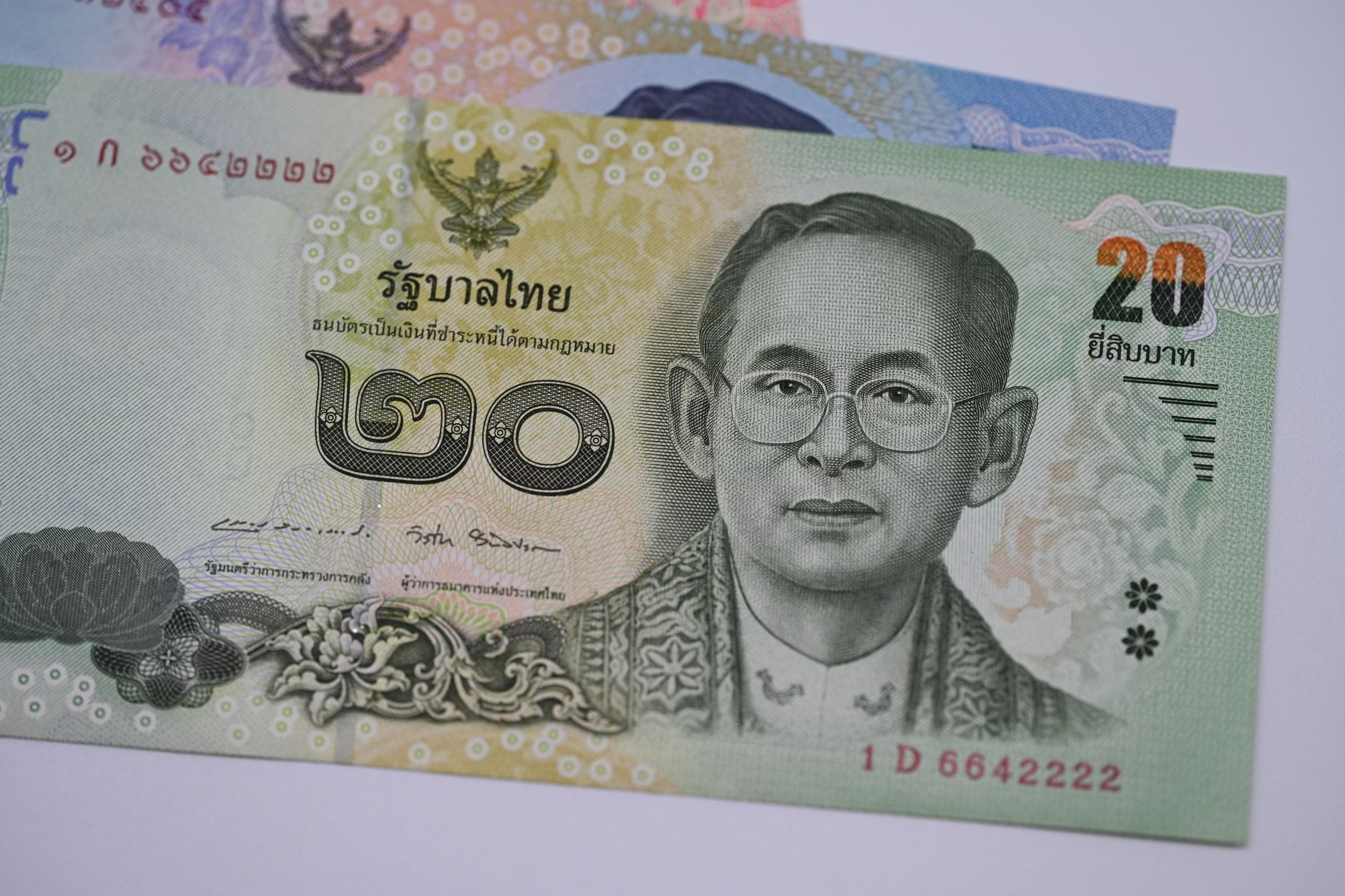
- Thai Baht (THB) in Thailand
- Vietnamese Dong (VND) in Vietnam
- Indonesian Rupiah (IDR) in Indonesia
- Singapore Dollar (SGD) in Singapore
- Indian Rupee (INR) in India
- Malaysian Ringgit (MYR) in Malaysia
In certain regions, especially along popular tourist routes, the United States Dollar is widely accepted or used alongside the local currency, most notably in Cambodia, Laos, and Myanmar. However, it is still important to carry local currency for everyday transactions, particularly in remote areas.
Exchange rates vary daily, so before every trip, check a reliable currency converter or financial news source to understand the local value of your money.
When to Exchange Money: Timing and Locations
Knowing where and when to exchange money can save you significant amounts and unnecessary frustration. Travelers often make the mistake of relying entirely on airport exchange counters, which typically offer the poorest rates due to high service fees and lower competition.
Best practices for exchanging money:
- Use airport exchanges only for emergencies. Convert enough for transport and initial expenses, then seek better rates in town.
- Head to authorized exchange bureaus or banks in city centers. In destinations like Bangkok, Kuala Lumpur, and Taipei, locals use specialized money changers that post real-time rates and charge minimal commissions.
- Avoid unlicensed street exchanges. They may appear to offer attractive rates but can involve counterfeit notes or hidden fees.
- Withdraw cash from ATMs using a travel-friendly debit card. ATMs are reliable in most urban areas and offer competitive exchange rates. Just confirm that your card network (Visa, MasterCard, Cirrus, etc.) is compatible, and always notify your bank before traveling to avoid card blocks.
- Monitor exchange rates before you travel. Applications and online tools can help identify favorable times to exchange money, especially if your home currency fluctuates significantly.
Cash Versus Cards: Finding the Right Balance
The ideal mix of cash and cards depends heavily on where you are going in Asia.
Urban Asia, cities like Tokyo, Seoul, Singapore, and Hong Kong—run on efficient banking systems with widespread card acceptance. Contactless payments are common, and mobile wallets such as WeChat Pay, Alipay, or GrabPay are integrated into daily life. In these environments, you could comfortably rely on credit or debit cards.
Rural and developing regions, by contrast, still run primarily on cash. For instance, small eateries in northern Vietnam, local bus stations in Myanmar, or homestays in Nepal usually accept only cash. ATMs can be limited or unreliable, making it wise to carry enough local currency for several days.
General advice for managing the balance:
- Carry the equivalent of two to three days’ spending money in local cash.
- Use cards for hotels, major restaurants, or shopping malls where international payment systems are reliable.
- Keep a small emergency fund in a stable reserve currency such as US dollars or euros.
- When using credit cards, choose those with no foreign transaction fees and set automatic spending alerts for security.
Mobile Payments and Digital Wallets in Asia
One of the most exciting financial trends shaping travel in Asia is the massive shift toward digital payments. Platforms like Alipay and WeChat Pay dominate in China, while GrabPay and GCash are rapidly expanding in Southeast Asia. Many of these apps offer single-tap payments, digital receipts, and even automatic currency conversion.
If you want to embrace digital payments while traveling:
- Download local apps before your trip and set them up with your home card when possible.
- Use global mobile wallets such as Apple Pay or Google Wallet where accepted. Many hotels, cafes, and metro systems in major cities have already integrated these.
- Keep cash as a safety net. Even in progressive markets, small vendors, open-air food stalls, and taxi drivers might still deal only in cash.
Digital payments are transforming Asia’s tourism landscape, but travelers should always read the fine print about fees and compatibility.
Avoiding Currency Pitfalls and Scams
Currency-related scams are unfortunately a reality in many parts of the world, and Asia is no exception. Being informed and vigilant is the best defense.
Common pitfalls and how to avoid them:
- Counterfeit notes: Only exchange money at legitimate counters and always double-check your notes before leaving the desk. Familiarize yourself with the look and feel of local currency.
- ATM skimming: When withdrawing cash, use machines attached to major banks or located inside shopping centers instead of isolated ATMs.
- Dynamic currency conversion traps: Merchants may offer to charge your credit card in your home currency. Always decline this and choose local currency. The exchange rates provided by banks are typically far superior.
- Hidden fees: Confirm withdrawal and transaction fees with your bank before traveling, and keep a record of all fees applied during your trip.
A small amount of awareness protects your money and gives you peace of mind, ensuring your focus stays on the experiences rather than the expenses.
Regional Insights: What to Expect by Area
Asia is too vast for one-size-fits-all financial planning. Understanding regional nuances helps you make practical decisions.
East Asia (Japan, Korea, Taiwan, China)
These nations have advanced financial systems with broad card acceptance and reliable ATMs. However, note that in Japan some machines do not accept foreign cards, so plan ATM visits at post offices or 7-Eleven convenience stores where international cards are welcomed.
Southeast Asia (Thailand, Vietnam, Cambodia, Indonesia, Malaysia, the Philippines)
This region is generally cash heavy, although card acceptance is expanding in major cities. US dollars are often accepted in tourist centers, but you will get better deals paying in local currency. In Vietnam and Indonesia, always carry small denominations for efficient transactions.
South Asia (India, Nepal, Sri Lanka)
These destinations offer excellent value for travelers, but ATMs can be inconsistent. Withdraw larger amounts when you find a functioning machine, and double-check withdrawal limits. In India, digital wallets like Paytm are becoming more common, but foreign users may face restrictions.
Bringing It All Together: Smart Spending for a Stress Free Trip
Managing money across Asia is as much about preparation as it is about adaptability. Research each country’s currency system before you go, carry multiple payment options, and stay alert to exchange rate movements. By taking these practical steps, you will spend less time worrying about logistics and more time enjoying the sensory richness that Asia delivers—its food, culture, and humanity.
Financial confidence enhances the entire journey. Whether you are exploring century-old temples, shopping at night markets, or checking into a luxury resort, understanding how to handle your money ensures that memories last longer than the receipts.
Further Reading
3 Day Istanbul Itinerary for First Time Visitors
Travel to Somalia; How I Traveled to Mogadishu
Free Family Things to do in Chicago Today
How to Spend Four Days in Hong Kong