
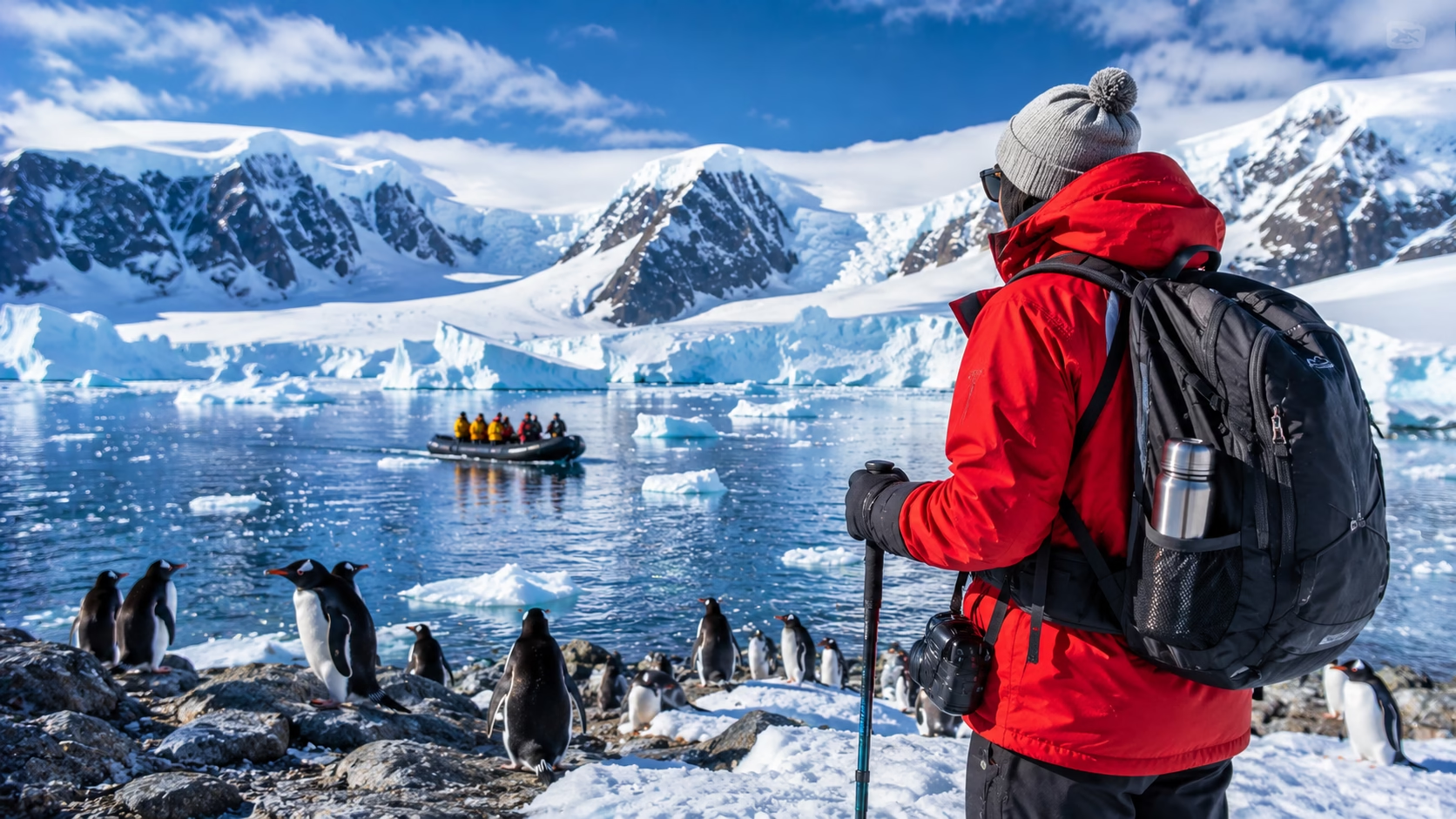
Antarctica captures the imagination like few places on the planet. Vast white landscapes stretch endlessly beneath skies that glow with surreal light. Penguins waddle along the ice, seals bask on frozen shores, and glaciers calve into pristine waters. For many travelers, visiting the Seventh Continent is a once in a lifetime dream that promises unmatched beauty and a profound sense of exploration.
- Choose a reputable IAATO member with experienced crew, proper safety equipment, medical facilities, and proven polar expedition experience.
- Layer clothing: moisture-wicking base, insulating middle, waterproof outer, warm gloves and boots; use polarized sunglasses and high SPF sunscreen.
- Respect wildlife and the fragile ecosystem: keep distance, avoid feeding, follow guide routes, and thoroughly clean gear to prevent contamination.
- Follow safety protocols for shore landings: wear life jackets, obey crew instructions, track time ashore, and watch for ice hazards and off-limit zones.
Yet the very elements that make Antarctica so captivating also make it one of the most challenging destinations on Earth. The extreme environment, isolation, and unpredictable conditions require careful preparation and a deep respect for safety. This isn’t a trip where spontaneity works in your favor. Every traveler must plan thoughtfully, choose the right operator, and understand how to stay safe in one of the world’s most remote regions.
In this guide, we’ll explore the most important safety tips for first time visitors to Antarctica. From selecting trustworthy expedition partners to dressing for survival in subfreezing temperatures and respecting the fragile ecosystem, each section offers clear, actionable advice designed to help you experience Antarctica with confidence and care.
Choose a Reputable Expedition Operator
Your expedition operator is your lifeline when traveling to Antarctica. Since independent travel is restricted, almost all visitors arrive as part of a cruise or guided expedition. Choosing a company with strong safety and environmental credentials is the foundation of a secure journey.
When evaluating tour operators, prioritize the following:
- Membership in IAATO: Ensure that the operator belongs to the International Association of Antarctica Tour Operators. This organization maintains strict safety and environmental standards that all members must follow.
- Safety Equipment and Crew Training: Ask about the vessel’s life-saving technology, evacuation systems, and medical facilities. The presence of experienced guides and onboard doctors is essential.
- Expedition Experience: Choose operators with long records of service in polar regions and a history of sound navigational practices. Their understanding of sea ice movement and weather patterns can make all the difference during unpredictable conditions.
- Group Size Limits: Smaller groups have fewer safety risks during landings. International regulations limit the number of passengers that can disembark at one time, so smaller ships often provide safer and more personal experiences.
Taking time to research your operator allows you to travel with peace of mind, knowing that your safety is prioritized at every stage of the journey.
Understand and Prepare for Antarctica’s Extreme Conditions
Conditions in Antarctica can change dramatically within minutes. Wind chills well below zero, whiteouts, and sudden storms are common. Even though most visitors travel during the austral summer from November to March, temperatures can still be dangerously low.
Proper preparation begins long before setting foot on the ice:
Related Posts:
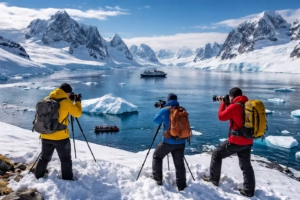
- Layer Your Clothing Intelligently: Bring a moisture wicking base layer, an insulating middle layer, and a waterproof outer layer. High quality gloves, boots, and thermal socks are not optional—they are essential.
- Protect Eyes and Skin: The glare from snow and ice can be blinding. Polarized sunglasses and sunscreen with a high SPF are critical even on overcast days, as UV radiation intensifies near the poles.
- Stay Hydrated and Fed: Cold air dehydrates quickly. Drink water regularly and consume high energy snacks to maintain your warmth and stamina during land excursions.
- Listen to Crew Instructions: Weather changes rapidly, and decisions to cancel landings or change routes are made for your safety. Never attempt to explore independently or stray from the group.
Antarctica rewards those who respect its power. Preparation not only enhances safety but also allows you to focus on enjoying the experience instead of battling the elements.
Respect Wildlife and Preserve the Ecosystem
Antarctica’s charm lies in its untouched purity. Every visitor must become a steward of this environment by minimizing impact and respecting the wildlife that calls it home. The local penguins, seals, and seabirds are unaccustomed to human presence, and even slight disturbances can alter their natural behavior.
Follow these essential guidelines:
- Keep a minimum distance of five meters from wildlife and allow animals to approach you only if they choose.
- Avoid sudden movements or loud noises that may cause distress.
- Never feed animals or leave any traces of food or waste on shore.
- Clean your gear thoroughly before and after shore landings to prevent contamination and the spread of bacteria or foreign materials.
- Follow your guide’s instructions for designated walking paths to prevent damage to fragile moss and lichen that take decades to grow.
Responsible travel in Antarctica protects not only its wildlife but also the future of tourism in the region. By following these rules, you contribute to preserving the last true wilderness on Earth.
Stay Healthy and Manage Sea Travel Challenges
Cruising across the Southern Ocean is one of the great adventures of the trip, but it can also be difficult. The Drake Passage, which separates South America from the Antarctic Peninsula, is notorious for rough seas. Seasickness, dehydration, and exhaustion can affect even experienced travelers.
Here’s how to stay healthy and comfortable during the voyage:
- Prepare for Motion: Carry effective seasickness medication recommended by your doctor and begin treatment before the ship departs. Attend ship briefings on safety procedures and keep your cabin stocked with water and light snacks.
- Stay Physically Ready: Basic fitness will help you manage landings that often involve climbing in and out of small inflatable boats called Zodiacs. Maintaining balance on icy or uneven terrain is easier with sturdy knees and a strong core.
- Know Your Medical Options: Medical services onboard are remote but capable. Every participant should disclose preexisting conditions to the expedition doctor and have proper insurance that covers evacuation from Antarctica.
Health awareness and preparation ensure you remain strong and comfortable throughout your journey, allowing you to fully experience the breathtaking scenery instead of nursing discomfort.
Follow Safety Protocols During Shore Landings
Every shore landing in Antarctica involves a set series of safety checks and guidelines. These are not formalities—they are critical to survival in an environment with limited rescue capability.
When leaving the vessel, remember these key principles:
- Always wear a life jacket when boarding and leaving Zodiacs. Enter and exit only when instructed by the crew.
- Carry essential items such as gloves, warm layers, and a dry bag for your camera gear.
- Keep track of time while ashore. Temperatures can drop faster than expected, and weather can close in without warning.
- Be alert for icy patches, hidden crevasses, and areas marked as off-limits for safety or environmental reasons.
By respecting every rule during these excursions, you help ensure not only your safety but also the safety of your fellow travelers.
Conclusion: Safety as the Key to a Transformative Experience
Antarctica will challenge your senses, reshape your perspective, and leave an impression that lasts a lifetime. Its silence, scale, and solitude remind travelers what true wilderness feels like. But this transformative experience demands preparation and caution at every step.
By selecting a reliable expedition company, dressing and equipping yourself wisely, respecting wildlife, and adhering to safety protocols, you ensure that your journey remains both secure and awe inspiring. Travel thoughtfully, listen to your guides, and treat this frozen frontier with the reverence it deserves. Safe travelers not only return with unforgettable memories—they help keep Antarctica pristine for generations to come.
Further Reading
Best Beaches in Southern Europe
Cheapest Countries to Visit in Africa
Travel to Somalia; How I Traveled to Mogadishu
Free Family Things to do in Chicago Today
How to Spend Four Days in Hong Kong