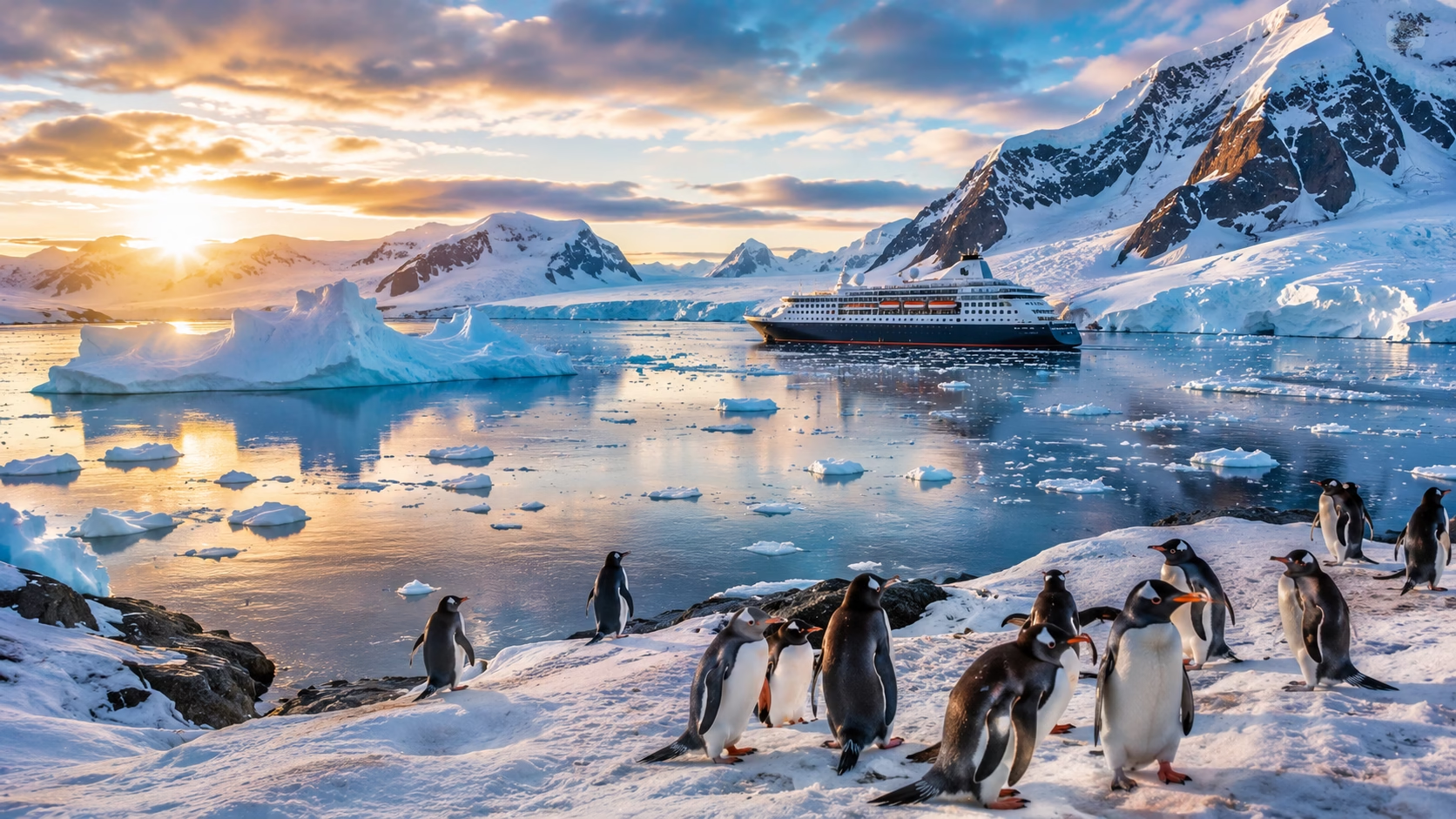
There are few places on Earth that stir the imagination quite like Antarctica. Remote, vast, and hauntingly beautiful, this frozen continent represents the ultimate destination for adventurous travelers. Icebergs tower over glassy seas, penguin colonies bustle across endless snowfields, and the silence of the polar wilderness feels almost otherworldly.
- Travel season runs October through March; when you go dictates accessibility, wildlife activity, and ice conditions.
- October and November offer pristine sculpted ice, solitude, and rising wildlife activity, ideal for photography and untouched polar landscapes.
- December and January are peak months with extended daylight, abundant penguins and whales, milder temperatures, and optimal conditions for kayaking and zodiac excursions.
- Book early, pack layered waterproof gear, stay flexible with itineraries, and follow strict conservation rules to protect Antarctica's fragile ecosystem.
But timing matters more in Antarctica than virtually anywhere else on the planet. The continent is accessible only for a few short months each year, and the experience you have depends entirely on when you go. Some months bring long hours of sunlight and lively wildlife activity, while others showcase pristine ice formations untouched by the melting season.
In this detailed guide, you will discover exactly what each month in Antarctica offers—from early season serenity to the peak of wildlife encounters—so that you can choose the best time to visit based on your personal travel goals. Whether you dream of seeing newborn penguins, kayaking among icebergs, or simply standing at the edge of the world, this month-by-month breakdown will help you plan your Antarctic expedition with confidence.
Understanding Antarctica’s Travel Season
Antarctica’s tourist season runs from October through March, the Southern Hemisphere’s summer. The rest of the year, the continent remains locked in darkness and extreme cold, making travel impossible. During the accessible months, cruise ships and expedition vessels journey from South America across the Drake Passage, bringing travelers to one of the purest and most captivating environments on Earth.
The months of December and January are the most popular due to warmer temperatures and peak wildlife activity. However, other times of the season offer unique experiences that are equally compelling. Below is a detailed look at what you can expect throughout the Antarctic travel window.
October and November – The Awakening of the Antarctic Summer
Nature Awakens
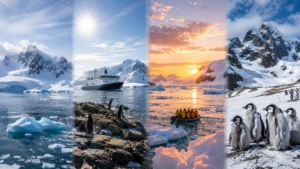
The Antarctic season begins in late October as the ice begins to break and the first expeditions return to the continent. This period is often called the spring awakening, when the landscape feels incredibly pure. Icebergs are at their most sculpted, the snow is untouched, and the entire region glows in crisp shades of white and blue.
In November, wildlife activity starts to pick up. Penguins begin their courtship rituals, and large seabirds, including skuas and petrels, return to their nesting sites. It is also the best time to photograph dramatic ice formations since melting has not yet softened their sharp edges.
Travel Insight
Related Posts:
- Temperatures remain cold, typically between -5°C and +2°C, so travelers must prepare with proper gear.
- Fewer vessels operate early in the season, providing a more exclusive and serene experience.
- Some landing sites may still be restricted by ice conditions, which adds an unpredictable but adventurous element to the journey.
Ideal For Travelers Who:
Enjoy solitude, pristine landscapes, and a true sense of wilderness before the season gets busy.
December – Peak of Light and Wildlife Activity
Why December Shines
By December, the Antarctic summer is in full swing. Days are nearly endless with up to 20 hours of daylight, creating optimal conditions for exploration and photography. Temperatures become more comfortable, ranging from zero to five degrees Celsius.
Wildlife is incredibly active during this time. Penguin colonies are energetic with nesting activity and egg-incubation, and seal mothers can often be seen resting beside their pups. Humpback whales start to appear in larger numbers, feeding on krill-rich waters.
Travel Insight
- This is the most sought-after month, so cruises fill up early and premium cabins sell fast.
- Conditions are ideal for zodiac rides, sea kayaking, and iceberg cruising.
- Photographers will love the clarity of light at midnight when the sun dips only slightly below the horizon.
Ideal For Travelers Who:
Want the quintessential Antarctic experience with abundant wildlife and excellent conditions for photography and exploration.
January – Warmest Month and Peak Wildlife Encounters
Nature at its Fullest
January brings the height of the Antarctic summer and the warmest temperatures of the year. The ice recedes further, granting access to more distant sites and deeper waters. Penguin chicks begin to hatch, providing heartwarming scenes of life and survival.
This is also one of the best months for whale watching. Humpback, minke, and orca sightings are common as feeding activity reaches its annual high. Seals are more visible, resting along the ice shelves or swimming near the boats.
Travel Insight
- Ideal for travelers seeking close wildlife encounters and dynamic photography opportunities.
- Although conditions are relatively mild, wind can still change rapidly, so flexible itineraries are essential.
- Sea crossings across the Drake Passage are at their calmest compared to other months.
Ideal For Travelers Who:
Want the best chance of seeing newly hatched penguin chicks and abundant marine life while enjoying the most stable cruising conditions.
February – Whale Watching and Expansive Exploration
Fascinating Marine Encounters
By February, many penguin chicks are growing fast, and attention shifts to the extraordinary range of whales that populate the Southern Ocean. This month marks the peak of whale-watching season, with humpbacks, minkes, and orcas providing unforgettable performances.
With the ice continuing to recede, expedition ships can explore farther south and access less-visited areas such as the Weddell Sea or even the Antarctic Circle, depending on conditions.
Travel Insight
- Photographers will enjoy the golden quality of light that develops later in the season.
- It is an excellent time for kayaking excursions and zodiac explorations as sea ice becomes thinner.
- Fewer tourists compared to December and January mean a slightly quieter experience.
Ideal For Travelers Who:
Are passionate about marine life and eager to journey deeper into seldom-visited parts of Antarctica.
March – The Quiet Fade of the Season
Atmosphere and Wildlife
March marks the final weeks of the travel season. Temperatures begin to drop and the sunsets return, painting the sky in beautiful pastel hues. You may still spot whales feeding, and penguin chicks begin their first ventures toward the sea, practicing their swimming skills before winter returns.
The atmosphere feels distinctly tranquil. Many expedition teams use this time for long-range research journeys or photography-focused trips. The scenery is dramatic with sculpted ice and longer twilights, creating a feeling of isolation that few months match.
Travel Insight
- Weather conditions can be more unpredictable, but that adds an element of true polar adventure.
- This is the least crowded period of the season, appealing to travelers seeking solitude.
- Expect cooling temperatures and a renewed sense of wilderness as the continent begins to freeze again.
Ideal For Travelers Who:
Want a raw, quiet, and reflective ending to the Antarctic summer with beautiful light and fewer visitors.
Planning Tips for Your Antarctic Expedition
- Book Early – Antarctic cruises sell out months, sometimes a year, in advance, especially for December and January departures.
- Prepare Proper Gear – Layered clothing, waterproof outerwear, and thermal accessories are essential.
- Choose Your Itinerary Wisely – Some cruises focus on the Antarctic Peninsula, while others explore the South Shetland Islands or attempt to cross the Antarctic Circle.
- Understand the Element of Flexibility – Weather and ice conditions dictate daily landings, so flexibility is part of the Antarctic experience.
- Prioritize Conservation and Responsibility – Respect all guidelines for wildlife viewing and environmental protection. Antarctica’s fragile ecosystem depends on travelers behaving responsibly.
Conclusion
Every month in Antarctica offers something extraordinary. Early season voyages reveal sparkling ice and untouched beauty, mid-season travel immerses you in vibrant wildlife activity, and late-season journeys unfold with calm seas and reflective light. Choosing the best time to visit comes down to your personal travel dreams—whether that is photographing newborn penguins, witnessing whales breach beside your vessel, or standing in awe before glaciers under endless daylight.
No matter when you visit, Antarctica will leave an indelible mark. It is not simply a destination; it is an experience that redefines how you see the planet and your place within it.
Further Reading
Best Beaches in Southern Europe
Cheapest Countries to Visit in Africa
Travel to Somalia; How I Traveled to Mogadishu
Free Family Things to do in Chicago Today
How to Spend Four Days in Hong Kong