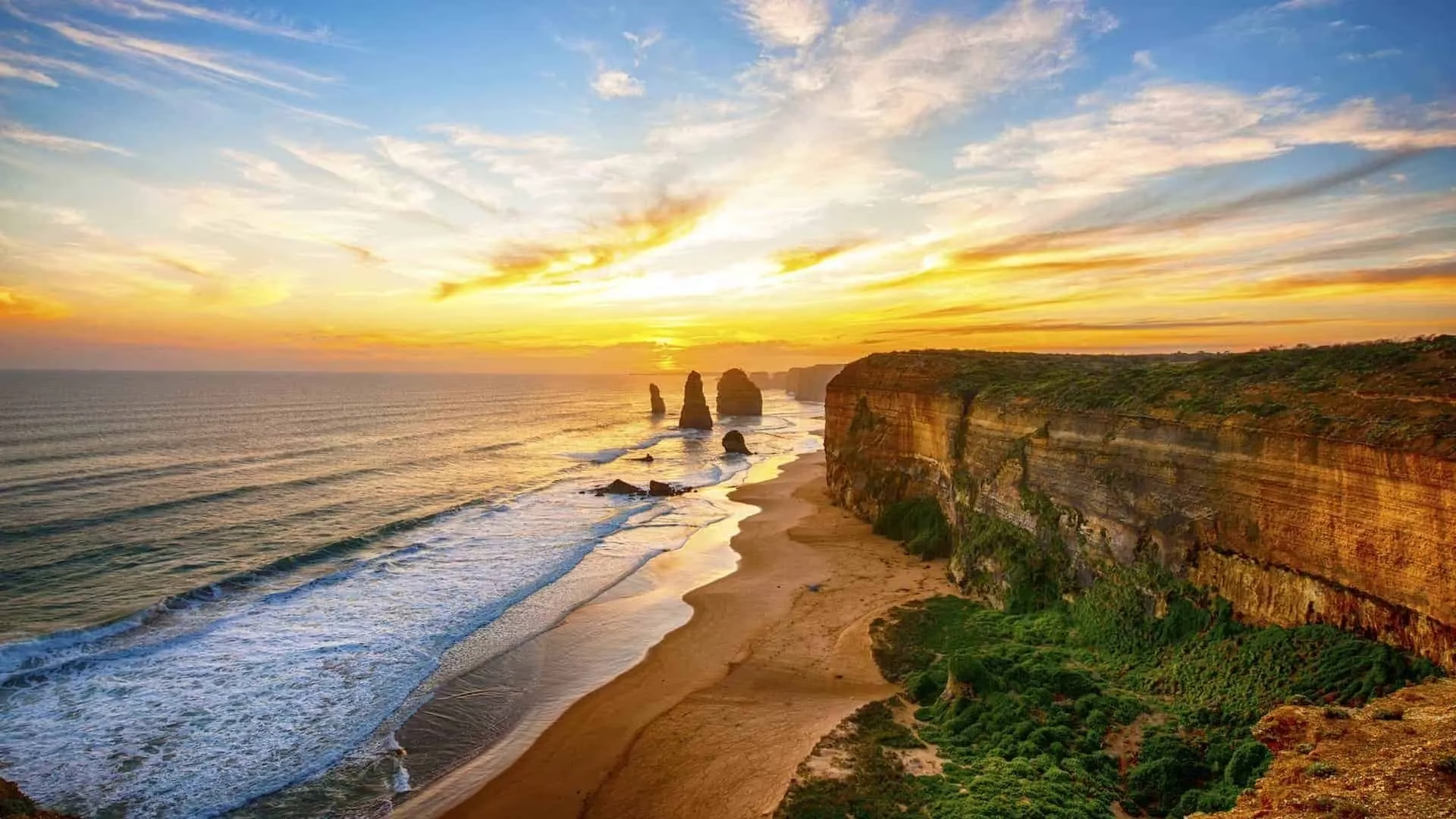
Australia is one of those rare places that captures every traveler’s imagination. It is a continent and a country, a land of endless coastlines, ancient cultures, and astonishing diversity. From the tropical rainforests of Queensland to the windswept cliffs along the Great Ocean Road, from vibrant cities like Sydney and Melbourne to the vast silence of the Outback, Australia is a destination that rewards careful preparation.
In this comprehensive Australia travel checklist, you will find everything you need to plan a smooth, fulfilling, and memorable journey. Whether you are coming for a short vacation or an extended backpacking adventure, these tips will help you stay organized, travel smartly, and make the most of your time in this remarkable country.

1. Preparing for Your Australian Adventure
Before setting foot in Australia, a successful trip begins with careful preparation. The key is to understand entry requirements, timing, and logistics.
Visa and Entry Requirements
Most international visitors need a visa or an Electronic Travel Authority (ETA) to enter Australia. Processing is typically straightforward when done online, but rules vary depending on nationality. Make sure your passport is valid for at least six months beyond your travel dates and apply for your visa several weeks before departure.
Best Time to Visit
Given the continent’s size, Australia’s climate changes dramatically between regions.
- Summer (December to February) is ideal for beaches in New South Wales, Victoria, and Western Australia.
- Autumn (March to May) brings milder weather and fewer crowds, perfect for exploring national parks and cities.
- Winter (June to August) is best for the north, including Queensland and the Northern Territory, when the weather is dry and pleasant.
- Spring (September to November) blooms with wildflowers and great hiking conditions across much of the country.
Travel Insurance
Australia offers exceptional healthcare, but it is expensive for foreigners. A comprehensive travel insurance policy covering medical needs, cancellations, and outdoor activities is essential for peace of mind.

2. Essential Packing Checklist
Packing for Australia is not about quantity but versatility. You will likely encounter several climates and travel situations, so choosing smartly layered clothing and useful gear is more important than overpacking.
Clothing Essentials
- Lightweight layers for warm days and cool nights
- Comfortable walking shoes for cities and trails
- A reliable hat and sunglasses for sun protection
- Swimwear for beaches and resort pools
- A waterproof jacket or windbreaker for unexpected changes in weather
Technology and Connectivity
Bring a universal power adapter (Australia uses Type I plugs) and make sure your electronics support 230V voltage. Consider buying a local SIM card on arrival for affordable data and calls, widely available at airports and supermarkets.
Health and Safety Items
Australia’s sun is among the strongest in the world. High SPF sunscreen, UV-protective clothing, and insect repellent are musts. If you plan to hike or camp, bring a small first aid kit and a reusable water bottle to refill throughout the day.
Important Documents
Keep your passport, visa confirmation, itinerary, and travel insurance details stored both digitally and in printed form. Having a backup makes a big difference if your phone or wallet gets lost.

3. Getting Around Australia
Distances in Australia can be surprising. What looks like a short drive on a map may take half a day because of the country’s vast scale. Understanding transport options helps you plan efficiently.
Domestic Flights
If your itinerary covers multiple states, flying is the most time-efficient option. Budget airlines like Jetstar and Virgin Australia offer frequent domestic routes connecting major cities and regional areas.
Road Trips
Australia’s highways are well maintained and ideal for self-drive adventures. Some iconic routes include:
- The Great Ocean Road for dramatic coastal views
- The Sydney to Brisbane drive for charming seaside towns
- The Red Centre Way from Alice Springs to Uluru for Outback exploration
Driving requires an international driving permit if your license is not in English. Always keep an eye out for wildlife on rural roads, especially at dawn and dusk.
Public Transport and Local Travel
Cities like Sydney, Melbourne, and Brisbane have excellent public transport networks using smart cards (Opal, Myki, and Go Card respectively). In more remote areas, scheduled buses or guided tours are often the easiest way to get around.

4. Cultural Etiquette and Local Awareness
Traveling respectfully in Australia enhances every experience and helps you connect genuinely with locals.
Australian Customs
Australians are friendly, informal, and value equality. A simple greeting and a smile go a long way. Tipping is appreciated but not mandatory. In restaurants, rounding up the bill or leaving ten percent for good service is common.
Indigenous Heritage
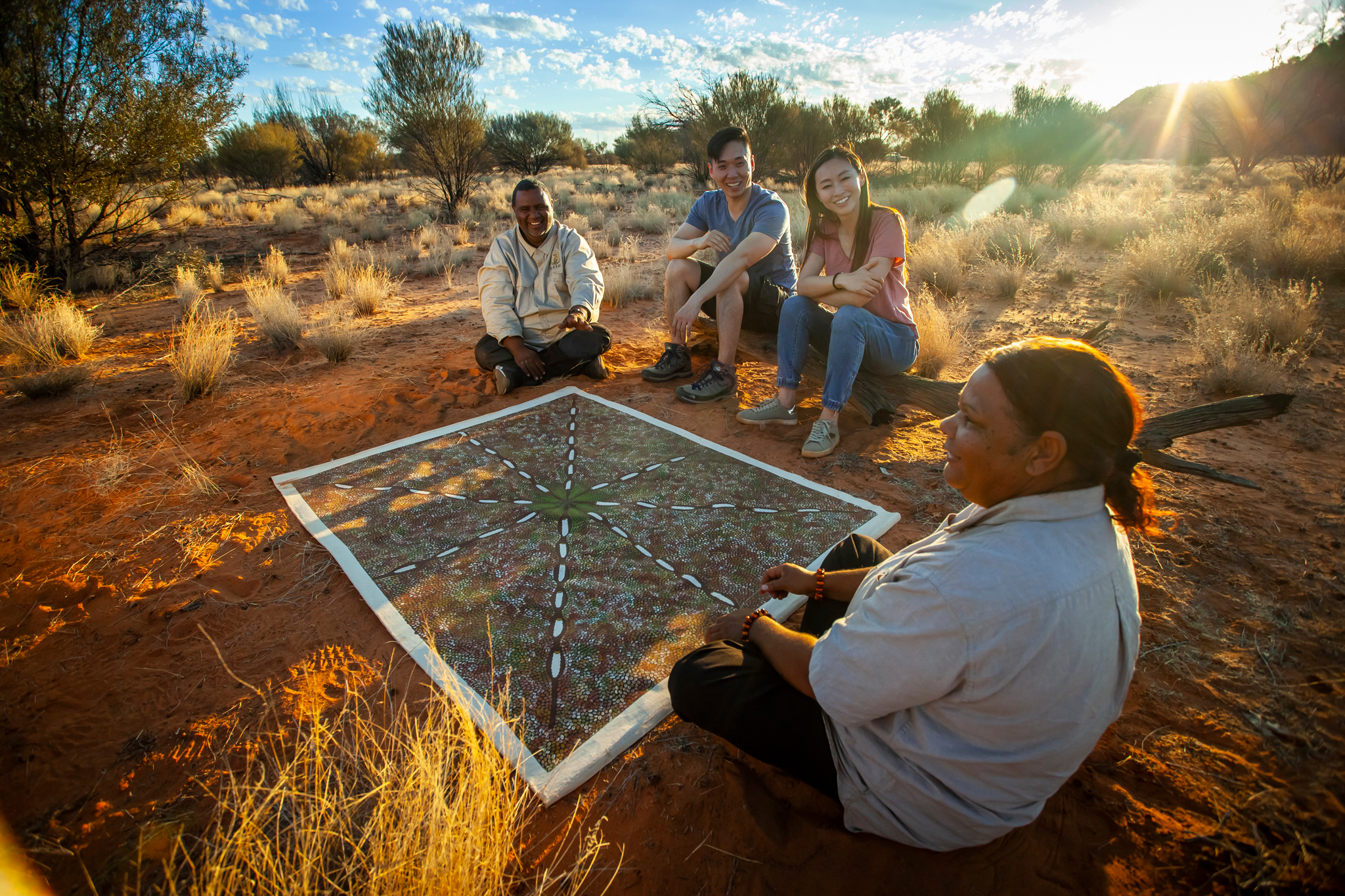
Australia’s Aboriginal and Torres Strait Islander cultures are some of the oldest continuous traditions in the world. When visiting sacred sites such as Uluru or ancient rock art galleries, follow all guidelines and respect cultural sensitivities. Many tours are led by Indigenous guides who offer rich insight into history, land conservation, and spiritual beliefs.
Environmental Responsibility
Australia’s ecosystems are unique but fragile. Always follow “leave no trace” principles: stay on marked trails, avoid feeding wildlife, and bring reusable bags or bottles to reduce waste.
5. Budget Planning and Money Tips
Australia is known for its high quality of life, but costs can add up quickly if you are unprepared. Smart budget management allows you to enjoy the best of the country without financial stress.
Currency and Payments
The Australian dollar (AUD) is widely accepted, and contactless cards are standard. ATMs are easily available but may charge withdrawal fees, so it is worth checking with your home bank before departure.
Typical Daily Costs
- Budget traveler: around 80 to 120 AUD per day
- Mid range traveler: about 150 to 250 AUD per day
- Luxury traveler: 300 AUD and above
To keep expenses in check, mix dining out with grocery purchases, take advantage of free city walking tours, and explore Australia’s numerous public beaches and parks.

6. Health, Safety, and Practical Advice
Australia is one of the safest countries for travelers, but being informed helps you stay confident and prepared.
Wildlife Safety
From kangaroos to koalas, Australia’s fauna is famous, yet some species require caution. In coastal waters, pay attention to local signs regarding jellyfish or strong currents. In rural areas, always tuck food away to avoid attracting animals to your campsite.
Medical Facilities
Pharmacies (called chemists) are common in cities and towns, and hospitals are of high international standard. For emergency services dial 000, the national emergency number.
Internet and Communication
Free Wi Fi is common in cafes, libraries, and hotels, but rural areas may have limited coverage. Download offline maps and important apps before venturing out into remote regions.

7. Top Experiences to Include in Your Itinerary
Once the logistics and packing are settled, it is time to think about what makes an Australian trip unforgettable.
- Sydney – Climb the Sydney Harbour Bridge, visit the Opera House, and spend an afternoon on Bondi Beach.
- Melbourne – Explore hidden laneways filled with art and cafes, and take a day trip to wine country in the Yarra Valley.
- The Great Barrier Reef – Snorkel or dive among extraordinary marine life in Queensland’s tropical waters.
- Uluru and the Outback – Witness sunrise over the red desert and learn from Indigenous guides about the land’s ancient significance.
- Tasmania – Hike Cradle Mountain and enjoy world class food and wine in Hobart.
- Western Australia – Swim with whale sharks at Ningaloo Reef and watch the sunset at Cable Beach in Broome.
Each region has its rhythm, and the beauty of Australia is that every journey feels like stepping into a new world.

Conclusion
Traveling through Australia is not just about sightseeing; it is about understanding a country shaped by nature, culture, and a deep connection to the outdoors. With the right preparation and this ultimate travel checklist, you can move from one breathtaking experience to another with confidence and curiosity.
Pack wisely, plan carefully, stay respectful of the people and the environment, and Australia will reward you with memories that last a lifetime.
Further Reading
5 Day Rome Itinerary with Must See Attractions
Travel to Somalia; How I Traveled to Mogadishu