Navigating Europe’s Heatwave: Travel Safety and Compensation
Learn how to navigate travel safety during Europe's heatwave and understand your compensation rights for disruptions.
Europe is experiencing increasingly intense heatwaves, which can pose significant challenges for travelers. Understanding the implications of these weather events is crucial for ensuring a safe and enjoyable trip. This guide will delve into the safety considerations during a heatwave, your rights regarding compensation for travel disruptions, and practical tips for navigating these extreme temperatures.
Heatwaves can influence travel plans in various ways, from transportation delays to health risks. As temperatures soar, it’s essential to be informed about how to protect yourself and what recourse you may have if your plans are affected. This article will provide insights into the risks associated with heatwaves in Europe and guide you in making informed decisions.
Whether you’re planning a summer vacation in Southern Europe or a city break in the north, understanding the nuances of traveling during a heatwave will help you prepare better and enjoy your trip without unexpected hurdles.
Understanding Heatwaves in Europe
Heatwaves are defined as prolonged periods of excessively hot weather, which may be accompanied by high humidity. In Europe, they have become more frequent and intense due to climate change. During a heatwave, temperatures can exceed 30°C (86°F) in many regions, making it challenging for both locals and travelers.
What Causes a Heatwave?
Heatwaves occur due to various meteorological conditions, including:
- High-Pressure Systems: A stable high-pressure system can trap heat in an area, leading to prolonged periods of high temperatures.
- Geographical Factors: Certain regions, such as the Mediterranean, are more susceptible to heatwaves due to their geographical features.
- Climate Change: Global warming has increased the likelihood and intensity of heatwaves, affecting weather patterns across Europe.
Regions Most Affected by Heatwaves
Some regions in Europe are more prone to heatwaves. Notable areas include:
- Southern Europe: Countries like Spain, Italy, and Greece often experience extreme heat during summer months.
- Central Europe: Nations like Hungary and Austria can also face significant temperature increases.
- Western Europe: Even countries like France and Germany, known for milder summers, are starting to see more intense heat events.
The Health Risks of Heatwaves
Traveling during a heatwave can pose several health risks, including:
- Heat Exhaustion: Symptoms include heavy sweating, weakness, and dizziness. Staying hydrated and taking breaks in the shade or indoors can help.
- Heat Stroke: A more severe condition that can occur when the body overheats. Symptoms include confusion, rapid pulse, and loss of consciousness.
- Dehydration: It’s essential to drink plenty of fluids, especially when engaging in outdoor activities.
Travel Safety During a Heatwave
Ensuring your safety while traveling in such extreme conditions requires careful planning and awareness. Here are some practical tips to navigate through a heatwave safely.
Tips for Staying Safe
- Plan Your Activities Wisely: Schedule outdoor activities for cooler parts of the day, such as early morning or late evening.
- Stay Hydrated: Always carry water with you and consume fluids regularly, even if you do not feel thirsty.
- Dress Appropriately: Wear light, breathable clothing and a wide-brimmed hat to protect yourself from the sun.
Heatwave Preparedness Checklists
Creating a checklist can help ensure you are prepared:
- Water bottle (reusable)
- Lightweight clothing
- Sunscreen (SPF 30 or higher)
- Emergency contacts and local health services information
Emergency Procedures
In case of an emergency, knowing the procedures can be lifesaving:
- Seek shade or air-conditioned spaces.
- Call for medical help if you or someone else exhibits symptoms of heat stroke.
- Follow local advisories and health guidelines during extreme heat.

Travel Disruptions Due to Heatwaves
Heatwaves can disrupt travel plans in various ways, including flight delays, train cancellations, or even closures of tourist attractions. Understanding your rights regarding compensation can help you navigate these interruptions effectively.
Flight Delays and Cancellations
Airlines may delay or cancel flights due to extreme weather conditions, including heat. If your flight is affected:
- Check Airline Policies: Review the airline’s policy on weather-related cancellations as many have specific guidelines for compensation.
- Document Everything: Keep records of your booking, any notifications from the airline, and receipts for expenses incurred.
- Know Your Rights: In the EU, Regulation EC 261/2004 outlines passenger rights for cancellations and delays.
Train and Bus Services
Similar to airlines, train and bus services can experience disruptions due to heat. If you find yourself affected:
- Check with Service Providers: Look for real-time updates on the transport company’s website or social media channels.
- Consider Alternatives: If your travel plans are significantly delayed, explore alternative routes or modes of transport.
- Claiming Compensation: Some transport providers offer compensation for delays, so check their policies.
Attractions and Events
Some outdoor attractions or events may close or alter schedules due to extreme heat. Here’s how to handle it:
- Stay Informed: Check the official websites of attractions for updates on their operational status.
- Have Backup Plans: Research indoor options or alternative activities in case your plans change.
- Reach Out: If you have pre-purchased tickets, contact the vendor regarding their policies on cancellations or refunds.
Compensation Rights and How to Claim
Understanding your compensation rights as a traveler can empower you when disruptions occur. Here’s what you need to know about claiming compensation during a heatwave.
EU Regulations on Passenger Rights
In the European Union, there are regulations that protect passengers during travel disruptions:
- Flight Compensation: If your flight is delayed by over three hours or canceled, you may be entitled to compensation unless the airline can prove extraordinary circumstances, such as severe weather.
- Train Compensation: Similar rules apply to train services under the EU regulation, where delays over a certain threshold may qualify you for compensation.
- Refunds and Rebooking: Airlines and transport companies are typically obligated to provide refunds or alternate travel arrangements.
Steps to File a Compensation Claim
If you find yourself in a situation where you need to claim compensation, follow these steps:
- Gather Evidence: Collect all necessary documents, including tickets, receipts, and any communication with the service provider.
- Contact Customer Service: Reach out to the airline, train company, or travel agency to initiate your claim.
- Follow Up: Be persistent. If you don’t receive a timely response, follow up to ensure your claim is being processed.
When to Seek Legal Assistance
If you encounter difficulties in claiming compensation, consider the following:
- Unresponsive Providers: If you are not receiving responses from the service provider, it may be time to seek legal advice.
- Complex Cases: For complicated situations, such as multi-leg journeys impacted by heat, consulting a legal expert can help clarify your rights.
- Consumer Protection Organizations: Many countries have organizations that can assist with travel complaints and compensation claims.
Preparing for a Heatwave: Essential Travel Gear
Clothing Choices
When traveling during a heatwave, your choice of clothing can significantly impact your comfort and safety. Lightweight, breathable fabrics like cotton and linen are ideal, as they allow for better air circulation and moisture absorption. Avoid dark colors, which can absorb heat, and instead opt for light shades that reflect sunlight. Additionally, consider wearing a wide-brimmed hat and UV-blocking sunglasses to protect yourself from direct sun exposure.
Remember to pack layers; while daytime temperatures may soar, evenings can remain surprisingly cool. A light sweater or shawl can provide comfort without adding bulk to your luggage. Here are some suggested clothing items to include in your travel wardrobe:
- Loose-fitting cotton tops
- Breathable shorts or skirts
- Wide-brimmed hats
- Lightweight, long-sleeve shirts for sun protection
- Comfortable sandals with good arch support
Hydration Essentials
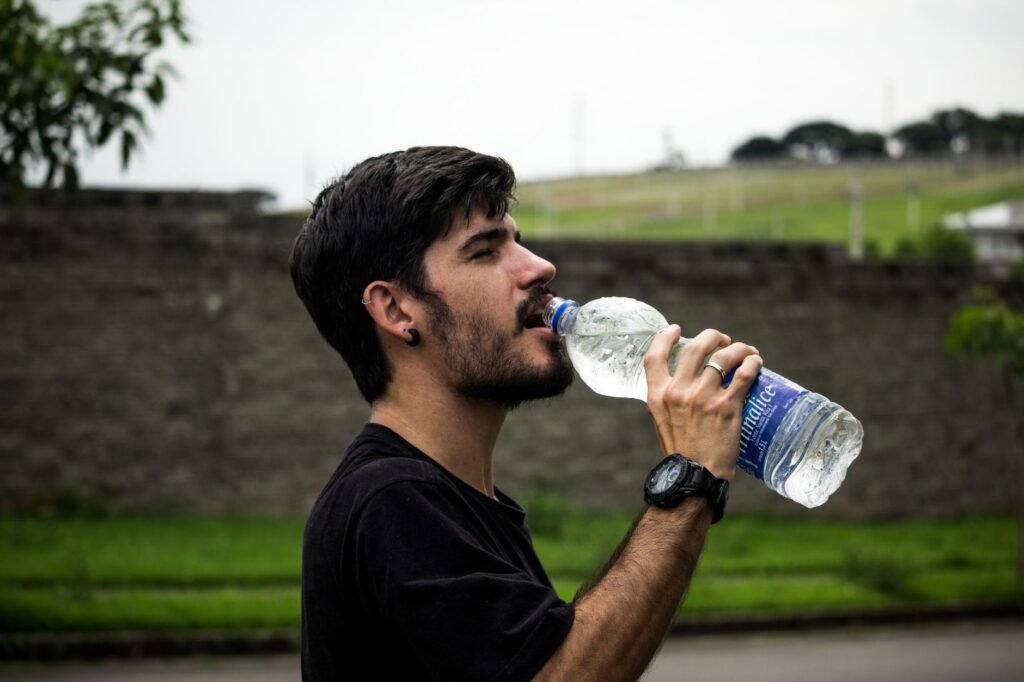
Staying hydrated is one of the most critical aspects of travel during a heatwave. Dehydration can lead to severe health issues, including heat exhaustion and heat stroke. Carry a reusable water bottle to ensure you have access to water throughout your journey. Many European cities are equipped with public drinking fountains, so refilling your bottle is easy and environmentally friendly.
In addition to plain water, consider incorporating electrolyte-rich beverages into your hydration routine, especially if you engage in physical activities. Coconut water or sports drinks can help replenish lost minerals. Always keep an eye on your urine color as a simple gauge of hydration; clear or light yellow typically indicates proper hydration.
Travel Accessories for Comfort
In addition to clothing and hydration, specific travel accessories can enhance your comfort during extreme heat. Consider investing in a portable fan to provide instant relief from heat while waiting in transit. Cooling towels, which can be soaked in water and placed around your neck, are also effective for reducing body temperature.
Furthermore, sunblock is essential in preventing sunburn, which can occur even on cloudy days. Opt for a broad-spectrum sunscreen with a high SPF and reapply it every two hours, especially after swimming or sweating. Here’s a list of accessories to enhance your travel experience during a heatwave:
- Portable fans
- Cooling towels
- Broad-spectrum sunscreen
- Reusable water bottle
- UV-blocking sunglasses
Heatwave Travel Destinations: Where to Go
Coastal Escapes
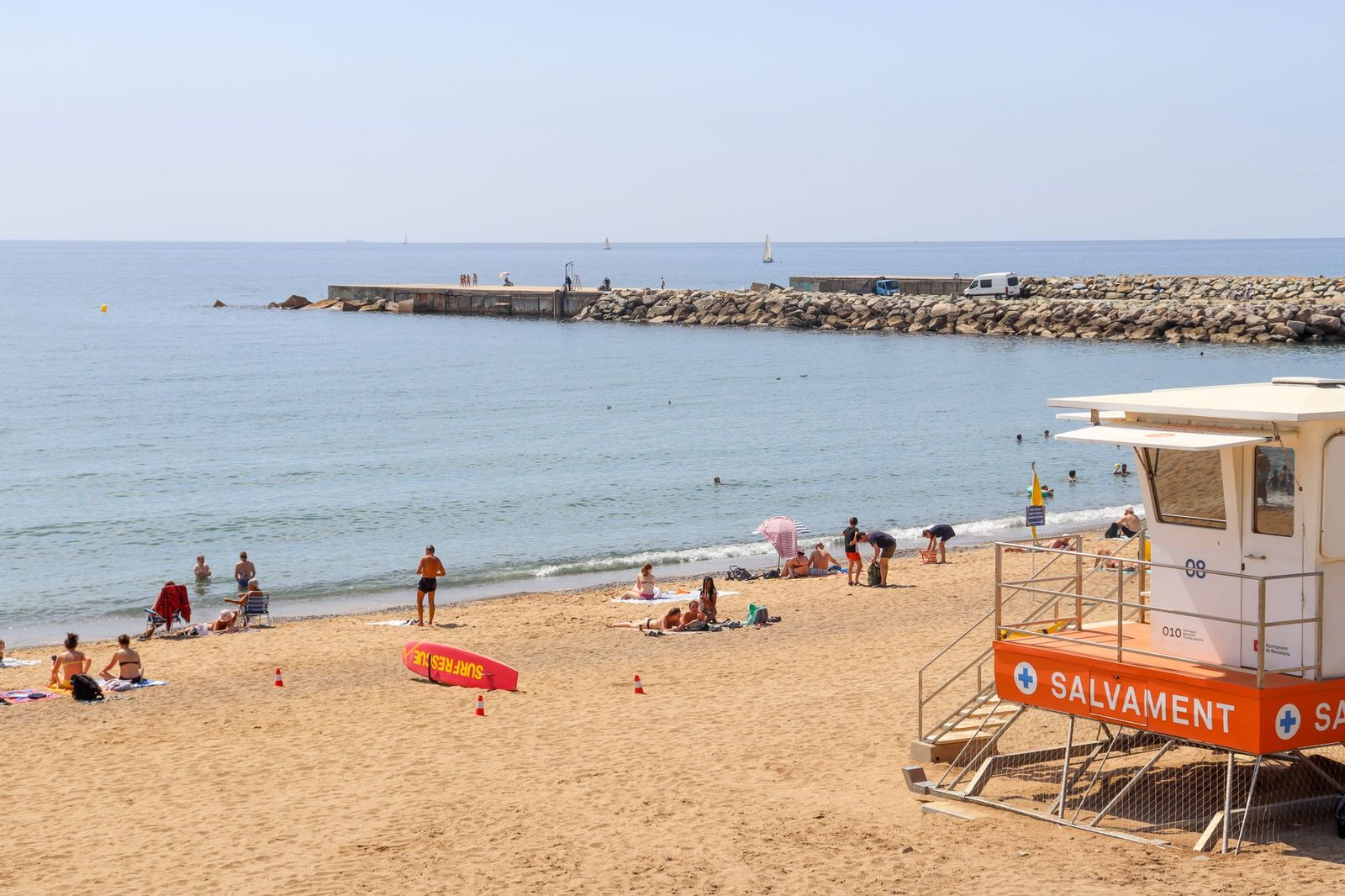
During a heatwave, coastal destinations can provide much-needed relief from the sweltering heat of inland cities. Locations such as the Algarve in Portugal or the French Riviera offer stunning beaches and refreshing sea breezes. The coastal waters are generally cooler, making swimming a delightful option. These areas often have a plethora of water sports, such as jet skiing and paddleboarding, which can keep you active and cool at the same time.
Additionally, many coastal towns feature shaded promenades, perfect for leisurely strolls in the evenings when temperatures drop. Be sure to visit local seafood restaurants that allow dining with an ocean view, enhancing your culinary experience while enjoying the sea air.
Mountain Retreats
If you prefer a cooler climate, consider heading to the mountains. The Alps, Pyrenees, or the Scottish Highlands provide a refreshing escape from the heat. Higher altitudes often mean significantly cooler temperatures, even during the summer months. Hiking and exploring nature trails can be invigorating, and many mountain resorts feature outdoor pools that allow you to relax while enjoying panoramic views.
When planning a mountain getaway, ensure you are equipped with appropriate gear for cooler temperatures, as weather can change rapidly in mountainous regions. Look for accommodations that offer amenities such as air conditioning or shaded outdoor spaces to maximize comfort.
Urban Adventures with Cooling Options
For those who wish to explore vibrant cities amidst a heatwave, it’s essential to know where to find cooling options. Cities like Barcelona, Rome, and Athens have numerous shaded parks and public fountains where travelers can take breaks from the sun. Many museums and galleries also provide air-conditioned spaces, giving visitors a chance to enjoy art and culture while escaping the heat.
Plan your city activities during the cooler parts of the day, such as early mornings or late evenings. When the sun sets, many cities come alive with night markets and outdoor dining, offering a delightful atmosphere without the oppressive daytime heat. Here’s a list of urban cooling options to consider:
- Shaded parks and public gardens
- Air-conditioned museums and galleries
- Public fountains for cooling off
- Evening outdoor markets
- Cafés with shaded terraces

Health Precautions: Recognizing Heat-Related Illnesses
Signs of Heat Exhaustion
As temperatures soar, it’s crucial to recognize the signs of heat exhaustion, which can occur when the body overheats due to excessive heat exposure. Symptoms include heavy sweating, weakness, dizziness, nausea, and headache. If you or someone in your travel group exhibits these signs, it’s essential to act quickly by moving to a cooler location, hydrating with water, and resting. Ignoring these symptoms can lead to more severe conditions, such as heat stroke.
Identifying Heat Stroke
Heat stroke is a more severe condition that requires immediate medical attention. Symptoms include a high body temperature (above 103°F or 39.4°C), altered mental state, confusion, and loss of consciousness. If you suspect someone is suffering from heat stroke, call emergency services right away. While waiting for help, remove any excess clothing, cool the person down with water or ice packs, and fan them to promote evaporation.
Preventive Health Measures
Prevention is always the best strategy when it comes to heat-related illnesses. Ensure you are aware of your personal risk factors, such as age, pre-existing health conditions, or certain medications that may affect your body’s ability to regulate temperature. It’s advisable to consult with a healthcare professional before your trip, especially if you have underlying health issues.
Additionally, familiarize yourself with local emergency contacts and health services in your travel destination. Keep a first-aid kit handy and include items that can help treat heat-related symptoms, such as electrolyte packets. Here’s a list of preventive measures to consider:
- Stay hydrated at all times
- Avoid strenuous activities during peak heat hours
- Wear appropriate clothing for sun protection
- Know the signs of heat exhaustion and heat stroke
- Have a first-aid kit that includes electrolyte solutions
Frequently Asked Questions
What should I do if my flight is canceled due to a heatwave?
If your flight is canceled, check with your airline for rebooking options. You may also be entitled to compensation, depending on the circumstances.
How can I stay safe during a heatwave while traveling?
Stay hydrated, avoid strenuous activities during peak heat hours, and wear appropriate clothing. Always seek shade or air conditioning when possible.
Are all travel disruptions due to heat eligible for compensation?
No, compensation eligibility varies. In general, airlines are not liable for extraordinary weather events, but it’s crucial to check specific policies.
What resources can I use to check travel advisories during a heatwave?
Official government websites, local news outlets, and transport company websites often provide timely updates on travel conditions and advisories.
The Bottom Line
Traveling in Europe during a heatwave requires preparation and awareness of safety measures and compensation rights. By staying informed and proactive, you can mitigate risks and ensure a more enjoyable travel experience, despite the challenges posed by extreme weather. Remember to prioritize your health and safety, and don’t hesitate to claim your rights if disruptions occur.
Visa rules, prices and opening times change. Always confirm details with official sources before you travel.