Asia inspires the imagination of travelers around the world. From the glowing neon streets of Tokyo to the tranquil rice terraces of Bali, from the sacred mountains of Nepal to the vast night markets of Bangkok, this continent is a mosaic of experiences unlike anywhere else. Yet for many visitors, especially those traveling to Asia for the first time, questions about safety and preparedness often arise.
This article explores essential safety tips to help you travel confidently and responsibly across Asia. Whether you are backpacking through Southeast Asia, exploring ancient temples in Cambodia, or navigating bustling urban centers in China, understanding local realities will allow you to enjoy your journey while avoiding unnecessary stress. By the end of this post, you will have a clear, practical roadmap for staying safe, comfortable, and aware throughout your travels in Asia.
Understanding Cultural and Local Context
Every country in Asia carries its own social codes, customs, and cultural expectations. Knowing a few key local norms can prevent misunderstandings and keep you out of uncomfortable situations.
In many Asian societies, respect and politeness are highly valued. For example, in Thailand or Japan, showing irritation or speaking loudly in public is considered disrespectful. Dressing modestly when entering temples in Cambodia or Myanmar is essential for making a good impression and showing cultural understanding.
When you travel, it helps to research a few basic greetings and gestures beforehand. A simple phrase in the local language often creates meaningful connections and builds trust quickly. If unsure about certain behaviors, observe locals and follow their lead. Travelers who engage respectfully tend to receive exceptional hospitality in return.
Health Precautions and Food Safety
Food is one of Asia’s greatest joys, yet it can also be one of the biggest risks if you are not careful. Street food scenes in places like Bangkok, Hanoi, or Kuala Lumpur are among the best in the world, but choosing wisely is key.
Look for vendors who cook food to order and attract a steady local crowd, as this usually means the food is fresh and safe. Avoid raw salads washed in tap water and always ensure bottled water is properly sealed before opening. If you have a sensitive stomach, start with cooked dishes before experimenting with raw or spicy options.
Additionally, consider visiting a travel clinic before your trip to check recommended vaccinations and medications. Many Asian destinations require protection against illnesses such as hepatitis A, typhoid, or malaria, depending on the region. Pack a small health kit including basic antibiotics, antiseptic wipes, and oral rehydration salts, which can be useful if you experience mild ailments.
Transportation Awareness and Road Safety
Transportation in Asia ranges from high speed trains in Japan and China to tuk tuks and scooter taxis weaving through the streets of Bangkok or Ho Chi Minh City. To stay safe, it helps to know how transportation operates in each destination.
Before hiring a taxi or ride share, confirm that the meter is on or agree on a price beforehand to avoid disputes. In many cities, ride hailing apps such as Grab or Gojek are reliable alternatives that offer transparent pricing.
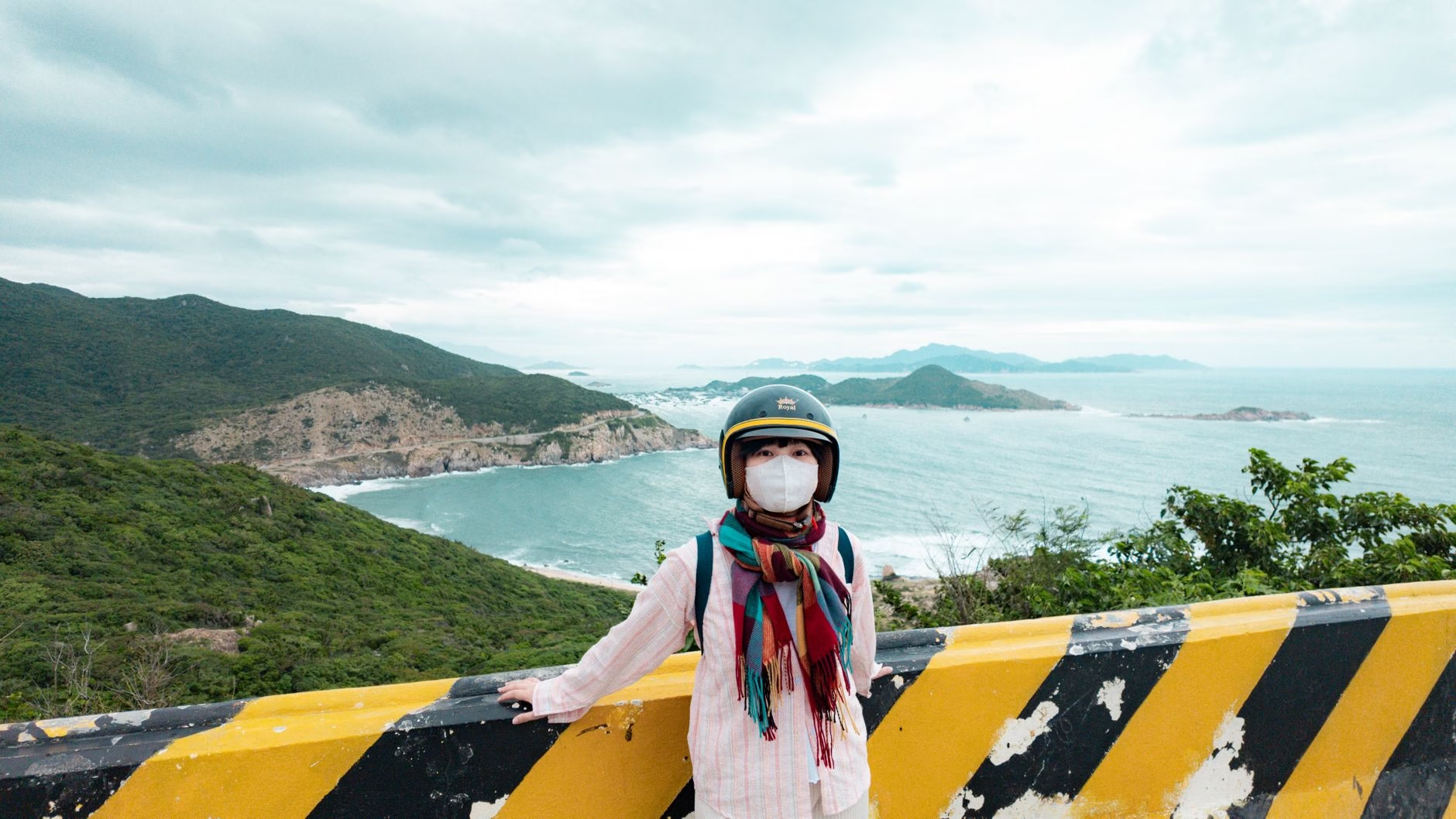
For bus or train travel, keep valuables close at hand and avoid displaying electronics openly. Overnight sleeper trips require securing your belongings; a small travel lock for your zippers is a simple but valuable tool. When using motorbikes or scooters, always wear a helmet and verify your international driving permit is valid for the country you are visiting. Traffic rules may differ greatly, and driving defensively is critical.
Managing Money and Avoiding Scams
Travelers sometimes become targets for small scams, especially in crowded tourist areas. The key is to stay alert without becoming overly suspicious.
Familiarize yourself with local currency before arrival to avoid confusion at exchange counters. Use official money changers and count your cash before leaving the counter. When possible, pay with small bills to avoid overpayment issues.
Be cautious of overly friendly strangers who offer unsolicited tours or “special deals.” Many scams begin with warm introductions that quickly turn into pressure tactics. Always book transport, tours, and activities through reputable platforms or verified agencies.
Carrying a combination of cards and cash is useful, but keep them separate. Store backup funds in a money belt or a hidden pouch and use a secure cross body bag during outings.
Staying Connected and Informed
Modern connectivity makes travel in Asia safer than ever. Most countries offer affordable prepaid SIM cards or portable WiFi devices that make navigation and communication easy. Having reliable internet access lets you use maps, check transportation schedules, and contact emergency services if needed.
Before arriving, save local emergency numbers in your phone. In many countries, tourist police departments operate specifically to assist visitors in distress. Join travel forums or expat groups to stay updated about local news, transportation changes, or safety advisories.
It is also wise to share your itinerary with someone back home and check in periodically. This small habit ensures someone always knows where you are, which is invaluable in case of an emergency.
Respecting Nature and Responsible Adventure Travel
Asia’s landscapes are astonishingly diverse, from Himalayan peaks to Indonesian jungles and Philippine beaches. These environments offer rich opportunities for exploration but require responsibility and awareness.
When trekking or doing adventure activities, always go with licensed guides who understand local terrain and weather conditions. Avoid venturing into remote areas without proper preparation, especially during monsoon or storm seasons.
Wildlife encounters should always prioritize safety and conservation. Support ethical tourism operations that do not exploit animals or the environment. Staying mindful of your footprint is not only good for safety but also for preserving the destinations you love.
Conclusion
Traveling safely in Asia is not about avoiding risk altogether but about embracing awareness and preparation. Understanding cultural customs, eating smart, navigating transportation wisely, and treating local environments with respect will greatly enhance your experience. Asia rewards travelers who approach it with curiosity and mindfulness.
By following these detailed tips, you can move through its bustling cities, tranquil beaches, and sacred temples with confidence. At its heart, safety in Asia is rooted in respect, respect for culture, respect for people, and respect for your own wellbeing. Let that be your compass as you explore this extraordinary continent and return home with memories that last a lifetime.
Further Reading
3 Day Istanbul Itinerary for First Time Visitors
Travel to Somalia; How I Traveled to Mogadishu
Free Family Things to do in Chicago Today
How to Spend Four Days in Hong Kong