Where to See Pandas in China: Essential Spots and Tips
Discover the best places in China to see pandas, from conservation centers to natural habitats, with practical tips for your visit.
Pandas are one of the most beloved animals globally, recognized for their distinctive black and white fur and gentle disposition. In China, they are a national treasure and an incredible draw for travelers. If you’re wondering where to see pandas in China, you’re in for a treat. From dedicated conservation centers to natural habitats, there are several excellent locations where you can observe these magnificent creatures up close.
This guide will provide you with all the necessary information to plan your visit, including the best places to see pandas, tips for your trip, and insights into conservation efforts that help protect these iconic animals. Whether you’re a wildlife enthusiast or simply curious about these adorable creatures, this guide will help you find the best spots to experience pandas in their natural or semi-natural environments.
With an estimated population of less than 1,900 giant pandas left in the wild, visiting these locations not only offers a chance to see pandas but also supports ongoing conservation efforts. Let’s explore where to see pandas in China.
Top Places to See Pandas in China
1. Chengdu Research Base of Giant Panda Breeding
Located in Chengdu, Sichuan Province, this is perhaps the most famous place to see pandas. The Chengdu Research Base of Giant Panda Breeding is a non-profit organization dedicated to the conservation of giant pandas and other endangered species.
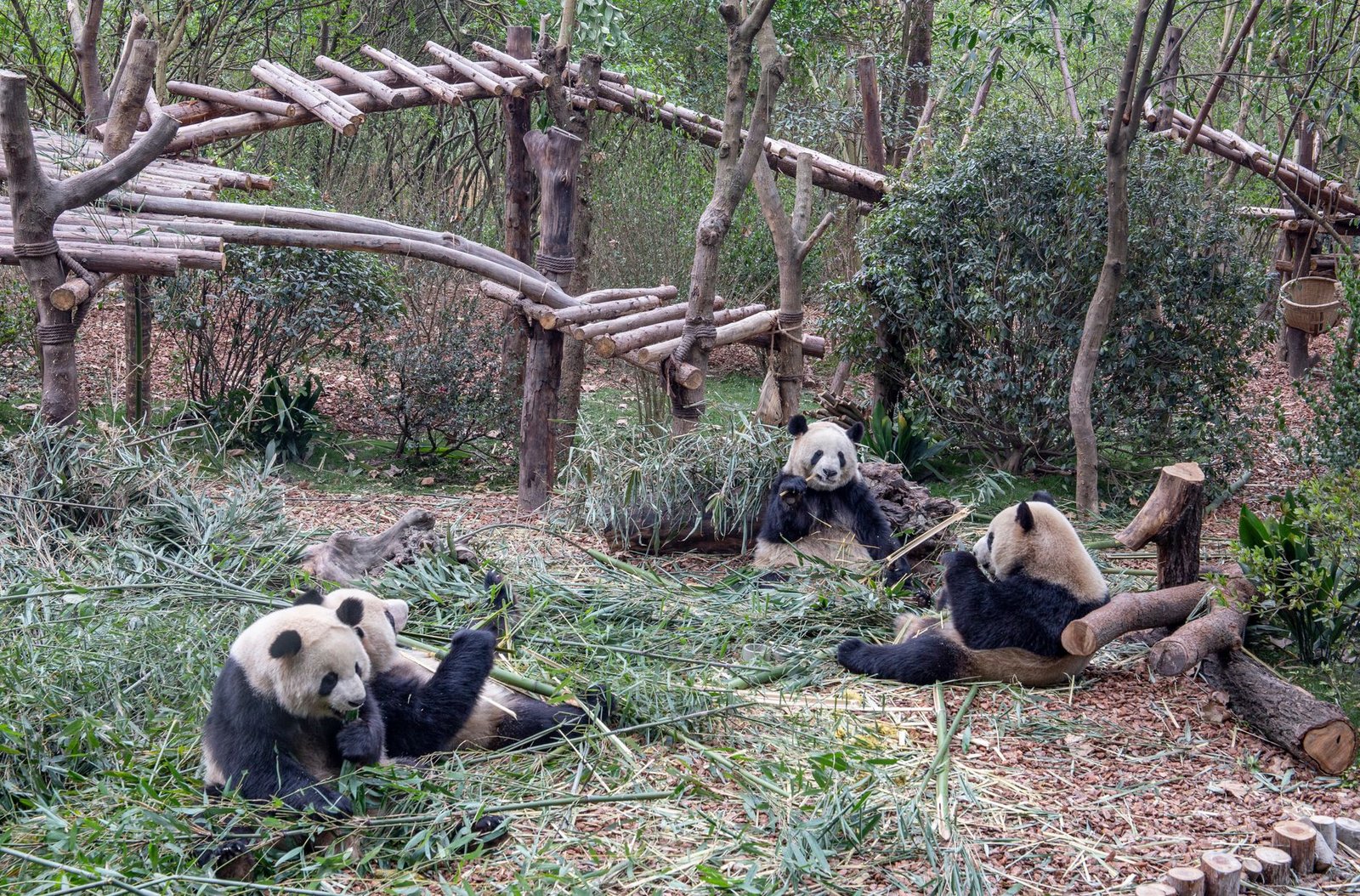
Visitors can enjoy a range of activities, including guided tours that provide insights into panda breeding and rehabilitation. The facility houses over 80 giant pandas and offers the opportunity to see them in various life stages, from playful cubs to majestic adults.
- Location: 87 Xiongmao Avenue, Chengdu, Sichuan
- Best time to visit: Early morning, when pandas are most active.
- Cost: Approximately 58 RMB for entry.
2. Wolong National Nature Reserve
Wolong is one of the largest panda reserves in China, located about 2.5 hours from Chengdu. It is part of the larger Sichuan Giant Panda Sanctuary, a UNESCO World Heritage Site. The reserve is home to a significant number of wild pandas as well as a research center.
Visitors can explore the scenic mountainous landscape while potentially spotting wild pandas in their natural habitat. There are also opportunities for eco-tours where you can learn about the pandas’ role in the ecosystem and conservation efforts.
- Location: Wolong Town, Wenchuan County, Sichuan
- Best time to visit: March to May and September to November.
- Cost: Entry fees vary; guided tours are recommended.
3. Bifengxia Panda Base
Another great location is the Bifengxia Panda Base, located about 2 hours from Chengdu. This facility was established after the 2008 Sichuan earthquake, which damaged the original breeding base. It is now home to over 100 pandas and offers a more intimate experience with fewer crowds.
Visitors can observe pandas in a more natural setting as they roam in larger enclosures. The base also offers volunteer programs where you can help care for pandas and learn more about their needs and behaviors.
- Location: Bifengxia Scenic Area, Ya’an, Sichuan
- Best time to visit: Weekdays to avoid large crowds.
- Cost: Approximately 60 RMB for entry.
4. Qinling Panda Research Center
Located in Shaanxi Province, this lesser-known panda reserve focuses on the preservation of the Qinling panda, a subspecies of giant panda. The center is dedicated to breeding and research, making it an exciting destination for those interested in panda conservation.
Although it is more remote than other locations, visitors can experience the beauty of the Qinling Mountains while learning about the unique aspects of this panda subspecies. The center conducts breeding and research projects that contribute to the overall understanding of panda biology.
- Location: Qinling Mountains, Shaanxi
- Best time to visit: Spring and fall, when temperatures are mild.
- Cost: Varies by season.

Conservation and Ethical Considerations
As pandas are classified as vulnerable, it is crucial to understand the significance of conservation efforts. Many of the facilities mentioned are involved in breeding programs, rehabilitation, and research aimed at increasing panda populations and educating the public about their plight.
When visiting these centers, choose those that prioritize animal welfare and conservation. Look for facilities that engage in active research and breeding programs, and that contribute to the protection of pandas in the wild.
Moreover, some facilities offer volunteer programs where visitors can assist with panda care and learn about their behaviors. These experiences not only provide direct support to conservation efforts but also deepen your understanding of the challenges pandas face.
Best Times to Visit Pandas
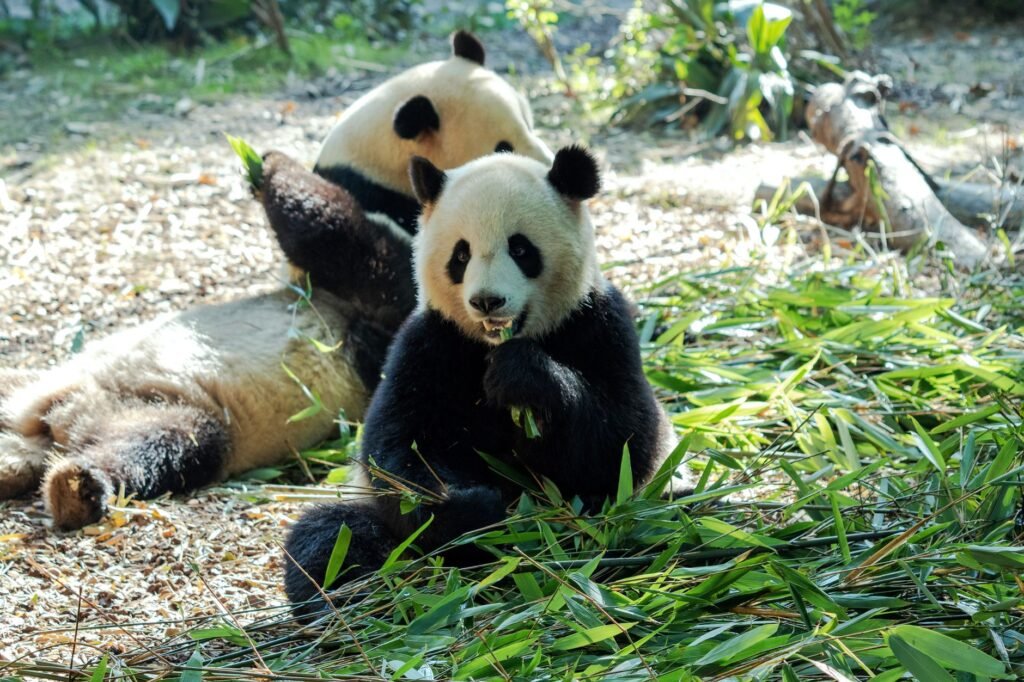
The best time to see pandas is generally early in the morning when they are most active. Weather can also play a significant role in your experience. Spring (March to May) and autumn (September to November) are ideal times to visit as temperatures are mild and pandas are typically more lively.
During the summer months, particularly in July and August, crowds can be significant, making it more challenging to get a good view of the pandas. Winter visits can be rewarding due to fewer tourists, but pandas tend to be less active in colder temperatures.
- Spring: Best for seeing active pandas.
- Summer: Crowded but can be fun for families.
- Autumn: Mild weather and vibrant scenery.
- Winter: Quiet, but pandas may be less active.
Practical Travel Tips
Traveling to see pandas can be a wonderful experience, but planning is essential to make the most of your trip. Here are some tips to ensure your visit is enjoyable:
- Book in Advance: If you plan to visit popular sites like Chengdu, book your tickets ahead of time, especially during peak seasons.
- Travel Insurance: Ensure you have travel insurance that covers health and travel disruptions.
- Transportation: Consider using local transportation options like buses or taxis to navigate between sites. Some facilities may also offer shuttle services.
- Respect the Animals: Always follow the guidelines provided at the centers. Do not feed or touch the pandas, as this can disrupt their natural behaviors and routines.
Unique Panda Experiences Beyond Zoos
Panda Volunteer Programs
For those looking to get up close and personal with pandas, participating in a panda volunteer program can be a once-in-a-lifetime experience. These programs typically allow visitors to spend a day at a panda base where they can help care for these adorable creatures. Activities may include feeding pandas, cleaning their enclosures, and learning about their behavior and conservation efforts. Many programs are designed for small groups, ensuring a more intimate interaction with the animals.
- Chengdu Research Base of Giant Panda Breeding
- Dujiangyan Panda Base
- Wolong National Nature Reserve
While participating in a volunteer program, guests often receive a certificate of participation and can take photos with the pandas. However, it’s essential to book in advance as spots can fill quickly, especially during peak tourist seasons.
Panda Trekking Adventures
For those who want to experience pandas in their natural habitat, consider a trekking adventure in the mountains of Sichuan. Guided tours often lead visitors through stunning landscapes, where you can witness pandas roaming freely in the wild. These treks not only provide an opportunity to see pandas in a more natural setting but also allow you to enjoy the breathtaking scenery of the region.
- Route Options: Short day hikes to multi-day trekking expeditions
- Wildlife Spotting: Look out for other local wildlife such as red pandas and various bird species
- Guided vs. Self-Guided: Consider hiring a local guide for informative insights
These adventures are perfect for nature enthusiasts, offering a chance to connect with the environment while learning about local ecosystems. Be prepared with appropriate gear and physical fitness, as some trails can be challenging.

Panda Cultural Experiences
Traditional Festivals Celebrating Pandas
In various regions of China, especially in Sichuan, there are festivals dedicated to pandas that celebrate their significance in Chinese culture. These festivals often feature activities such as panda-themed parades, educational workshops, and cultural performances. Visitors can engage with local artisans selling panda souvenirs, enjoy traditional Sichuan cuisine, and participate in family-friendly activities.
- Chengdu Panda Festival: Celebrated annually in September, features arts, crafts, and cultural displays.
- Panda Lantern Festival: A colorful display of panda-themed lanterns, typically held during Lunar New Year.
- Community Events: Many local communities host smaller events that include panda-related festivities.
Attending these festivals not only enhances your understanding of pandas but also offers a glimpse into the rich cultural heritage of the region.
Panda-Themed Culinary Experiences
Food enthusiasts can indulge in panda-themed culinary experiences available in various restaurants across Sichuan. Many establishments offer dishes inspired by pandas, such as panda-shaped buns, desserts, and even drinks. These whimsical dishes are not only visually appealing but also provide a unique twist on traditional Sichuan cuisine.
- Panda Buns: Steamed buns shaped and colored like pandas, often filled with sweet red bean paste.
- Panda Ice Cream: Soft serve ice cream styled to resemble pandas, a hit among families.
- Panda Tea: Special blends of tea served in panda-themed teacups.
Participating in a panda-themed cooking class can also be an exciting way to learn about local ingredients and techniques while creating your own panda-inspired dishes. These classes often include a market tour to source fresh ingredients, adding an authentic touch to your culinary journey.
Panda Conservation Education
Educational Workshops and Programs
Many panda bases and reserves offer educational workshops focused on panda conservation. These programs are designed for all age groups and can range from short presentations to in-depth courses that delve into the biology and ecology of pandas. Participants learn about the challenges pandas face in the wild and the efforts being made to protect their habitats.
- Workshops on Panda Behavior: Understanding how pandas interact and their social structures.
- Conservation Strategies: Discussions on breeding programs and habitat preservation.
- Interactive Sessions: Engage with research scientists and conservationists.
These educational experiences provide valuable insights into the ongoing efforts to conserve pandas and encourage visitors to get involved in conservation initiatives.
Eco-Tourism and Sustainable Practices
As awareness of environmental issues grows, many panda bases are adopting eco-tourism practices to minimize their impact on the environment. Visitors can learn about these sustainable practices during their visits, including the use of renewable energy sources, waste reduction strategies, and habitat restoration projects. Participating in eco-friendly tours can enhance your experience while supporting responsible tourism.
- Stay in Eco-Lodges: Choose accommodations that prioritize sustainability.
- Participate in Clean-Up Drives: Engage in local conservation efforts during your visit.
- Support Local Conservation Groups: Donations can help fund ongoing projects aimed at protecting panda habitats.
By embracing eco-tourism during your panda visit, you contribute to the larger goal of preserving the natural habitat of these beloved animals for future generations.

Panda Photography Tips
Choosing the Right Time of Day
Pandas are most active during the early morning and late afternoon, making these times ideal for photography. The soft, golden light during sunrise and sunset can enhance the beauty of your photos. Arriving at the panda reserve early allows you to capture the pandas as they wake up and begin their day, providing a unique glimpse into their behavior.
Equipment Recommendations
For wildlife photography, a zoom lens is essential. A lens with a focal length of at least 200mm allows you to capture pandas from a distance without disturbing them. Additionally, consider using a tripod for stability, especially in low light conditions. A camera with fast autofocus can help you capture these playful creatures in action.
Composition and Shot Ideas
- Close-ups of facial expressions
- Pandas interacting with their environment
- Wide shots that capture the habitat
Experiment with different angles and perspectives. Low angles can make the pandas appear larger than life, while high angles can provide a contextual view of their surroundings. Don’t forget to include elements of nature, like bamboo, to give your photos a more authentic feel.
Panda Research Opportunities
Participating in Volunteer Programs
Many panda reserves offer volunteer programs that allow visitors to engage in conservation efforts. These programs often include tasks such as preparing food for the pandas and cleaning their enclosures. Participating in these activities provides a deeper understanding of panda care and conservation.
Research Tours
Some facilities offer special tours focused on ongoing research efforts. These tours provide insights into the scientific studies being conducted on panda behavior, genetics, and habitat preservation. Engaging with researchers allows visitors to learn about the latest findings and the challenges faced in panda conservation.
Educational Workshops
- Workshops on panda nutrition
- Sessions on habitat restoration
- Lectures on breeding programs
Participating in educational workshops can significantly enhance your knowledge and appreciation for these magnificent animals. These experiences often include hands-on activities that make learning engaging and memorable.
Local Cuisine Near Panda Reserves
Dining Options in Chengdu
Chengdu, the capital of Sichuan Province, is known for its vibrant food scene. There are numerous dining options near panda reserves that not only offer delicious meals but also showcase local flavors. Popular dishes include spicy hotpot and mapo tofu, which are must-tries for any visitor.
Restaurants with Panda Themes
Some restaurants creatively incorporate panda themes into their menus and decor. Dining in such establishments can provide a fun and unique experience. Look for places that serve panda-shaped buns or desserts to add a playful element to your meal.
Food Markets and Street Vendors
- Jianbing (Chinese crepes)
- Chuan Chuan (skewered meats)
- Sichuan noodles
Exploring local food markets and street vendors is a great way to immerse yourself in the culinary culture of the region. Sampling various street foods while learning about local ingredients offers an authentic experience that complements your panda adventure.
Frequently Asked Questions
Where can I see pandas in the wild?
The best chance to see pandas in the wild is in remote areas like the Wolong National Nature Reserve or the Qinling Mountains, where they roam freely.
How much does it cost to see pandas?
Entry fees for panda centers vary by location but typically range from 58 to 100 RMB. Additional costs may apply for guided tours or experiences.
Can I volunteer at a panda conservation center?
Yes, many centers offer volunteer programs where you can help care for pandas and participate in conservation efforts. Check the specific center’s website for details.
Is it safe to visit panda reserves?
Yes, visiting panda reserves is generally safe. However, always follow the guidance of staff and adhere to safety rules to ensure a pleasant experience.
The Bottom Line
Seeing pandas in China is a unique and rewarding experience that combines wildlife observation with the opportunity to learn about conservation. Whether you visit the Chengdu Research Base or explore the natural habitats in Wolong, you will gain insight into the lives of these incredible animals. Remember to plan your trip according to the best times to visit and choose ethical facilities that support panda conservation efforts.
Visa rules, prices and opening times change. Always confirm details with official sources before you travel.