World’s Safest Airlines Named: Travel with Peace of Mind
Discover the world's safest airlines named for your travel peace of mind. Learn about their safety records and what makes them stand out.
Understanding Airline Safety
When it comes to air travel, safety is a top priority for passengers worldwide. The aviation industry has made significant strides in improving safety over the years, leading to safer flights and a reduction in accidents. However, not all airlines are created equal, and some have established a reputation for prioritizing safety above all else. This article focuses on the world’s safest airlines named based on comprehensive safety ratings and assessments.
Airline safety is typically measured by several factors, including incident history, fleet age, operational procedures, and adherence to safety regulations. Organizations like AirlineRatings.com and the International Air Transport Association (IATA) play a crucial role in evaluating and ranking airlines based on these criteria. By understanding which airlines have consistently demonstrated excellence in safety, travelers can make informed choices for their journeys.
In this guide, we will explore the airlines recognized for their outstanding safety records, the criteria used to evaluate them, and practical tips for choosing safe airlines for your travels. Whether you are flying domestically or internationally, knowing which airlines are considered the safest can help ensure peace of mind during your travels.
The Criteria for Safety Ratings
Before we delve into the specifics of the world’s safest airlines, it is essential to understand the criteria that organizations use to evaluate airline safety. Here are some of the key factors:
- Accident History: The frequency and severity of accidents involving an airline are critical in determining its safety rating. Airlines with a clean accident history are ranked higher.
- Regulatory Compliance: Airlines must comply with international and national aviation regulations. Organizations assess how well airlines adhere to these rules, including regular maintenance and operational standards.
- Fleet Age: The average age of an airline’s fleet can impact safety. Newer aircraft typically come equipped with the latest safety technology.
- Operational Excellence: This includes pilot training, maintenance practices, and overall management of safety protocols. Airlines with rigorous training programs and safety cultures score better.
- Industry Recognition: Awards and recognitions from aviation safety organizations can also influence an airline’s safety rating.
These criteria combined create a comprehensive picture of an airline’s safety performance. Organizations like AirlineRatings.com utilize these factors to produce annual safety rankings, allowing travelers to identify the safest airlines easily.
Top 10 Safest Airlines in the World
Based on recent safety rankings, the following airlines have been recognized as the world’s safest. This list may vary slightly each year as new safety evaluations are conducted, but these airlines consistently rank among the best:
- Qantas Airways: The Australian airline has a stellar safety record and has not had a fatal accident since the 1950s. Its comprehensive safety procedures and state-of-the-art fleet have earned it the top spot.
- Singapore Airlines: Known for its exceptional service, Singapore Airlines also emphasizes safety and has a modern fleet, making it one of the safest airlines globally.
- Emirates: Based in Dubai, Emirates is lauded for its investment in new aircraft and rigorous safety training programs for its staff.
- All Nippon Airways (ANA): Japan’s largest airline prioritizes safety, with a focus on maintenance and operational excellence, leading to high safety ratings.
- Cathay Pacific: This Hong Kong-based airline maintains a strong safety history and has consistently been recognized for its adherence to safety regulations.
- British Airways: The UK’s flagship carrier has a solid safety record and invests heavily in safety management systems and staff training.
- Lufthansa: Germany’s largest airline is known for its stringent safety measures and operational excellence, contributing to its high safety ratings.
- Finnair: This Finnish airline has a reputation for safety and efficiency, with a focus on modernizing its fleet to enhance safety standards.
- Qatar Airways: Qatar Airways has rapidly grown its fleet and is recognized for its safety protocols and operational practices.
- Delta Air Lines: One of the largest airlines in the U.S., Delta has a commendable safety record and invests in crew training and maintenance.
These airlines have established themselves as leaders in safety, making them excellent choices for travelers seeking peace of mind while flying.
Real-Life Example: Choosing a Safe Airline
Imagine a traveler named Sarah, who is planning her first international trip to Australia. Concerned about flying, she decides to research the safest airlines to book her ticket. After reviewing safety ratings, she discovers that Qantas Airways is consistently ranked as one of the safest airlines in the world.
Feeling reassured by Qantas’s history of safety and modern fleet, Sarah books her flight with confidence. During her journey, she notices the airline’s commitment to safety through its attentive crew and well-maintained aircraft. This positive experience reinforces her decision to prioritize safety when choosing airlines in the future.
Sarah’s story illustrates how researching airline safety can lead to informed decisions and a more enjoyable travel experience. Passengers who prioritize safety can travel with peace of mind, knowing they are in capable hands.
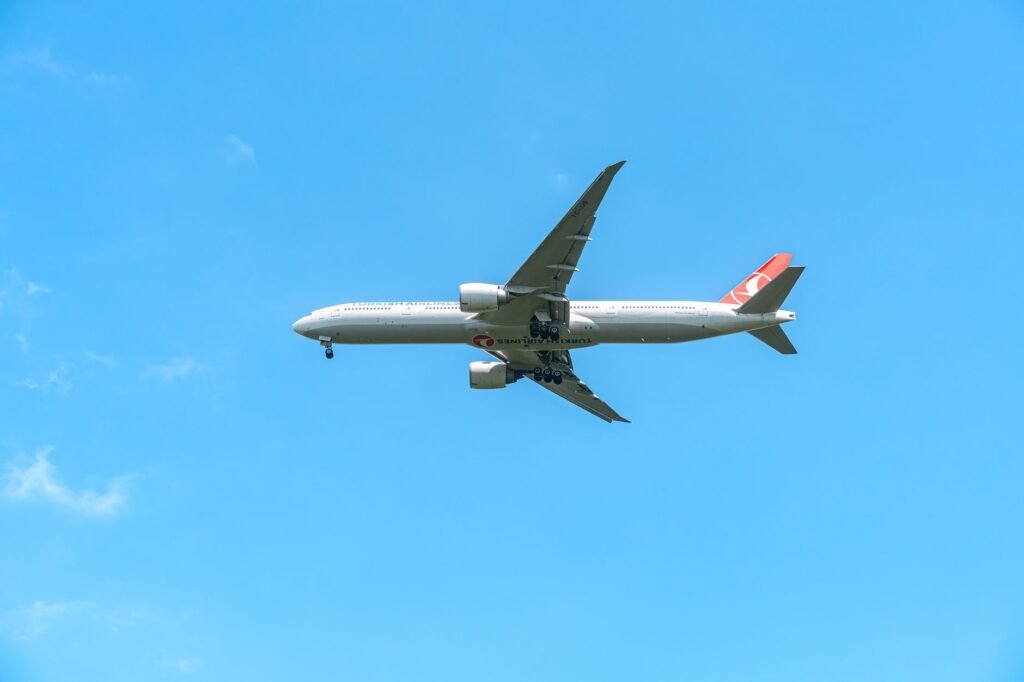
How to Choose a Safe Airline for Your Travel
Selecting a safe airline involves more than just looking at safety rankings. Here are some practical tips to consider when choosing an airline for your next journey:
- Research Safety Ratings: Utilize resources like AirlineRatings.com or IATA to review safety ratings and annual rankings of airlines.
- Consider Fleet Age: Check the airline’s fleet information to determine the average age of the aircraft. Newer planes often come with advanced safety features.
- Read Passenger Reviews: Look for feedback from fellow travelers about their experiences with the airline, focusing on safety and service quality.
- Check Incident History: Research any accidents or incidents involving the airline. A clean record over the years is a positive sign.
- Look for Safety Certifications: Airlines that have received safety certifications from recognized organizations demonstrate a commitment to safety protocols.
- Evaluate Travel Insurance: Consider purchasing travel insurance that covers flight-related incidents. This adds an additional layer of security for your travels.
By following these tips, travelers can make informed choices and feel confident in their decisions. Safety should never be compromised when it comes to air travel.
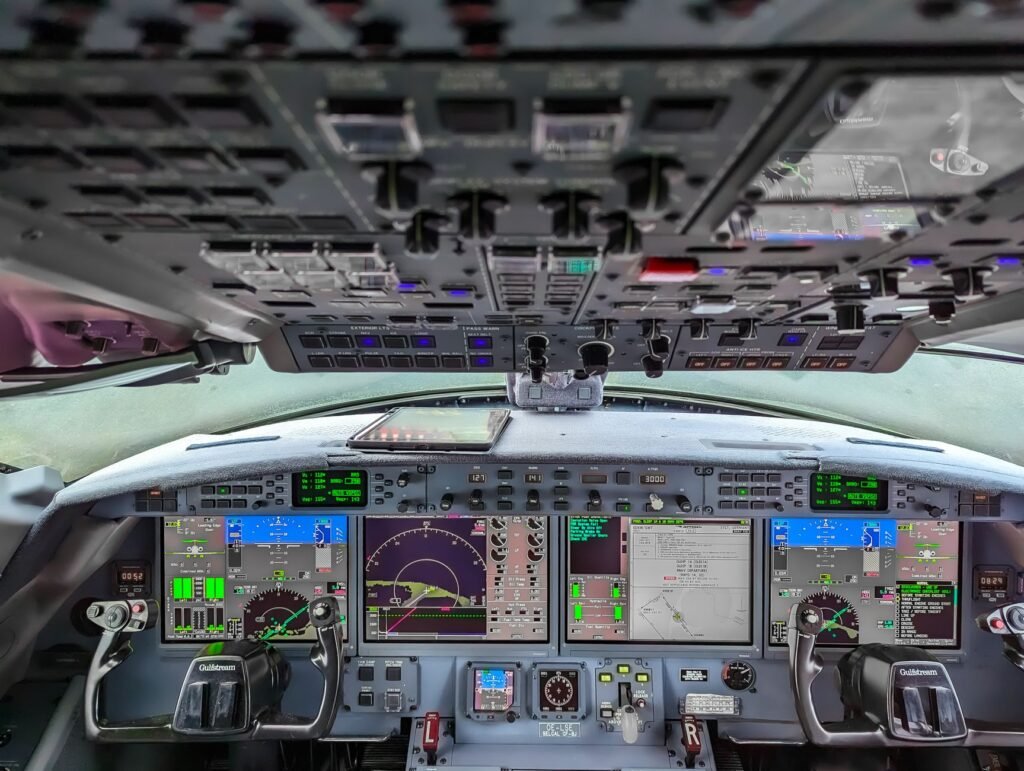
Emerging Technologies Enhancing Airline Safety
Advanced Cockpit Automation
In recent years, airlines have increasingly adopted advanced cockpit automation technologies that significantly enhance flight safety. These systems are designed to assist pilots in monitoring and controlling the aircraft, thereby reducing the likelihood of human error, which is a leading cause of aviation accidents. With sophisticated autopilot features, pilots can focus on strategic decision-making rather than manual controls, particularly during critical phases of flight such as takeoff and landing.
Aircraft like the Boeing 787 Dreamliner and the Airbus A350 are equipped with state-of-the-art avionics that provide real-time data on flight conditions. This data helps pilots make informed decisions in challenging weather or emergency situations. Additionally, automation helps in maintaining optimal fuel efficiency and flight paths, further ensuring the safety of passengers and crew.
- Enhanced situational awareness through real-time data.
- Reduced pilot workload during complex flight operations.
- Improved communication between aircraft systems and pilots.
Artificial Intelligence in Predictive Maintenance
Airlines are now leveraging artificial intelligence (AI) to predict maintenance needs before issues arise, which is critical in ensuring aircraft safety. By analyzing vast amounts of data from various sensors and systems, AI can identify patterns that indicate potential failures. This proactive approach allows airlines to conduct maintenance before a mechanical issue can affect safety, thereby minimizing risks associated with in-flight malfunctions.
For instance, predictive maintenance systems can analyze engine performance data to forecast when a component may need servicing or replacement. This not only enhances safety but also leads to cost savings for airlines, as they can schedule maintenance during non-peak times rather than dealing with unexpected repairs that could ground an aircraft.
- Decrease in unscheduled maintenance events.
- Increased aircraft availability and operational efficiency.
- Enhanced safety through timely interventions.
Emergency Response Training Enhancement
Airlines are placing a higher emphasis on emergency response training for both flight crew and ground staff. This training goes beyond the standard safety protocols and includes simulations of rare, high-stress scenarios that could occur during a flight. By preparing their teams for worst-case scenarios, airlines can ensure that they are equipped to handle emergencies efficiently and effectively.
Furthermore, many airlines have started to incorporate virtual reality (VR) training modules into their programs, allowing crew members to experience immersive simulations that mimic real-life emergencies. This training not only improves confidence among crew members but also fosters a culture of safety within the airline.
- Realistic emergency scenario training.
- Incorporation of VR technology for enhanced learning.
- Regular refresher courses to keep skills sharp.
The Role of Regulatory Bodies in Airline Safety
International and National Safety Standards
Regulatory bodies like the International Civil Aviation Organization (ICAO) and national aviation authorities play a crucial role in establishing safety standards that airlines must adhere to. These organizations set forth guidelines that govern aircraft design, pilot training, and maintenance procedures, among other critical aspects of aviation safety. Compliance with these standards is mandatory, ensuring a baseline level of safety for all commercial airlines.
National aviation authorities, such as the Federal Aviation Administration (FAA) in the United States and the European Union Aviation Safety Agency (EASA), conduct regular inspections and audits of airlines to ensure compliance with safety regulations. They also provide resources and training to improve safety practices across the industry.
- ICAO sets global safety standards.
- National authorities enforce compliance through inspections.
- Regular training and resources provided to airlines.
Incident Reporting and Safety Management Systems
Another important aspect of airline safety is the incident reporting and safety management systems implemented by airlines. These systems encourage employees to report safety concerns or near-miss incidents without fear of reprisal. By fostering a culture of transparency, airlines can learn from past mistakes and improve their safety protocols continuously.
Airlines analyze incident reports to identify trends and implement corrective measures. This proactive approach ensures that potential issues are addressed before they escalate into serious problems. Additionally, regulatory bodies often require airlines to maintain and report on their safety management systems, which helps to ensure accountability within the industry.
- Encouragement of non-punitive reporting of incidents.
- Trend analysis to identify and mitigate risks.
- Regulatory accountability through safety management systems.
Global Collaboration for Safety Improvements
International collaboration among airlines, regulators, and industry stakeholders is vital for advancing airline safety. Organizations such as the Aviation Safety Network and the Flight Safety Foundation work to share data, research, and best practices across borders. This collaboration enables airlines to learn from each other’s experiences and implement successful safety strategies.
Moreover, joint safety initiatives allow for more extensive research into aviation safety issues that may not be confined to individual airlines or regions. By pooling resources and knowledge, the aviation industry can develop more effective safety measures that benefit passengers worldwide.
- Shared data and research across international borders.
- Joint initiatives to address common safety challenges.
- Improved global standards through collaboration.
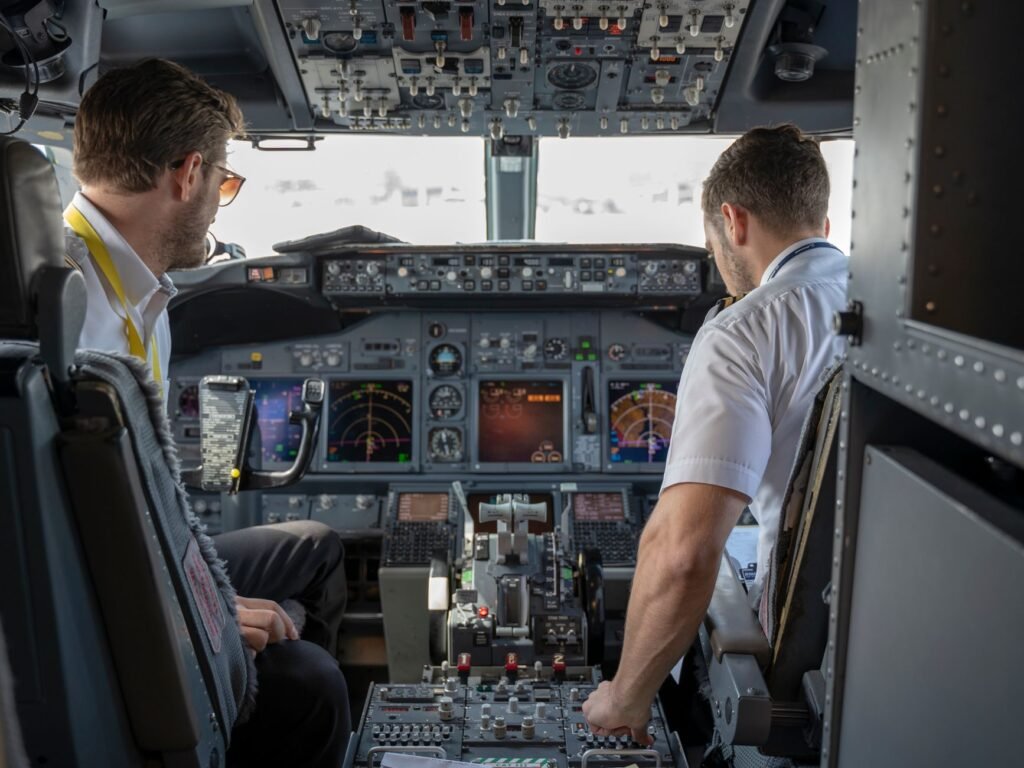
Passenger Awareness and Participation in Airline Safety
Understanding Safety Briefings
Passengers play a crucial role in their own safety during flights. Understanding and paying attention to safety briefings delivered by flight attendants can significantly improve outcomes in emergency situations. These briefings provide essential information on how to use safety equipment, locate exits, and respond in the event of an emergency.
Despite the importance of these briefings, studies have shown that many passengers do not engage fully during this time. Airlines are now exploring innovative ways to enhance passenger engagement during safety briefings, such as interactive demonstrations and video presentations. By making safety briefings more engaging, airlines hope to improve retention of vital safety information.
- Importance of understanding safety equipment usage.
- Innovative engagement strategies for briefings.
- Encouraging passengers to participate in safety protocols.
Understanding In-Flight Safety Policies
Another key area where passenger awareness contributes to safety is understanding in-flight safety policies. Airlines have specific policies regarding the use of electronic devices, seatbelt regulations, and carry-on baggage restrictions, all designed to enhance safety. Familiarizing oneself with these policies can prevent accidents and ensure a smoother flight experience.
Passengers are encouraged to review the airline’s safety policies before their journey. Many airlines provide this information on their websites and through their mobile apps. By being informed, passengers can comply with regulations and contribute to the overall safety of the flight.
- Reviewing safety policies before travel.
- Understanding the rationale behind in-flight regulations.
- Encouraging compliance for safety enhancement.
Reporting Safety Concerns
Passengers should also feel empowered to report any safety concerns they notice during the flight. Whether it’s an issue with another passenger, malfunctioning equipment, or any other potential safety hazard, reporting these concerns can help cabin crew address the situation effectively. Airlines encourage passengers to communicate with flight attendants if they observe anything unusual.
Many airlines have established easy reporting mechanisms, either through their apps or by direct communication with crew members. By taking an active role in safety, passengers can help maintain a secure travel environment for everyone on board.
- Empowering passengers to report concerns.
- Encouraging communication with flight attendants.
- Establishing easy reporting mechanisms.
Frequently Asked Questions
What factors determine an airline’s safety rating?
An airline’s safety rating is determined by accident history, regulatory compliance, fleet age, operational excellence, and industry recognition.
Are low-cost airlines safe?
Many low-cost airlines prioritize safety and maintain rigorous safety standards. However, it’s essential to research individual airlines to verify their safety records.
How can I find the safest airline for my destination?
Use resources like AirlineRatings.com to view safety ratings and rankings for airlines flying to your desired destination.
Is flying on a newer aircraft safer?
Generally, newer aircraft come equipped with the latest safety technology and improvements, making them safer than older models.
The Bottom Line
When searching for the world’s safest airlines named, it is vital to consider a range of factors that contribute to an airline’s safety record. By choosing airlines with strong safety ratings, travelers can embark on their journeys with confidence. Always prioritize safety when flying, and utilize available resources to ensure you are making informed decisions.
Visa rules, prices and opening times change. Always confirm details with official sources before you travel.