Discover The Best Places to Visit in China: A Guide
Explore the best places to visit in China, from vibrant cities to breathtaking landscapes, and plan your perfect itinerary with practical tips.
China, a land rich in history and culture, offers a myriad of experiences for travelers. From bustling metropolises to serene landscapes, the best places to visit in China provide a glimpse into both its ancient past and its modern advancements. Whether you are an adventurer, a history buff, or a foodie, there are destinations in China that cater to every interest.
Traveling in China can be an enriching experience, and planning ahead can ensure you make the most of your journey. This guide will take you through some of the top destinations in China, including practical tips on how to get there, when to visit, and what to expect.
Understanding the geographical diversity of China is key to appreciating its many attractions. The country spans several climates and terrains, from the snowy peaks of the Himalayas to the tropical beaches of Hainan. Each region has its own unique culture, cuisine, and sights, making it a fascinating destination for tourists.
Beijing: The Heart of China
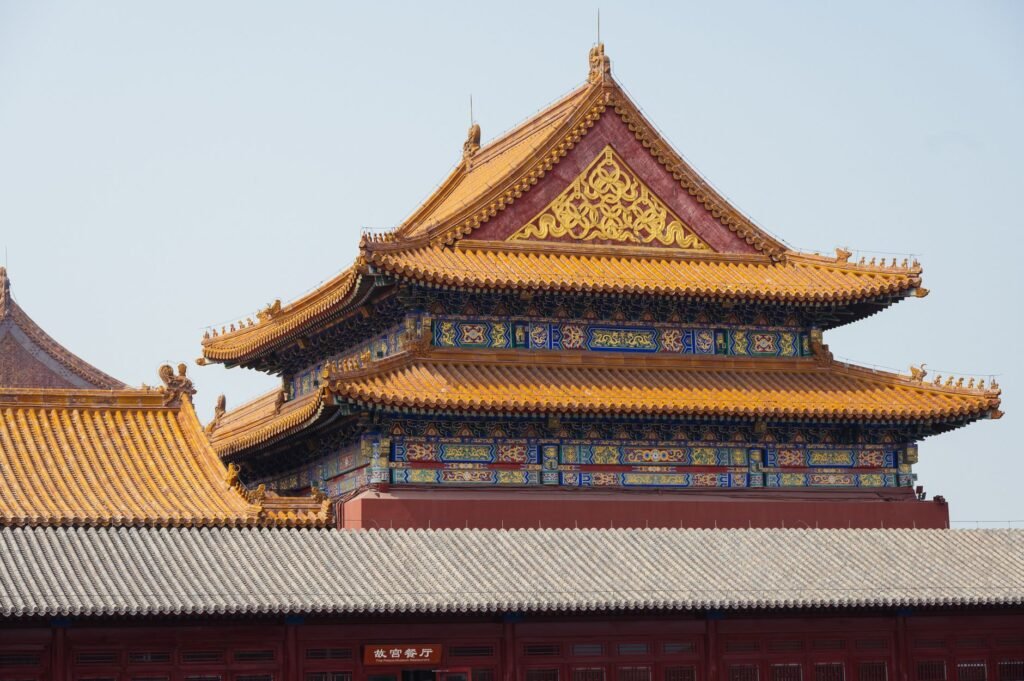
Beijing, the capital city, is a must-visit for anyone traveling to China. It is a city where ancient history meets modern life, and its landmarks reflect this unique blend. The Forbidden City, a UNESCO World Heritage Site, is the former imperial palace and is home to numerous ancient artifacts.
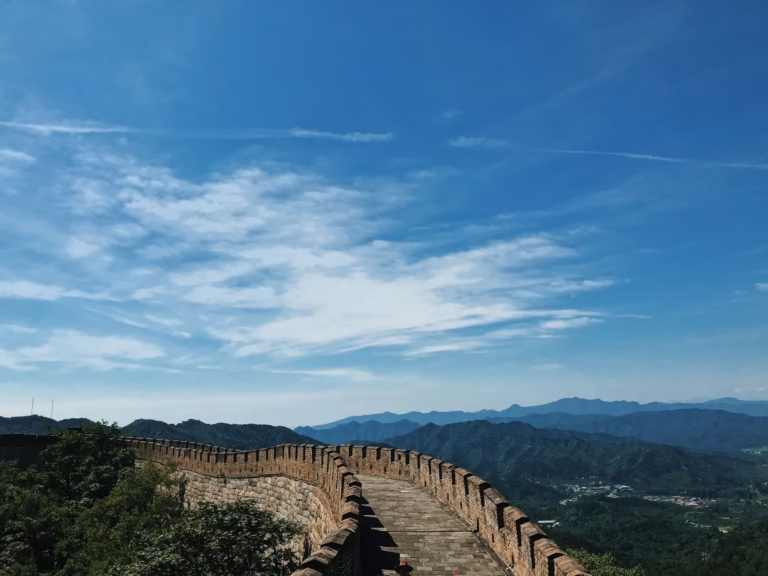
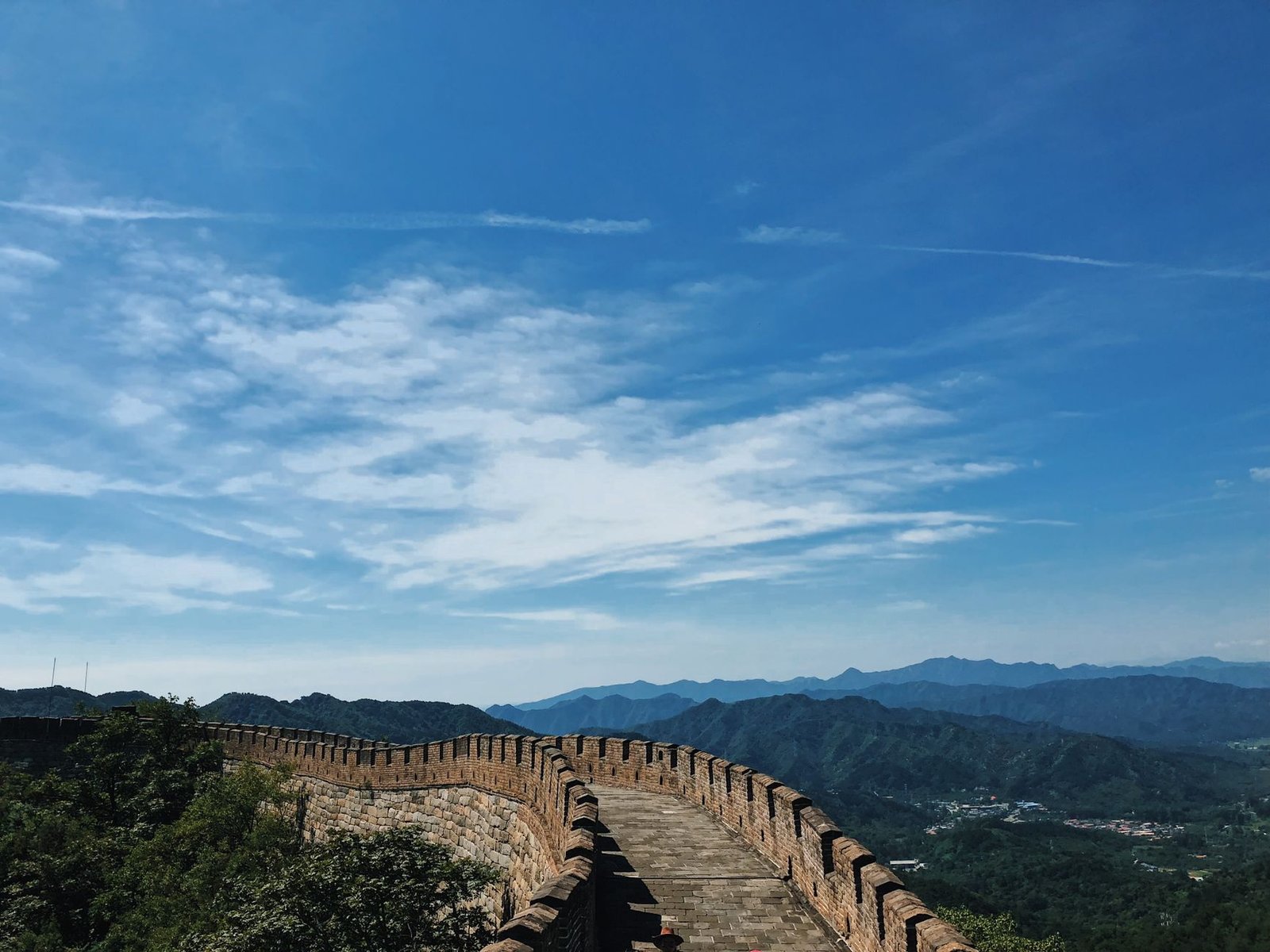
Another iconic site is the Great Wall of China, which stretches over 13,000 miles. Visitors can explore various sections of the wall, with Badaling being the most popular due to its accessibility. The wall offers stunning views of the surrounding countryside and provides a chance to hike and appreciate the engineering marvel that it is.
For those interested in culture, the Summer Palace is an excellent destination. Its beautiful gardens and lakes provide a peaceful escape from the city’s hustle. Additionally, the Temple of Heaven, where emperors once prayed for good harvests, showcases stunning architecture and is surrounded by a park frequented by locals practicing tai chi and other exercises.
Shanghai: The Modern Metropolis
Shanghai is often described as the epitome of modern China. The city’s skyline, dominated by the Oriental Pearl Tower and the Shanghai Tower, reflects its rapid development. Visitors can take a stroll along the Bund, a waterfront area that offers a picturesque view of the city’s skyline and a glimpse into its colonial past.
The Yu Garden, a classic Chinese garden located in the old city, provides a contrast to the modernity of Shanghai. With its rockeries, ponds, and pavilions, it offers a serene atmosphere ideal for relaxation. Nearby, the Yuyuan Bazaar provides a chance to sample local snacks and purchase souvenirs.
For art enthusiasts, the Power Station of Art is a contemporary art museum housed in a former power station, showcasing both local and international artists. Shanghai is also known for its vibrant nightlife, with numerous bars and clubs that cater to a variety of tastes.
Xian: The Ancient City
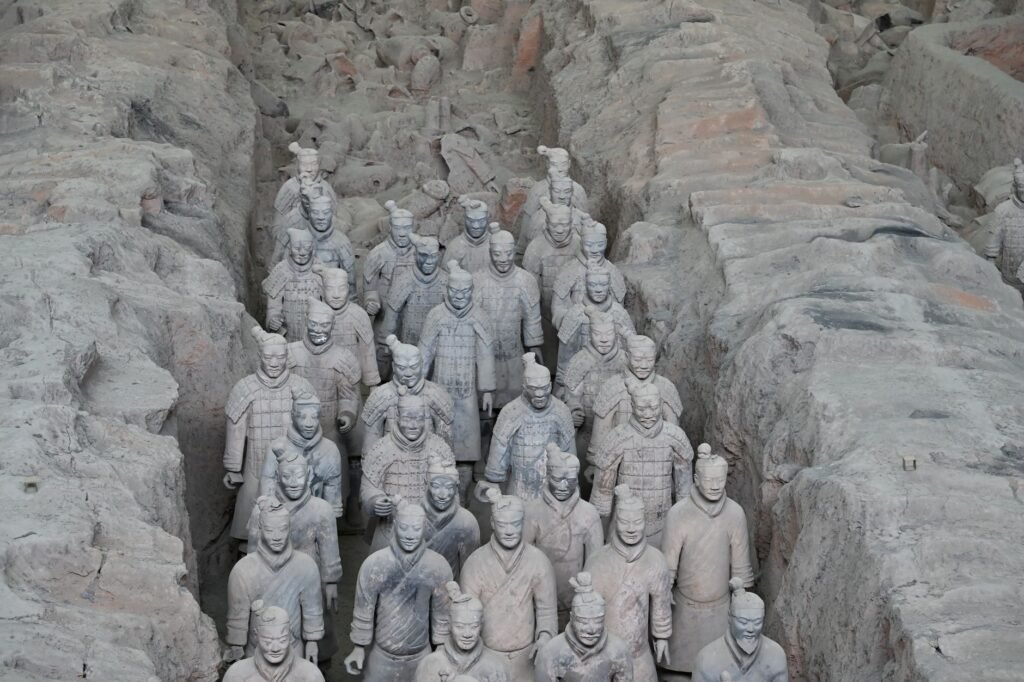
Xian is best known for the Terracotta Army, a collection of thousands of life-sized sculptures that were buried with China’s first emperor, Qin Shi Huang. This archaeological site is one of the most significant discoveries of the 20th century and draws visitors from all over the world.
The city itself has a rich history, being one of the oldest cities in China. The ancient city wall is well-preserved and offers a unique perspective on the city’s history. Visitors can rent bicycles to ride along the top of the wall, providing a panoramic view of both the old and new parts of Xian.
Xian is also a gateway to the Silk Road, and its Muslim Quarter is a vibrant area filled with food stalls, shops, and mosques. Trying the local delicacies, such as the famous biangbiang noodles and the savory lamb skewers, is a highlight for many travelers.
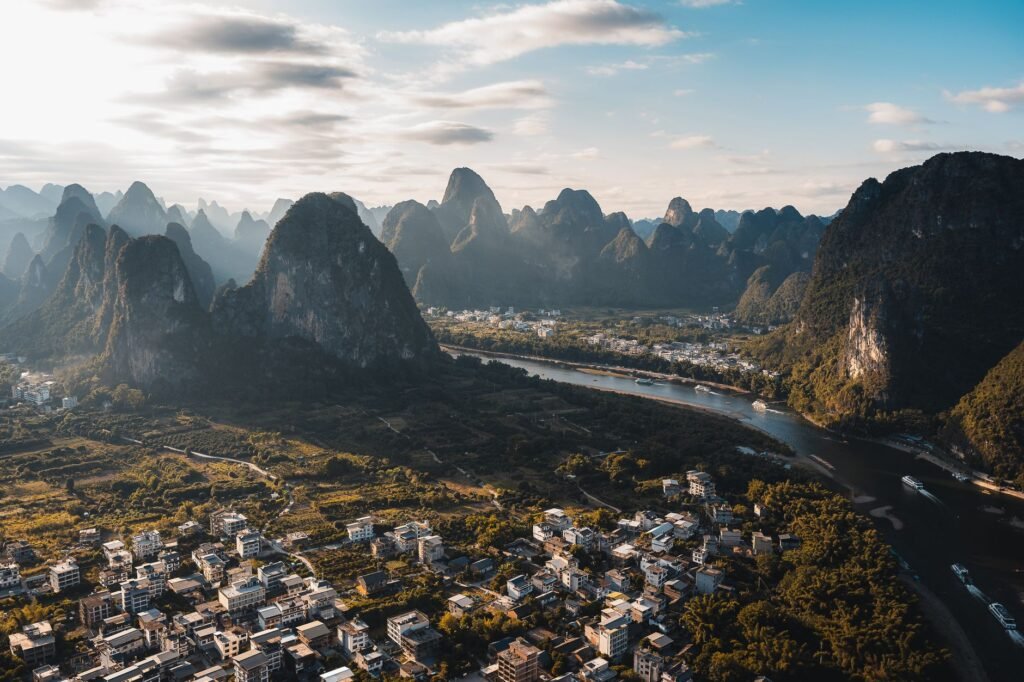
Guilin and Yangshuo: Natural Wonders
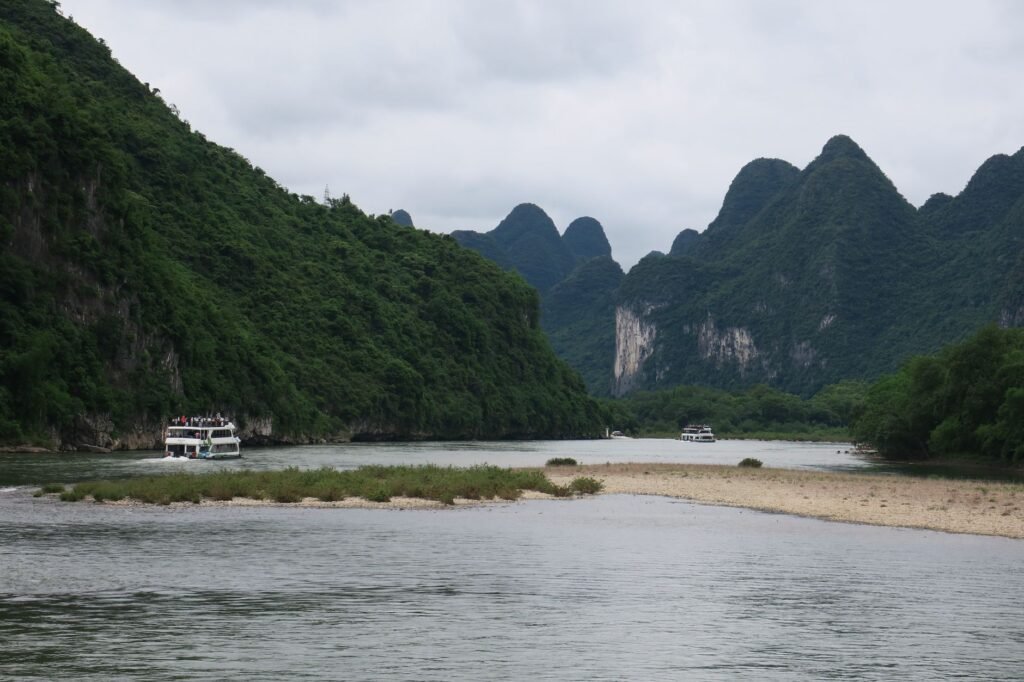
Guilin is renowned for its stunning karst landscape, characterized by limestone peaks and winding rivers. The Li River cruise from Guilin to Yangshuo is a popular activity, offering breathtaking views of the countryside. Travelers often find themselves mesmerized by the dramatic scenery, which has inspired countless artists and poets.
In Yangshuo, outdoor enthusiasts can explore various activities such as rock climbing, cycling, and hiking. The area is known for its beautiful rice terraces and rural landscapes, making it an ideal spot for those wanting to connect with nature.
Visitors should not miss the chance to take part in a bamboo raft ride along the Yulong River, a tranquil experience that allows for a closer look at the stunning surroundings. The local markets in Yangshuo also provide a taste of traditional life, with opportunities to sample local food and purchase handmade crafts.
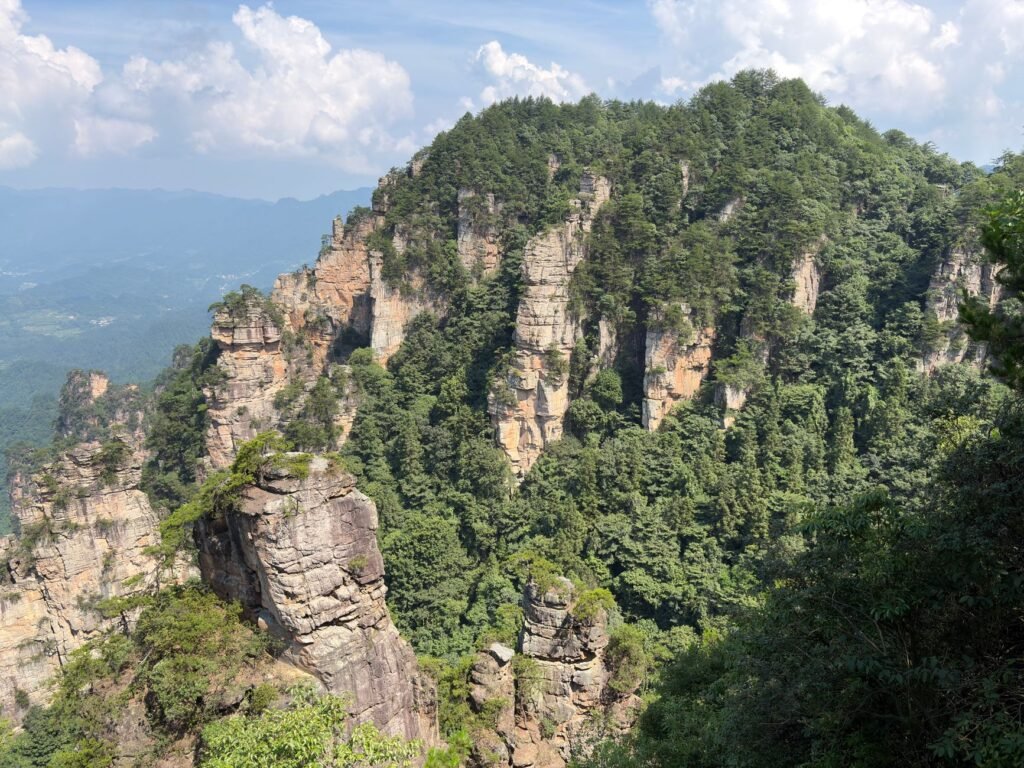
Zhangjiajie: A UNESCO World Heritage Site
Zhangjiajie National Forest Park is famous for its towering sandstone pillars, which inspired the floating mountains in the movie
Chengdu: The Land of Abundant Food and Giant Pandas
1. A Culinary Adventure
Chengdu is renowned for its spicy cuisine, particularly its Sichuan dishes that balance heat with rich flavors. One of the must-try experiences is dining at a traditional hot pot restaurant. Here, diners can choose from a variety of fresh ingredients to cook in a bubbling pot of spicy broth. For those who prefer milder flavors, there are also options that feature herbal broths.
In addition to hot pot, Chengdu is famous for its street food. A stroll through the bustling Jinli Ancient Street or Kuan Zhai Alley provides ample opportunities to sample local snacks such as:
- Mapo tofu – a spicy tofu dish that is a staple of Sichuan cuisine
- Dan dan noodles – spicy, numbing noodles topped with minced meat and scallions
- Chengdu-style dumplings – often served in a spicy sauce
For enthusiasts of culinary arts, cooking classes are available, where visitors can learn to prepare traditional Sichuan dishes. These classes often include a visit to a local market to select fresh ingredients, providing a comprehensive culinary experience.
2. The Chengdu Research Base of Giant Panda Breeding
No trip to Chengdu is complete without a visit to the Chengdu Research Base of Giant Panda Breeding. This facility is dedicated to the conservation of giant pandas, and it offers visitors a chance to observe these adorable creatures in a naturalistic habitat. The best time to visit is in the morning when the pandas are most active, eating bamboo and playing.
The research base hosts over 150 pandas and other endangered species. Educational exhibits provide insights into the efforts being made to preserve these animals. Additionally, visitors can participate in a volunteer program, which may involve feeding pandas or helping with habitat enrichment activities.
The base also features a lovely botanical garden and a small museum where visitors can learn about panda conservation efforts. For those interested in extending their knowledge further, guided tours are available, which delve deeper into the challenges faced by giant pandas.
3. Cultural Experiences and Tea Houses
Chengdu boasts a rich cultural heritage that visitors can experience through its tea houses. These establishments are integral to local life and provide a glimpse into traditional Chinese customs. Chengdu’s tea houses offer a serene environment to sip on fragrant tea while enjoying local snacks. The most famous tea house, the Heming Tea House, is located in the People’s Park and often features live performances of Sichuan opera.
For a more immersive experience, visitors can participate in a tea ceremony, which showcases the art of tea preparation and the importance of tea in Chinese culture. Moreover, you can observe traditional pastimes such as mahjong, which is a popular game among locals.
To truly appreciate Chengdu’s cultural scene, consider exploring the following:
- The Wuhou Shrine – dedicated to the famous military strategist Zhuge Liang
- Jinsha Site Museum – an archaeological site that offers insights into ancient Shu civilization
- Qingyang Palace – a Taoist temple known for its traditional architecture
Hangzhou: A Serene Getaway by the West Lake
1. The Beauty of West Lake
Hangzhou is famous for its picturesque West Lake, a UNESCO World Heritage Site, known for its striking beauty and cultural significance. Visitors can take a leisurely boat ride on the lake to appreciate the serene landscapes and various islands scattered throughout. The best way to explore West Lake is by walking or cycling along its scenic paths, where you can discover historical sites, gardens, and tea houses.
Some iconic spots around West Lake include:
- Leifeng Pagoda – a stunning tower offering panoramic views of the lake
- Su Causeway – a picturesque pathway lined with willows, ideal for a stroll
- Three Pools Mirroring the Moon – a famous sight featuring three pagodas that appear to float on the lake
The lake area is also home to various cultural activities, including traditional boat performances and tea tasting events that showcase the famous Longjing tea, also known as Dragon Well tea, which is grown in the nearby hills.
2. The Longjing Tea Plantations
Hangzhou is the birthplace of Longjing tea, one of China’s most celebrated green teas. Visitors can take a guided tour of the Longjing tea plantations located in the nearby hills, where they can learn about the tea-making process, from picking the leaves to the final brewing.
Many tea plantations offer tasting sessions, allowing visitors to sample freshly brewed Longjing tea while enjoying the beautiful surrounding scenery. The best time to visit the tea plantations is during the spring, when the tea leaves are harvested, and visitors can participate in the picking process.
For tea enthusiasts, consider visiting the following tea-related sites:
- Longjing Village – a charming village known for its tea culture
- China National Tea Museum – an informative museum dedicated to the history and culture of tea in China
- Tea Houses in Hangzhou – many offer tea ceremonies and tastings
3. Cultural Heritage and Ancient Temples
Hangzhou is rich in cultural heritage, with numerous temples and historical sites that reflect its storied past. One of the most prominent sites is the Lingyin Temple, one of the largest and wealthiest Buddhist temples in China. Visitors can explore its beautiful architecture, ancient sculptures, and serene gardens.
The temple complex includes several halls, each adorned with intricate carvings and statues, offering insight into Buddhist culture. Additionally, the nearby Fei Lai Feng, known for its stone carvings, provides a picturesque hiking route with stunning views of the surrounding area.
Another notable site is the Six Harmonies Pagoda, which overlooks the Qiantang River and offers breathtaking views from its summit. While in Hangzhou, don’t miss the chance to explore:
- The Huqingyu Tang Chinese Medicine Museum – showcasing traditional Chinese medicine
- Yue Fei Temple – dedicated to a famous general from the Song Dynasty
- San Bao Temple – a tranquil Buddhist temple located in the hills
Lijiang: A Gateway to Minority Cultures and Stunning Landscapes
1. Exploring the Ancient Town of Lijiang
Lijiang is famous for its well-preserved ancient town, a UNESCO World Heritage Site known for its unique Naxi culture. The town features a network of canals, cobblestone streets, and traditional wooden houses, creating a charming atmosphere that transports visitors back in time.
Wandering through Lijiang’s ancient town, visitors can explore various shops selling local handicrafts, including silver jewelry, embroidery, and Naxi music instruments. Don’t miss the opportunity to visit the Black Dragon Pool, a scenic area set against the backdrop of the Jade Dragon Snow Mountain.
In Lijiang, consider these must-visit landmarks:
- Mu Palace – a historical site that showcases the power of the Naxi Kingdom
- Wangu Pavilion – offering panoramic views of the ancient town
- Shuhe Ancient Town – a quieter alternative to Lijiang, known for its charm and tranquility
2. Naxi Culture and Traditions
The Naxi people, an ethnic minority group in Lijiang, have a rich cultural heritage that is evident in their music, dance, and art. Visitors can experience traditional Naxi music performances, which often include unique instruments like the sanxian and the lute. The Naxi Dongba culture is also notable for its pictographic writing system, which is used in their religious texts.
To immerse yourself in Naxi culture, consider attending a local festival when traditional dances and music are performed. The Naxi New Year and the Sanduo Festival are popular events showcasing colorful costumes and age-old traditions.
To further enrich your understanding of Naxi culture, explore:
- The Naxi Museum – offering insights into the Naxi way of life
- Local markets – where you can see traditional crafts and possibly meet Naxi artisans
- Workshops – some offer classes in Naxi music or traditional crafts
3. Nature Adventures in the Surrounding Areas
Lijiang is not only rich in culture but also surrounded by stunning natural landscapes. The Jade Dragon Snow Mountain, located just outside the town, offers a range of outdoor activities, including hiking, skiing, and cable car rides to enjoy breathtaking views from the summit.
Another popular destination is the Tiger Leaping Gorge, one of the deepest gorges in the world. Visitors can hike along well-marked trails, taking in the incredible scenery of the Yangtze River and surrounding mountains. The hike can be completed as a day trip or over several days for those looking for a more extensive trek.
For those who enjoy nature, consider these highlights when visiting Lijiang:
- The Baisha Village – known for its traditional Naxi culture and beautiful landscapes
- Yulong Snow Mountain – offers opportunities for climbing and exploring glacial lakes
- Shangri-La – a picturesque town further north known for its Tibetan culture and stunning scenery
Visa rules, prices and opening times change. Always confirm details with official sources before you travel.