Discover Adventure Therapy Treks in India: A Healing Journey
Explore adventure therapy treks in India for healing and self-discovery while embracing nature and adventure in stunning landscapes.
Adventure therapy treks in India are gaining popularity as an innovative way to promote mental health and well-being. This unique approach combines physical activity with therapeutic practices, allowing participants to connect with nature while engaging in self-discovery and healing.
With India’s diverse landscapes ranging from the Himalayas to lush forests and serene beaches, these treks offer a variety of settings for personal growth. Whether you are looking to cope with stress, anxiety, or simply seeking a deeper understanding of yourself, adventure therapy can be a transformative experience.
This guide will provide insights into what adventure therapy treks entail, the best locations in India for such experiences, and practical tips to help you embark on this rewarding journey.
What is Adventure Therapy?
Adventure therapy is a form of experiential therapy that uses outdoor activities to foster personal growth and emotional healing. It integrates traditional therapeutic practices with physical challenges, emphasizing teamwork, self-reflection, and skill development.
In the context of trekking, participants navigate various terrains, tackle physical challenges, and engage in guided discussions or activities designed to promote mental wellness. This combination creates a supportive environment where individuals can confront their fears, build resilience, and enhance their coping strategies.
Adventure therapy is not limited to those with psychological issues; it can benefit anyone looking to improve their mental health, strengthen relationships, or simply enjoy an adventure in nature.
Benefits of Adventure Therapy Treks
Participating in adventure therapy treks offers numerous benefits for mental health and emotional well-being. Here are some of the key advantages:
- Improved Mental Health: Engaging in physical activity has been shown to reduce symptoms of anxiety and depression. The natural setting enhances the therapeutic effects.
- Enhanced Self-Esteem: Overcoming physical challenges during treks can boost self-confidence and self-efficacy.
- Connection with Nature: Time spent in nature has been linked to reduced stress levels and improved mood, making it a vital component of the healing process.
- Community Building: Group treks foster connection and support among participants, helping individuals feel less isolated.

Top Locations for Adventure Therapy Treks in India
India’s vast geography provides an array of options for adventure therapy treks. Here are some of the top locations:
1. The Himalayas
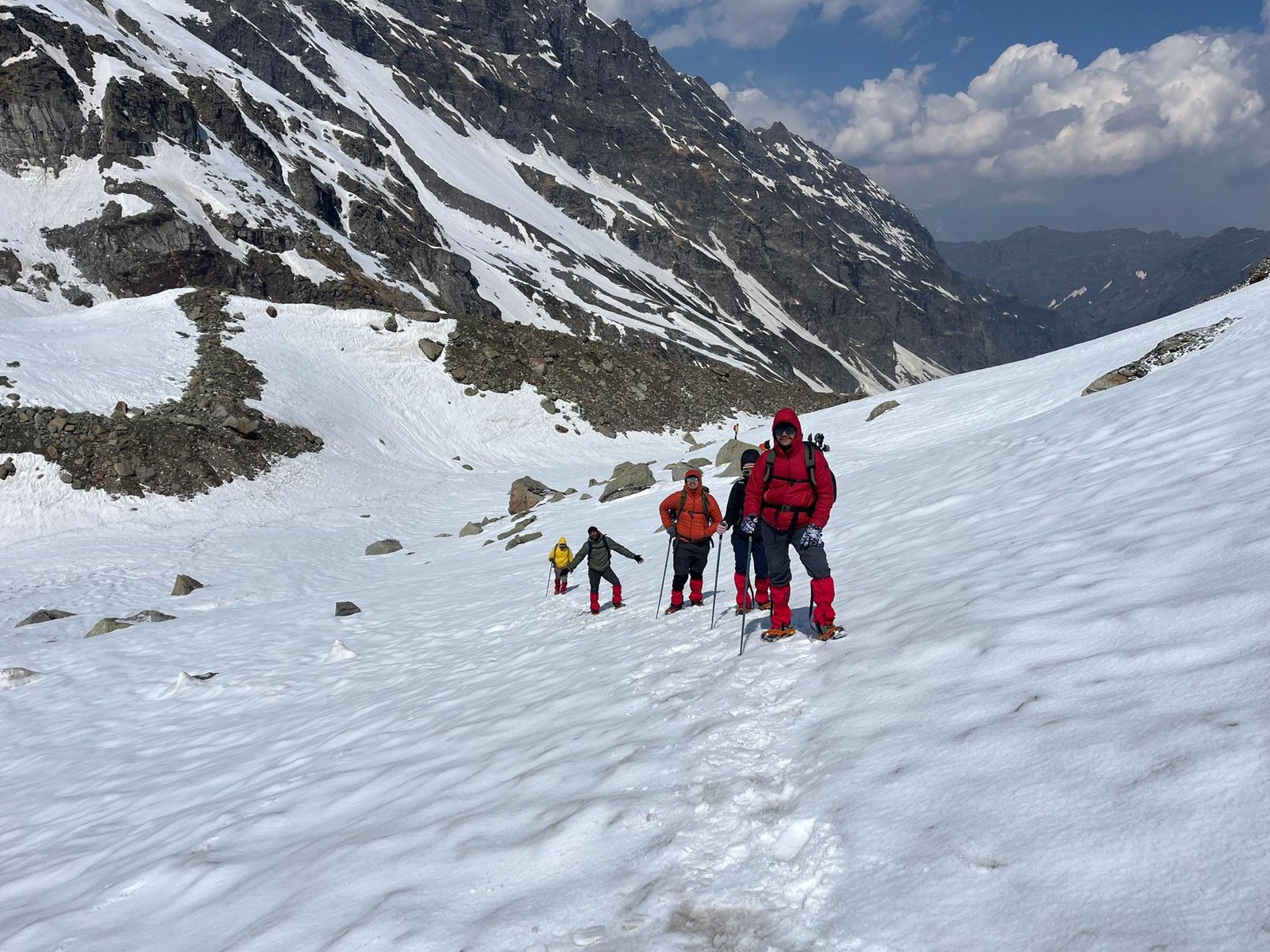
The Himalayas are known for their breathtaking landscapes and serene environments, making them an ideal setting for adventure therapy. Popular trekking routes include:
- Markha Valley Trek: A moderate trek that offers stunning views and cultural experiences, ideal for personal reflection.
- Chadar Trek: Walking on the frozen Zanskar River, this challenging trek encourages participants to confront fears and build resilience.
- Hampta Pass Trek: A trek that combines lush valleys and high-altitude landscapes, encouraging teamwork and exploration.
2. Uttarakhand
Uttarakhand is home to beautiful forests, rivers, and mountains, making it a perfect backdrop for therapeutic treks. Notable trails include:
- Roopkund Trek: Known for its mysterious lake and scenic views, this trek promotes introspection and camaraderie among trekkers.
- Kedarkantha Trek: A winter trek that provides a sense of achievement while enjoying snow-covered landscapes.
- Valley of Flowers Trek: A UNESCO World Heritage site, this trek is perfect for those seeking beauty and tranquility.
3. Western Ghats
The Western Ghats offer lush greenery and rich biodiversity, ideal for nurturing the spirit. Key treks include:
- Kudremukh Trek: This trek features rolling hills and dense forests, encouraging participants to immerse themselves in nature.
- Agasthyakoodam Trek: A trek through a protected biosphere, offering opportunities for personal growth and environmental awareness.
- Mulshi Trek: With beautiful views of lakes and valleys, this trek promotes reflection and relaxation.
What to Expect on an Adventure Therapy Trek
Adventure therapy treks typically involve a structured itinerary that balances trekking with therapeutic activities. Here’s what you can expect:
- Guided Sessions: Trained facilitators lead discussions and activities focused on mental health, such as journaling, mindfulness exercises, and group sharing.
- Physical Challenges: Treks will include varying difficulty levels, encouraging participants to push their limits while ensuring safety and support.
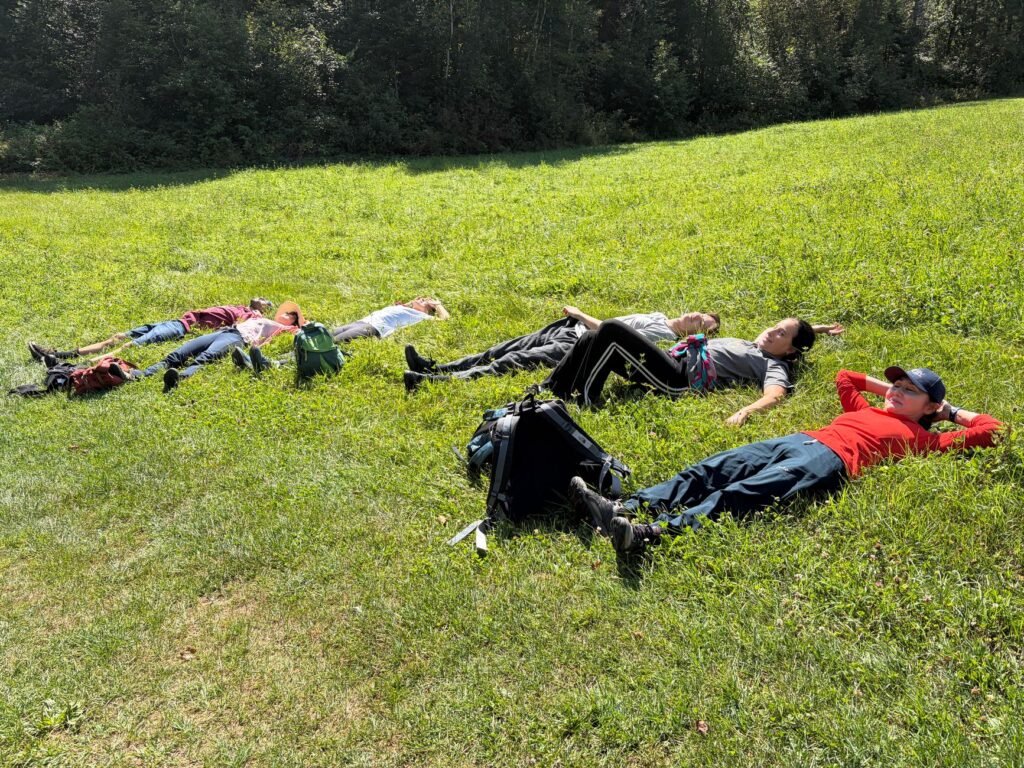
- Reflection Time: Scheduled quiet periods allow participants to process their experiences, fostering self-discovery and personal insights.
Preparing for Your Adventure Therapy Trek
Preparation is crucial for a successful adventure therapy trek. Here are essential steps to consider:
- Choose the Right Trek: Assess your fitness level, interests, and therapeutic goals to select a trek that suits your needs.
- Pack Wisely: Bring appropriate gear, including sturdy footwear, weather-appropriate clothing, and essential supplies like a first-aid kit.
- Consult Professionals: If you have pre-existing health conditions or concerns, consult a healthcare provider before embarking on your trek.
Safety Considerations
Safety is paramount when participating in adventure therapy treks. Here are critical safety tips:
- Follow Guidelines: Always adhere to the instructions of your guides and facilitators to ensure a safe experience.
- Stay Hydrated: Drink plenty of water before and during the trek to prevent dehydration and fatigue.
- Know Your Limits: Be aware of your physical limitations and communicate openly with your guides about any concerns.
Integrating Mindfulness and Meditation into Adventure Therapy
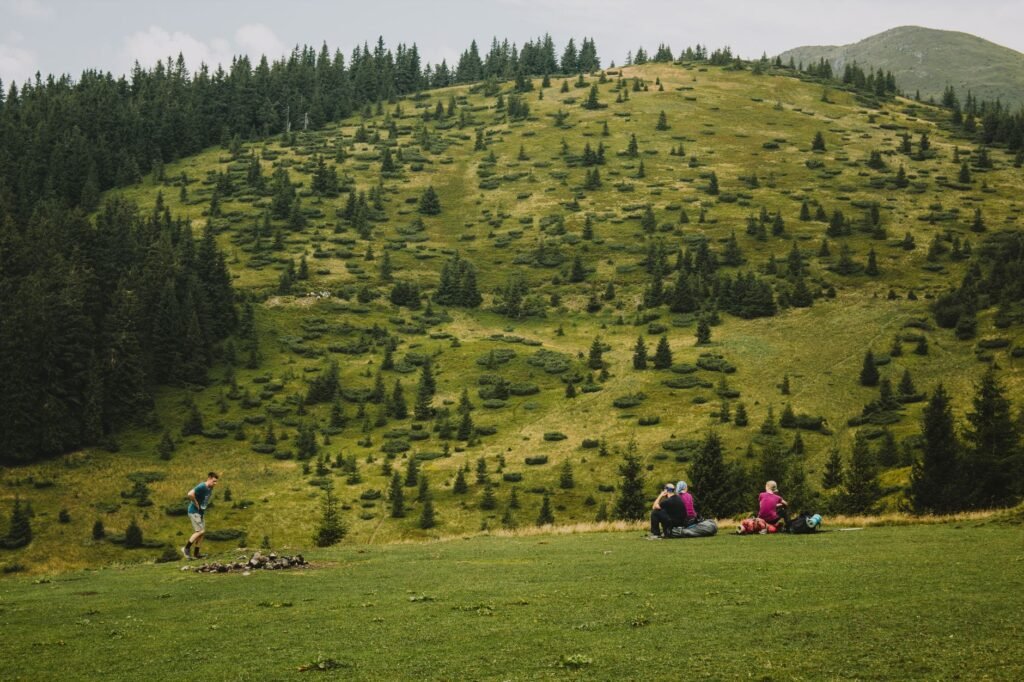
One of the essential components of adventure therapy is the integration of mindfulness and meditation practices. These techniques can enhance the therapeutic benefits of trekking, allowing participants to connect with their environment on a deeper level.
Understanding Mindfulness in Nature
Mindfulness involves being present in the moment and fully engaging with the surroundings. In the context of adventure therapy, this means appreciating the beauty of nature, focusing on the sound of rustling leaves, the scent of the earth after rain, or the feel of the wind against the skin. Practicing mindfulness during treks helps individuals to cultivate awareness and reduce anxiety.
Guided Meditation Techniques for Trekkers
Incorporating guided meditation into adventure therapy treks can significantly enhance the experience. A trained facilitator can lead participants in short meditation sessions at scenic stops during the trek. Techniques may include breathing exercises, body scans, or visualization practices that encourage relaxation and self-reflection.
- Breathing exercises to calm the mind
- Body scans to connect with physical sensations
- Visualization of peaceful settings to promote relaxation
Creating a Mindfulness Routine Post-Trek
To sustain the benefits of mindfulness gained during the trek, participants can develop a routine to practice at home. This may include setting aside time each day for meditation, journaling reflections from the trek, or engaging in mindful activities such as yoga or tai chi. The key is to maintain the connection to nature and mindfulness, ensuring that the healing journey continues beyond the trek.
Personal Stories: Transformative Experiences from Adventure Therapy Treks
Personal narratives can shed light on the profound impact of adventure therapy treks. Hearing from those who have participated in these journeys can inspire others and provide insight into the healing process.
Case Study: Overcoming Anxiety Through Trekking
One participant, who struggled with anxiety for years, found that the immersive experience of trekking in the Himalayas provided her with the tools to face her fears. The challenge of navigating rugged terrain, combined with the support of fellow trekkers, allowed her to build confidence. Each step forward in the mountains represented a step toward healing.
Finding Community: Building Bonds on the Trail
Adventure therapy treks often bring together individuals from diverse backgrounds, creating a unique opportunity for connection. A participant who joined a trek to heal from grief shared how the shared experiences and vulnerability led to lasting friendships. The sense of community found in such treks can be a powerful catalyst for healing.
- Shared meals and storytelling around the campfire
- Group challenges that foster teamwork and trust
- Creating a support network that extends beyond the trek
Success in Personal Goals: A Journey Beyond the Trek
Many participants report that the skills and confidence gained during their adventure therapy trek led to significant changes in their lives. For instance, one individual who completed a challenging trek in the Western Ghats went on to pursue a career in outdoor education. The trek ignited a passion for the outdoors and a desire to help others find healing through nature.
Environmental Awareness and Adventure Therapy
Adventure therapy treks not only facilitate personal healing but also promote environmental awareness. Participants often develop a deeper connection to nature, leading to a commitment to environmental conservation.
Learning About Local Ecosystems
During treks, guides often share knowledge about the local flora and fauna. Understanding the ecosystems participants traverse can foster a sense of stewardship toward the environment. This educational component is vital, as it emphasizes the importance of conservation in the areas where they trek.
Engaging in Sustainable Practices
Many adventure therapy programs include teachings on sustainable practices, such as Leave No Trace principles. Participants learn how to minimize their environmental impact while trekking, including proper waste disposal, staying on marked trails, and respecting wildlife. Engaging in these practices not only protects the environment but also enhances the overall experience.
- Carrying out all trash and waste
- Using biodegradable products
- Respecting local wildlife and habitats
Advocating for Environmental Conservation
After experiencing the beauty of nature during adventure therapy treks, many participants feel inspired to advocate for environmental conservation. This may involve volunteering for local conservation projects, participating in cleanup drives, or spreading awareness about environmental issues. The trek can serve as a catalyst for lifelong advocacy and responsibility.
Choosing the Right Trek for Your Needs
Understanding Different Types of Treks
Adventure therapy treks can vary significantly in terms of intensity, duration, and focus. It is essential to understand the different types of treks available to choose one that aligns with your personal goals. Some treks may focus on physical challenges, while others may emphasize emotional healing through nature immersion.
- Physical Challenge Treks: Designed for those looking to push their physical limits through rigorous hiking and climbing activities.
- Mindfulness-Based Treks: These treks incorporate meditation and mindfulness practices throughout the journey, providing a holistic approach to mental well-being.
- Therapeutic Group Treks: Ideal for those seeking support, these treks often include guided discussions and group activities led by trained therapists.
Evaluating Your Personal Goals
Before embarking on an adventure therapy trek, it is crucial to evaluate what you hope to achieve. Are you seeking to overcome personal challenges, learn new coping mechanisms, or simply enjoy the serenity of nature? Understanding your objectives can help guide your choice of trek.
Consider the following questions:
- What specific challenges am I facing?
- Am I looking for a solo experience or the support of a group?
- How physically fit am I, and what level of difficulty am I comfortable with?
Essential Gear and Supplies
What to Pack for Your Trek
Proper gear can significantly enhance your adventure therapy experience. Packing the right items ensures comfort and safety while allowing you to focus on your healing journey. Start with the essentials, including appropriate clothing, footwear, and personal items.
- Clothing: Layered clothing is essential for varying weather conditions. Include moisture-wicking shirts, insulating layers, and waterproof outerwear.
- Footwear: Invest in a good pair of hiking boots that provide support and traction while being comfortable for long walks.
- Personal Items: Don’t forget items such as sunscreen, insect repellent, a first-aid kit, and a refillable water bottle.
Technology and Safety Gear
While the essence of adventure therapy is to disconnect from technology, certain gadgets can enhance safety and ensure a smooth trek. A GPS device or a smartphone with offline maps can help you navigate unfamiliar terrains. A portable charger can keep your devices functional for emergencies.
Additionally, consider bringing:
- Headlamp or Flashlight: Essential for navigating in low-light conditions.
- Whistle: A simple yet effective tool for signaling for help.
- Emergency Blanket: Lightweight and compact, it provides warmth if needed.
Post-Trek Reflection and Integration
Journaling Your Experiences
After completing your adventure therapy trek, reflecting on your experiences can be incredibly beneficial. Journaling provides a space to process the emotions and insights gained during the trek. It can also help reinforce the lessons learned, making it easier to integrate them into your daily life.
Consider setting aside time each day to write about:
- Your thoughts and feelings during the trek
- What you learned about yourself
- How you can apply these insights going forward
Continuing the Journey
Adventure therapy does not end when the trek concludes. To maintain the benefits and continue your healing journey, consider developing a plan for integrating the practices learned during your trek into your everyday life. This can include regular outdoor activities, mindfulness exercises, or joining a support group.
Engaging with a community or finding a mentor can provide ongoing support, helping you navigate any challenges that arise as you apply your newfound skills and insights.
Frequently Asked Questions
What is the duration of adventure therapy treks in India?
Adventure therapy treks can vary in duration, typically ranging from a weekend (2-3 days) to several weeks, depending on the itinerary and location.
Are adventure therapy treks suitable for beginners?
Yes, many treks are designed to accommodate varying skill levels, including beginners. It is important to choose a trek that matches your fitness level.
What should I bring on an adventure therapy trek?
Essential items include comfortable trekking shoes, weather-appropriate clothing, a backpack, water bottles, snacks, and personal items like medication.
How much do adventure therapy treks cost?
Costs can vary widely based on the trek duration, location, and included services. It is advisable to research and compare prices from different providers.
The Bottom Line
Adventure therapy treks in India offer a unique opportunity to combine physical activity with mental wellness in stunning natural settings. With the right preparation, these treks can lead to profound personal growth and healing. Whether you’re seeking to overcome personal challenges or simply want to connect with nature, adventure therapy treks provide a supportive environment to explore your journey.
Visa rules, prices and opening times change. Always confirm details with official sources before you travel.