Traveling with Teenagers: Tips for a Smooth Adventure
Discover practical tips and insights for traveling with teenagers, ensuring a memorable and enjoyable experience for the whole family.
Planning the Journey
Traveling with teenagers can be a rewarding experience that combines adventure and family bonding. However, it also requires thoughtful planning and consideration of their needs and preferences. Engaging teenagers in the travel process is crucial. Start by discussing potential destinations and activities, allowing them to express their interests. This not only assures them that their opinions matter but also increases their enthusiasm for the trip.
When choosing a destination, consider places that offer a mix of activities that appeal to both adults and teens. For instance, a trip to a city like San Francisco could include cultural attractions, outdoor adventures, and unique culinary experiences. Make a list of options and research together to find a compromise everyone is excited about.
Flexibility is essential when planning your itinerary. Although it’s important to have a structured plan, allow for spontaneous activities that may arise. Teenagers often enjoy the freedom to explore and make decisions on the fly, so having open time slots can lead to unexpected fun.
Choosing Activities
Incorporating activities that cater to teenagers’ interests can transform a family trip from mundane to memorable. Here are some categories of activities that tend to resonate well with teens:
- Adventure Sports: Consider activities like zip-lining, surfing, or rock climbing. These can provide adrenaline-pumping experiences that teens often crave.
- Cultural Experiences: Visit museums, art galleries, or historical sites. Engaging with local culture can broaden their horizons and spark curiosity.
- Food Tours: Teens often appreciate unique culinary experiences. Participating in food tours or cooking classes can be both educational and delicious.
- Outdoor Activities: Hiking, biking, or visiting national parks can cater to their adventurous side while providing a healthy outlet.
- Shopping: Allow some time for shopping in local markets or malls. It’s a great way for teens to connect with the local culture and bring home souvenirs.
For example, a family planning a trip to Costa Rica could spend their morning zip-lining through the rainforest, followed by an afternoon exploring local markets. This mix of activities keeps the energy high and satisfies diverse interests.
Involving Teenagers in Planning
To foster a sense of ownership and excitement about the trip, involve teenagers in the planning process. Here are some strategies to consider:
- Research Together: Allocate time for researching destinations, accommodations, and activities. Engage them in discussions about what sounds appealing.
- Set a Budget: Discuss the overall budget and let them help prioritize where to spend and where to save. This could involve choosing a more affordable hotel to allocate funds for activities they desire.
- Daily Input: Allow them to choose at least one activity each day during the trip. This will give them a sense of control and make the journey more enjoyable.
- Feedback: After the trip, discuss what they enjoyed and what they would change. This can help in planning future travels.
By including them in the planning, you’re not only making them feel valued but also teaching them about travel logistics and budgeting.

Maintaining Communication
Effective communication is essential when traveling with teenagers. Here are some tips to enhance communication:
- Establish a Family Agreement: Before the trip, create a set of agreements regarding curfews, daily schedules, and check-in times. This helps set expectations and builds trust.
- Use Technology: Leverage technology by using group chats or travel apps to keep everyone informed about plans and changes. This ensures that everyone stays on the same page.
- Designate Check-ins: Schedule regular check-ins throughout the trip. This could be a time to discuss the day’s plans or simply to catch up on everyone’s feelings about the trip.
Consider a scenario where a family on a road trip to national parks sets up daily check-ins. During these moments, they can share highlights of the day and discuss any adjustments needed for the itinerary.
Health and Safety Considerations
When traveling with teenagers, prioritizing health and safety is essential. Here are some important aspects to consider:
- Health Precautions: Make sure all necessary vaccinations are up-to-date and pack any required medications. Research local health facilities or hospitals at your destination in case of emergencies.
- Safety Measures: Discuss safety protocols, such as being aware of surroundings and not sharing personal information with strangers. Teach them how to handle emergencies, including how to contact local authorities.
- Travel Insurance: Consider purchasing travel insurance that covers health emergencies, cancellations, and lost belongings. This provides peace of mind during your travels.
Real-life examples show that families who prepare for potential health issues, such as allergies or chronic conditions, can avoid stressful situations while traveling. Always have a plan in place for urgent care access.

Traveling on a Budget
Traveling with teenagers can strain the budget, but there are ways to manage expenses effectively:
- Accommodations: Look for family-friendly hotels or vacation rentals that offer discounts for larger groups. Booking in advance can also yield better rates.
- Meals: Instead of dining out for every meal, consider packing snacks or preparing some meals if your accommodation allows. Exploring local grocery stores can also be a fun experience.
- Attractions: Research free or low-cost attractions like parks, beaches, or local events. Many cities offer free walking tours or discounted entry days for attractions.
For instance, a family visiting New York City could save significantly by buying a CityPASS, which provides discounted entry to several popular attractions, allowing them to enjoy more while spending less.

Managing Expectations and Emotions
Understanding Teenagers’ Perspectives
Traveling with teenagers can sometimes feel like navigating through a maze of emotions. It is crucial to understand that their perspectives on travel can differ significantly from yours. Many teenagers seek independence and may feel constrained by family schedules. Recognizing their need for autonomy can help ease tension during the trip.
Engage in conversations with your teens about what they expect from the trip. Ask them about their interests and what they hope to gain from the experience. This dialogue can foster a sense of ownership over their travel experience, making them more invested in the journey.
Set Realistic Expectations
Traveling can come with its fair share of challenges, from delays at the airport to unexpected weather changes. Setting realistic expectations for your trip can help manage potential frustrations. Have a family meeting to outline the itinerary and discuss possible scenarios that may arise, allowing space for flexibility and spontaneity.
- Discuss potential challenges: Delays, weather, and changes in plans.
- Encourage a positive mindset: Focus on making memories over perfection.
- Be flexible: Adapt activities based on everyone’s mood and energy levels.
Emotional Check-Ins
Regular emotional check-ins can be a valuable practice during your travels. Encourage your teenagers to express their feelings about the trip, whether they are excited, anxious, or even bored. Create a judgment-free zone where everyone feels comfortable sharing their thoughts.
Consider setting aside time each evening to reflect on the day’s experiences. This practice can help everyone process their emotions and strengthen family bonds, making the trip more enjoyable overall.
Creating Engaging Experiences
Incorporating Technology Wisely
In the digital age, teenagers are often glued to their devices. Instead of restricting technology, consider how it can enhance your travel experience. Use apps and social media to document your adventures, allowing teens to feel more connected to the experience.
Encourage your teenagers to research destinations through travel apps or YouTube videos before the trip. This can spark their curiosity and lead to more meaningful conversations about the places you will visit. Additionally, consider using travel-related games or photo challenges to keep them engaged.
- Use travel apps: Explore local attractions, restaurants, and more.
- Create a family travel blog: Document your adventures together.
- Set up a photo challenge: Capture specific themes or subjects during the trip.
Finding Balance Between Family Time and Independence
While spending quality time with your teenagers is essential, it is equally important to strike a balance between family activities and allowing them some independence. Discuss the possibility of giving them free time during the trip where they can explore on their own or with friends.
Establish guidelines for their independence, such as curfews and check-in times, to ensure their safety while allowing them the freedom to experience new things. This balance can help them feel empowered and more engaged with the travel experience.
Engaging in Cultural Experiences
Encouraging your teenagers to participate in cultural experiences can enrich their travel and broaden their perspectives. Instead of sticking solely to tourist attractions, seek out local events, workshops, or festivals that reflect the culture of the destination.
For instance, cooking classes, dance lessons, or art workshops can provide hands-on experiences that resonate with teenagers. These activities not only create lasting memories but also encourage them to appreciate different cultures and traditions.
- Look for local workshops: Cooking, art, or music lessons.
- Attend local festivals: Immerse in the culture through celebrations.
- Explore historical sites: Engage with the local history and heritage.

Building Lifelong Skills Through Travel
Encouraging Problem-Solving Skills
Traveling can present unexpected challenges that require quick thinking and adaptability. Instead of solving every problem for your teenagers, use these situations as opportunities to encourage them to develop problem-solving skills. For example, if you encounter a language barrier, challenge them to find creative ways to communicate.
Ask them to come up with solutions to common travel issues, such as finding alternate routes or managing travel budgets. This empowerment can boost their confidence and help them feel more capable in unfamiliar environments.
Fostering Teamwork and Collaboration
Traveling as a family provides an excellent opportunity to foster teamwork and collaboration among family members. Involve your teenagers in planning group activities, such as deciding on meals or organizing transportation. This collaborative approach not only strengthens family bonds but also teaches valuable skills in cooperation and compromise.
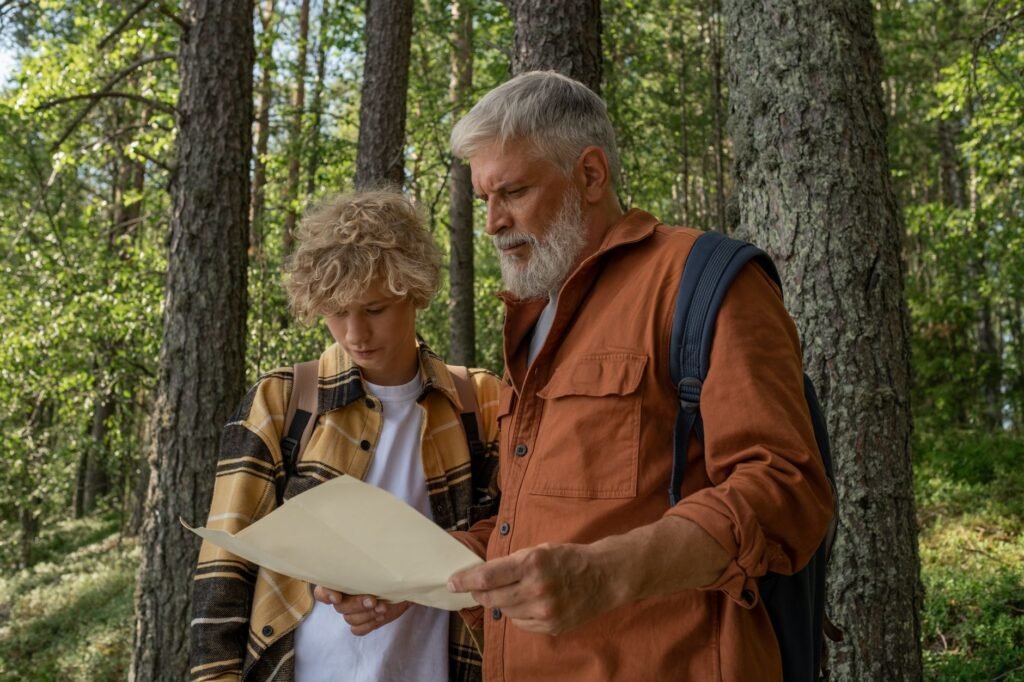
Consider assigning roles to each family member, such as navigator, photographer, or activity planner, to promote participation and responsibility. This can also help them feel valued and essential to the overall travel experience.
- Assign roles: Designate responsibilities to encourage participation.
- Plan group meals: Involve everyone in meal planning and prep.
- Collaborate on itineraries: Encourage input from all family members.
Encouraging Cultural Sensitivity
Traveling provides a unique opportunity to cultivate cultural sensitivity in teenagers. Before visiting a new destination, spend time discussing the cultural norms, customs, and etiquette of the region. This preparation can enhance their understanding and appreciation for diversity.
Encourage your teenagers to engage with locals, whether through simple greetings or asking questions about their culture. These interactions can foster empathy and broaden their worldview, leading to more meaningful travel experiences.
- Research local customs: Learn about etiquette and traditions before traveling.
- Engage with locals: Encourage conversations to promote understanding.
- Reflect on experiences: Discuss cultural interactions to reinforce learning.
Frequently Asked Questions
What are the best destinations for traveling with teenagers?
Popular destinations include cities with diverse activities like San Francisco, New York City, and Orlando in the USA, or adventure-filled locations like Costa Rica and Thailand. Choose places that offer both cultural experiences and adventure activities.
How can I keep my teenager engaged during the trip?
Involve them in planning, choose activities that match their interests, and allow them to make some decisions during the trip. This engagement can lead to a more enjoyable experience for everyone.
What should I do if my teenager wants to do something different?
Discuss their interests openly and try to incorporate their suggestions into the itinerary. Finding a balance between family activities and personal interests helps everyone feel satisfied.
How can I ensure my teenager’s safety while traveling?
Establish safety protocols, ensure they have emergency contacts, and teach them how to navigate unfamiliar environments. Keeping communication open is crucial for addressing any concerns.
The Bottom Line
Traveling with teenagers can be a fulfilling experience that strengthens family bonds while introducing them to new cultures and adventures. By involving them in the planning process, maintaining open communication, and prioritizing health and safety, families can create lasting memories together. With careful preparation and a flexible approach, your next trip can be both enjoyable and educational for everyone involved.
Visa rules, prices and opening times change. Always confirm details with official sources before you travel.