Scandinavia Restrictions Lift: What Travelers Need to Know
Discover the latest on the Scandinavia restrictions lift, including travel guidelines, safety tips, and what to expect during your visit.
The lifting of travel restrictions in Scandinavia marks a significant moment for travelers eager to explore the rich culture and stunning landscapes of this unique region. As countries in Scandinavia gradually ease their entry protocols, it is essential for potential visitors to stay updated on the latest guidelines, safety measures, and travel tips to ensure a smooth journey. This article delves into the current status of restrictions, what travelers can expect, and practical advice for making the most of their Scandinavian adventure.
In recent months, countries in Scandinavia, including Sweden, Norway, and Denmark, have begun to reopen their borders to international travelers. As vaccination rates rise and COVID-19 cases decline, governments are taking steps to facilitate safe travel. However, each country has its own set of rules, which can vary widely, making it crucial for travelers to be well-informed.
This comprehensive guide will provide you with all the necessary details regarding the restrictions in Scandinavia, entry requirements, safety protocols, and tips to enhance your travel experience. Whether you are planning a short getaway or an extended stay, understanding these factors is key to enjoying your trip without unnecessary complications.
Current Status of Travel Restrictions
As of now, the restrictions in Scandinavia have been significantly relaxed. Most countries have shifted towards a more open approach to tourism, although some measures remain in place to ensure public safety. Travelers should monitor the specific guidelines for each country as these can change frequently based on the evolving health situation.
Here’s a brief overview of the current travel restrictions across Scandinavia:
- Sweden: Sweden has lifted most travel restrictions for vaccinated travelers. Proof of vaccination is required to enter, but no quarantine is necessary.
- Norway: Norway has opened its borders to travelers from specific countries. Travelers must present a negative test result taken within 24 hours before arrival.
- Denmark: Denmark has eased entry requirements for fully vaccinated travelers. Unvaccinated travelers may face stricter conditions, including testing and quarantine.
It is advisable to check the official government websites or consult local embassies for the latest updates before planning your trip.
Entry Requirements for Travelers
Each Scandinavian country has distinct entry requirements that travelers must adhere to. Understanding these requirements is crucial for a hassle-free travel experience. Here’s a detailed look at the necessary documentation and procedures:
Documentation Needed
- Vaccination Proof: Most countries now require travelers to show proof of vaccination. Ensure your vaccination certificate is in a format accepted by the destination country.
- Negative COVID-19 Test: Depending on your vaccination status and country of origin, a negative test result may still be required, especially for unvaccinated travelers.
- Travel Insurance: It is highly recommended to have travel insurance that covers COVID-19 related issues, including cancellations or medical costs.
Health and Safety Protocols
While the restrictions have been lifted, health authorities still encourage travelers to follow certain safety protocols to minimize the risk of COVID-19 transmission. Here are some general guidelines:
- Mask Mandates: Masks may still be required in crowded places and public transportation. Keep a mask handy to comply with local regulations.
- Social Distancing: Maintain a safe distance from others, especially in indoor settings or crowded areas.
- Hygiene Practices: Regular hand washing or using hand sanitizer is advisable. Many public places provide hand sanitizing stations.
Staying informed about the specific health guidelines in each country will help you navigate your trip safely.

Popular Destinations to Explore
With restrictions lifted, travelers can now explore some of Scandinavia’s most iconic destinations. Here’s a closer look at what each country has to offer:
Sweden
- Stockholm: The capital city is a vibrant mix of history and modernity. Don’t miss the historic Gamla Stan (Old Town) and the stunning Vasa Museum.
- Gothenburg: Known for its picturesque canals and lush parks, Gothenburg offers a charming atmosphere with plenty of cafes and restaurants.
- Kiruna: For those seeking adventure, head north to Kiruna, where you can experience the Northern Lights and explore the Icehotel.
Norway
- Oslo: Norway’s capital is rich in culture and history. Visit the Munch Museum and the Oslo Opera House for a taste of Norwegian art and architecture.
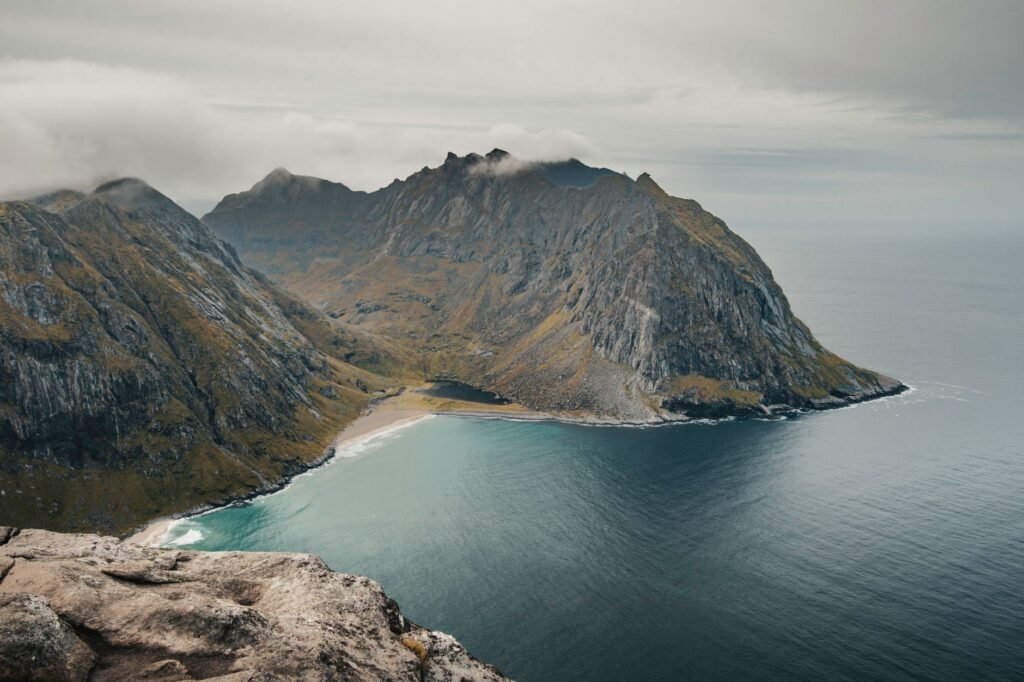
- Fjords: The iconic fjords, such as Geirangerfjord and Nærøyfjord, are a must-see. Consider taking a fjord cruise for breathtaking views.
- Bergen: Known for its colorful wooden houses and vibrant fish market, Bergen is the gateway to Norway’s fjords.
Denmark
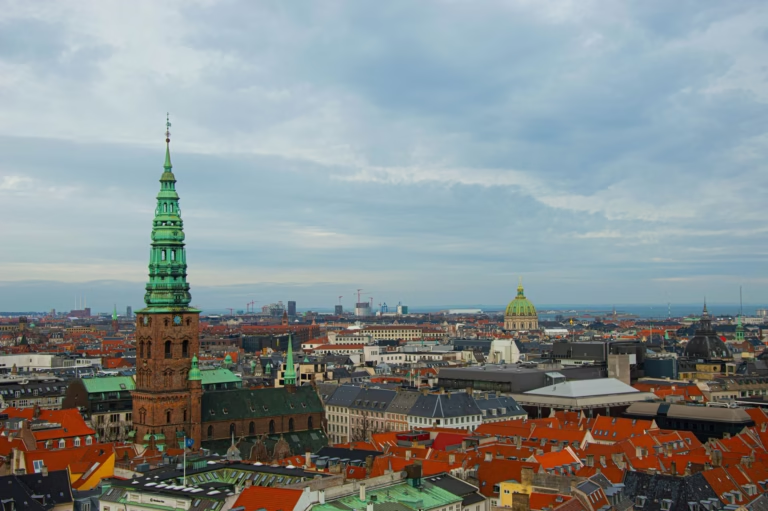
- Copenhagen: Explore the charming Nyhavn harbor and visit the historic Tivoli Gardens. Copenhagen is a city rich in history and modern design.
- Aarhus: Denmark’s second-largest city is known for its cultural scene, with museums and festivals throughout the year.
- Odense: The birthplace of Hans Christian Andersen, Odense offers a delightful glimpse into Danish literary history.
Each of these destinations offers unique experiences that cater to various interests, from history and culture to outdoor adventures.
Travel Tips for a Smooth Experience
Traveling to Scandinavia can be a delightful experience, but being prepared will help you avoid potential pitfalls. Here are some practical tips to consider:
Plan Ahead
Research your destination thoroughly before departure. Look into accommodations, transportation options, and must-see attractions. Booking in advance can often save you money and ensure that you secure your desired activities.
Pack Smart
Scandinavia’s weather can be unpredictable, so pack layers that you can easily add or remove. Comfortable walking shoes are a must, as many cities are best explored on foot. Don’t forget to include travel essentials like a universal adapter and a portable charger.
Respect Local Customs
Understanding local customs and etiquette can greatly enhance your travel experience. For example, in Sweden, it’s common to greet people with a firm handshake, while in Denmark, it’s polite to say “tak” (thank you) when receiving service. Familiarizing yourself with these small customs will help you connect with locals.
Understanding Local Health Guidelines
Regional Differences in Guidelines
Travelers should be aware that while restrictions may be lifted at a national level, local health guidelines can still vary significantly between regions. For example, urban areas may have stricter regulations compared to rural regions. It is essential to research the specific guidelines for the areas you plan to visit, as they may include mask mandates, social distancing policies, and capacity limits in public spaces.
Some regions may also require additional health screenings or proof of vaccination before entering certain establishments, such as restaurants, museums, or public transport. To stay informed, travelers can check local government websites or health department updates before their trip.
Health and Safety Protocols in Accommodations
Hotels and other accommodations are implementing various health and safety protocols to ensure the well-being of their guests. Many properties have enhanced cleaning measures, including the use of hospital-grade disinfectants and increased frequency of cleaning common areas. It is advisable for travelers to inquire about the specific protocols in place at their chosen accommodation before booking.
Additionally, some hotels may offer contactless check-in and check-out options to minimize physical interactions. Travelers can also find information on whether amenities such as pools, gyms, and dining facilities are open and if they follow any capacity restrictions.
Emergency Health Services Availability
In the unlikely event that a traveler requires medical assistance while in Scandinavia, it is crucial to understand how to access health services. Emergency health services are generally robust, but availability can vary based on location. Dialing the local emergency number can connect travelers to ambulance services, but they should also be aware of the nearest hospitals and clinics.
Travelers should consider obtaining travel insurance that covers medical emergencies, including COVID-19 related issues. This can provide peace of mind and financial protection in case of unexpected health problems during their stay. Here’s a quick checklist for accessing health services:
- Know the local emergency number (e.g., 112 in Sweden, Denmark, and Norway).
- Research nearby hospitals or clinics prior to travel.
- Ensure your travel insurance covers medical emergencies.
- Carry any necessary medications and prescriptions.

Exploring Sustainable Travel Options
Eco-Friendly Transportation Choices
As travelers return to Scandinavia, many are seeking sustainable travel options to reduce their environmental impact. Public transportation systems in Scandinavian countries are well-developed and offer a variety of eco-friendly choices. Trains, trams, and electric buses are widely available and can make traveling between cities both convenient and sustainable.
For those who prefer to explore at a slower pace, cycling is a popular option in many Scandinavian cities. Dedicated bike lanes and rental services make it easy to navigate urban areas while taking in the scenery. Travelers can also consider walking tours, which not only reduce carbon footprints but also provide intimate experiences with local culture and history.
Sustainable Accommodation Choices
Many accommodations in Scandinavia have adopted sustainable practices, making it easier for environmentally conscious travelers to find suitable lodging. Look for hotels that are certified by recognized sustainability programs, which often include energy-efficient systems, water conservation measures, and waste reduction initiatives.
Moreover, travelers can consider choosing eco-lodges or guesthouses that prioritize local sourcing for food and materials. These options often provide unique experiences and support the local economy. Here are some tips for finding sustainable accommodations:
- Research hotels and lodges with green certifications.
- Read reviews focusing on sustainability efforts.
- Inquire about the use of local products and services.
- Consider staying in smaller establishments that promote eco-friendly practices.
Participating in Local Conservation Efforts
Many Scandinavian destinations offer opportunities for travelers to engage in local conservation efforts. Participating in tree planting, wildlife monitoring, or beach clean-ups can enrich a traveler’s experience while contributing positively to the environment. Some organizations offer structured programs for tourists to get involved during their stay.
Engaging in such activities not only helps preserve the stunning natural landscapes of Scandinavia but also fosters a deeper connection with the local community. Travelers interested in participating should reach out to local tourism offices or environmental organizations for upcoming initiatives and volunteer opportunities.

Maximizing Cultural Experiences
Local Events and Festivals
With restrictions lifting, many towns and cities in Scandinavia are gearing up for a vibrant calendar of events and festivals. These celebrations provide travelers with unique opportunities to experience local culture, food, and traditions. From music festivals to food fairs, there are numerous events to explore throughout the year.
Travelers should check local event calendars to plan their visits around these festivities, which often showcase regional specialties and performances. Participating in local markets is also a great way to engage with artisans and taste authentic dishes. Here are a few major events to consider:
- Stockholm Music and Arts Festival
- Copenhagen Jazz Festival
- Oslo’s Viking Festival
- Helsinki Design Week
Engaging with Local Art and History
Scandinavia is rich in history and artistic expression, and travelers can delve into this cultural wealth by visiting museums, galleries, and historical sites. Many cities offer guided tours that focus on various themes, from Viking history to contemporary art. Engaging with local guides can provide valuable insights and enhance the overall experience.
Travelers should also consider seeking out lesser-known attractions, such as community art projects or local history museums, which can offer a more intimate view of Scandinavian culture. Participating in workshops, such as traditional crafts or cooking classes, can further enrich one’s understanding of the local way of life.
Food and Culinary Experiences
Scandinavian cuisine has gained international recognition, and visitors have a great opportunity to explore its flavors firsthand. Beyond dining at popular restaurants, travelers can engage in culinary tours that highlight local ingredients and cooking techniques. Many cities offer food markets and tasting tours that provide insight into regional specialties.
Travelers can also seek out cooking classes or farm-to-table experiences that connect them with local chefs and producers. This not only supports local businesses but also allows for unique, hands-on experiences that are both educational and enjoyable. Here’s a list of culinary experiences to consider:
- Food tours in major cities.
- Cooking classes focused on traditional dishes.
- Visits to local farms or markets.
- Wine or beer tasting events.
Frequently Asked Questions
What are the current entry requirements for Scandinavia?
Entry requirements vary by country. Generally, travelers need proof of vaccination and may require a negative COVID-19 test depending on their vaccination status.
Are there any safety protocols in place for travelers?
Yes, travelers are encouraged to wear masks in crowded places, maintain social distancing, and practice good hygiene, such as hand washing and using sanitizer.
Can I travel to multiple Scandinavian countries?
Yes, provided you meet the entry requirements of each country. It is essential to check the specific regulations for each destination before traveling.
What are some recommended activities in Scandinavia?
Popular activities include exploring the fjords in Norway, visiting historic sites in Sweden, and enjoying the vibrant city life in Denmark. Each country offers a variety of outdoor and cultural experiences.
The Bottom Line
The lifting of restrictions in Scandinavia opens up exciting opportunities for travelers. Understanding the current guidelines, entry requirements, and safety protocols will help ensure a smooth and enjoyable experience. With stunning landscapes, rich culture, and vibrant cities waiting to be explored, now is the perfect time to plan your Scandinavian adventure.
Visa rules, prices and opening times change. Always confirm details with official sources before you travel.