Hotels Restoring Coral Reefs: How You Can Help Save Our Oceans
Discover how hotels restoring coral reefs contribute to marine conservation and how you can be part of this important initiative.
The vibrant colors and diverse ecosystems of coral reefs are under threat due to climate change, pollution, and overfishing. As stewards of the seas, many hotels across the globe have taken up the challenge of restoring these vital ecosystems. Hotels restoring coral reefs not only provide visitors with stunning views and unique experiences but also actively contribute to marine conservation efforts. This article delves into the various initiatives undertaken by these hotels, the significance of coral reefs, the role of travelers in supporting these efforts, and a selection of notable hotels that lead the way in coral restoration.
Coral reefs are often referred to as the “rainforests of the sea” due to their rich biodiversity. They support countless marine species and provide benefits such as coastal protection and tourism opportunities. However, the alarming rate of coral degradation calls for urgent action. Many hotels are rising to this challenge, implementing innovative programs that engage guests and local communities in conservation work. By choosing to stay at these hotels, travelers can play a critical role in supporting coral reef restoration.
This guide will provide insights into the various programs, initiatives, and hotels that are making a difference in coral reef conservation. It will also address practical ways for travelers to get involved, ensuring that their trips contribute positively to the environment.
The Importance of Coral Reefs
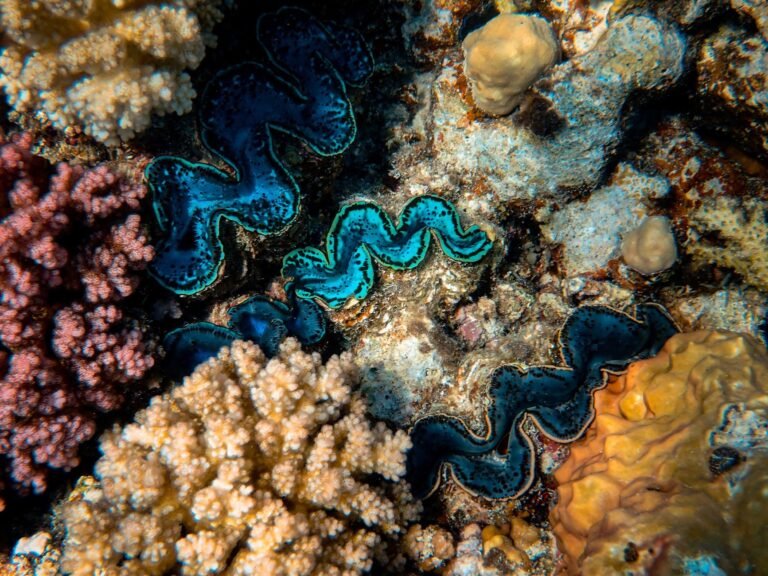
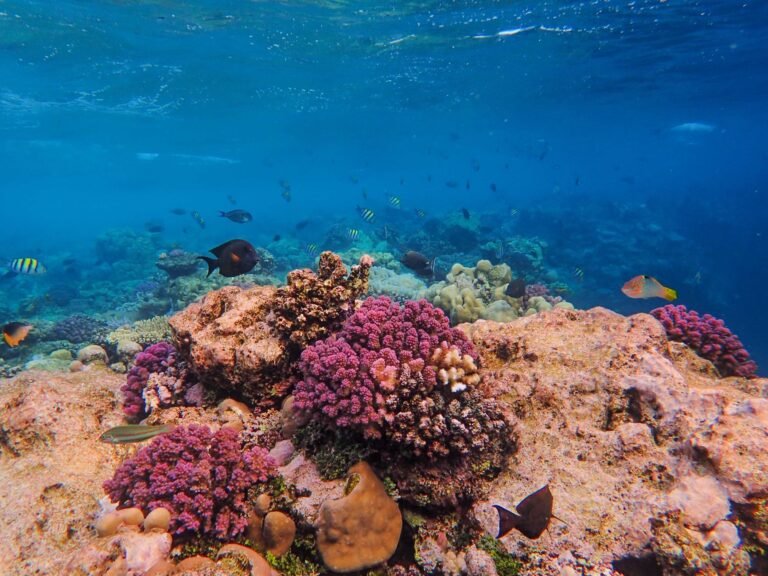
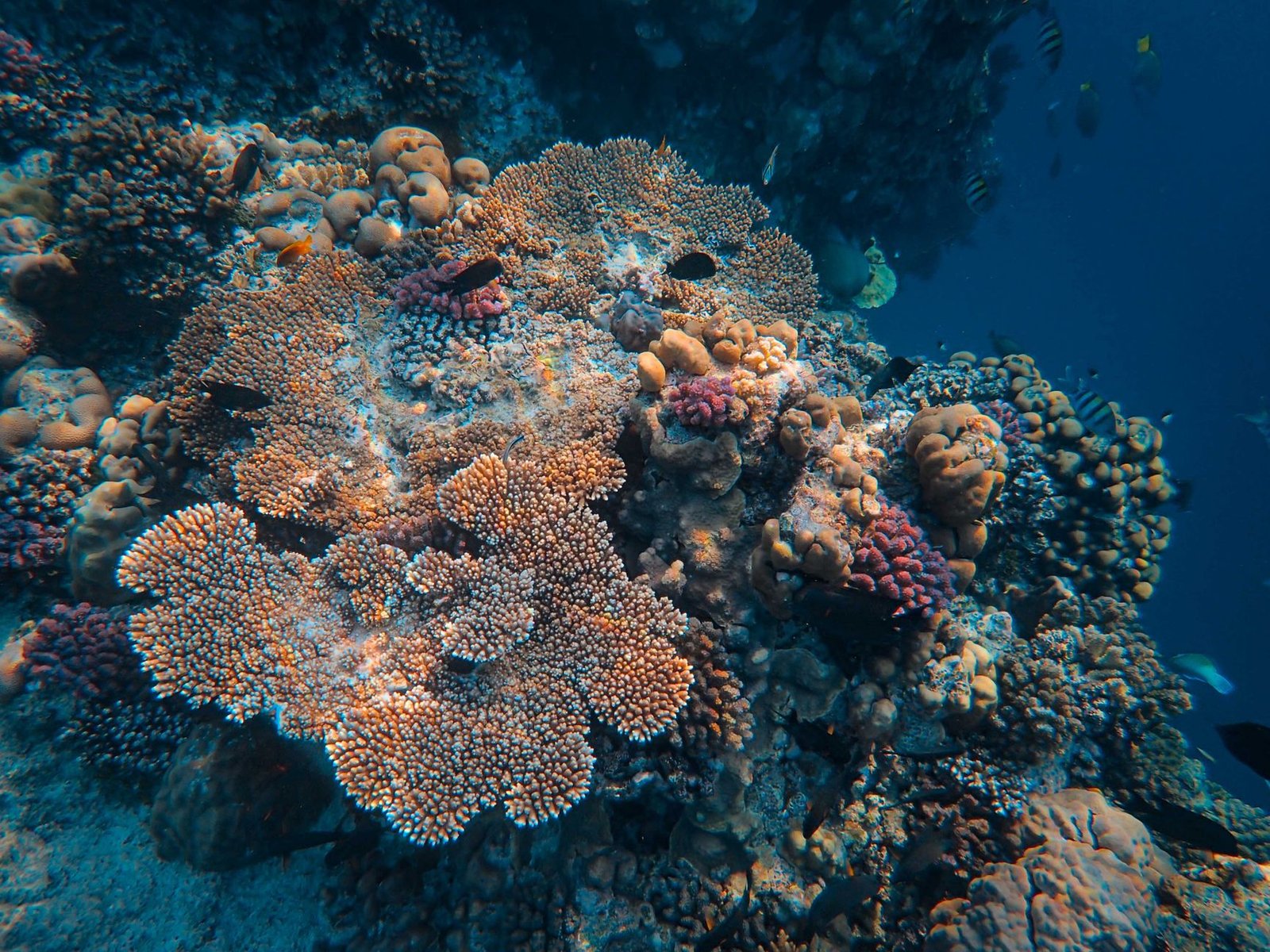
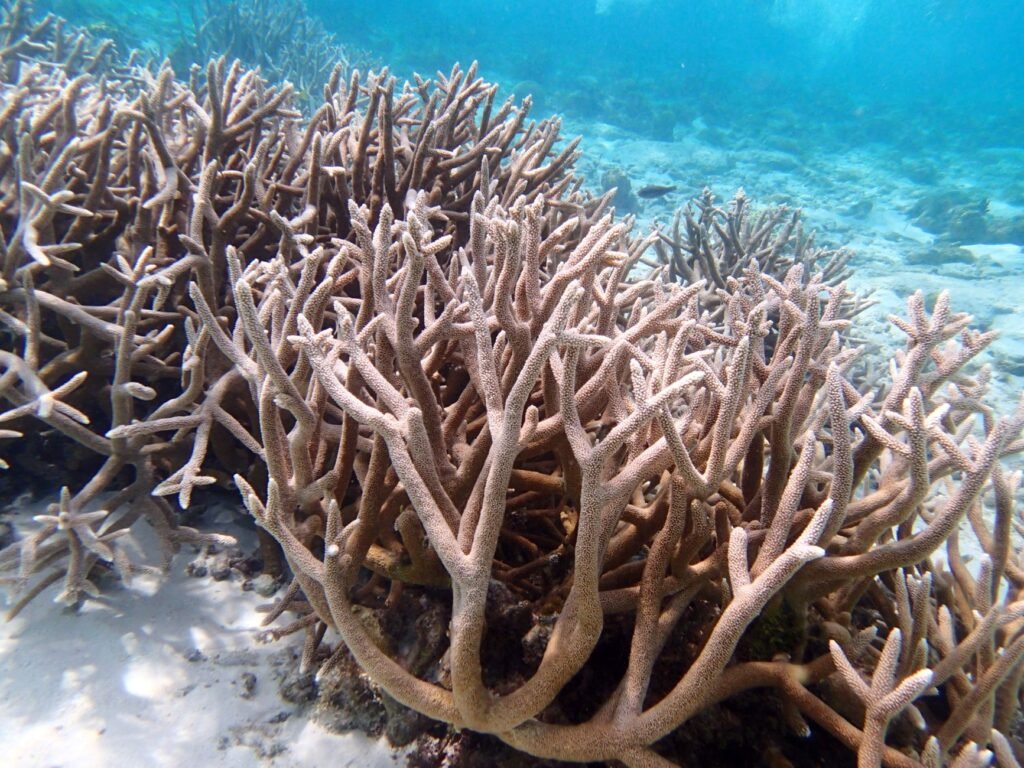
Coral reefs are critical components of marine ecosystems, offering habitat and shelter to a multitude of marine organisms. They are not only essential for biodiversity but also play a significant role in human livelihoods, tourism, and coastal protection.
Key Benefits of Coral Reefs:
- Biodiversity Hotspots: Coral reefs are home to approximately 25% of all marine species, despite covering only 0.1% of the ocean floor.
- Ecosystem Services: They protect coastlines from erosion, reduce the impact of storms, and support fisheries that provide food and income to millions of people.
- Economic Value: Coral reefs contribute significantly to local economies through tourism, recreational activities, and fisheries, generating billions in revenue annually.
Despite their importance, coral reefs face numerous threats, including climate change, which leads to bleaching, pollution, and destructive fishing practices. The decline of coral reefs has severe consequences for marine life and human communities that depend on them.
How Hotels Are Making a Difference
Many hotels are stepping up to combat the degradation of coral reefs through innovative restoration and conservation projects. These hotels often collaborate with marine biologists, environmental organizations, and local communities to develop effective strategies for coral rehabilitation.
Common Initiatives by Hotels:
- Coral Planting Programs: Hotels organize coral nursery projects where guests can participate in planting coral fragments, allowing them to engage directly in restoration efforts.
- Education and Awareness: Many hotels offer educational programs about marine ecosystems, encouraging guests to understand the importance of coral conservation.
- Partnerships with NGOs: Collaborating with non-profit organizations helps hotels leverage expertise in marine restoration and conservation.
For instance, the Four Seasons Resort in Bora Bora has launched a coral restoration program that involves guests in the planting of coral fragments. This initiative not only enhances the reef’s health but also enriches the guests’ experience by providing them with hands-on involvement in preserving the local environment.
Notable Hotels Leading Coral Restoration Efforts
Numerous hotels around the world are recognized for their commitment to coral restoration. Here are a few standout examples:
- Coral Garden Resort, Fiji: This eco-friendly resort is dedicated to restoring coral reefs through sustainable practices and community involvement.
- Hilton Moorea Lagoon Resort & Spa, French Polynesia: The resort has implemented coral nurseries and regularly involves guests in planting activities.
- The Reef House, Palm Cove, Australia: This hotel actively engages in coral restoration projects and offers educational programs on marine conservation.
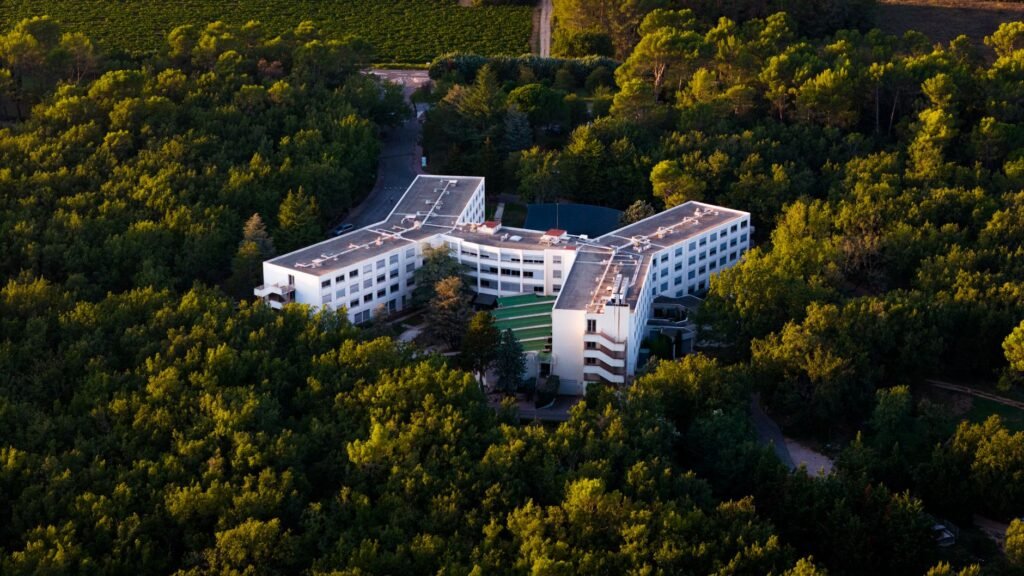
These hotels not only provide luxurious accommodations but also serve as beacons of hope for coral reef restoration, inspiring guests to contribute to marine conservation.
How Travelers Can Support Coral Reef Restoration
Travelers play a vital role in supporting coral reef restoration by choosing eco-friendly accommodations and participating in conservation initiatives during their trips.
Ways to Get Involved:
- Choose Eco-Conscious Hotels: Select hotels that prioritize sustainability and actively participate in coral restoration efforts.
- Participate in Conservation Programs: Many hotels offer programs that allow guests to help with coral planting or marine education initiatives.
- Support Local Conservation Organizations: Consider donating to or volunteering with organizations dedicated to marine conservation.
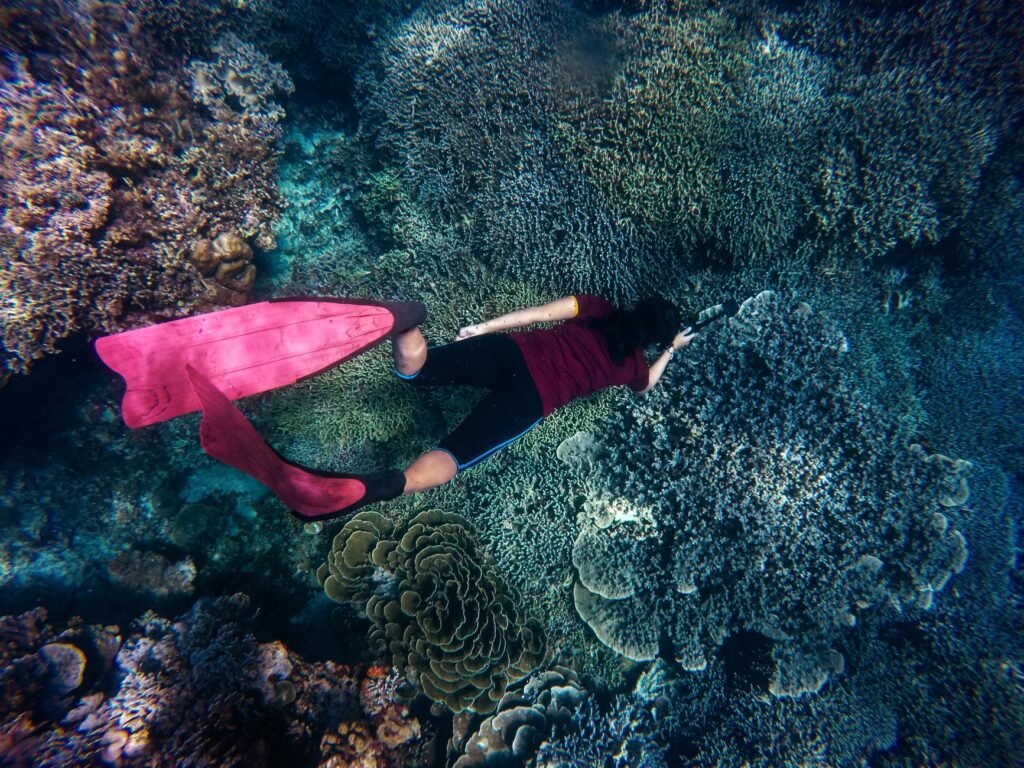
For example, during a visit to the Maldives, travelers can stay at resorts that provide guests with opportunities to snorkel in designated areas where coral restoration is taking place. This not only enhances their experience but also directly contributes to the recovery of these vital ecosystems.
Tips for Responsible Travel to Coral Reef Destinations
To minimize your impact on coral reefs while traveling, consider the following tips:
- Avoid Sunscreens with Harmful Chemicals: Some sunscreens contain ingredients that can damage coral reefs. Opt for reef-safe products.
- Practice Responsible Snorkeling and Diving: Avoid touching or standing on coral reefs, as this can cause physical damage.
- Stay Informed: Educate yourself about the local marine ecosystem and the specific challenges faced by coral reefs in your chosen destination.
Innovative Coral Restoration Techniques Employed by Hotels
Coral Farming Initiatives
Many hotels are investing in coral farming initiatives to restore damaged reefs. This involves cultivating coral fragments in controlled environments until they are ready to be transplanted back onto the reef. These farms not only help replenish coral populations but also serve as educational hubs for guests. By participating in coral farming, travelers can gain hands-on experience in marine biology and conservation.
Coral farming typically includes techniques such as:
- Fragmentation: Breaking off small pieces of healthy coral to promote new growth.
- Micro-fragmentation: A more advanced technique that involves cutting coral into smaller pieces to accelerate growth rates.
- Nursery systems: Using underwater structures to grow corals until they are ready for replanting.
Hotels often partner with local marine biologists to ensure these initiatives are scientifically sound and effective. Guests may have opportunities to learn about the specific species being cultivated and the methods used to encourage their growth.
Artificial Reefs and Eco-Structures
Some hotels are taking the innovative step of creating artificial reefs to enhance marine biodiversity. These artificial structures provide habitats for various marine species, helping restore ecological balance. Hotels may construct these reefs using eco-friendly materials that mimic natural reef structures, attracting fish and other marine life.
Key benefits of artificial reefs include:
- Providing shelter for marine organisms, enhancing local biodiversity.
- Reducing pressure on natural reefs by offering alternative habitats.
- Creating new diving and snorkeling sites, attracting tourists and promoting eco-tourism.
Travelers can engage with these projects by participating in guided tours or snorkeling excursions that explore the artificial reefs, learning about their role in marine conservation.
Community Involvement in Coral Restoration
Hotels are increasingly involving local communities in their coral restoration efforts. By collaborating with local fishermen, environmental groups, and schools, hotels can create a more effective and sustainable approach to reef restoration. This community involvement not only empowers local stakeholders but also enhances the educational experience for guests.
Ways in which hotels foster community involvement include:
- Organizing beach cleanups that involve both guests and locals.
- Hosting workshops on marine conservation and the importance of coral reefs.
- Establishing partnerships with local NGOs to support ongoing reef restoration projects.
These initiatives promote a sense of shared responsibility and enhance the connection between travelers and the local culture.
Educational Programs and Workshops for Guests
Interactive Learning Experiences
To encourage awareness about coral reefs, many eco-friendly hotels offer interactive learning experiences. These programs often include workshops led by marine biologists that cover topics such as coral biology, reef ecosystems, and conservation strategies. Guests can gain valuable insights into the challenges faced by coral reefs and the importance of preserving them.
Common features of these educational workshops include:
- Hands-on activities like coral planting and underwater monitoring.
- Presentations on the latest research in marine biology and coral restoration.
- Discussion sessions that allow guests to share their own experiences and ideas.
By participating, guests not only enrich their knowledge but also contribute to the overall mission of coral conservation.
Guest Participation in Research
Some hotels are collaborating with research institutions to involve guests in ongoing marine studies. This may include activities such as data collection, underwater photography, or assisting in ecological surveys. Guests can contribute to significant research efforts while enjoying their vacation, making their experience more meaningful.
Benefits of guest participation include:
- Contributing valuable data to scientists studying reef health.
- Gaining firsthand experience in scientific research methods.
- Strengthening the bond between travelers and the marine environment.
This engagement not only supports research but also turns guests into ambassadors for coral conservation, spreading awareness when they return home.
Virtual Learning Opportunities
For travelers who may not be able to visit coral reef destinations, hotels are beginning to offer virtual learning opportunities. Online workshops and webinars featuring marine scientists provide an accessible way for people to engage with coral conservation from anywhere in the world. This inclusive approach allows a wider audience to understand the critical state of coral reefs.
Some virtual programs may include:
- Live-streamed underwater explorations showcasing coral ecosystems.
- Interactive Q&A sessions with marine experts.
- Educational resources, such as e-books and documentaries on coral conservation.
These initiatives help raise global awareness and promote a sense of collective responsibility for protecting our oceans.

How Travelers Can Maximize Their Impact
Choosing Eco-friendly Accommodations
When planning a trip, opting for eco-friendly hotels can significantly impact coral reef conservation efforts. These hotels are typically committed to sustainable practices, such as minimizing waste, conserving water, and using renewable energy sources. By choosing accommodations that prioritize the environment, travelers can directly support coral restoration initiatives.
Tips for identifying eco-friendly hotels include:
- Look for certifications from recognized organizations, such as Green Key or EarthCheck.
- Research the hotel’s involvement in local conservation projects.
- Read reviews from previous guests about their sustainability practices.
By supporting these establishments, travelers contribute to a larger movement towards responsible tourism.
Participating in Local Conservation Projects
Travelers can enhance their impact by actively participating in local conservation projects during their stay. Many hotels offer opportunities for guests to volunteer in reef restoration or beach cleanup initiatives. Engaging in these activities not only aids the environment but also fosters a deeper connection with the local community.
Ways to get involved include:
- Signing up for volunteer days organized by the hotel.
- Joining local marine conservation groups for hands-on activities.
- Attending community meetings to learn about ongoing conservation efforts.
These experiences can be transformative, providing travelers with a unique perspective on the importance of protecting marine ecosystems.
Advocating for Coral Conservation
After returning home, travelers can continue to support coral reef conservation by advocating for policies that protect marine environments. This can include contacting local representatives, supporting conservation organizations, or sharing knowledge gained during their travels.
Effective advocacy strategies can include:
- Participating in campaigns aimed at raising awareness about coral health.
- Donating to or volunteering with marine conservation organizations.
- Educating friends and family about the importance of coral reefs and sustainable practices.
By becoming advocates, travelers can amplify their impact and inspire others to join the fight for coral conservation.
Frequently Asked Questions
What are coral reefs?
Coral reefs are underwater structures made from calcium carbonate secreted by corals. They serve as habitats for a diverse range of marine life and provide critical ecosystem services.
Why are coral reefs important?
Coral reefs support biodiversity, protect coastlines, and contribute to tourism and fishing industries, making them vital for both marine ecosystems and human economies.
How can I participate in coral restoration while traveling?
Many hotels and resorts offer programs that allow guests to participate in coral planting and conservation activities. Look for eco-friendly accommodations that prioritize sustainability.
What should I look for in an eco-friendly hotel?
Choose hotels that have clear sustainability policies, participate in conservation initiatives, and provide education about local ecosystems.
The Bottom Line
Hotels restoring coral reefs exemplify the intersection of travel and environmental responsibility. By visiting these establishments, travelers not only enjoy unique experiences but also contribute to the preservation of vital marine ecosystems. With the right choices, each trip can help ensure that coral reefs continue to thrive for future generations.
Visa rules, prices and opening times change. Always confirm details with official sources before you travel.