Discover Australia’s Best Natural Wonders: A Travel Guide
Explore the awe-inspiring landscapes of Australia with our guide to the best natural wonders, from the Great Barrier Reef to Uluru.
Australia is renowned for its stunning natural landscapes, ranging from pristine beaches to rugged mountains and unique wildlife. The country’s diverse geography is home to some of the world’s most breathtaking natural wonders. Whether you are an adventure seeker or simply want to relax in nature, Australia offers a variety of experiences that cater to all interests. This guide will explore the best natural wonders the continent has to offer, providing essential travel tips to help you make the most of your visit.
From the vibrant coral reefs of the Great Barrier Reef to the iconic rock formations of Uluru, Australia’s natural wonders are not just picturesque but also integral to the country’s cultural identity. Many of these sites are protected national parks, ensuring that future generations can enjoy them in their natural state. This article will detail the most remarkable locations, how to get there, the best time to visit, and what to expect during your journey through Australia’s natural beauty.
As you plan your travels, keep in mind that some regions are best visited during specific seasons to fully appreciate their beauty. Let’s embark on a journey to discover the best natural wonders that Australia has to offer!
The Great Barrier Reef
The Great Barrier Reef is the largest coral reef system in the world, stretching over 2,300 kilometers along the Queensland coast. It is a UNESCO World Heritage site and one of the Seven Natural Wonders of the World. Renowned for its vibrant marine life and stunning underwater landscapes, the reef attracts millions of visitors each year.
Visitors can explore the reef through various activities such as snorkeling, scuba diving, and sailing. The best time to visit the Great Barrier Reef is during the dry season, from June to November, when the water visibility is optimal, and the weather is pleasant.
- Getting There: Most travelers access the Great Barrier Reef from the coastal city of Cairns, which has numerous tour operators offering trips to various reef locations.
- What to Expect: Prepare to be amazed by the colorful corals, diverse fish species, and possibly even sea turtles and dolphins. It’s important to respect the marine environment and follow guidelines to protect this precious ecosystem.
- Costs: Tour prices vary depending on the type of experience, with snorkeling tours starting around AUD 100 per person and diving excursions costing more.

Uluru-Kata Tjuta National Park
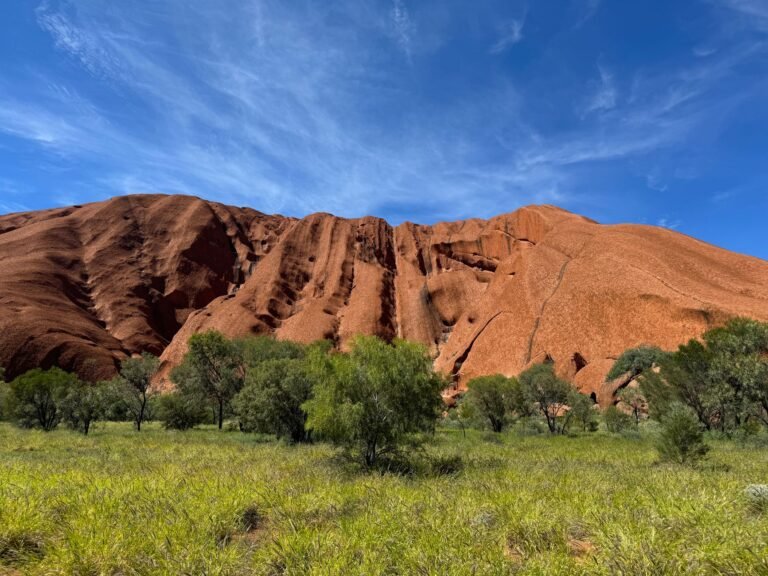
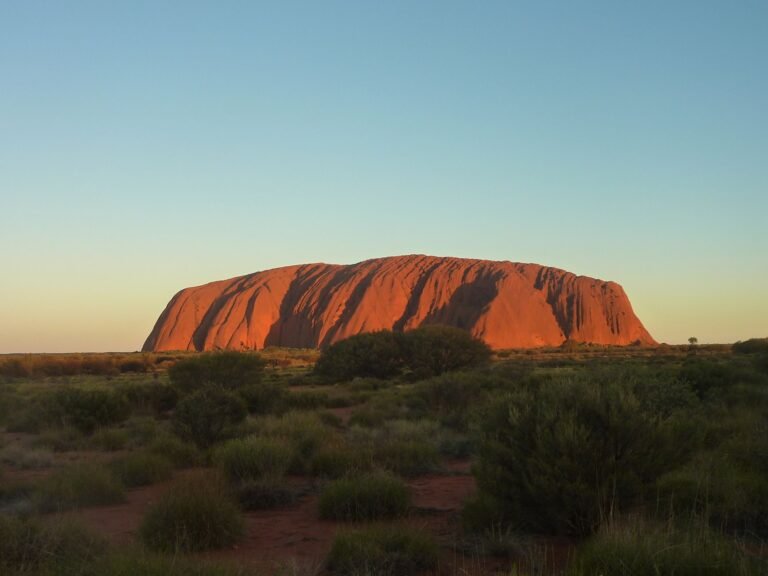
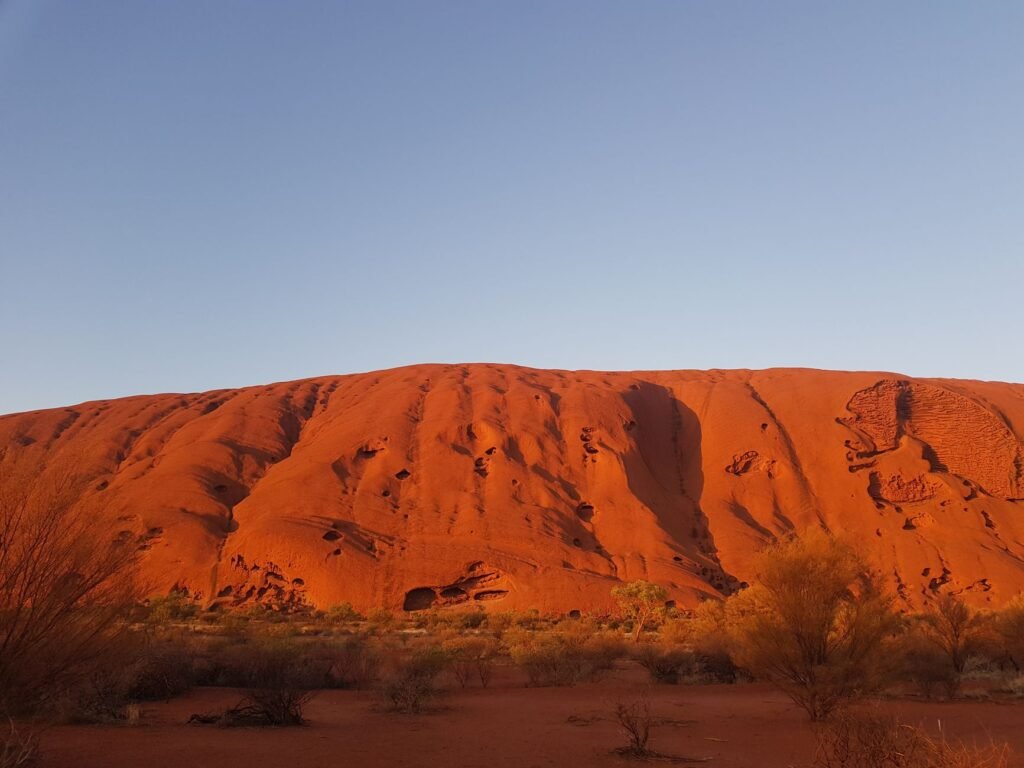
Uluru, also known as Ayers Rock, is an iconic symbol of Australia. This massive sandstone monolith stands at 348 meters high and is sacred to the Indigenous Anangu people. The park is not only home to Uluru but also features the incredible Kata Tjuta (The Olgas), a group of large, domed rock formations.
Visitors can engage in guided walks around the base of Uluru, learn about its cultural significance, and watch the breathtaking color changes during sunrise and sunset. The best time to visit is during the cooler months of April to September.
- Getting There: The nearest airport is in Alice Springs, which is approximately 450 kilometers away. From there, you can rent a car or take a guided tour to the park.
- Cultural Experience: Participate in guided tours led by Indigenous guides to gain insight into the cultural stories and significance of Uluru and Kata Tjuta.
- Costs: Entry to the park is around AUD 25 per adult for a three-day pass, providing access to all the park’s attractions.
Great Ocean Road
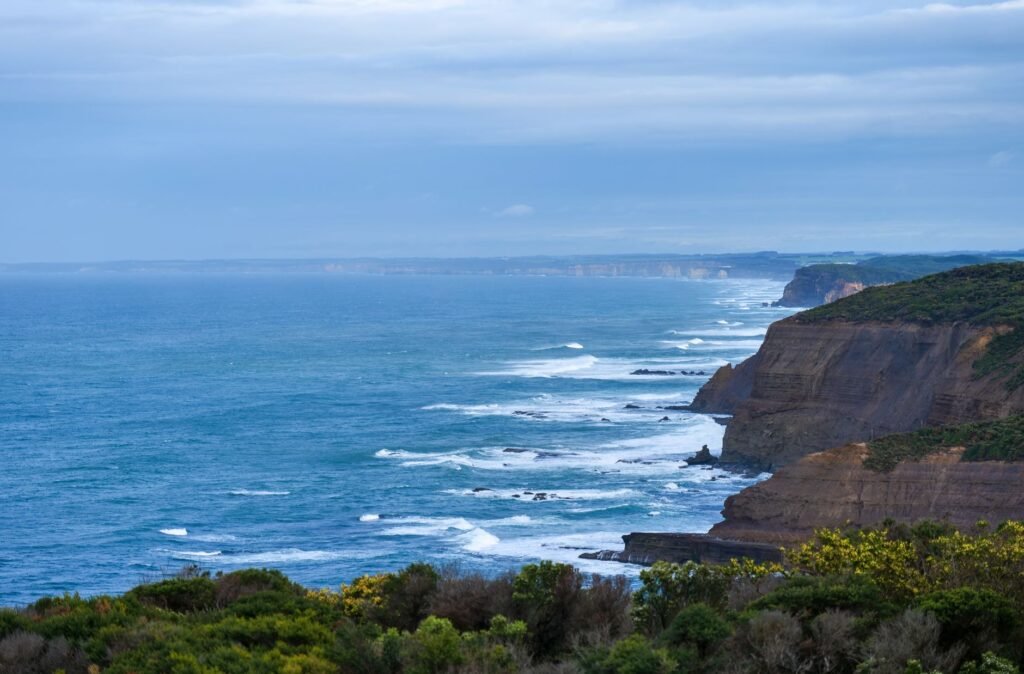
The Great Ocean Road is one of the most scenic coastal drives in the world, stretching over 240 kilometers along the southern coast of Australia. The road features stunning views of the coastline, cliffs, and the famous Twelve Apostles rock formations. It is a must-visit for anyone traveling to Victoria.
Driving along the Great Ocean Road can take a day or more, depending on how many stops you choose to make. Many travelers recommend allowing at least two days to explore this incredible region fully.
- Key Stops: Don’t miss the Twelve Apostles, Loch Ard Gorge, and the coastal towns of Lorne and Apollo Bay. Each location offers unique views and opportunities for photography.
- Best Time to Visit: The road is accessible year-round, but the best time is from December to February for pleasant weather, although it can be crowded during peak season.
- Costs: While driving is free, parking fees may apply at certain attractions along the route.
Daintree Rainforest
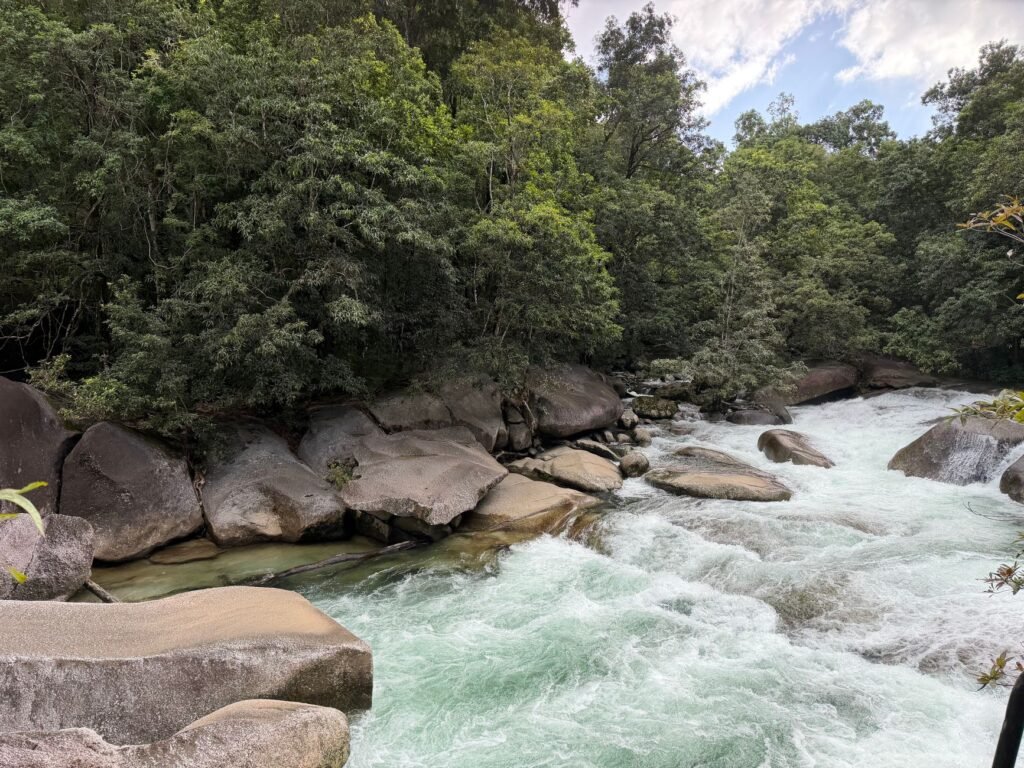
The Daintree Rainforest is one of the oldest rainforests in the world, located in Far North Queensland. This UNESCO World Heritage site is home to a vast array of flora and fauna, some of which cannot be found anywhere else on the planet. Visitors can explore its lush greenery, waterfalls, and wildlife through various walking trails and guided tours.
The best way to experience the Daintree is through eco-tours that focus on sustainable tourism practices. These tours often include opportunities to spot unique wildlife such as cassowaries and crocodiles.
- Getting There: The rainforest is accessible from Cairns and Port Douglas, with several tour companies offering day trips to the area.
- What to Expect: Expect to see diverse plant life, ancient trees, and possibly encounter some of the local wildlife. Guided tours provide valuable insights into the ecosystem and conservation efforts.
- Costs: Entry to the Daintree National Park is about AUD 30 per vehicle, with additional costs for guided tours.
Blue Mountains
The Blue Mountains National Park, located just outside of Sydney, is famous for its dramatic scenery, including steep cliffs, waterfalls, and eucalyptus forests. This area offers numerous hiking trails, scenic lookouts, and even opportunities for rock climbing and abseiling for the adventurous traveler.
One of the highlights of the park is the Three Sisters rock formation, which offers stunning views and is easily accessible from the Echo Point lookout. The park is a great destination for day trips from Sydney, making it a popular choice for both locals and tourists.
- Getting There: The Blue Mountains are easily reachable by train from Sydney, making it a convenient outing for those staying in the city.
- Best Time to Visit: The best time to visit is during spring (September to November) and autumn (March to May) when the weather is mild and the scenery is vibrant.
- Costs: There are no entry fees for the Blue Mountains National Park, but some attractions may charge for guided tours.
Whitsunday Islands
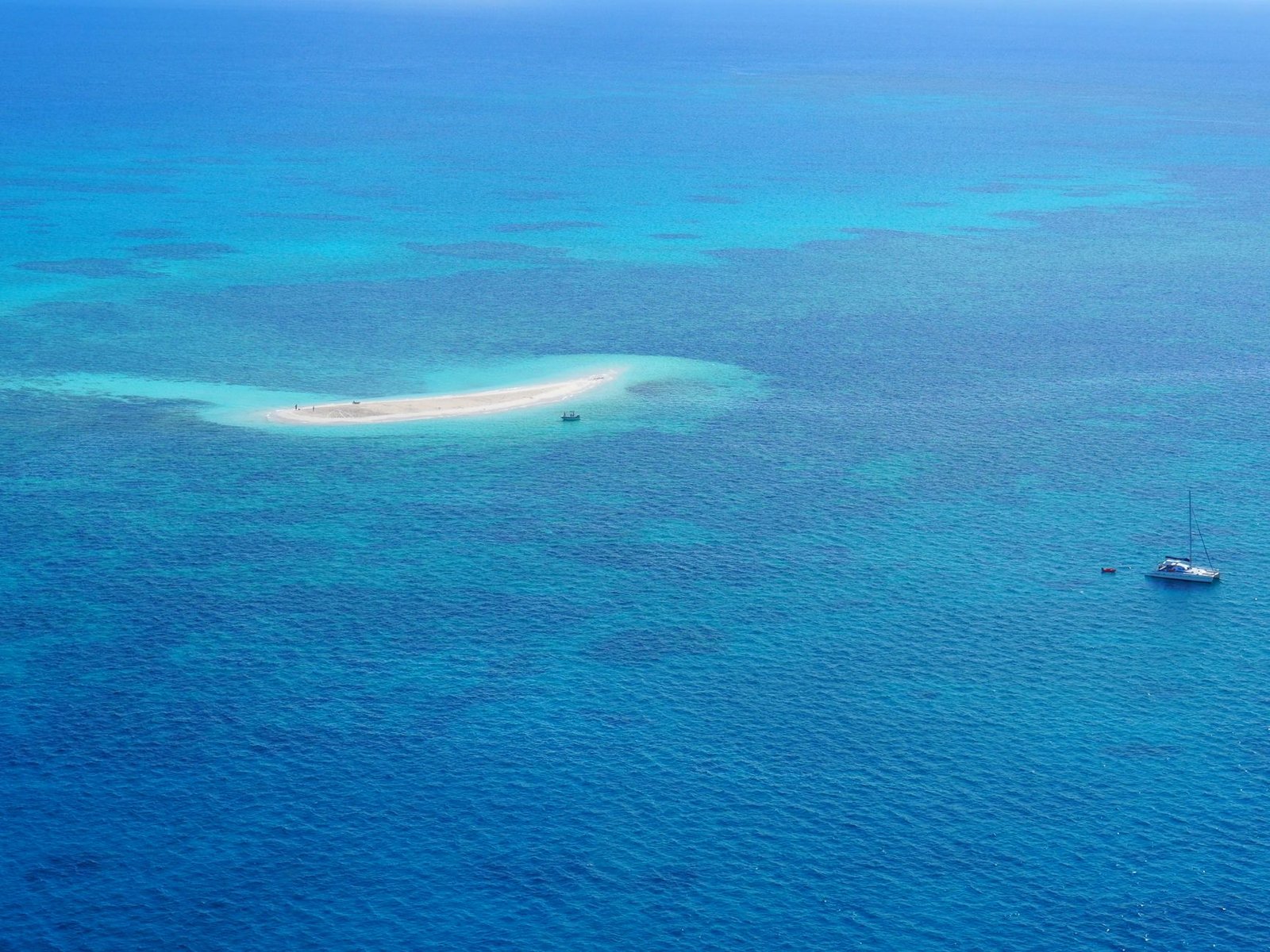
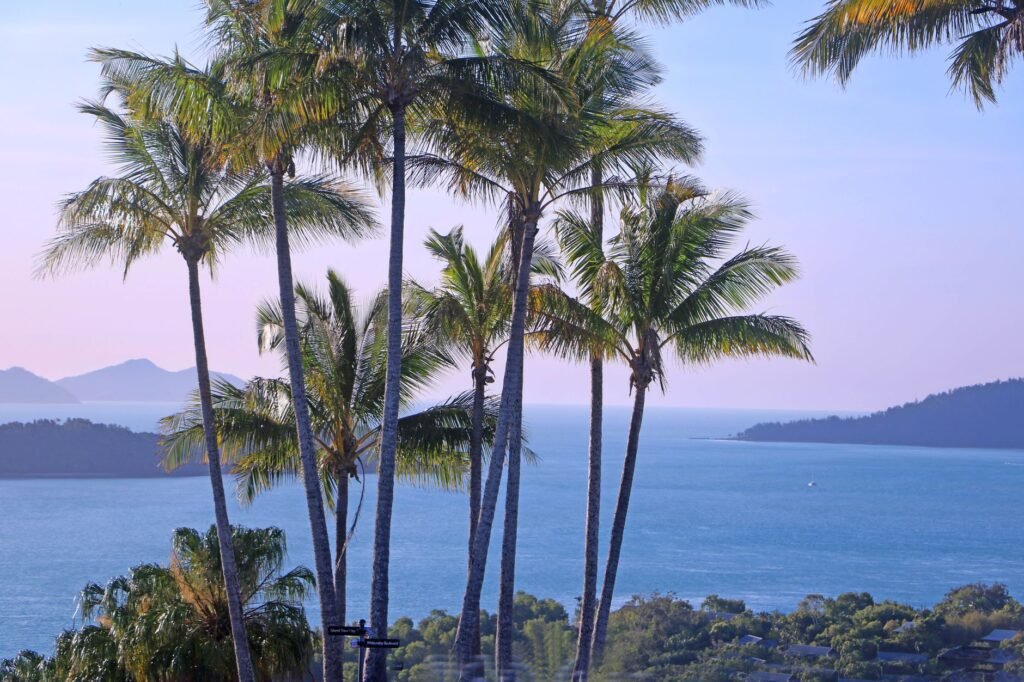
The Whitsunday Islands are a group of 74 islands located in the heart of the Great Barrier Reef. Known for their stunning beaches, crystal-clear waters, and vibrant coral reefs, these islands are a paradise for beach lovers and water sports enthusiasts alike.
Whitehaven Beach, often rated among the best beaches in the world, features soft white silica sand and is a must-visit when exploring the Whitsundays. You can access the islands via boat or helicopter tours from Airlie Beach.
- Getting There: Regular ferry services operate from Airlie Beach to several of the Whitsunday Islands, making it easy to explore.
- Activities: Popular activities include sailing, snorkeling, and sunbathing on the pristine beaches. Don’t forget to take a scenic flight for breathtaking aerial views.
- Costs: Ferry prices vary, but expect to pay around AUD 50 for a round trip to the islands.
Fraser Island: The World’s Largest Sand Island
Getting There and Getting Around
Fraser Island, located off the southeastern coast of Queensland, is renowned for its breathtaking landscapes and diverse ecosystems. Accessible by ferry from Hervey Bay or Rainbow Beach, it offers a unique adventure for travelers. Car rentals are popular on the island, but be sure to opt for a 4WD vehicle, as many roads are unpaved and sandy. Alternatively, guided tours are available, which provide an informative experience without the hassle of driving.
Once on the island, consider using the local bus services or joining organized tours to explore key sites like Lake McKenzie and the Maheno Shipwreck. These options allow you to relax and enjoy the stunning scenery without worrying about navigation.
Must-See Attractions on Fraser Island
Fraser Island is dotted with natural wonders that make it a must-visit destination. Some of the top attractions include:
- Lake McKenzie: A crystal-clear perched lake famous for its white sandy shores and vibrant blue waters, perfect for swimming and picnicking.
- Maheno Shipwreck: An iconic relic from 1935, this rusting ship offers a hauntingly beautiful sight against the backdrop of the beach.
- Rainforest Walks: Discover the island’s lush rainforests, which are among the only sub-tropical rainforests in the world growing on sand.
Make sure to dedicate time to explore the island’s unique flora and fauna, including dingoes, which are often spotted roaming the beaches.
Wildlife Encounters and Conservation Efforts
Fraser Island is home to a variety of wildlife, including kangaroos, wallabies, and over 350 species of birds. The island’s unique ecosystem is fragile, making conservation efforts crucial. Visitors are encouraged to:
- Stay on designated paths and boardwalks to protect the native vegetation.
- Observe wildlife from a distance and avoid feeding animals, especially dingoes.
- Participate in local conservation programs, which often welcome volunteers to help preserve the island’s environment.
By being mindful of your impact, you can enjoy the wonders of Fraser Island while contributing to its preservation for future generations.

The Pinnacles: Striking Colorful Sandstone Formations
How to Visit the Pinnacles
Located in the Nambung National Park in Western Australia, the Pinnacles are a unique geological formation consisting of limestone pillars rising from the desert floor. The best way to visit is by car, taking the scenic drive through the park, which is about two hours north of Perth. Alternatively, guided tours from Perth provide transportation and insights into the area’s history and geology.
When visiting, aim for early morning or late afternoon to avoid the midday heat and capture the stunning light on the formations. The park features well-marked walking trails, allowing you to explore the Pinnacles at your own pace.
Photography Tips and Scenic Viewing Points
The Pinnacles are a photographer’s dream, with their surreal shapes and colors. Here are some tips to capture the best shots:
- Visit during sunrise or sunset for dramatic lighting and shadows.
- Use a wide-angle lens to capture the vastness of the landscape.
- Experiment with different angles and perspectives, including close-ups of the formations.
Don’t forget to take a walk to the lookouts for panoramic views of the surrounding landscape, which beautifully contrasts with the golden sands.
Understanding the Environment and Conservation
The Pinnacles are not only visually striking but also ecologically significant. The area supports various flora and fauna, including several unique plant species. To help protect this fragile environment, visitors should:
- Follow all park guidelines and respect restricted areas.
- Dispose of waste properly to prevent pollution.
- Participate in park-led conservation activities when available.
By being responsible travelers, you can enjoy the beauty of the Pinnacles while ensuring their preservation for future visitors.
Mount Kosciuszko: Australia’s Highest Peak
Accessibility and Hiking Trails
Mount Kosciuszko, located in the Snowy Mountains of New South Wales, is Australia’s highest peak at 2,228 meters. The mountain is accessible year-round, with several hiking trails catering to different skill levels. The most popular route is the Kosciuszko Walk, a relatively easy 13-kilometer return hike from the Thredbo Resort, which features stunning alpine scenery and panoramic views.
For those seeking a more challenging experience, consider the Mount Kosciuszko Summit Walk, which offers a more rugged terrain and an exhilarating sense of achievement upon reaching the summit. Be sure to check weather conditions before embarking on your hike, as the weather can change rapidly in the alpine region.
Flora and Fauna of the Alpine Region
The alpine environment surrounding Mount Kosciuszko is rich in biodiversity, with unique plant and animal species adapted to the harsh conditions. Some notable species include:
- Snow Gums: Iconic trees with twisted trunks that thrive in the alpine climate.
- Alpine Daisy: A vibrant flower that adds color to the landscape during spring.
- Mountain Pygmy Possum: A small marsupial that is critically endangered and can be found in the area.
Visitors are encouraged to respect the natural environment by staying on designated paths and not disturbing wildlife.
Winter Activities in the Snowy Mountains
During winter, Mount Kosciuszko transforms into a snow-covered wonderland, attracting snow sports enthusiasts. The nearby Thredbo and Perisher ski resorts offer a range of activities, including:
- Skiing and snowboarding on various slopes suitable for all levels.
- Snowshoeing for a quieter way to explore the winter landscape.
- Cross-country skiing on groomed trails that wind through picturesque scenery.
Whether you visit in summer for hiking or winter for skiing, Mount Kosciuszko provides unforgettable experiences amidst Australia’s stunning natural beauty.
Frequently Asked Questions
What are Australia’s top natural wonders?
Australia’s top natural wonders include the Great Barrier Reef, Uluru, the Great Ocean Road, the Daintree Rainforest, the Blue Mountains, and the Whitsunday Islands.
When is the best time to visit these natural wonders?
The best time to visit varies by location. Generally, the dry season from April to November is ideal for the northern regions, while spring and autumn are best for southern areas.
How do I get around to these natural wonders?
Renting a car is a popular option for flexibility. Many natural wonders are accessible by guided tours or public transport, especially near major cities.
Are there any safety tips for visiting natural sites in Australia?
Always follow local guidelines, stay hydrated, and be aware of wildlife. It’s essential to check weather conditions and trail information before heading out.
The Bottom Line
Australia is home to some of the most breathtaking natural wonders in the world, each offering unique experiences and insights into the continent’s diverse landscapes. From the vibrant reefs of the Great Barrier Reef to the sacred grounds of Uluru, these sites reflect Australia’s rich natural and cultural heritage. Planning your visit requires some consideration of the best times and methods to experience these wonders, but the rewards are well worth the effort.
Visa rules, prices and opening times change. Always confirm details with official sources before you travel.