Explore Thimphu, Bhutan: A Perfect Weekend Itinerary
Discover the best weekend itinerary for Thimphu, Bhutan, with top attractions, local cuisine, and practical travel tips for an unforgettable experience.
Thimphu, the capital city of Bhutan, is a fascinating blend of traditional culture and modernity, making it an ideal destination for a weekend getaway. Nestled in the Himalayas, the city offers stunning landscapes, rich history, and a unique way of life that captivates visitors. As you plan your weekend itinerary in Thimphu, anticipate exploring beautiful temples, engaging with local artisans, and tasting traditional Bhutanese cuisine.
In this guide, you’ll find practical information on how to get to Thimphu, the best times to visit, and a detailed itinerary that ensures you experience the highlights of this remarkable city. Whether you’re a history buff, an adventure seeker, or a foodie, Thimphu has something for everyone.
Let’s delve into a well-structured weekend itinerary that will help you maximize your time and enjoy the best of what Thimphu has to offer.
Getting to Thimphu
Reaching Thimphu is an adventure in itself, as the journey typically begins at Paro International Airport, the only international airport in Bhutan. Flights from major cities in Asia, like Bangkok, Delhi, and Kolkata, are available, with Druk Air and Bhutan Airlines being the main carriers. Once you arrive at Paro, which is about 65 kilometers from Thimphu, you have several options to reach the capital.
- Taxi: Taxis are available at the airport, and the ride to Thimphu takes about 1.5 hours. Make sure to negotiate the fare beforehand, as there are no meters.
- Private Car Hire: If you prefer a more comfortable experience, consider hiring a private vehicle. This option allows you to stop along the way to take in the breathtaking views.
- Shared Transport: For budget travelers, shared taxis or mini-buses operate between Paro and Thimphu, providing a cost-effective way to travel while meeting fellow travelers.
As you approach Thimphu, the scenic drive features terraced fields, charming villages, and majestic mountains, setting the tone for your exciting weekend ahead.

Best Time to Visit
Thimphu experiences four distinct seasons, each offering a unique perspective of the city. The best time to visit is during the spring (March to May) and autumn (September to November) months. During these times, the weather is mild, with clear skies perfect for sightseeing.
- Spring (March to May): This is the time when the flowers bloom, and the landscape is lush and vibrant. The weather is generally warm, making it perfect for outdoor activities.
- Autumn (September to November): Known for its crisp air and stunning fall foliage, autumn is another excellent season to visit. This is also the time for several festivals, including the Thimphu Tshechu, which is a colorful cultural celebration.
- Winter (December to February): While it can be cold, winter offers a serene experience with fewer tourists. Some attractions may close, but the scenery is spectacular, especially with the snow-capped mountains.
- Summer (June to August): This is the monsoon season, characterized by heavy rainfall. While it can be less appealing for outdoor activities, the landscape is incredibly green, and you might find fewer tourists.
Plan your visit according to your interests and desired activities, keeping in mind the local festivals that might enhance your experience.
Accommodation Options
Thimphu offers a range of accommodation options that cater to different budgets and preferences. From luxury hotels to guesthouses, you can find a place that suits your needs.
- Luxury Hotels: For those seeking comfort, the Taj Tashi and Le Meridien Thimphu offer exquisite services and amenities. These hotels reflect Bhutanese architecture and provide stunning views of the surrounding mountains.
- Mid-Range Hotels: Options like the Druk Hotel and the Kisa Hotel provide excellent services at a more reasonable price. They are centrally located, making it easy to access local attractions.
- Budget Accommodation: If you’re traveling on a budget, consider staying at local guesthouses or hostels like the Peaceful Resort, which offers a cozy atmosphere and friendly service.
- Homestays: For a more authentic experience, look for homestays in nearby villages. This option allows you to immerse yourself in local culture and cuisine.
Regardless of where you choose to stay, booking in advance is advisable, especially during peak tourist seasons.
Day 1: Exploring Thimphu’s Cultural Landmarks
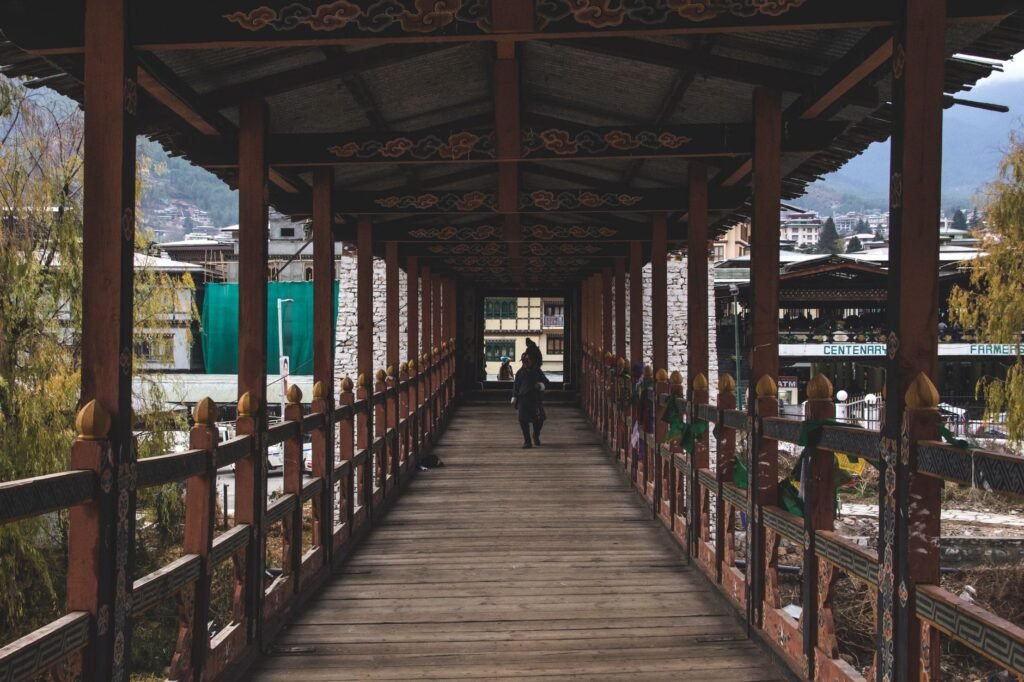
Your weekend itinerary begins with a day dedicated to exploring Thimphu’s rich cultural heritage. Start your day early with a hearty breakfast at your accommodation or at a local café. Afterward, head out to visit some of the city’s most iconic landmarks.
Visit the Buddha Dordenma
The first stop should be the Buddha Dordenma, a massive statue of Buddha located atop a hill overlooking Thimphu. Standing at 51.5 meters tall, this statue is one of the largest of its kind in the world. The site offers panoramic views of the city and surrounding landscape, making it an excellent spot for photos. The serene atmosphere invites visitors to reflect and enjoy the peaceful surroundings.
Explore Tashichho Dzong
Next, visit Tashichho Dzong, the seat of the government and the central monastic body in Bhutan. This impressive fortress was built in the 17th century and showcases traditional Bhutanese architecture. You can wander through the courtyards and admire the intricate woodwork and beautifully painted murals. If you’re lucky, you might witness a monk ceremony or prayer session, which adds to the spiritual ambiance of the place.
Discover the National Memorial Chorten
Your next stop should be the National Memorial Chorten, built in memory of the Third King of Bhutan. This stupa is a significant religious site and a popular place for locals to gather and pray. The vibrant atmosphere filled with chanting and offerings creates a unique experience. Take a moment to walk around the chorten and engage with the locals, who are often happy to share stories about their beliefs and traditions.
After a day filled with cultural exploration, enjoy dinner at a local restaurant where you can sample traditional Bhutanese dishes such as Ema Datshi (a spicy chili and cheese dish) or Jasha Maroo (spicy chicken). This dinner will not only satisfy your appetite but also introduce you to the unique flavors of Bhutan.
Day 2: Nature and Local Experiences
Your second day in Thimphu focuses on the natural beauty of the region and immersing yourself in local experiences. Start your day with breakfast at a café or your hotel before setting out for a day of adventure.
Hiking to Cheri Monastery
Kick off the day with a hike to Cheri Monastery, located about 14 kilometers from Thimphu. The trail takes you through beautiful pine forests, offering a peaceful escape from the city. The monastery, founded in the 17th century, is an important site for Buddhist monks. As you hike, take your time to soak in the fresh air and the stunning scenery. The hike typically takes around 1.5 to 2 hours, depending on your pace.
Visit the Weekend Market
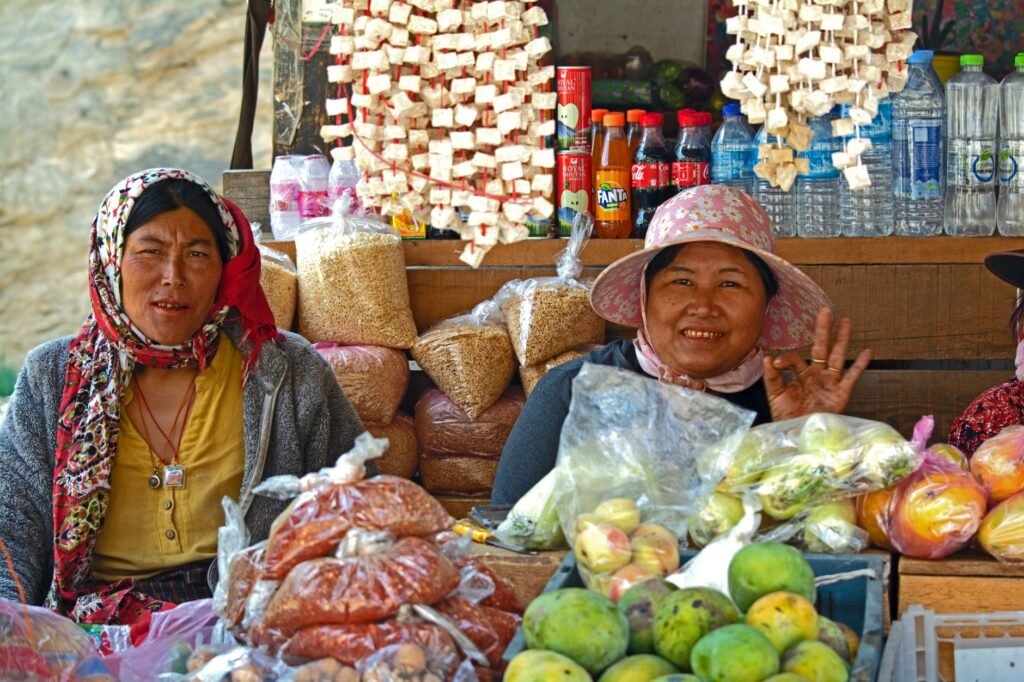
After your hike, head back to the city and visit the weekend market, which comes alive every Saturday and Sunday. This bustling market is a fantastic place to experience local life and shop for handmade crafts, fresh produce, and traditional textiles. Engage with the vendors, learn about their crafts, and perhaps pick up a few souvenirs to take home.
Culinary Experience
As the day winds down, consider joining a cooking class or a food tour to further explore Bhutanese cuisine. Many local chefs offer hands-on classes where you can learn to prepare dishes like Ema Datshi or momos (dumplings). This experience not only teaches you about the ingredients and cooking techniques but also allows you to connect with the local culture.
After your culinary adventure, enjoy a relaxed evening exploring local cafes or bars. The vibrant energy of Thimphu’s nightlife offers a great way to unwind before your departure.
Practical Tips for Your Weekend in Thimphu
Before you embark on your weekend trip to Thimphu, consider these practical tips to enhance your experience:
- Currency: The local currency is the Bhutanese Ngultrum (BTN). Credit cards are accepted at some establishments, but it’s advisable to carry cash for smaller vendors and markets.
- Dress Code: Bhutan has a strict dress code, especially when visiting religious sites. Wear modest clothing and ensure your shoulders and knees are covered.
- Altitude Adjustment: Thimphu is situated at an altitude of around 2,300 meters. Take it easy on your first day to acclimatize and stay hydrated.
- Language: While Dzongkha is the official language, many people in Thimphu speak English, especially in tourist areas. Learning a few basic phrases in Dzongkha can enhance your interactions.

Local Cuisine: A Culinary Journey
Traditional Dishes to Try
Bhutanese cuisine is known for its unique flavors and use of local ingredients. When in Thimphu, be sure to try some traditional dishes that reflect the rich culture of the country. One of the most popular dishes is ema datshi, a spicy mix of green chilies and cheese, which is considered the national dish. For a protein-rich option, sample phaksha paa, a pork dish cooked with radishes and chilies, offering a delightful balance of savory and spicy flavors.
Another must-try is jasha maru, a spicy minced chicken dish that pairs perfectly with rice. To experience the variety of flavors Bhutan has to offer, consider ordering a mixed platter that includes momos (dumplings), kewa datshi (potatoes and cheese), and steamed vegetables.
- EMA DATSHI – Spicy chilies and cheese
- PHAKSHA PAA – Pork with radishes
- JASHA MARU – Spicy minced chicken
- MOMOS – Dumplings, often stuffed with meat or vegetables
- KEWA DATSHI – Potatoes and cheese
Where to Eat
Thimphu has a range of dining options, from street food stalls to upscale restaurants. For a casual experience, head to the Thimphu Night Market, where you can sample various street foods, including fried snacks and local delicacies. For a more formal dining experience, Seasons Restaurant offers a cozy atmosphere and a mix of traditional Bhutanese and international dishes.
If you want to immerse yourself further in Bhutanese culture, consider dining at Chharo Restaurant. This establishment not only offers delicious food but also hosts cultural nights featuring traditional music and dance. It’s an excellent way to enjoy the cuisine while learning about local customs.
Cooking Classes
For those interested in taking a piece of Bhutan home with them, consider participating in a local cooking class. These classes typically include a market tour where you can learn about the ingredients used in Bhutanese cooking. Participants will then have the opportunity to prepare dishes under the guidance of a local chef.
Cooking classes are not only educational but also a fun way to engage with the local culture. You can expect to learn how to make popular dishes like ema datshi and momos, while also gaining insight into the significance of each dish in Bhutanese society.
Exploring Thimphu’s Arts and Crafts
Traditional Arts and Handicrafts
Thimphu is a hub for Bhutan’s rich artistic heritage, and exploring the local arts and crafts scene is a must for any visitor. The National Institute for Zorig Chusum offers visitors a glimpse into the traditional arts of Bhutan, including painting, sculpture, and textiles. Guided tours often include demonstrations by students who are honing their skills in these ancient crafts.
Don’t miss the chance to visit the Buddhist Institute of Performing Arts, where you can watch rehearsals or performances of traditional dance and music. The vibrant costumes and dynamic movements showcase the importance of performing arts in Bhutanese culture.
- National Institute for Zorig Chusum – Learn about traditional arts
- Buddhist Institute of Performing Arts – Watch traditional performances
- Handicraft shops – Buy local crafts and souvenirs
Shopping for Souvenirs
When it comes to shopping in Thimphu, you’ll find a range of unique handicrafts that make for perfect souvenirs. Head to the Craft Bazaar located in the heart of the city, where local artisans sell items such as handwoven textiles, traditional jewelry, and intricately carved wooden products.
Another great spot for shopping is the Bhutanese Arts and Crafts Center, where you can find high-quality items while supporting local artisans. Look for items like thangka paintings, which are intricate scrolls depicting Buddhist icons, and pashmina shawls, known for their softness and warmth.
Workshops and Experiences
For a deeper understanding of Bhutanese crafts, consider participating in a workshop. Many local artisans offer classes where you can learn skills such as weaving, painting, or wood carving. These hands-on experiences not only provide insight into the artistic process but also allow you to create your own piece to take home.
Workshops typically last a few hours and can be arranged through local tour operators or craft shops. Engaging in these activities is a fulfilling way to connect with the culture of Bhutan and to better appreciate the craftsmanship involved in traditional arts.

Outdoor Activities Beyond Hiking
Cycling Tours in Thimphu
While hiking is a popular way to explore the natural beauty around Thimphu, cycling offers a unique perspective of the city and its surroundings. Several local companies provide guided cycling tours that cater to different skill levels, from beginners to experienced cyclists. These tours often take you through scenic routes, allowing you to experience the stunning landscapes and fresh mountain air.
Popular cycling routes include the ride to Dochula Pass, which offers breathtaking views of the Himalayas, or a leisurely ride along the banks of the Wang Chuu River. Cycling allows you to cover more ground than hiking while still enjoying the natural beauty of the area.
- Guided cycling tours – Available for various skill levels
- Dochula Pass – Scenic views of the Himalayas
- Wang Chuu River – Serene biking paths
Day Trips to Nearby Attractions
Thimphu is ideally located for day trips to several fascinating attractions. A visit to Taktsang Monastery, also known as Tiger’s Nest, is a must, though it requires some hiking. For a less strenuous option, consider a trip to the Changangkha Lhakhang, an ancient temple that dates back to the 12th century, nestled on a hill overlooking the city.
Another option is a visit to Phajoding Monastery, which offers stunning views and a peaceful environment. It is a relatively short hike from Thimphu, making it an accessible option for those looking to escape the city for a few hours.
Visit Local Parks and Gardens
For a more relaxed outdoor experience, spend some time in Thimphu’s parks and gardens. The Royal Botanical Park at Lampelri is a beautiful place to stroll, featuring a variety of native plants and stunning views of the surrounding landscape. Another great option is the Thimphu City Park, which is perfect for picnicking or simply enjoying the serene environment.
Both parks offer walking trails and spots to relax, providing an excellent way to unwind after a day of sightseeing. Pack a picnic and enjoy the breathtaking scenery while soaking in the tranquility that these green spaces offer.
Frequently Asked Questions
What is the best way to get around Thimphu?
The best way to get around Thimphu is by taxi or on foot. Taxis are readily available, and walking allows you to take in the city’s charming atmosphere and discover hidden gems at your own pace.
Are there any entry fees for attractions in Thimphu?
Yes, some attractions may have entry fees, particularly temples and dzongs. Fees are generally modest, but it’s a good idea to have some cash on hand.
What should I pack for a weekend in Thimphu?
Pack comfortable walking shoes, layered clothing for varying temperatures, a rain jacket, and a reusable water bottle. Don’t forget your camera to capture the stunning landscapes!
Is Thimphu safe for tourists?
Thimphu is generally considered safe for tourists. However, like any destination, it’s wise to remain aware of your surroundings and take standard safety precautions.
The Bottom Line
Thimphu offers a unique blend of culture, nature, and culinary experiences, making it a perfect weekend getaway. By following this itinerary, you can explore the highlights of this remarkable city while immersing yourself in Bhutanese culture. Whether you’re hiking to monasteries, savoring local dishes, or engaging with the vibrant market scene, a weekend in Thimphu is sure to be an unforgettable experience.
Visa rules, prices and opening times change. Always confirm details with official sources before you travel.