Top Things to Do in Giza, Egypt: A Traveler’s Guide
Discover the top things to do in Giza, Egypt, from ancient wonders to local experiences in this comprehensive travel guide.
Giza, Egypt, home to some of the most iconic ancient structures in the world, is a destination that captures the imagination of travelers. The Great Pyramids, the Sphinx, and a rich tapestry of culture and history await all who venture to this remarkable region. In this guide, we will explore the top things to do in Giza, providing practical tips and insights to enhance your visit.
Visiting Giza is not just about witnessing the monumental pyramids; it’s also about immersing yourself in the local culture, enjoying authentic cuisine, and understanding the historical significance of this ancient land. Whether you’re a history buff, an adventure seeker, or just looking to soak in the sights, Giza has something for everyone.
From the bustling streets filled with vendors to serene desert landscapes, this guide will ensure you make the most out of your trip to Giza. Let’s delve into the top attractions and experiences that Giza has to offer.
1. The Great Pyramids of Giza
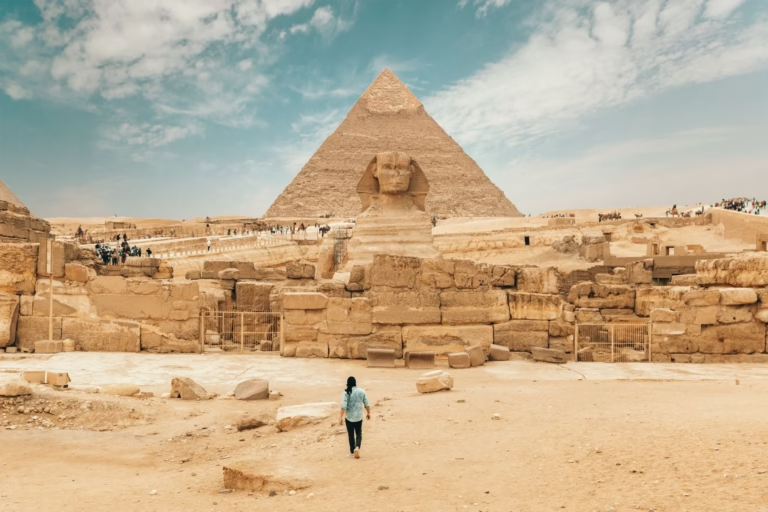
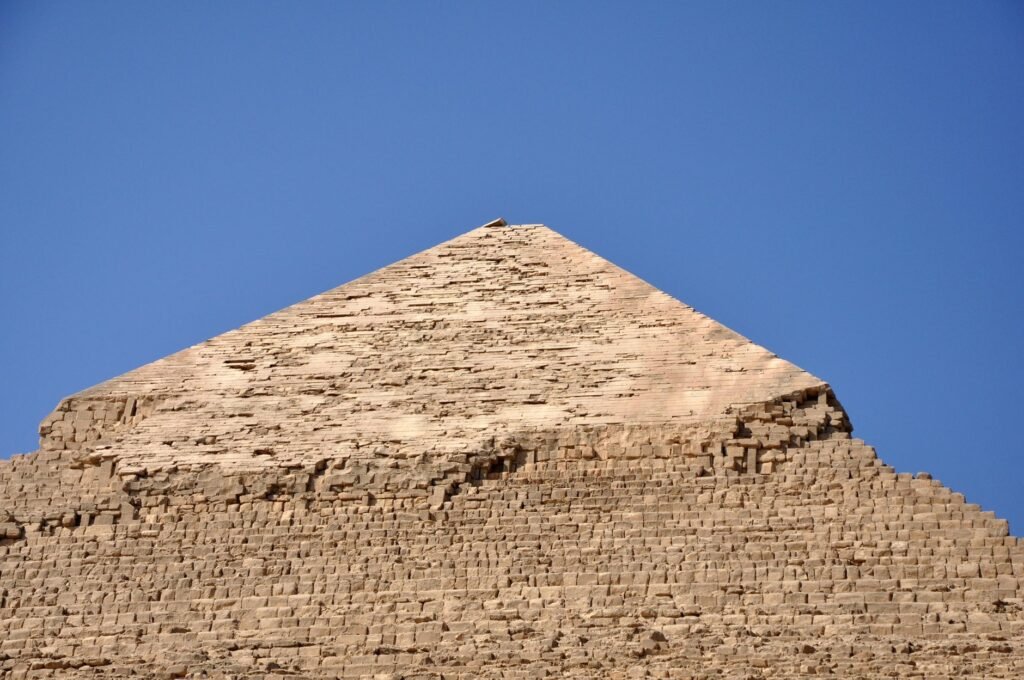
The Great Pyramids of Giza are arguably the most recognized symbols of ancient Egypt. Situated on the Giza Plateau, these monumental structures were built as tombs for pharaohs and are a testament to the incredible engineering skills of the ancient Egyptians.
The largest of the pyramids, the Great Pyramid of Khufu (or Cheops), stands at an impressive 481 feet. When visiting, consider taking a guided tour that offers insights into the construction methods, the historical context, and the mysteries surrounding these incredible structures.
- Visiting Hours: The pyramids are open daily from 8 AM to 5 PM, but it’s advisable to arrive early to avoid crowds.
- Entry Fees: Expect to pay a small fee for entrance, with additional costs for entering the pyramids themselves.
- Best Time to Visit: The cooler months from October to April are ideal for exploring, as temperatures can soar in the summer.
Inside the pyramids, visitors can explore burial chambers and learn about the elaborate rituals associated with the afterlife. However, it’s essential to note that spaces can be narrow and slightly claustrophobic, so be prepared if you choose to enter.
2. The Sphinx
Adjacent to the Great Pyramids, the Great Sphinx of Giza is a colossal limestone statue with the body of a lion and the head of a pharaoh, believed to be Khafre. This enigmatic monument has captivated historians and travelers alike for centuries.
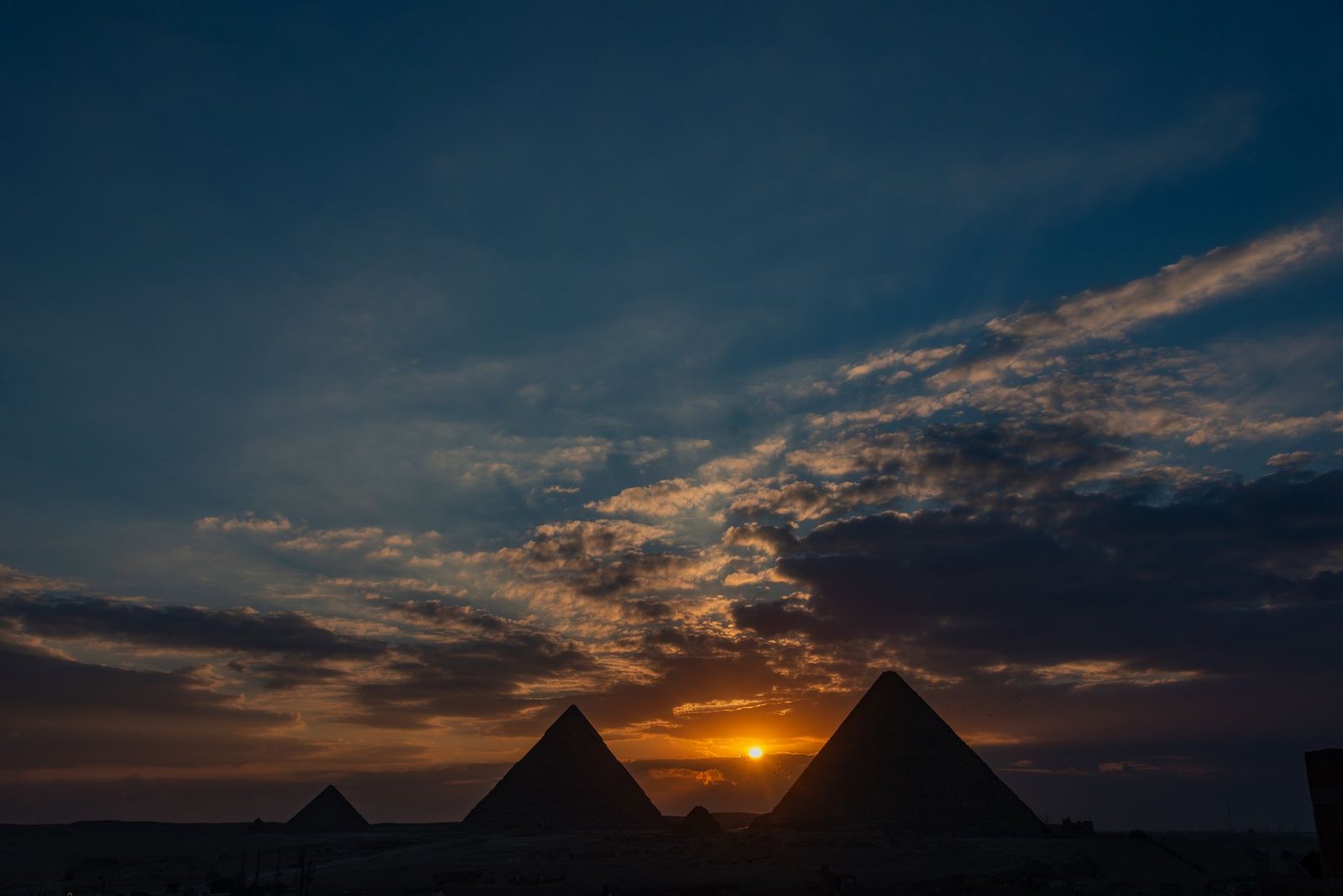
When visiting the Sphinx, take time to walk around and appreciate its grandeur from different angles. The site offers various vantage points for photography, especially during sunrise and sunset when the light casts a magical glow on the structure.
- Photography Tips: Bring a good camera; the golden hour provides stunning lighting.
- Guided Tours: Consider joining a guided tour for myths and legends surrounding the Sphinx.
- Accessibility: The Sphinx is easily accessible and does not require special tickets, making it a convenient stop.
Legend has it that the Sphinx once had a nose, which was destroyed in the past, possibly due to vandalism or erosion. This story adds to the mystique of one of Egypt’s most famous landmarks.
3. The Solar Boat Museum
Just a short walk from the pyramids, the Solar Boat Museum showcases an ancient solar boat that dates back to the Fourth Dynasty. This remarkable artifact was discovered buried near the Great Pyramid of Khufu and is believed to have been intended for the pharaoh’s journey in the afterlife.
The museum itself is a modern facility that offers a fascinating glimpse into ancient Egyptian funerary practices. The boat is meticulously preserved and displayed in a way that allows for close observation.
- Entry Fee: A small fee is charged for entry, and it’s worth every penny for history enthusiasts.
- Guided Tours: Tours are available, providing context and stories behind the boat and its significance.
- Photography: Photography is allowed, but be mindful of the museum’s rules.
Visiting the Solar Boat Museum provides a unique opportunity to connect with the ancient past. Many visitors leave with a deeper understanding of the beliefs and customs surrounding death and the afterlife in ancient Egypt.

4. Local Markets and Cuisine
A visit to Giza would be incomplete without experiencing its vibrant local markets. The streets of Giza are bustling with shops selling spices, textiles, and handmade crafts. Markets like the Khan el-Khalili offer a rich sensory experience, where you can immerse yourself in the sights, sounds, and smells of Egyptian culture.
When it comes to food, Giza has plenty to offer. Traditional Egyptian cuisine is flavorful and diverse. Be sure to try popular dishes like koshari (a mix of rice, lentils, and pasta), falafel, and shawarma.
- Popular Markets: Khan el-Khalili and the local street markets.
- Street Food: Look for food stalls offering fresh falafel and shawarma.
- Dining Tips: Enjoy meals in local restaurants for an authentic experience.
For a realistic example, consider a traveler named Sarah, who visited Giza seeking an authentic culinary experience. She ventured into a local market, where she was greeted by the aroma of spices and fresh bread. After trying koshari from a street vendor, she shared her delight in how the flavors were unlike anything she had tasted back home.

5. Camel Rides in the Desert
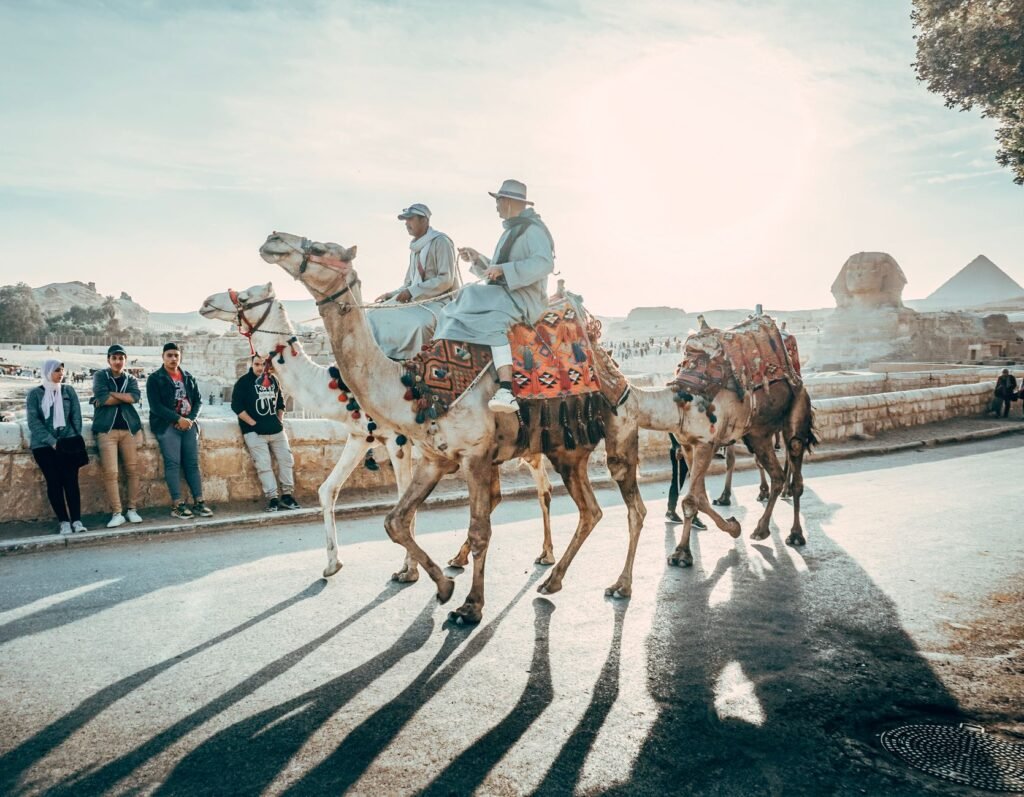
For a truly unforgettable experience, consider taking a camel ride in the desert surrounding the pyramids. This is a fun way to see the landscape and offers a unique perspective of the pyramids from afar.
Many tour operators in Giza offer camel rides ranging from short jaunts to longer treks that can last a few hours. Ensure you choose a reputable operator that prioritizes the welfare of the animals.
- Duration: Rides can vary from 30 minutes to several hours, depending on your preference.
- Cost: Prices can vary widely, so it’s best to negotiate beforehand.
- Safety Tips: Always wear comfortable clothing and follow your guide’s instructions.
Taking a camel ride not only provides incredible views but also creates lasting memories of your adventure in Giza.
6. The Giza Plateau Sound and Light Show
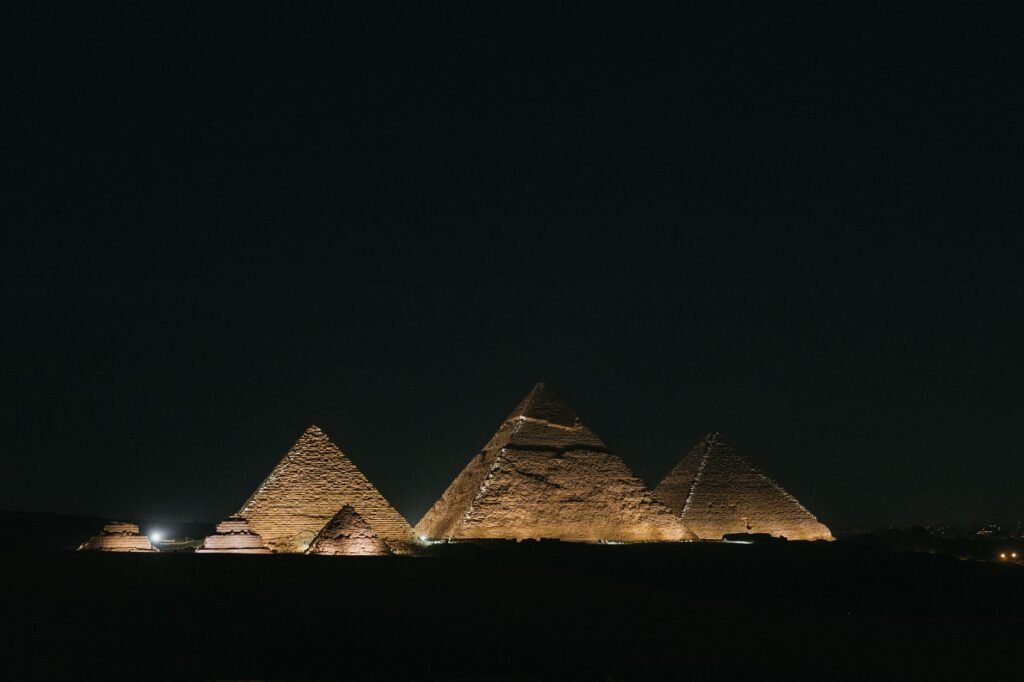
The Giza Plateau Sound and Light Show is an enchanting experience that brings the history of the pyramids and the Sphinx to life. Held in the evenings, the show combines storytelling, music, and spectacular lighting effects to narrate Egypt’s ancient history.
Attending the show offers a magical atmosphere as the pyramids are illuminated against the night sky. It is a fantastic way to conclude a day of exploration.
- Show Times: Typically held from 6 PM, but check local listings for exact times.
- Ticket Prices: Expect to pay a modest fee for tickets.
- Seating Options: Choose from different seating options, including premium seats for a better view.
For families, this show can be a delightful way to engage children with Egypt’s rich history in a captivating format.
Exploring the Sphinx: History and Mystique
Understanding the Great Sphinx of Giza
The Great Sphinx of Giza, a monumental limestone statue with a lion’s body and a human head, is one of the most iconic symbols of ancient Egypt. Standing tall at 20 meters high and 73 meters long, it is believed to represent Pharaoh Khafre. The Sphinx has long captivated historians and archaeologists with its enigmatic expression and the mysteries surrounding its construction. Unlike the pyramids, which are well-documented, the Sphinx’s origins remain shrouded in speculation, leading to numerous theories about its purpose and symbolism.
Visitors are often intrigued by the Sphinx’s unique features, such as its missing nose and the theories behind its erosion. Some researchers attribute these damages to natural weathering, while others suggest human intervention. Regardless of the theories surrounding it, the Sphinx remains a site of immense historical significance and a must-see for anyone visiting Giza.
Visiting Tips for the Sphinx
When planning your visit to the Sphinx, it is essential to make the most of your experience. Here are some tips to enhance your visit:
- Timing: The best time to visit is early morning or late afternoon when the sun casts beautiful shadows on the statue.
- Photography: Bring a quality camera to capture the stunning views, but remember that certain angles may be restricted.
- Guided Tours: Consider joining a guided tour to gain deeper insights into the Sphinx’s history and significance.
Additionally, take your time to explore the surrounding area of the Giza Plateau, as there are many vantage points perfect for seeing the Sphinx and the pyramids together.
Adventure Activities Beyond the Pyramids
Quad Biking in the Desert
For those seeking an adrenaline rush, quad biking in the desert surrounding Giza is an exhilarating experience. Riding through the vast sandy landscapes offers a unique perspective of the pyramids and the Sphinx while providing a thrilling adventure. Quad biking tours typically last from one to three hours, catering to both beginners and experienced riders. Tour operators provide safety gear and instructions to ensure a safe ride.
As you navigate through the dunes, you will encounter stunning views of the pyramids and the desert’s natural beauty. Many tours also include stops for breathtaking photo opportunities and moments to appreciate the serene desert environment.
Hot Air Ballooning Over Giza
For a truly unforgettable experience, consider a hot air balloon ride over Giza. This activity allows you to soar above the ancient wonders, providing a bird’s-eye view of the pyramids, the Sphinx, and the surrounding landscapes. Flights typically take place at dawn, allowing you to witness the sunrise over the horizon, illuminating the monuments in a golden light.
During your flight, you can enjoy a sense of tranquility as the balloon gently drifts through the sky. Most tours include a celebratory drink upon landing, making it a perfect way to wrap up the adventure.
Horseback Riding Adventures
If you prefer a more traditional way to explore the desert, horseback riding is an excellent option. Various stables around Giza offer horseback riding tours that lead you through the desert and provide unique views of the pyramids. Riders of all skill levels can participate, and guides are available to assist and ensure a safe and enjoyable experience.
These tours often include opportunities to explore lesser-known areas of the desert, where you can appreciate the natural beauty and historical significance of the landscape. A ride through the desert at sunset is particularly magical, as the fading light casts beautiful hues across the sand.
Cultural Insights: The People of Giza
Meeting Local Artisans
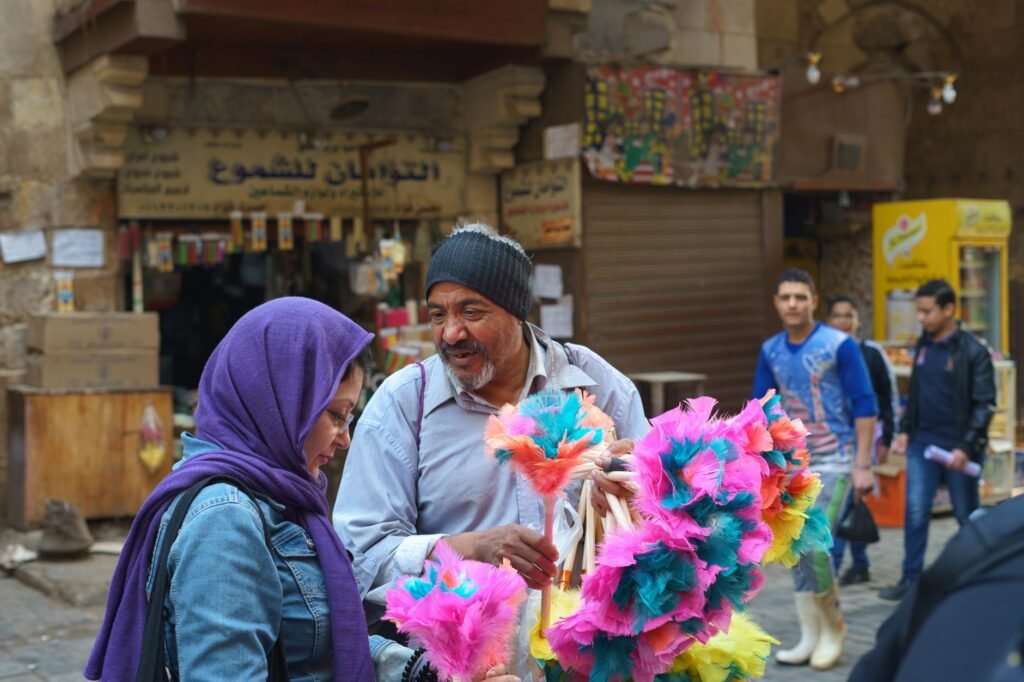
Giza is home to many talented artisans who create traditional crafts, from handmade papyrus scrolls to intricate jewelry and pottery. Engaging with these local artisans provides a unique glimpse into Egyptian culture and craftsmanship. Many artisans welcome visitors to their workshops, where you can observe the creation process and even try your hand at some of the crafts.
One popular activity is visiting workshops that specialize in papyrus-making. You can learn about the ancient techniques used by Egyptians to create this iconic writing material. Additionally, many artisans sell their goods directly, allowing you to purchase authentic souvenirs while supporting local businesses.
Cultural Festivals and Events
Giza hosts a variety of cultural festivals and events throughout the year that showcase its rich heritage. Participating in these events can provide deeper insights into Egyptian traditions and customs. One notable event is the Ramadan festivities, where you can experience local food, music, and celebrations that take place during this holy month.
Additionally, check local listings for art exhibitions and music festivals that may be occurring during your visit. These events often feature local artists and musicians, offering a vibrant atmosphere filled with cultural expressions.
Understanding Local Customs and Etiquette
To ensure a respectful and enjoyable visit, it’s essential to familiarize yourself with local customs and etiquette. Egyptians are known for their hospitality, and a friendly greeting can go a long way. Learning a few basic Arabic phrases, such as ‘salaam’ (hello) and ‘shukran’ (thank you), can help you connect with locals.
When visiting religious sites, dressing modestly is crucial. Women should wear long skirts or trousers and cover their shoulders, while men should avoid shorts. Additionally, always ask for permission before photographing people, as some may prefer not to be photographed.
By respecting local customs, you can enrich your travel experience and foster positive interactions with the people of Giza.
Frequently Asked Questions
What is the best time to visit Giza?
The best time to visit Giza is during the cooler months from October to April, as temperatures can be extremely high in the summer.
Are there any safety concerns in Giza?
While Giza is generally safe for tourists, it’s wise to stay aware of your surroundings and avoid isolated areas, especially at night.
Can I enter the pyramids?
Yes, visitors can enter some of the pyramids for an additional fee, but spaces can be narrow and may not be suitable for everyone.
How do I get around Giza?
Getting around Giza can be done via taxis, local buses, or guided tours. It’s recommended to use reputable taxi services or arrange transportation through your hotel.
The Bottom Line
Giza, with its ancient monuments and rich cultural experiences, offers a unique glimpse into Egypt’s storied past. From exploring the Great Pyramids and the Sphinx to indulging in local cuisine and experiencing vibrant markets, there is no shortage of activities. By planning your visit thoughtfully, you can ensure a memorable journey through one of the world’s most fascinating destinations.
Visa rules, prices and opening times change. Always confirm details with official sources before you travel.