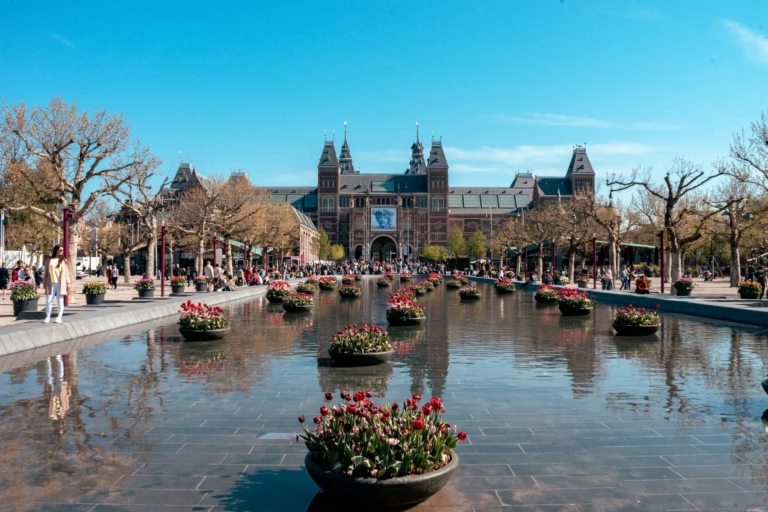
Prince Harry Launches Travalyst Amsterdam: Sustainable Travel Insights
Explore how Prince Harry launches Travalyst in Amsterdam, focusing on sustainable travel initiatives for a better future.
In September 2023, Prince Harry made headlines once again as he launched the Travalyst initiative in Amsterdam. This initiative aims to transform the travel industry into a more sustainable sector, encouraging travelers to make conscious decisions that benefit not only themselves but also the environment and local communities.
During the launch event, held at a prominent venue in Amsterdam, Prince Harry emphasized the vital role that travel plays in connecting people and cultures. However, he also pointed out the negative impact of mass tourism on the environment. The Travalyst initiative seeks to address these challenges by collaborating with major travel companies, local governments, and communities to foster sustainability.
Prince Harry’s passion for conservation and sustainability is well-documented, and with Travalyst, he aims to leverage his platform to inspire change within the travel industry. The initiative encourages travelers to consider the environmental and social implications of their travel choices, promoting practices that minimize carbon footprints and support local economies.
The Vision Behind Travalyst
The vision for Travalyst is rooted in the belief that the travel industry can be a force for good. By collaborating with various stakeholders, including tourism boards, travel companies, and environmental organizations, Travalyst aims to create a framework that fosters sustainable travel practices. This collaborative approach ensures that the initiative addresses the diverse challenges faced by the travel sector.
One of the core principles of Travalyst is transparency. The initiative encourages companies to be open about their sustainability efforts and the impact they have on local communities and ecosystems. By doing so, travelers can make informed choices and select options that align with their values. This transparency also serves to hold companies accountable for their practices.
Additionally, Travalyst emphasizes innovation in technology and practices that can lead to more sustainable travel options. This includes exploring advancements in renewable energy, sustainable accommodation, and low-impact transportation methods. By promoting these innovations, Travalyst aims to inspire both travelers and industry players to rethink their approaches to travel.

Key Features of Travalyst
1. Sustainable Travel Partnerships
Travalyst has formed partnerships with several leading companies in the travel industry, including airlines, hotels, and online travel agencies. These partnerships are designed to promote sustainable practices across various sectors. For instance, airlines involved with Travalyst are encouraged to invest in carbon offset programs and explore alternative fuels.
Hotels participating in the initiative are working to implement energy-efficient practices, reduce waste, and support local communities through various programs. By collaborating with these companies, Travalyst aims to create a network of sustainable options for travelers.
2. Consumer Engagement and Education
A significant aspect of Travalyst is its focus on consumer engagement. The initiative seeks to educate travelers about sustainable choices and the impact of their decisions. This is achieved through various campaigns, workshops, and online resources that provide information on how to travel responsibly.
For example, travelers can learn about the importance of choosing eco-friendly accommodations, supporting local businesses, and minimizing waste while traveling. By empowering travelers with knowledge, Travalyst hopes to inspire them to make more sustainable choices.
3. Advocacy for Policy Changes
Beyond consumer education, Travalyst also advocates for policy changes within the travel industry. This includes working with governments to promote regulations that support sustainability and protect local environments. By influencing policy, Travalyst aims to create a more favorable landscape for sustainable travel practices.
For instance, pushing for incentives for companies that adopt sustainable practices can lead to broader industry changes. Travalyst’s advocacy efforts aim to ensure that sustainability becomes a priority for all stakeholders involved in the travel sector.
How Travelers Can Get Involved
Travelers looking to support the Travalyst initiative can take several practical steps to make their trips more sustainable. Here are a few suggestions:
- Choose Eco-Friendly Accommodations: Look for hotels and lodgings that have sustainability certifications or initiatives in place.
- Support Local Economies: Opt for local guides, restaurants, and shops to ensure that your travel dollars benefit the community.
- Travel Off-Peak: Visiting popular destinations during off-peak times can help reduce overcrowding and minimize environmental impact.
- Reduce Waste: Bring reusable items, like water bottles and shopping bags, to minimize plastic waste while traveling.
- Offset Carbon Footprint: Consider purchasing carbon offsets for your travels to support environmental projects that counterbalance your emissions.

The Role of Technology in Sustainable Travel
Technology plays a crucial role in advancing sustainable travel practices. From apps that help travelers identify eco-friendly options to platforms that allow for carbon offsetting, technology can enhance the travel experience while promoting sustainability.
For example, many travel companies are now using data analytics to assess the environmental impact of their services. This information can help companies make informed decisions that reduce their carbon footprints. Additionally, tech innovations in transportation, such as electric vehicles and high-speed rail, are providing travelers with more sustainable options.
Moreover, travelers can leverage technology for planning their trips. Numerous platforms and mobile applications provide insights into sustainable travel practices, helping users make responsible choices. These technological advancements are integral to the success of initiatives like Travalyst.

Real-Life Example: A Sustainable Travel Journey
Consider the journey of a traveler named Anna, who decided to embrace sustainable travel after learning about the Travalyst initiative. On her trip to Amsterdam, she chose a hotel that was committed to sustainability, utilizing renewable energy and minimizing waste through recycling programs.
During her visit, Anna opted for guided biking tours instead of traditional bus tours, allowing her to explore the city while reducing her carbon footprint. She also made a point to eat at local restaurants that sourced their ingredients from nearby farms, supporting the local economy.
Anna’s experience highlights how travelers can make conscious choices that align with the goals of Travalyst. By prioritizing sustainability in her travel plans, she not only enjoyed her trip but also contributed to the preservation of the environment and local culture.
Understanding the Impact of Travel on Local Communities
The Economic Effect of Tourism
Tourism can have a significant economic impact on local communities. While it can provide jobs and stimulate growth, it can also lead to inflation and an increase in the cost of living for locals. It is essential to recognize how sustainable travel initiatives, like Travalyst, aim to balance the economic benefits with the community’s well-being.
When travelers choose sustainable options, they often support local businesses rather than large chains. This includes dining at family-owned restaurants, staying in locally operated accommodations, and engaging with local artisans. By doing so, tourists can help circulate money within the community, leading to longer-term economic stability.
- Promotes local employment opportunities.
- Encourages reinvestment in community infrastructure.
- Supports local artisans and producers.
Social and Cultural Implications
Sustainable travel also has profound social and cultural implications, as it encourages interactions between tourists and locals. This promotes cultural exchange, which can enhance mutual understanding and respect. However, it is crucial to approach cultural experiences with sensitivity and awareness to avoid cultural appropriation.
Travelers can engage in cultural experiences by participating in local festivals, workshops, or traditional events. Such interactions help foster relationships that extend beyond the tourist season, encouraging ongoing dialogue and exchange. It is essential for travelers to educate themselves about local customs and traditions to engage respectfully.
- Learn basic phrases in the local language.
- Participate in community-led tours.
- Attend local festivals and events.
Environmental Sustainability and Community Engagement
Environmental sustainability is a critical aspect of preserving the natural beauty of tourist destinations. Sustainable travel practices help protect ecosystems while engaging local communities in conservation efforts. Initiatives like Travalyst encourage collaboration between travelers and locals to create a shared responsibility for the environment.
Travelers can contribute to environmental sustainability by participating in conservation projects, such as beach cleanups or wildlife protection efforts. Many organizations offer volunteer opportunities for tourists looking to make a positive impact during their travels. This engagement fosters a sense of responsibility and connection to the places visited.
- Join local conservation initiatives.
- Support eco-friendly businesses.
- Choose destinations with strong environmental policies.
Innovative Partnerships for Sustainable Travel
Collaboration Between Businesses and NGOs
One of the keys to sustainable travel is the collaboration between businesses and non-governmental organizations (NGOs). These partnerships can create innovative solutions that benefit both the environment and local communities. For example, travel companies can work with NGOs to promote responsible tourism practices and develop sustainable travel packages.
Partnerships can also help raise awareness about environmental issues and promote conservation efforts. By pooling resources and expertise, businesses and NGOs can create impactful campaigns that encourage travelers to make more sustainable choices. Such collaborations can lead to the development of educational programs that inform tourists about local ecosystems and conservation efforts.
- Joint campaigns highlighting sustainable travel options.
- Training programs for local guides on sustainability.
- Community workshops focused on conservation education.
Public-Private Partnerships
Public-private partnerships (PPPs) play a vital role in promoting sustainable tourism. By working together, government agencies and private companies can create policies that support sustainable development while maintaining economic growth. Initiatives can include improved infrastructure, better waste management systems, and enhanced public transportation options.
Governments can provide incentives for businesses that adopt sustainable practices, such as tax breaks or grants for green technology investments. By fostering an environment that encourages sustainability, these partnerships can help ensure that tourist destinations remain viable for future generations.
- Investment in renewable energy sources.
- Development of sustainable transportation networks.
- Creation of regulations to limit over-tourism.
Cross-Industry Collaborations
Cross-industry collaborations are essential for addressing the multifaceted challenges of sustainable travel. For instance, partnerships between the travel and technology sectors can lead to innovative solutions that enhance travel experiences while minimizing environmental impact. Technology can facilitate better resource management, such as optimizing energy consumption in hotels or reducing waste in tourism operations.
Moreover, collaborations between the travel industry and local agriculture can promote farm-to-table dining experiences, which not only supports local farmers but also reduces the carbon footprint associated with food transportation. By leveraging the strengths of various industries, sustainable travel can become more accessible and effective.
- Utilization of smart technology for resource management.
- Support for local agricultural initiatives through culinary tourism.
- Integration of sustainable practices across various sectors.
Education and Awareness in Sustainable Travel
The Role of Education in Promoting Sustainable Practices
Education is a powerful tool in promoting sustainable travel practices. By informing travelers about the environmental and social impacts of their choices, organizations like Travalyst can empower tourists to make informed decisions. Educational initiatives can take many forms, including workshops, seminars, and online resources that highlight best practices for sustainable travel.
Travelers who are educated about sustainability are more likely to seek out eco-friendly options and engage in responsible behaviors while traveling. This includes understanding the importance of conserving water, reducing waste, and respecting local cultures and environments. Education can also inspire travelers to become advocates for sustainability in their home communities.
- Participate in travel workshops focused on sustainability.
- Access online courses about responsible tourism.
- Engage with local communities to learn about their practices.
Awareness Campaigns Targeted at Tourists
A key component of fostering sustainable travel is raising awareness among tourists. Campaigns that highlight the importance of sustainable practices can motivate travelers to make better choices during their trips. These campaigns can be implemented through various channels, including social media, travel blogs, and travel agencies.
Awareness campaigns can also promote specific sustainable travel practices, such as minimizing plastic usage, supporting local businesses, and choosing low-impact transportation options. By creating a strong message and utilizing compelling visuals, these campaigns can resonate with travelers and encourage them to adopt more sustainable habits.
- Leverage social media to share sustainable travel tips.
- Create engaging content that showcases sustainable destinations.
- Collaborate with influencers to spread awareness.
Engaging Future Generations in Sustainable Travel
Engaging youth in sustainable travel initiatives is vital for creating a future generation that prioritizes environmental and social responsibility. Educational programs in schools can introduce students to the concept of sustainable travel and its importance. By incorporating sustainability into curricula, schools can inspire students to adopt eco-friendly practices in their own lives.
Additionally, youth-led initiatives can empower young travelers to advocate for sustainable practices within their communities. Programs that encourage students to participate in travel experiences focused on sustainability can foster a sense of responsibility and connection to the environment.
- Encourage schools to include sustainability in travel programs.
- Support youth-led conservation and travel initiatives.
- Provide scholarships for students interested in sustainable travel experiences.
Frequently Asked Questions
What is Travalyst?
Travalyst is a global initiative launched by Prince Harry that aims to promote sustainable travel practices in the tourism industry. It focuses on collaboration among stakeholders to create a more responsible travel sector.
How can I support sustainable travel?
You can support sustainable travel by choosing eco-friendly accommodations, reducing waste, supporting local economies, and offsetting your carbon footprint.
What are some sustainable travel options?
Sustainable travel options include using public transportation, biking, walking, and selecting accommodations that prioritize sustainability practices.
How does Travalyst impact the travel industry?
Travalyst impacts the travel industry by encouraging companies to adopt sustainable practices, advocating for policy changes, and educating consumers on responsible travel choices.
The Bottom Line
Prince Harry’s launch of Travalyst in Amsterdam marks a significant step towards promoting sustainable travel practices. By collaborating with various stakeholders and empowering travelers to make informed choices, the initiative aims to create a more responsible and sustainable travel industry. Whether you are planning your next trip or simply exploring options, consider how your travel decisions can contribute to a better future for our planet.
Visa rules, prices and opening times change. Always confirm details with official sources before you travel.