Things to Know Before Traveling to Denver: Essential Insights
Discover essential things to know before traveling to Denver for a memorable experience in the Mile High City.
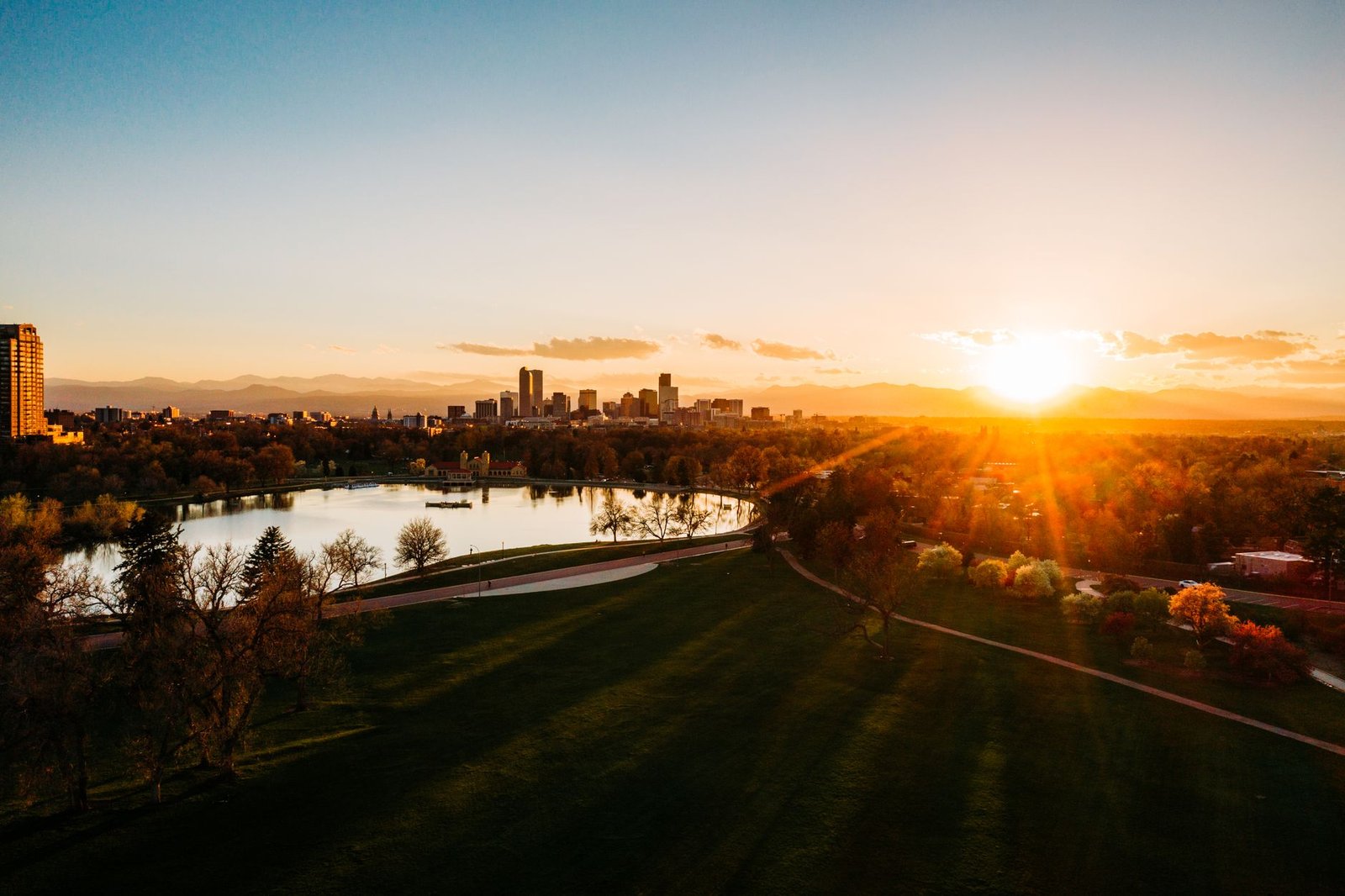
Denver, the capital of Colorado, is a vibrant city nestled at the foot of the Rocky Mountains. Known as the Mile High City due to its elevation of exactly one mile above sea level, Denver offers a unique blend of outdoor adventures, cultural experiences, and culinary delights. Before embarking on your journey to this dynamic city, it’s important to familiarize yourself with several key aspects that can enhance your visit and ensure a memorable experience.
This guide covers essential things to know before traveling to Denver, so you can plan effectively and enjoy your time in this stunning location. From understanding the effects of altitude on your body to exploring local transportation options, we’ve got you covered.
Whether you’re an outdoor enthusiast, a foodie, or a culture buff, Denver has something for everyone. Let’s delve into the critical information that will help you navigate your trip with ease.
Understanding Denver’s Altitude
One of the most significant things to know before traveling to Denver is its altitude. At 5,280 feet, visitors may experience altitude sickness, particularly if they are not acclimatized. Symptoms can include headaches, dizziness, and fatigue, especially if you engage in strenuous activities shortly after arriving.
To mitigate the effects of altitude, consider these practical tips:
- Stay Hydrated: Drink plenty of water before and during your stay. Hydration can help your body adjust to the thinner air.
- Take It Easy: Avoid intense physical activities for the first couple of days. Gradually increase your activity level to allow your body to acclimatize.
- Eat Light: Consuming heavy meals may exacerbate altitude sickness. Opt for lighter, nutritious meals to help your body adjust.
Remember that everyone’s tolerance to altitude varies, so it’s wise to listen to your body and adjust your plans accordingly. For instance, if you feel dizzy during a hike, it might be best to take a break and hydrate before continuing.
Transportation Options
Denver boasts a variety of transportation options that make it easy to navigate the city and its surroundings. Understanding these options can save you time and enhance your overall experience.
Public Transportation
The Regional Transportation District (RTD) operates a comprehensive public transit system that includes buses and light rail services. The light rail connects various neighborhoods and key attractions, making it an efficient way to get around:
- Light Rail: Ideal for reaching downtown, the airport, and surrounding suburbs. It’s affordable and convenient.
- Buses: RTD buses service the entire metro area and can take you to many popular destinations.
- Airport Rail: The A Line offers direct access from Denver International Airport (DEN) to downtown, making it a hassle-free option for travelers.
Rideshare and Taxis
Rideshare services like Uber and Lyft are widely available in Denver and can be a convenient choice for getting around. Traditional taxis are also available, though they may be less common than rideshare options.
Biking and Walking
Denver is a bike-friendly city with numerous bike lanes and rental options, including bike-sharing programs. Walking is also a pleasant way to explore neighborhoods like LoDo (Lower Downtown) and RiNo (River North Art District). Many attractions are within walking distance, making it easy to enjoy the city’s ambiance.
Weather and Best Time to Visit
Denver experiences four distinct seasons, each offering a unique experience. Understanding the weather patterns can help you plan your visit accordingly.
Winter (December to February)
Winter in Denver is cold, with temperatures often dropping below freezing. Snow is common, especially in the mountains, making it a popular time for skiing and snowboarding enthusiasts. If you plan to engage in winter sports, be sure to dress in layers and prepare for cold conditions.
Spring (March to May)
Spring brings milder temperatures and blooming flowers, making it a beautiful time to visit. However, be aware that Colorado weather can be unpredictable, with potential snowfalls even in late March. It’s advisable to dress in layers and check the forecast before your trip.
Summer (June to August)
Summer is warm and sunny, perfect for outdoor activities such as hiking and biking. However, temperatures can vary greatly between day and night, so packing layers is essential. This is also peak tourist season, so expect larger crowds at popular attractions.
Fall (September to November)
Fall is a fantastic time to visit, as you’ll witness stunning foliage and pleasant temperatures. The crowds tend to thin out, making it an ideal time for exploring without the hustle and bustle of summer tourists.

Local Cuisine and Dining Etiquette
Denver’s food scene reflects its diverse culture and local agriculture. Exploring the local cuisine is a must for any traveler. Here are some culinary highlights you shouldn’t miss:
Signature Dishes
- Green Chili: A staple in Denver, this spicy sauce made from green chiles is often served with burritos or as a topping for various dishes.
- Rocky Mountain Oysters: A unique culinary experience, these are actually bull testicles, typically deep-fried and served as an appetizer.
- Craft Beer: Denver is known for its craft breweries. Sampling local beers is a significant part of the culinary scene.
Dining Etiquette
When dining in Denver, understanding local dining etiquette can enhance your experience:
- Reservations: For popular restaurants, especially in the bustling downtown area, making reservations is advisable.
- Tip Generously: Tipping around 15-20% is customary in the United States, including Denver.
- Try Local Brews: Don’t hesitate to ask your server for recommendations on local beers to pair with your meal.
Outdoor Activities and Parks
Denver is often celebrated for its outdoor lifestyle, with numerous parks and recreational areas. Engaging in outdoor activities is one of the best ways to appreciate the natural beauty of the region.
City Parks
- City Park: This expansive park features stunning views of the Rocky Mountains, a lake for paddle boating, and the Denver Zoo.
- Washington Park: A favorite among locals, this park offers trails, gardens, and a tranquil setting for picnics and relaxation.
- Red Rocks Park: Located just outside of Denver, Red Rocks is famous for its stunning rock formations and concert venue. Hiking trails here offer breathtaking views.
Adventure Sports
For those seeking adventure, Denver serves as a gateway to numerous outdoor activities:
- Skiing and Snowboarding: Popular resorts like Breckenridge and Vail are just a short drive away, making winter sports easily accessible.
- Hiking: With countless trails in and around the city, hiking enthusiasts can choose from easy walks to challenging mountain hikes.
- Cycling: Denver’s extensive bike trails make it easy to explore the city and its scenic surroundings on two wheels.

Safety Considerations
While Denver is generally considered safe for travelers, being aware of safety tips can enhance your experience and keep you secure.
General Safety Tips
- Stay Aware: Like any city, it’s essential to remain vigilant about your surroundings, especially in crowded areas.
- Secure Your Belongings: Keep your belongings close and avoid leaving valuables in plain sight in your car.
- Emergency Numbers: Familiarize yourself with local emergency numbers. In the U.S., dial 911 for emergencies.
Health Considerations
When traveling, it’s wise to consider health precautions:
- Altitude Sickness: As discussed earlier, give yourself time to acclimatize to the elevation.
- COVID-19 Guidelines: Stay informed about local health guidelines and requirements regarding masks and vaccinations.
- Local Hospitals: Know the locations of nearby hospitals or clinics in case of emergencies.
Health and Wellness in Denver
Altitude Sickness and Prevention
Travelers to Denver should be aware of altitude sickness, which can occur at elevations above 8,000 feet. Symptoms may include headache, nausea, and fatigue. To mitigate these effects, it is essential to stay well-hydrated and avoid strenuous activities during the first day of your arrival. Here are some tips to help prevent altitude sickness:
- Drink plenty of water before and during your trip.
- Limit alcohol and caffeine intake, as they can contribute to dehydration.
- Gradually acclimate by spending the first day at lower elevations.
- Consider over-the-counter medications like ibuprofen to alleviate symptoms.
Local Health Facilities
In case of health concerns during your visit, it’s important to know where to find medical assistance. Denver boasts a variety of hospitals and clinics equipped to handle both emergencies and routine care. Major hospitals include:
- UCHealth University of Colorado Hospital
- Denver Health Medical Center
- Saint Joseph Hospital
Additionally, many local pharmacies offer basic healthcare services, including immunizations and health consultations. Travelers should also consider purchasing travel insurance that covers medical emergencies.
Fitness and Wellness Opportunities
Denver is a city that promotes a healthy lifestyle, with numerous options for fitness and wellness. Many locals enjoy outdoor activities such as hiking, biking, and yoga in the parks. Visitors can also take advantage of:
- Community fitness classes available in parks and recreation centers.
- Local gyms and fitness studios that offer short-term memberships.
- Spa services that incorporate Colorado’s natural resources, such as hot springs and therapeutic treatments.
Exploring these options can enhance your travel experience while promoting your well-being.
Local Arts and Culture Scene
Art Museums and Galleries
Denver is home to a rich arts community, featuring a diverse array of museums and galleries that showcase local and international artists. The Denver Art Museum, for example, offers an extensive collection of Native American art and contemporary pieces. Other notable venues include:
- The Museum of Contemporary Art Denver, which focuses on innovative works and emerging artists.
- The Clyfford Still Museum, dedicated to the abstract expressionist painter.
- Numerous small galleries in the Santa Fe Arts District that display local talent.
Many galleries host monthly art walks where visitors can meet artists and enjoy live music.
Theater and Performance Arts
Denver has a vibrant theater scene, featuring performances that range from Broadway shows to local productions. The Denver Center for the Performing Arts is the largest theater complex in the western U.S., hosting a variety of performances throughout the year. Visitors can also explore:
- Smaller theaters such as the Curious Theatre Company and the Arvada Center for the Arts.
- Live music venues like the Bluebird Theater and the Fillmore Auditorium.
- Annual festivals that celebrate arts and culture, such as the Denver Arts Festival and the Denver Film Festival.
Historic Neighborhoods and Cultural Events
Exploring Denver’s historic neighborhoods offers a glimpse into the city’s cultural heritage. Areas such as LoDo (Lower Downtown) feature well-preserved Victorian buildings and vibrant nightlife, while neighborhoods like Five Points are known for their rich African American history. Key cultural events to consider attending include:
- The Denver PrideFest, one of the largest pride celebrations in the country.
- The Great American Beer Festival, celebrating Denver’s craft beer scene.
- The National Western Stock Show, showcasing the city’s agricultural roots.
These events provide an opportunity to engage with the community and experience Denver’s diverse culture.

Shopping and Local Markets
Unique Shopping Districts
Denver features several shopping districts known for their unique offerings, from boutiques to artisanal goods. The Cherry Creek Shopping District is a premier destination for high-end fashion, while the Highlands neighborhood offers a mix of local shops and street art. Notable shopping areas include:
- Larimer Square, featuring historic architecture and upscale shops.
- South Broadway (SoBo), known for vintage shops and independent retailers.
- Union Station, which combines dining, shopping, and history in one location.
Farmers Markets
For a taste of local produce and handmade goods, Denver’s farmers markets are a must-visit. Many neighborhoods host weekly markets during the warmer months, offering fresh fruits, vegetables, and artisanal products. Key markets to check out include:
- The Cherry Creek Farmers Market, known for its wide selection of organic produce.
- The South Pearl Street Farmers Market, which features local crafts and live music.
- The Highlands Farmers Market, offering a variety of local vendors.
Shopping Tips
When shopping in Denver, it’s essential to know that many local shops emphasize sustainability. Be prepared to encounter eco-friendly products and local craftsmanship. Additionally, look out for sales or events that promote local artisans throughout the year. Also, consider supporting small businesses as they often provide a unique shopping experience compared to larger retailers.
Frequently Asked Questions
What is the best time to visit Denver?
The best time to visit Denver is during the spring (March to May) and fall (September to November) for pleasant weather and fewer crowds.
Is Denver safe for tourists?
Yes, Denver is generally safe for tourists. However, like any urban area, it’s important to stay aware of your surroundings and take common-sense precautions.
What should I pack for a trip to Denver?
Pack layers, including warm clothing for cooler evenings, comfortable walking shoes, and outdoor gear if you plan on hiking or skiing.
Are there any entry requirements for visiting Denver?
Entry requirements may vary based on your nationality and current health guidelines. Check the latest travel advisories before your trip.
The Bottom Line
Traveling to Denver offers a wealth of experiences, from stunning natural landscapes to a vibrant cultural scene. By understanding the altitude, transportation options, local cuisine, and safety considerations, you can navigate your trip more effectively. With careful planning, your journey to the Mile High City is sure to be an unforgettable adventure.
Visa rules, prices and opening times change. Always confirm details with official sources before you travel.