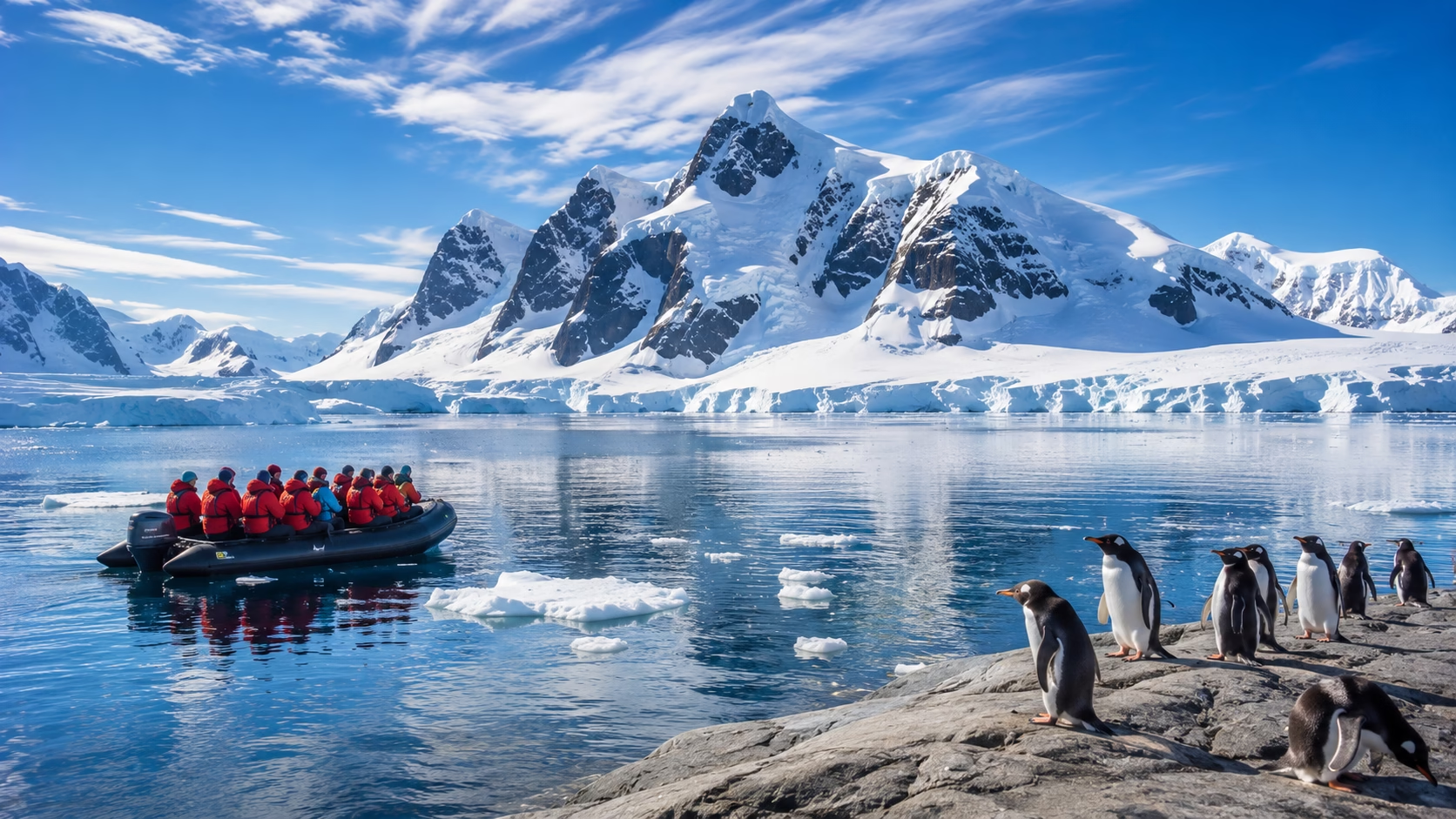
Imagine standing on the deck of an expedition ship, surrounded by otherworldly silence. The only sounds are crackling ice and the distant calls of penguins echoing across an expanse of white and blue. December in Antarctica is a season of awakening and light, when summer begins to reveal the hidden energy of this frozen world. It is the most active, accessible, and arguably the most magical time to visit the seventh continent.
- Nearly 24 hours of daylight in December enables extended excursions, long photography sessions, and extraordinary soft golden light over ice and glaciers.
- Peak wildlife activity with nesting penguins, seal pups, and feeding whales makes December the best month for close but respectful animal encounters.
- Careful planning matters: choose IAATO registered expeditions, suitable routes or fly and cruise options, pack layered waterproof clothing and follow strict environmental rules.
In this comprehensive guide, you will learn exactly what to expect when traveling to Antarctica in December. From weather patterns and wildlife encounters to practical travel logistics and what to pack, this article will help you plan your adventure with confidence. Whether you are joining an expedition cruise, exploring historic research stations, or seeking the legendary icy serenity of the polar landscape, December offers a remarkable gateway to one of the last untouched corners of our planet.
Why December is the Prime Month for Visiting Antarctica
December marks the peak of Antarctic summer, a window filled with constant daylight and teeming animal life. Unlike other destinations where summer crowds can overwhelm, Antarctica’s remoteness ensures a feeling of solitude even when the season is in full swing.
Endless Daylight
December brings nearly twenty four hours of daylight to most parts of Antarctica. This phenomenon allows expedition teams to schedule extended excursions, endless photography sessions, and unhurried wildlife observation. The light is soft and golden during the long polar evenings, creating extraordinary photo opportunities over icebergs and glaciers.
Calmer Weather Conditions
The continent experiences its most stable and relatively mild weather in December. Temperatures along the Antarctic Peninsula, where most cruises operate, can hover around zero degrees Celsius. Winds are often gentler than they are in early spring or late summer, which can make zodiac landings and sea crossings more pleasant.
Perfect Timing for Wildlife
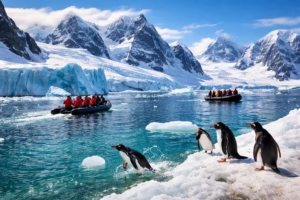
December coincides with the height of the breeding season for penguins, seals, and seabirds. Penguins are nesting and feeding their chicks, while seals can be spotted resting on ice floes with their newborn pups. Whales begin to migrate into Antarctic waters to feed on krill, offering spectacular marine sightings from both ship decks and smaller boats.
Planning Your Antarctic Expedition
Visiting Antarctica requires forethought and flexibility. There are no regular commercial flights or traditional hotels, and almost all visitors arrive as part of guided expeditions. Understanding your travel options will help you choose a journey that matches both your comfort level and your spirit of adventure.
Choosing the Right Route
Most travelers reach Antarctica via one of these main routes:
Related Posts:
- The Antarctic Peninsula Cruises – Departing from Ushuaia in Argentina, this is the most common route. It crosses the Drake Passage and reaches the northern tip of the continent within two days. This route offers the best wildlife encounters and scenic ice landscapes.
- The Fly and Cruise Option – For travelers short on time or wary of the Drake Passage’s rough seas, this option includes a flight from Punta Arenas in Chile to King George Island, followed by boarding the ship already in Antarctic waters.
- Weddell Sea or Ross Sea Expeditions – Longer and more specialized journeys that explore remote sections of the continent, often requiring significant experience and budget flexibility.
Selecting an Expedition Company
Since tourism in Antarctica is closely regulated, choosing a reputable company registered with the International Association of Antarctica Tour Operators (IAATO) ensures adherence to environmental and safety standards. Compare itineraries not only by price but by the number of landings, size of the vessel, staff expertise, and onboard amenities. Smaller ships (usually under 200 passengers) provide more flexible schedules and more time on shore.
Typical Duration
Most expeditions last between 10 to 14 days, including travel to and from South America. Some deeper voyages can extend beyond three weeks, particularly those visiting both the Falkland Islands and South Georgia in addition to the mainland.
What to Expect Day to Day
Every day in Antarctica brings a mix of exploration, education, and awe. A standard itinerary is structured but flexible, adapting to changing ice conditions and weather patterns.
Morning Excursions
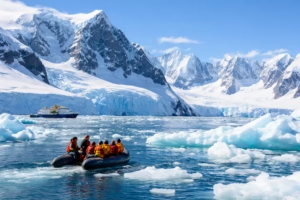
You might start each day with a zodiac landing at a penguin colony, where naturalists guide small groups across icy beaches. The air is filled with the sound of thousands of birds, and the contrast between their lively calls and the silence of the surrounding mountains is mesmerizing. Sometimes landings include visits to research bases, offering glimpses into the scientific work being done on the continent.
Afternoon Adventures
After returning to your vessel for lunch and warmth, most afternoons bring a second outing. This could mean exploring an iceberg graveyard in small boats, photographing seals lounging on drifting ice, or taking a guided hike across snow covered ridges.
Evening Programs
Ships hold lectures and briefings in the evening to prepare for the next day. Expert guides, photographers, and marine biologists share insights about glaciology, climate science, and the unique ecosystems of the polar world. Some nights are capped with calm hours watching the sun linger brightly above the horizon, refusing to sink below the ice.
Wildlife Highlights of December
December’s wildlife is extraordinary in both abundance and behavior. It is the month when life flourishes in an environment often defined by stillness.
- Penguins: Gentoo, Adelie, and Chinstrap penguins are at their busiest, tending to newly hatched chicks. Photographing these colonies requires keeping respectful distance, usually enforced by guides to avoid disturbing the birds.
- Seals: Weddell and Crabeater seals are often spotted sleeping on the ice, while leopard seals can be observed patrolling near penguin habitats. Their natural interactions are fascinating reminders of the circle of life in these remote ecosystems.
- Whales: Humpback and minke whales begin arriving in large numbers to feed. Breaching events and tail slaps can often be seen during ship transits or zodiac rides.
- Seabirds: Skua and petrel species are active nesters, visible in large groups that swirl gracefully over coastal cliffs.
Each wildlife sighting is carefully managed to minimize human impact, so travelers can take pride in knowing their visit supports responsible tourism practices.
Practical Packing Tips for December
Packing for Antarctica requires a strategic balance between warmth, mobility, and waterproofing. The environment demands preparation rather than bulk.
Essential Clothing Layers
- Base Layer: Lightweight thermal tops and leggings to manage moisture.
- Mid Layer: Fleece or merino wool to trap body heat.
- Outer Layer: A waterproof and windproof shell jacket and pants resistant to sea spray and snow.
- Footwear: Insulated, waterproof boots are mandatory. Many expeditions provide specialized boots for landings.
- Accessories: Warm gloves, beanie, neck gaiter, and UV protected sunglasses. The sunlight reflecting off the snow is intense and can cause snow blindness if not shielded.
Additional Items
- High factor sunscreen and lip balm
- Camera with waterproof protection or extra batteries (cold can drain power quickly)
- Reusable water bottle
- Medicine and personal essentials as there are no stores on the continent
Expedition ships usually provide parkas and equipment for excursions, but verifying details with your tour operator before departure helps you pack efficiently.
Environmental Responsibility and Visitor Conduct
Antarctica’s purity is its greatest treasure, and visitors play a critical role in preserving it. The continent operates under strict international guidelines established by the Antarctic Treaty and IAATO. Travelers are briefed on environmental conduct before each excursion.
Some essential principles include:
- Avoid touching or feeding wildlife.
- Keep a safe distance to avoid altering animal behavior.
- Do not collect rocks, shells, or any natural items.
- Clean personal gear before and after landings to prevent the spread of non native species.
- Dispose of waste exclusively on board vessels, never on land.
Travelers who visit with respect leave Antarctica exactly as they found it: pristine and timeless.
Conclusion: The Journey of a Lifetime
Traveling to Antarctica in December is more than an expedition; it is a lesson in humility and connection with nature at its purest. The light never fades, the wildlife is abundant, and every icy horizon sparks new wonder. It is not a destination one simply visits but a place one experiences on a deep emotional level.
For those who crave the extraordinary and wish to stand on the planet’s final frontier, December presents the ideal season. With careful planning, responsible travel choices, and a readiness for adventure, your Antarctic journey will remain one of the most vivid memories of your life.
Further Reading
Best Beaches in Southern Europe
Cheapest Countries to Visit in Africa
Travel to Somalia; How I Traveled to Mogadishu