The Best Time to Visit Westfjords: Seasonal Insights and Tips
Discover the best time to visit Westfjords with insights on seasons, activities, and travel tips for an unforgettable experience.
Westfjords, a remote and stunning region of Iceland, is a destination that captivates travelers with its dramatic landscapes, rich wildlife, and unique cultural experiences. To truly appreciate the beauty and activities offered in this part of Iceland, it is essential to consider the best time to visit Westfjords. Each season presents its own charm and opportunities for exploration, ranging from hiking and birdwatching in summer to the serene beauty of snowy landscapes in winter.
This article aims to guide you through the seasonal highlights of Westfjords, helping you plan your trip effectively. We will explore the climate, major activities, and the best months to visit, ensuring you get the most out of your journey to this breathtaking region.
Whether you are an adventure seeker, a photographer, or a nature lover, understanding the best time to visit Westfjords can enhance your experience, allowing you to partake in activities that resonate with your interests.
Climate Overview of Westfjords
The climate in Westfjords is influenced by its geographical location and the North Atlantic Ocean. It is characterized by cool summers and mild winters, with varying weather conditions that can change rapidly. Understanding the climate is crucial for selecting the right time for your visit.
Generally, the weather can be described as:
- Summer (June to August): Average temperatures range from 10°C to 15°C (50°F to 59°F). It is the warmest season with the most stable weather, making it ideal for outdoor activities.
- Autumn (September to November): Temperatures begin to drop, averaging between 5°C to 10°C (41°F to 50°F). Autumn is known for beautiful fall colors and fewer tourists.
- Winter (December to February): The coldest months, with temperatures often below freezing. Average temperatures range from -2°C to 3°C (28°F to 37°F), and snowfall is common.
- Spring (March to May): Temperatures begin to rise, ranging from 0°C to 10°C (32°F to 50°F). Spring is a transitional season where wildlife starts to reappear.

Summer: The Peak Season
Summer is undoubtedly the best time to visit Westfjords for those who enjoy outdoor activities and milder weather. This season attracts the highest number of tourists, thanks to the long daylight hours and pleasant temperatures. Here’s what to expect:
Activities Available
- Hiking: With numerous trails ranging from easy walks to challenging hikes, summer offers the best conditions for exploring the breathtaking landscapes.
- Birdwatching: The nesting season for various bird species, including puffins, peaks in summer, making it an excellent time for bird enthusiasts.
- Whale Watching: This is the prime season for whale watching tours, where you can expect to see various species, including humpback whales and orcas.
For example, many travelers embark on the Hornstrandir Nature Reserve hike during summer. This remote area is only accessible by boat and offers some of the most spectacular scenery in Iceland, including dramatic cliffs and diverse wildlife.
Travel Considerations
While summer is the peak season, it’s essential to book accommodations and transportation well in advance. The popularity of this season can lead to higher prices and limited availability. Consider the following:
- Book your flights and accommodations early to secure the best deals.
- Plan your activities ahead of time, especially for popular tours.
- Be prepared for occasional rain and wind, despite the generally favorable weather.

Autumn: A Time for Tranquility
Autumn is a wonderful time to visit Westfjords if you prefer a quieter experience. The crowds from summer start to dissipate, and the landscapes transform into a colorful tapestry of reds, oranges, and yellows.
Why Visit in Autumn?
- Fewer Tourists: With the peak season over, you can explore without the hustle and bustle, providing a more intimate experience with nature.
- Stunning Scenery: The fall foliage creates beautiful landscapes that are perfect for photography.
- Wildlife Spotting: Many animals prepare for winter, and you might spot them gathering food or migrating.
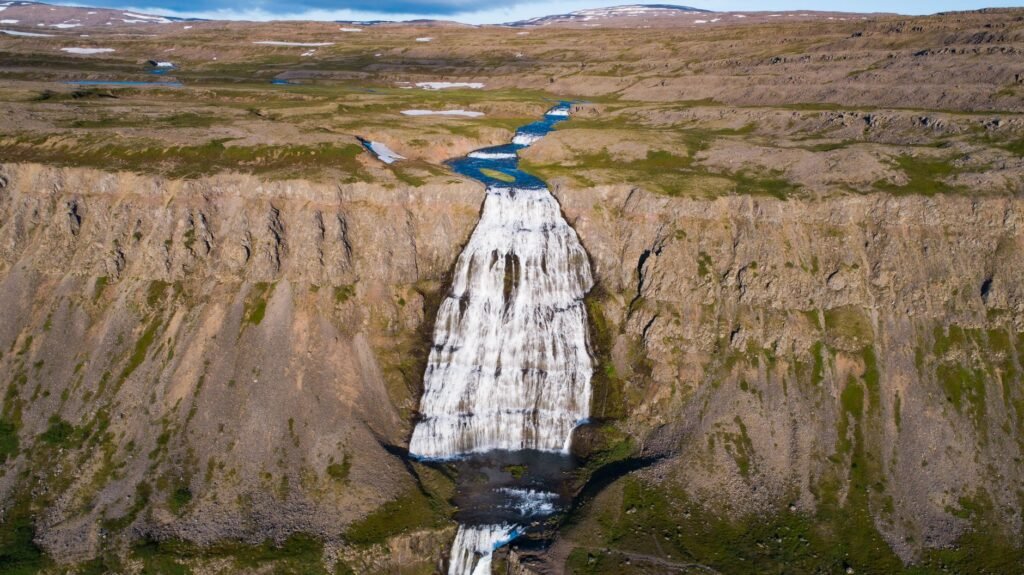
As an illustrative example, consider the stunning views at Dynjandi waterfall during autumn. The vibrant colors reflecting in the water create a picturesque setting, perfect for photographers and nature lovers alike.
Weather and Packing Tips
The weather in autumn can be unpredictable, with rain and wind possible. Here are some tips for packing:
- Layer your clothing to accommodate temperature changes throughout the day.
- Bring waterproof gear, including a jacket and shoes, to stay dry during rain.
- Don’t forget a camera to capture the stunning fall colors!

Winter: A Magical Experience
Winter in Westfjords is a unique experience, offering a completely different perspective of this stunning region. While it can be cold, the snow-covered landscapes and northern lights make it a magical time to visit.
Winter Activities
- Snowshoeing and Cross-Country Skiing: The snowy terrain is perfect for winter sports enthusiasts looking for adventure.
- Northern Lights: Winter is the prime season for witnessing the aurora borealis, a breathtaking natural phenomenon.
- Hot Springs: Enjoying a soak in a natural hot spring while surrounded by snow is a uniquely Icelandic experience.
Many visitors find joy in staying at cozy lodges where they can watch the northern lights dance across the sky, creating an unforgettable experience.
Travel Considerations in Winter
Traveling in winter comes with its own set of challenges. Here’s what to keep in mind:
- Road conditions can be treacherous; ensure your vehicle is equipped for winter driving.
- Check weather forecasts regularly, as conditions can change rapidly.
- Book accommodations that offer winter amenities, such as warm fires and hot tubs.
Spring: Renewed Life
Spring is a season of renewal, where the landscapes begin to come alive after the long winter. It’s a great time to visit if you’re looking for a blend of winter and summer activities.
What to Expect in Spring?
- Wildflowers Bloom: As the snow melts, vibrant wildflowers begin to bloom, adding color to the scenery.
- Wildlife Activity: Many animals emerge from hibernation, and migratory birds return, making it an excellent time for wildlife spotting.
- Fewer Crowds: Spring sees fewer tourists compared to summer, allowing for a more peaceful experience.
As an example, the sight of the first puffins returning to the cliffs to nest can be a delight for birdwatchers and nature enthusiasts alike.
Travel Tips for Spring
Spring weather can still be quite chilly, so be prepared:
- Dress in layers, as temperatures can vary significantly.
- Invest in good waterproof gear to stay dry during spring rains.
- Plan for mixed activities, from hiking to potentially still enjoying some snow sports.
Exploring Local Festivals and Events
Summer Festivals
During the summer months, the Westfjords come alive with a variety of local festivals that celebrate the culture and heritage of the region. One of the most notable events is the Bolungarvík Festival, which features local music, arts, and traditional food. Visitors can enjoy live performances by Icelandic musicians and participate in workshops that showcase local crafts.
Another popular summer event is the Ísafjörður Music Festival, where local and international artists gather to perform in various venues throughout the town. This festival not only highlights musical talent but also creates a vibrant atmosphere that encourages community interaction and cultural exchange.
- Bolungarvík Festival: Local music, arts, and traditional food.
- Ísafjörður Music Festival: A showcase of musical talent and community.
- Fishermen’s Day: A celebration of maritime culture with various activities.
Autumn Art and Craft Fairs
As the leaves change colors in autumn, the Westfjords host various art and craft fairs that spotlight the creativity of local artisans. One of the prominent events is the Westfjords Art Festival, where artists display their work, including paintings, sculptures, and handmade goods. This festival provides an excellent opportunity for visitors to purchase unique souvenirs while supporting local talent.
In addition to visual arts, many fairs feature local culinary delights, giving attendees a taste of traditional Icelandic cuisine. Workshops and demonstrations are often available, allowing visitors to engage directly with the artists and learn more about their crafts.
- Westfjords Art Festival: A showcase for local artists.
- Craft Workshops: Hands-on experiences with local artisans.
- Food Tastings: Sampling traditional Icelandic dishes.
Winter Celebrations
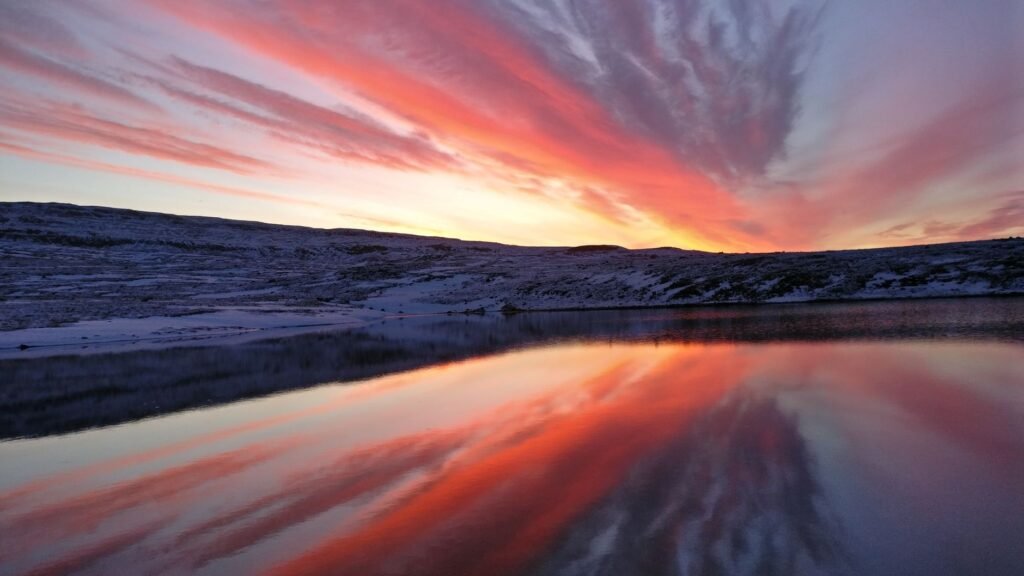
Winter in the Westfjords is marked by unique celebrations that embrace the season’s spirit. The Winter Lights Festival is a magical event held in February, where towns are illuminated with beautiful light displays. This festival highlights the beauty of winter nights and often includes outdoor activities such as snowshoeing, ice fishing, and guided nature walks.
Additionally, New Year’s Eve in the Westfjords provides an unforgettable experience with vibrant fireworks and community gatherings. Locals and visitors alike come together to celebrate with traditional Icelandic food, music, and dance, creating a warm and inviting atmosphere even during the coldest months.
- Winter Lights Festival: A celebration of light and winter activities.
- New Year’s Eve Celebrations: Community gatherings with fireworks and festivities.
- Traditional Winter Dishes: Enjoy local specialties during celebrations.
Wildlife Watching Opportunities
Bird Watching in the Westfjords
The Westfjords are renowned for their diverse birdlife, making it a prime destination for birdwatchers. During late spring and summer, migratory birds such as puffins, guillemots, and kittiwakes return to the cliffs, providing excellent opportunities for observation. The Hornstrandir Nature Reserve is particularly famous for its bird colonies, and guided tours are available for those looking to enhance their experience.
Equipped with binoculars and cameras, visitors can enjoy guided birdwatching excursions that not only focus on spotting various species but also educate about their habitats and behaviors. Many tours include stops at key viewing points, ensuring a fulfilling wildlife experience.
- Puffins: Best spotted from May to August.
- Guillemots: Commonly seen nesting on cliffs.
- Kittiwakes: Easily observed along the coastline.
Marine Life Encounters
The waters surrounding the Westfjords are teeming with marine life, making them ideal for whale watching and seal spotting. The most favorable time for whale watching is during the summer months when numerous species, including minke whales and humpback whales, migrate to feed in the rich waters. Several boat tours operate from towns like Ísafjörður and Bolungarvík, providing visitors with a chance to witness these magnificent creatures in their natural habitat.
Additionally, seals can often be spotted lounging on rocky shores or swimming in the fjords. Guided seal tours offer an intimate glimpse into their behaviors and habitats, enhancing the overall wildlife experience in the region.
- Minke Whales: Commonly sighted from May to September.
- Humpback Whales: Known for their acrobatics during summer.
- Seals: Frequently observed on coastal rocks.
Land-based Wildlife
The Westfjords are not only home to diverse bird species and marine life; they also support a variety of terrestrial wildlife. Visitors may encounter arctic foxes, reindeer, and numerous small mammals while hiking through the region’s stunning landscapes. The Hornstrandir Nature Reserve is particularly notable for its untouched wilderness, where wildlife thrives in a pristine environment.
Nature enthusiasts can participate in guided hikes that focus on spotting local wildlife while learning about the delicate ecosystems of the Westfjords. These experiences offer an immersive way to connect with nature and appreciate the region’s biodiversity.
- Arctic Foxes: The only native land mammal in Iceland.
- Reindeer: Often spotted in the eastern parts of the Westfjords.
- Small Mammals: Including various rodents and rabbits.

Practical Travel Tips for the Westfjords
Transportation Options
Getting to and around the Westfjords can be a unique experience in itself. While the region is accessible by road, visitors should be prepared for winding and occasionally challenging routes. Renting a car is the most convenient way to explore the Westfjords, allowing travelers to stop at scenic viewpoints and hidden gems along the way. It is advisable to rent a 4×4 vehicle during winter months when roads may be snow-covered.
Alternatively, there are bus services that connect major towns in the Westfjords, providing a reliable option for those without a car. However, bus schedules can be limited, especially in the off-peak season, so planning ahead is crucial.
- Rental Cars: Ideal for flexibility and convenience.
- 4×4 Vehicles: Recommended for winter travel.
- Bus Services: Connect major towns, but check schedules in advance.
Accommodations in the Westfjords
There are various accommodation options available in the Westfjords, ranging from cozy guesthouses to modern hotels. Many visitors opt for guesthouses, which often provide a more personal and intimate experience. They allow travelers to interact with locals and learn about the culture and traditions of the area.
For those seeking more comfort, hotels in towns like Ísafjörður offer amenities such as restaurants and guided tours. Additionally, camping is a popular choice during the summer months, with facilities available in designated areas throughout the region.
- Guesthouses: Ideal for a local experience.
- Hotels: Offer modern amenities and comfort.
- Campsites: Available during the summer months for adventurous travelers.
Dining and Local Cuisine
The culinary scene in the Westfjords is a delightful aspect of any visit. Fresh seafood is a highlight, with many restaurants emphasizing locally sourced ingredients. Traditional Icelandic dishes such as hákarl (fermented shark) and skyr (a type of yogurt) can be sampled at local eateries, providing visitors with a taste of the region’s heritage.
Many establishments also offer farm-to-table experiences, where guests can enjoy meals made from ingredients sourced directly from nearby farms. This not only supports local agriculture but also ensures that meals are fresh and flavorful.
- Fresh Seafood: Emphasis on locally caught fish.
- Traditional Dishes: Hákarl and skyr are must-tries.
- Farm-to-Table: Enjoy meals made from local ingredients.
Frequently Asked Questions
What is the best month to visit Westfjords?
The best months to visit Westfjords are June through August for outdoor activities and pleasant weather. However, September can also be beautiful for autumn colors.
Is it possible to visit Westfjords in winter?
Yes, visiting Westfjords in winter is possible and offers unique experiences like the northern lights. However, winter travel requires careful planning due to weather conditions.
What activities are available year-round in Westfjords?
Year-round activities include visiting hot springs, exploring coastal villages, and enjoying local cuisine. Each season offers unique opportunities.
Are there any travel restrictions in Westfjords?
Currently, there are no specific travel restrictions to Westfjords, but it’s wise to check local guidelines and weather conditions before traveling.
The Bottom Line
Choosing the best time to visit Westfjords depends on your interests and the experiences you seek. Whether you prefer the vibrant summer landscapes, the peaceful autumn scenery, the enchanting winter wonderland, or the refreshing spring rebirth, Westfjords has something to offer year-round. By understanding the seasonal highlights and preparing accordingly, you can ensure a memorable trip to this stunning part of Iceland.
Visa rules, prices and opening times change. Always confirm details with official sources before you travel.