Getting Around Melbourne: Your Essential Travel Guide
Explore practical tips for getting around Melbourne, including transport options, costs, and local insights for an enjoyable visit.
Melbourne, known for its vibrant culture and diverse neighborhoods, offers various ways to navigate the city. Whether you’re visiting for a few days or planning an extended stay, understanding how to get around Melbourne can significantly enhance your travel experience. From public transport to ridesharing options, this guide will provide you with the practical information you need.
With its extensive network of trams, trains, and buses, Melbourne’s public transport system is one of the most efficient in the world. This article will delve into the various modes of transport available, costs, and tips for making the most of your journey through this beautiful city.
As you explore Melbourne, you’ll discover that getting around isn’t just about transportation; it’s also about experiencing the city’s unique neighborhoods and attractions. This guide aims to equip you with knowledge that will help you navigate efficiently while enjoying everything Melbourne has to offer.
Public Transport Overview
Melbourne’s public transport system comprises trains, trams, and buses, all integrated to provide seamless connectivity. The system is managed by Public Transport Victoria (PTV), which oversees all transit services in the area.
The network spans across the city and surrounding suburbs, making it easy to reach popular destinations. Public transport is often the best option for tourists, as it eliminates the hassle of parking and navigating through traffic.
Using a Myki card is essential for accessing Melbourne’s public transport. It’s a reusable smart card that allows you to tap on and off when boarding or exiting any service. You can purchase a Myki card at train stations, convenience stores, and online, allowing for easy access to the public transport network.
Trains
Melbourne’s train system connects the city center to various suburbs and regional areas. The trains are generally reliable and run frequently, especially during peak hours.
- Major Train Lines: The city has several key lines such as the Sandringham, Frankston, and Craigieburn lines, which connect to various hubs and attractions.
- Train Frequency: During peak hours, trains run every 10-15 minutes, while off-peak services might be less frequent.
- Accessibility: Most train stations are equipped with facilities for passengers with disabilities, including ramps and lifts.
Trams
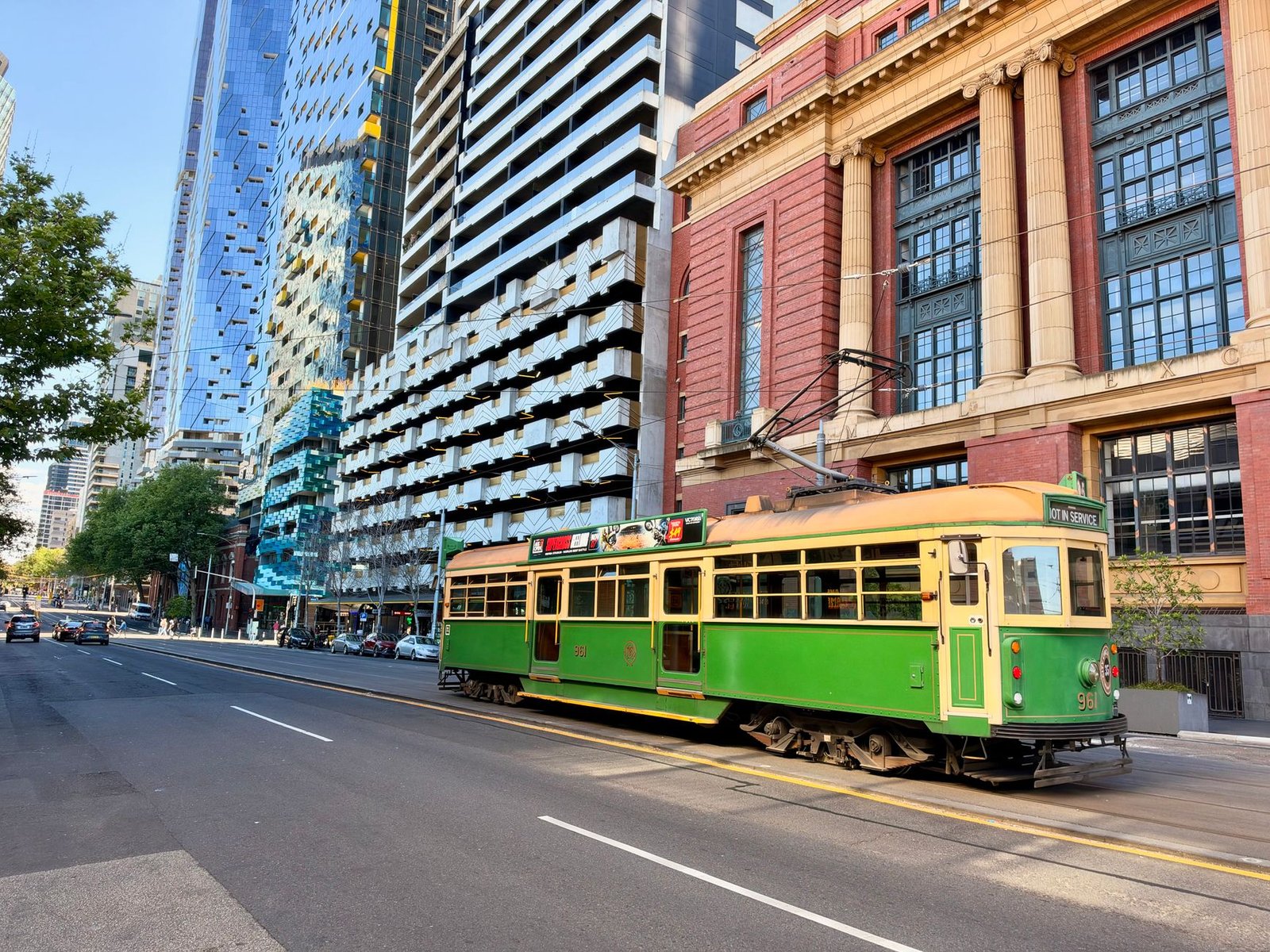
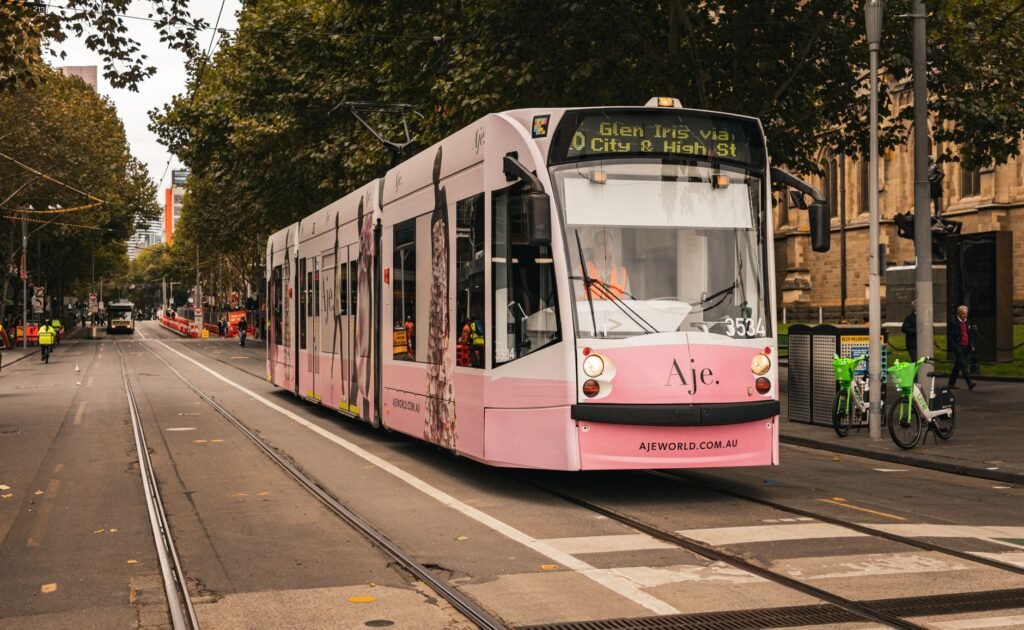
The iconic Melbourne tram system is one of the largest in the world and a quintessential part of the city’s character. Trams are an excellent way to explore the city, especially in the central business district (CBD).
- Free Tram Zone: The CBD has a designated Free Tram Zone, allowing unlimited travel without a Myki card within that area.
- Tram Stops: Trams generally run every 6-12 minutes, with stops conveniently located near major attractions.
- Night Trams: Some tram routes operate at night, providing a safe way to travel after hours.
Buses
Buses complement the train and tram services, particularly in areas that are less accessible by rail. They connect suburban areas to train stations and city centers.
- Bus Routes: Buses cover most regions of Melbourne, including popular tourist destinations.
- Frequency: Buses run less frequently than trains and trams, so check the schedule ahead of time.
- Bus Stops: Stops are clearly marked, and schedules are displayed for passenger convenience.
Biking and Walking in Melbourne
Melbourne is a bike-friendly city with numerous cycling paths and bike-sharing schemes. Exploring by bike can be an enjoyable way to see the city at your own pace.
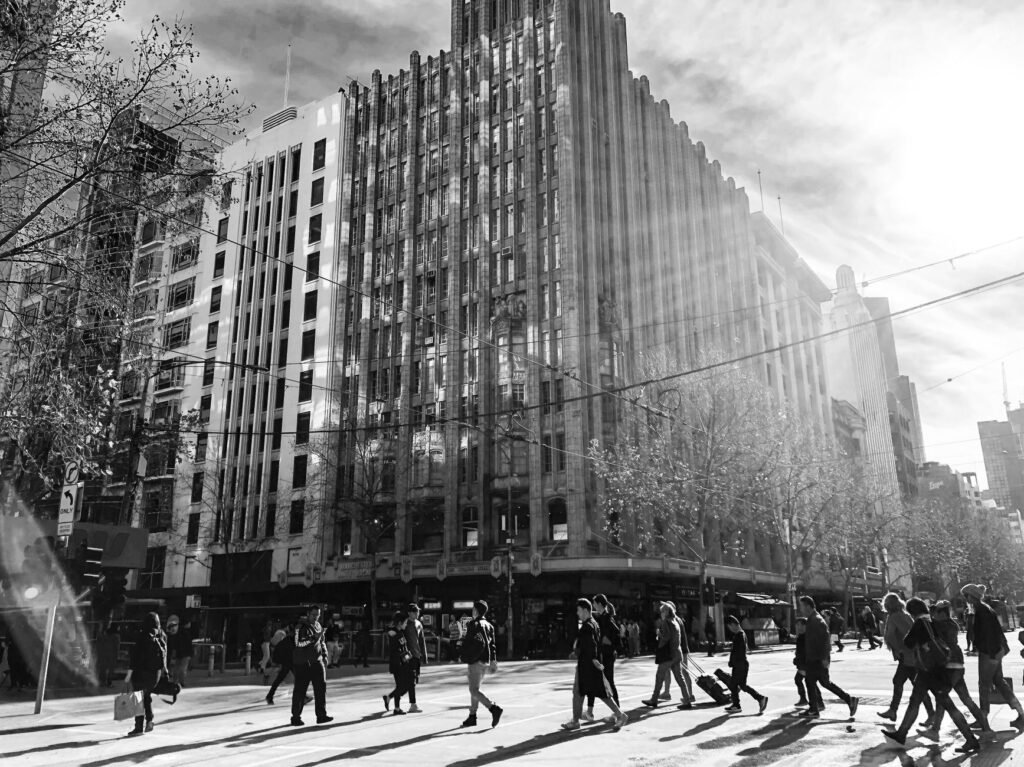
Walking is also a great option, especially in areas like the CBD, where many attractions are within walking distance. The city has pedestrian-friendly streets and numerous parks to enjoy.
Cycling
Melbourne has invested significantly in cycling infrastructure, making it safer and more convenient for cyclists. Here are some key points to consider when biking around the city:
- Bike Paths: Dedicated bike lanes are available throughout the city, ensuring a safer ride.
- Bike Share Programs: Services like Melbourne Bike Share allow you to rent bikes for short durations, making it easy to explore.
- Safety Gear: Wearing a helmet is mandatory, and it’s advisable to follow all road rules while cycling.
Walking
Walking allows you to immerse yourself in Melbourne’s unique atmosphere. Many neighborhoods are best explored on foot, enabling you to discover hidden gems.
- Pedestrian Zones: Areas such as Bourke Street Mall are pedestrian-friendly, offering a bustling environment.
- Walking Tours: Consider joining a guided walking tour to learn more about the city’s history and culture.
- Public Parks: Melbourne boasts numerous parks such as the Royal Botanic Gardens, ideal for leisurely strolls.
Ridesharing Services
Ridesharing services like Uber and Ola are popular in Melbourne, providing a convenient alternative to public transport. These services can be particularly useful for late-night travel or when public transport is less frequent.
Using a ridesharing app is straightforward. Simply download the app, create an account, and request a ride from your location to your desired destination.
Cost and Availability
Ridesharing costs vary based on distance, time of day, and demand. Here are some insights to keep in mind:
- Base Fare: Ridesharing services have a base fare plus additional charges per kilometer and per minute.
- Surge Pricing: During peak times or major events, prices may increase due to higher demand.
- Convenience: Ridesharing can be particularly useful for reaching areas that are not easily accessible by public transport.
Driving in Melbourne
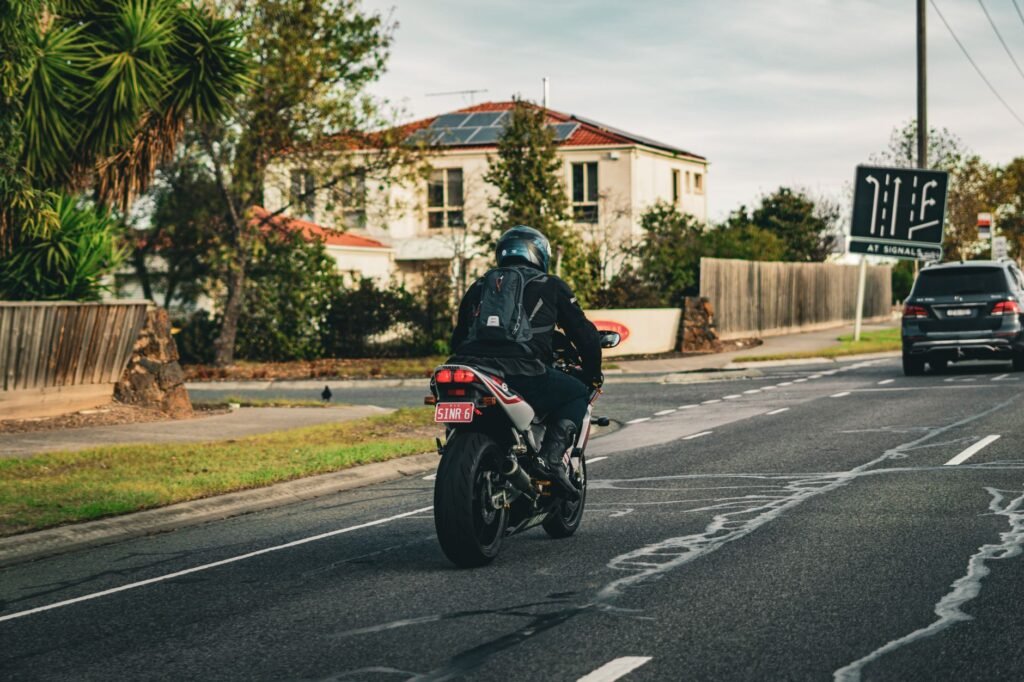
While public transport is often the best option for getting around Melbourne, some visitors may prefer the convenience of driving. If you choose to rent a car, it’s important to understand the local driving laws and parking regulations.
Melbourne has an extensive road network, but traffic can be congested during peak hours. Planning your travel times and routes can help mitigate delays.
Parking
Parking in Melbourne varies by location, with some areas offering free parking and others requiring payment. Here are some key points to consider:
- Street Parking: Always check signage to understand parking restrictions and fees.
- Parking Garages: There are several public parking garages throughout the CBD, which can be convenient for longer stays.
- Mobile Apps: Consider using mobile apps for parking payments and finding available spots.
Driving Tips
Driving in Melbourne is generally straightforward, but here are some tips to keep in mind:
- Traffic Rules: Familiarize yourself with local driving laws, including speed limits and right-of-way rules.
- Roundabouts: Yield to traffic on your right when entering a roundabout.
- Public Transport Priority: Watch out for trams, as they have priority on the road.
Costs of Getting Around Melbourne
Understanding the costs associated with different modes of transport can help you budget effectively for your trip. Here’s a breakdown of the typical costs you can expect:
Public Transport
The costs for public transport depend on the zones you travel through and whether you’re using a Myki card:
- Myki Card: Initial cost of A$6, with the option to load credit for travel.
- Single Trips: Fares range from A$4.50 to A$7.50 depending on zones.
- Daily Cap: A maximum of A$9.20 for unlimited travel within a day.
Biking
If you opt for biking, costs can vary based on rental options:
- Bike Rental: Prices for bike rentals can start around A$5 for an hour.
- Bike Share: Melbourne Bike Share offers a $3 daily access fee, plus usage charges.
- Helmets: Remember to factor in the cost of a helmet if not provided with the rental.
Ridesharing
The cost of ridesharing services can fluctuate, but here are average rates:
- Base Fare: Typically starts around A$2.50.
- Per Kilometer: Approximately A$1.30 to A$1.60.
- Per Minute: Usually around A$0.50.
Exploring Melbourne’s Tram System
History and Evolution
Melbourne is renowned for its expansive tram network, which is not only a crucial part of the city’s public transport but also a significant piece of its history. The tram system began operations in the 1880s and has undergone numerous expansions and renovations since then. Today, it is the largest urban tram network in the world, with over 250 kilometers of track and more than 480 trams serving the metropolitan area.
Over the years, the network has evolved from horse-drawn carriages to modern, air-conditioned trams that feature real-time tracking and accessibility options. The trams are a symbol of Melbourne’s identity and are often used by locals and tourists alike for their efficiency and convenience.
How to Navigate the Tram System
Getting around Melbourne via tram is straightforward, but it does require some familiarity with the system. Trams operate on a Zonal system, with different zones determining fare prices. It is essential to have a Myki card, which can be purchased at most train stations, convenience stores, or online. Once you have your Myki card, simply tap on at the start of your journey and tap off when you disembark to ensure you are charged the correct fare.
- Trams run frequently, especially in the city center, making it easy to hop on and off as you explore.
- Tram stops are marked with clear signage, including route numbers and destinations.
- Free tram zones exist in the CBD, allowing unlimited travel within those boundaries without a Myki card.
Tips for Tram Travel
While trams are generally reliable, there are a few tips that can enhance your tram experience. Always check the timetable for your specific route, as some trams may not operate late at night or on weekends. Additionally, Melbourne’s trams can get crowded during peak hours, so plan your travel accordingly. Pay special attention to the next-tram display screens located at stops, which provide real-time updates on tram arrivals.
For a unique experience, consider taking the iconic City Circle tram, which offers a free ride around Melbourne’s central attractions, including major landmarks such as the Melbourne Museum and Federation Square.
Alternative Modes of Transport
Water Transport: Ferries and Boats
Melbourne’s Yarra River and Port Phillip Bay provide opportunities for scenic travel via ferries and boats. Several companies operate ferries that connect various parts of the city, offering a unique perspective of Melbourne’s skyline. The Yarra River ferries operate between Southbank and Docklands, providing a leisurely way to explore the area.
These water transport options are especially popular during summer and on weekends, as they allow you to avoid road traffic while enjoying the fresh breeze of the river. While not the primary mode of transport for most commuters, they offer a delightful alternative for tourists looking to enjoy Melbourne from the water.
- Ferry services operate regularly, with a more limited schedule during the off-peak season.
- Some ferries offer commentary and sightseeing options, making them an educational experience.
- Check schedules ahead of time, as services can vary based on the day of the week.
Car Rentals and Car Share Options
For those looking to explore beyond the city limits, renting a car can be a practical option. Numerous car rental companies operate in Melbourne, offering a range of vehicles. Renting a car provides the flexibility to visit attractions outside the city, such as the Great Ocean Road or the Yarra Valley wine region.
Alternatively, car-sharing services like GoGet allow you to rent a vehicle for short periods. This can be a cost-effective solution for those who need a car for just a few hours or a day. To use these services, you typically need to register online and book a vehicle through a mobile app.
- Check for parking availability at your destination, as some areas may have high parking fees or limited spaces.
- Familiarize yourself with local driving laws, including speed limits and road signs.
- Consider fuel costs when budgeting your trip, as petrol prices can fluctuate.
Taxi Services Beyond Ridesharing
While ridesharing services have gained popularity, traditional taxis remain a reliable mode of transport in Melbourne. Taxis can be hailed on the street or booked via phone apps, providing convenience and accessibility, especially late at night when rideshare options may be limited. Melbourne’s taxi services are regulated, ensuring safety and reliability for passengers.
When taking a taxi, it’s beneficial to be aware of the meter system, which charges based on distance traveled and time spent in the vehicle. Always check that the meter is running when you begin your journey, and if you’re unsure about the fare, ask the driver for an estimate before starting.
- Keep cash on hand, as some taxis may not accept card payments.
- Request a receipt if you need to file any complaints or lost property claims.
- Use reputable taxi companies, which can often be found via local directories or hotel recommendations.

Accessibility in Melbourne’s Transport Systems
Tram and Train Accessibility
Melbourne is committed to making its public transport system accessible for everyone, including passengers with disabilities. Most trams and trains are equipped with facilities such as low floors for easy boarding, audio announcements for stops, and priority seating designated for passengers with mobility challenges. Additionally, many tram stops and train stations have ramps and elevators to assist with accessibility.
It’s advisable for travelers requiring assistance to plan their journey in advance, as not all services may be fully accessible during peak times. Resources are available online that detail which tram routes and train stations are accessible, helping to ease navigation through the city.
- Check the Public Transport Victoria website for up-to-date information on accessibility features.
- Consider contacting transport authorities in advance if you require specific assistance.
- Be mindful of peak hour crowding, which can make accessibility challenging.
Services for Seniors and Families
Melbourne’s public transport also caters to seniors and families traveling with children. Seniors can benefit from discounted fares on public transport, making it more affordable to explore the city. Additionally, family travel options often include free travel for children under a certain age when accompanied by a paying adult, making it accessible for family outings.
Many tram and train services provide space for prams and strollers, ensuring families can travel comfortably. It’s advisable for families to plan their trips during off-peak hours when services may be less crowded and more accommodating.
- Check with transport services for family passes and senior discounts.
- Always be courteous to fellow passengers, especially when using prams or wheelchairs.
- Utilize family-friendly amenities, such as changing facilities located in major train stations.
Resources for Accessible Travel
For travelers needing detailed information on accessibility options, several resources are available. The Public Transport Victoria website offers a dedicated section for accessibility, including maps and guides specific to accessible routes and facilities. Local tourist information centers are also equipped with information regarding accessible transport options and can provide assistance in planning your travel.
In addition, various apps aim to assist travelers with disabilities in navigating public transport, offering features like step-free routes and real-time updates on service availability. Taking advantage of these resources can significantly enhance the experience of traveling around Melbourne.
- Download accessibility apps prior to your trip for easier navigation.
- Visit local tourist centers for printed materials on accessible travel.
- Engage with online forums or social media groups for firsthand experiences and tips from other travelers.
Frequently Asked Questions
What is the best way to get around Melbourne?
The best way to get around Melbourne depends on your preferences. Public transport is often the most efficient, but biking and walking can be enjoyable alternatives for exploring.
Do I need a Myki card for public transport?
Yes, a Myki card is necessary for accessing trams, trains, and buses in Melbourne, except within the Free Tram Zone.
Is driving in Melbourne difficult?
Driving in Melbourne can be manageable, but traffic congestion during peak hours can be challenging. Familiarity with local road rules is important.
Are ridesharing services available in Melbourne?
Yes, ridesharing services like Uber and Ola are widely available throughout Melbourne, offering a convenient way to travel.
The Bottom Line
Getting around Melbourne is relatively straightforward, thanks to its extensive public transport system, bike-friendly paths, and ridesharing options. Familiarizing yourself with the available modes of transport, associated costs, and local regulations will enhance your travel experience. Whether you prefer the convenience of public transport or the freedom of cycling, Melbourne has something to offer every traveler.
Visa rules, prices and opening times change. Always confirm details with official sources before you travel.