Discovering the Best Nordic Saunas and Wild Swims: A Unique Experience
Explore the best Nordic saunas and wild swims for a rejuvenating experience. Discover locations, tips, and the benefits of this unique adventure.
Introduction to Nordic Saunas and Wild Swimming
Nordic saunas and wild swims are becoming increasingly popular among travelers seeking unique experiences that blend relaxation and adventure. These activities are steeped in tradition and are central to the culture in many Scandinavian countries. A visit to a sauna followed by a refreshing dip in a natural body of water is seen as a rite of passage and a way to connect with nature.
The experience is not just about bathing; it’s about rejuvenation and embracing the elements. The contrast of hot and cold stimulates the body and mind, providing numerous health benefits. From the picturesque fjords of Norway to the serene lakes of Finland, there are countless locations where you can indulge in this invigorating practice.
This guide will explore the best Nordic saunas and wild swimming spots, offering practical tips to enhance your experience and ensure safety. Whether you are a seasoned sauna-goer or a curious traveler, you will find useful information to make the most of your adventure.
Understanding the Nordic Sauna Experience
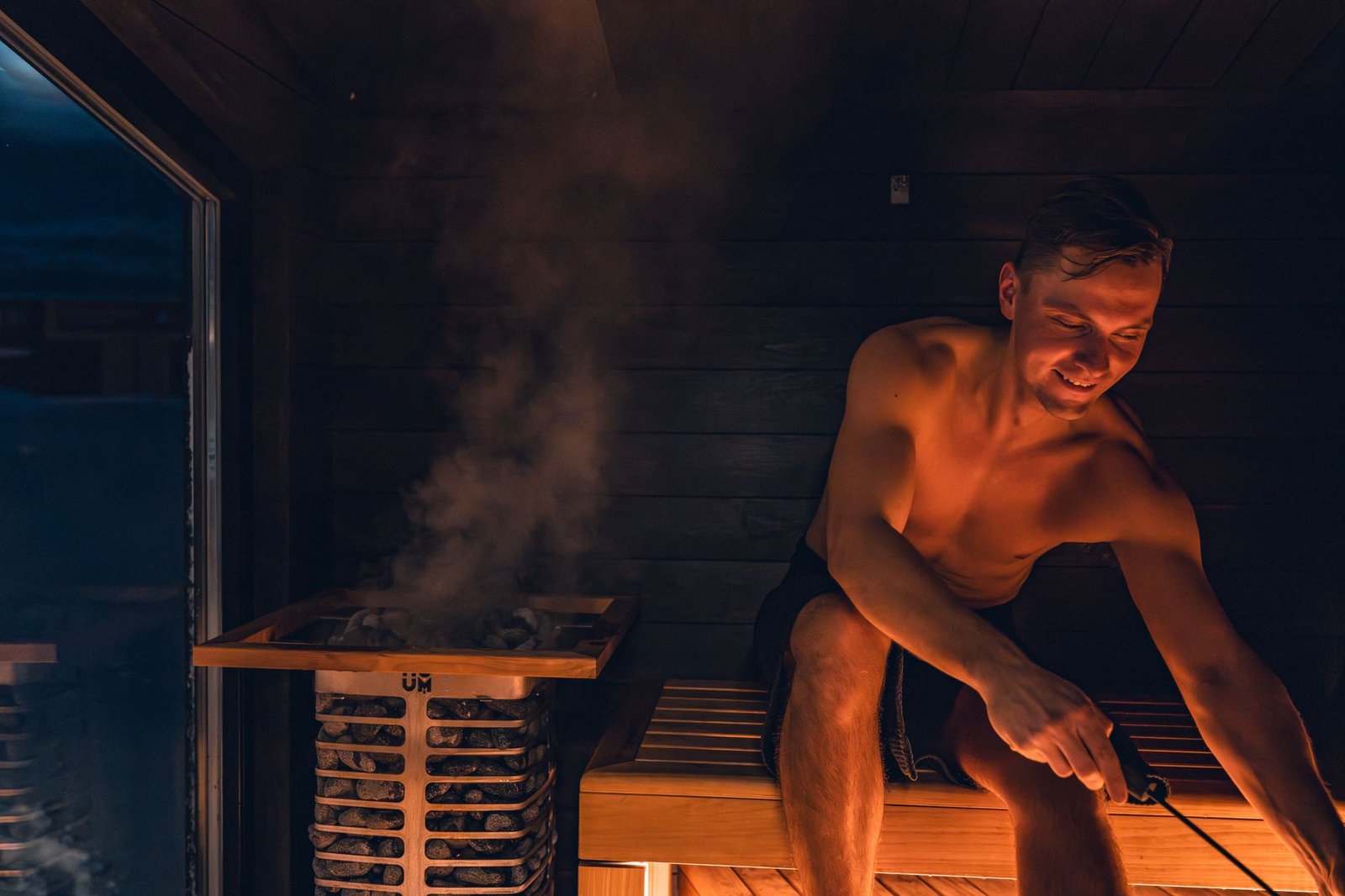
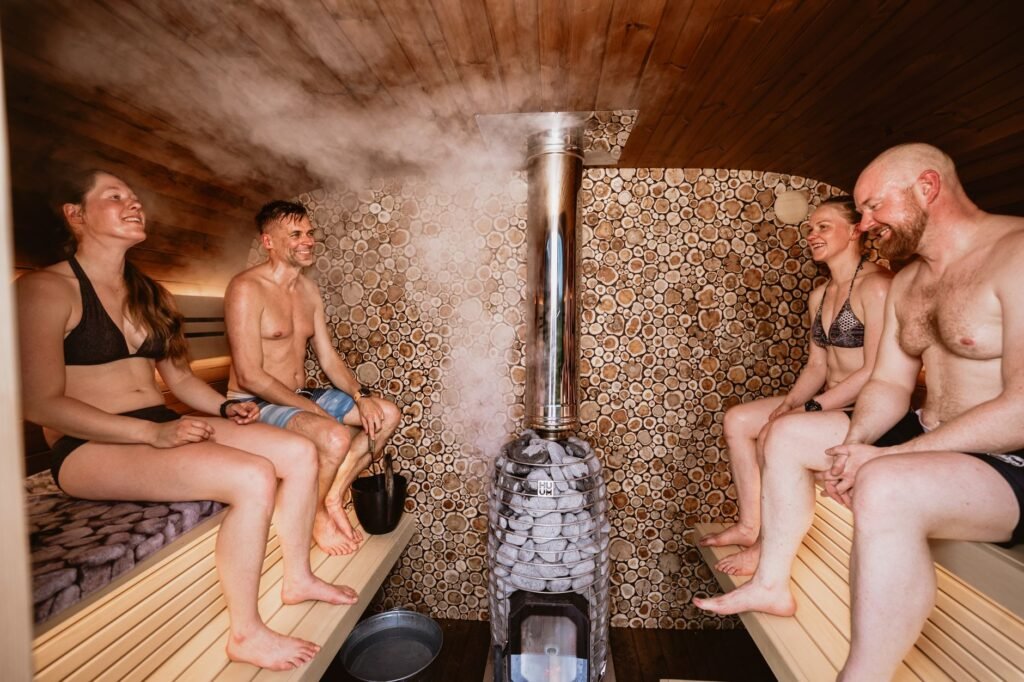
The Nordic sauna is more than just a hot room; it’s a cultural institution. Traditionally, these saunas are heated to temperatures between 70°C to 100°C (158°F to 212°F). The heat promotes sweating, which is believed to cleanse the body of toxins. The use of natural materials like wood and stone creates a calming atmosphere, enhancing the overall experience.
There are various types of saunas, including traditional Finnish saunas, steam saunas, and infrared saunas. Each type has its unique benefits and ambiance. Finnish saunas, for instance, use dry heat and are often equipped with a stove that heats rocks, which can be doused with water to create steam. Steam saunas, on the other hand, maintain high humidity levels, providing a different kind of therapeutic effect.
Aside from physical benefits, saunas promote mental well-being. Many people report feeling relaxed and rejuvenated after a sauna session. It’s common for friends and family to gather in saunas, making it a social affair. This sense of community is an essential aspect of the sauna culture.
Health Benefits of Using a Sauna
- Improved Circulation: Regular sauna use can enhance blood flow, benefiting cardiovascular health.
- Detoxification: Sweating helps eliminate toxins from the body, contributing to overall health.
- Stress Relief: The heat and relaxation promote the release of endorphins, reducing stress levels.
- Skin Health: Increased blood flow and sweating can improve skin appearance and health.
The Thrill of Wild Swimming
Wild swimming, or swimming in natural bodies of water, complements the sauna experience beautifully. After enjoying the heat of the sauna, a dip in a lake, river, or ocean can be exhilarating. This practice is popular in Nordic countries, where the landscape features numerous pristine lakes and clear waters.
Wild swimming is not just refreshing; it also provides a unique connection to nature. Many swimmers find that immersing themselves in cold water invigorates the senses and enhances mental clarity. However, it is essential to approach wild swimming with caution, as conditions can vary significantly based on weather and geography.
In addition to providing a thrilling experience, wild swimming is associated with various health benefits. Cold water exposure is known to boost the immune system, improve circulation, and even enhance mood. As you swim, you may notice an increase in adrenaline and endorphins, contributing to the feeling of euphoria often reported by wild swimmers.
Finding the Best Wild Swimming Spots
- Natural Lakes: Look for clean, well-known lakes that are safe for swimming. Popular spots often have designated swimming areas.
- Rivers: Many rivers offer calm sections ideal for swimming. Ensure to check the water flow and safety conditions.
- Coastal Areas: Beaches in Nordic countries can be stunning. Always be aware of tides and currents before swimming.
- Local Recommendations: Ask locals for their favorite swimming spots. They can provide insights into safety and the best times to visit.
Top Nordic Sauna Locations
When it comes to enjoying the best Nordic saunas and wild swims, the following locations stand out:
1. Finland
Finland is known as the ‘Land of a Thousand Lakes,’ making it a prime destination for sauna and swimming enthusiasts. The country boasts over 2 million saunas, with many located near lakes or the sea. A popular choice is the Löyly Sauna in Helsinki, which offers stunning views of the Gulf of Finland and easy access to swimming in the sea.
2. Sweden
In Sweden, the Yasuragi Spa in Stockholm provides a unique sauna experience with outdoor hot tubs overlooking the sea. For a more natural experience, Lake Mälaren offers numerous spots for wild swimming, especially in the summer months.
3. Norway
Norway’s saunas, such as the Floating Sauna in Oslo, are renowned for their breathtaking views. The sauna allows access to cold fjords for an exhilarating swim, providing a perfect combination of heat and cold.
4. Iceland
In Iceland, you can enjoy the Geothermal Baths in the Blue Lagoon, where you can experience a sauna followed by a swim in mineral-rich waters. The natural beauty surrounding these baths enhances the overall experience.
5. Denmark
Denmark’s Cold Water Swimming Club in Copenhagen is a popular spot for wild swimming. The nearby saunas offer a perfect way to warm up before or after a dip in the chilly waters.
Safety Tips for Sauna and Wild Swimming
While enjoying saunas and wild swimming can be thrilling, safety should always come first. Here are some essential tips to consider:
Sauna Safety
- Stay Hydrated: Drink plenty of water before and after your sauna session to prevent dehydration.
- Limit Time: Spend no more than 15-20 minutes in the sauna at a time to avoid overheating.
- Know Your Body: If you feel lightheaded or unwell, exit the sauna immediately.
Wild Swimming Safety
- Check Conditions: Always assess the water temperature and conditions before entering. Be aware of currents and tides.
- Swim with Others: It’s safer to swim with a buddy. If swimming in remote areas, inform someone about your plans.
- Wear Appropriate Gear: Consider wearing a wetsuit if the water is particularly cold to maintain body heat.
The Benefits of Combining Sauna and Wild Swimming
Physical Health Advantages
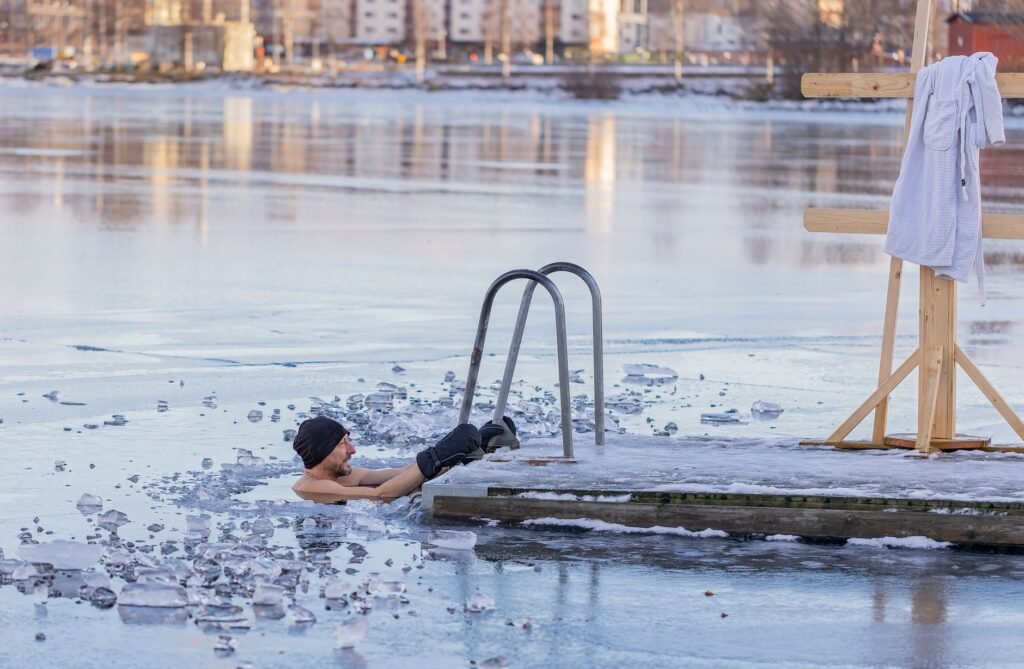
Engaging in both sauna sessions and wild swimming offers a myriad of physical health benefits. The contrast between the intense heat of the sauna and the refreshing cold of wild swimming stimulates circulation, promoting better cardiovascular health. This alternation can enhance your immune system, as exposure to varying temperatures encourages the body to adapt and strengthen its defenses. Furthermore, these activities can assist in muscle recovery by increasing blood flow and reducing inflammation.
Here are some specific physical benefits:
- Improved cardiovascular function
- Enhanced muscle recovery
- Increased metabolism
- Detoxification through sweating
- Improved skin health
Mental Well-being and Stress Relief
The combination of sauna and wild swimming provides significant mental health benefits. The sauna’s heat promotes relaxation, helping to reduce stress and anxiety levels, while the invigorating experience of wild swimming can elevate your mood and provide a sense of euphoria. This combination creates a unique opportunity for mindfulness, allowing individuals to focus on the sensations of heat and cold, and to appreciate nature’s beauty.
Studies suggest that spending time in nature can significantly improve mental health. Wild swimming encourages a connection with the environment, fostering a sense of calm and well-being. The rhythmic nature of swimming can also serve as a form of moving meditation, helping to clear the mind and improve focus.
Social Connections and Community
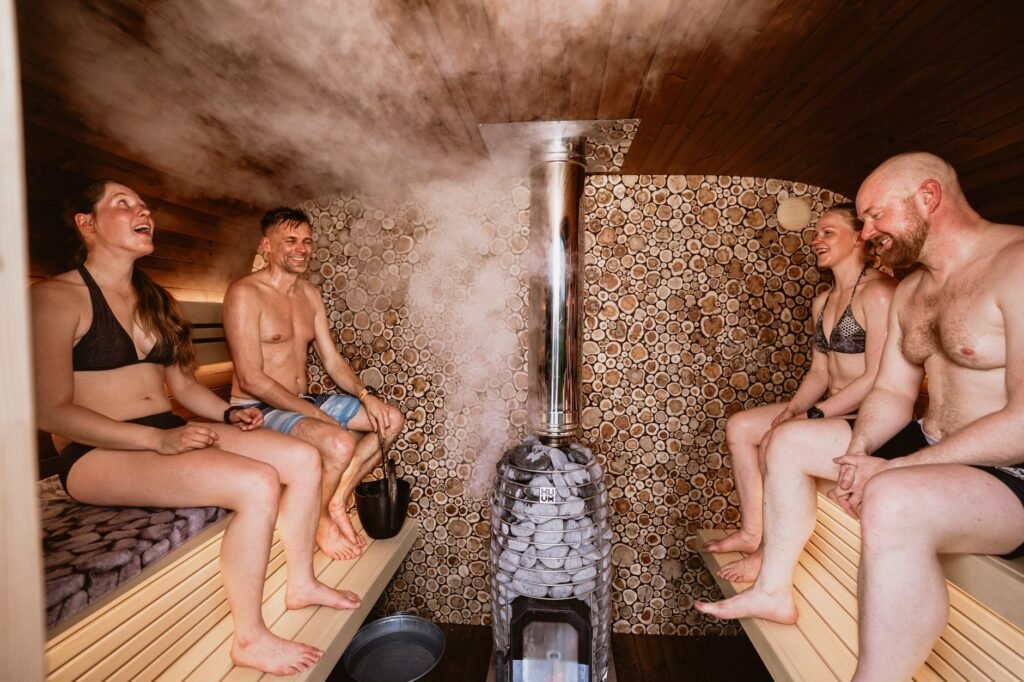
Participating in sauna and wild swimming activities is often a communal experience, offering opportunities to bond with friends and family or to meet new people. Many Nordic countries have a strong sauna culture, where gathering with others in a sauna is a traditional practice. This communal aspect fosters social connections, which are essential for emotional health.
Additionally, many communities have established groups or clubs that promote wild swimming and sauna experiences, creating a supportive network for those interested in these activities. Engaging in these activities with others can lead to shared experiences that create lasting memories.
Choosing the Right Gear for Sauna and Wild Swimming
Essential Sauna Accessories
When experiencing a Nordic sauna, having the right accessories can enhance your comfort and enjoyment. Here are some essential items to consider bringing along:
- Sauna Towel: A large towel for sitting on and drying off is essential for hygiene and comfort.
- Water Bottle: Staying hydrated is crucial, so bring a reusable water bottle to sip on before and after your sauna session.
- Sauna Hat: A felt or cotton hat can help regulate your head temperature and protect your hair from heat damage.
- Flip-flops: These are perfect for walking around the sauna area and changing rooms.
- Essential Oils: If allowed, bring along your favorite essential oils to enhance the experience through aromatherapy.
Wild Swimming Gear
For those venturing into wild swimming, having the right gear is vital for safety and enjoyment. Essential gear includes:
- Swimsuit: A comfortable, quick-drying swimsuit is a must.
- Wetsuit: In colder waters, a wetsuit helps maintain body temperature and provides buoyancy.
- Swim Cap: A swim cap keeps your head warm and can help with visibility in open waters.
- Goggles: These help to protect your eyes from cold water and enhance visibility.
- Dry Bag: A waterproof bag for storing valuables while you swim is essential.
Safety Considerations and Maintenance
While enjoying Nordic saunas and wild swimming, it’s important to prioritize safety and maintenance of your gear. Regularly check your equipment for signs of wear and tear, especially wetsuits and swimming accessories. Always adhere to safety guidelines when swimming in natural bodies of water, such as checking water conditions, swimming in designated areas, and never swimming alone.
Additionally, when using communal saunas, follow etiquette rules to ensure a pleasant experience for everyone. This includes showering before entering the sauna, respecting others’ space, and keeping noise to a minimum. Being mindful of these considerations will enhance your overall experience.
Cultural Significance of Sauna and Wild Swimming
Historical Context
The sauna tradition has deep roots in Nordic culture, dating back thousands of years. Originally, saunas were used not just for relaxation but also for health treatments and even childbirth. They were seen as sacred spaces where families gathered to socialize, heal, and cleanse. Understanding this history enriches the sauna experience, as you can appreciate the cultural significance behind the rituals and practices.
Wild swimming also has historical importance in many cultures, often linked to purification rituals and community gatherings. In Nordic countries, swimming in natural bodies of water is a cherished tradition, often associated with the changing seasons and festivals.
Modern Practices and Innovations
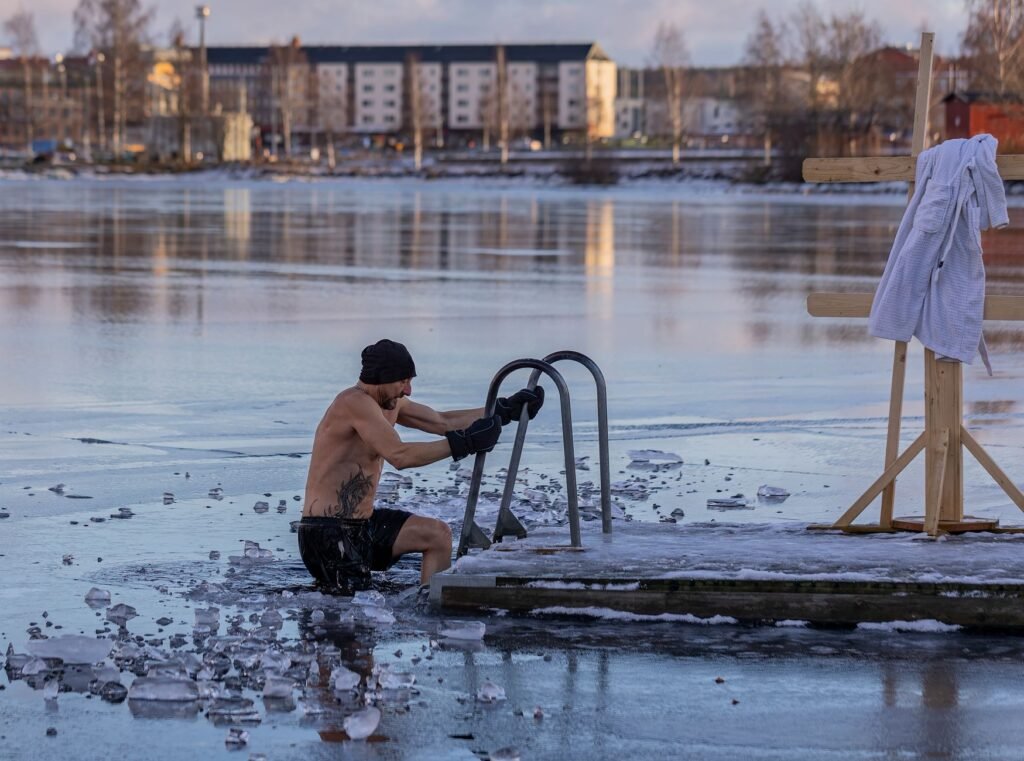
Today, both sauna and wild swimming continue to evolve. Modern saunas may incorporate advanced technology like infrared heating or salt therapy, while wild swimming has seen an increase in organized events, such as ice swimming festivals or open water swim races. These innovations attract a broader audience, making these experiences accessible to more people while maintaining their traditional roots.
Environmental Awareness and Sustainability
As the popularity of sauna use and wild swimming grows, so does the emphasis on sustainability and environmental awareness. Many sauna facilities are now adopting eco-friendly practices, such as using sustainably sourced wood and energy-efficient heating systems. Similarly, wild swimming communities are educating participants on the importance of preserving natural water sources and protecting local ecosystems.
Participants are encouraged to engage in responsible practices, including:
- Cleaning up after themselves
- Avoiding the use of single-use plastics
- Respecting local wildlife and habitats
- Participating in community clean-up efforts
Frequently Asked Questions
What is the best time of year for Nordic saunas and wild swims?
The best time for Nordic saunas and wild swims is during the summer months when temperatures are warmer, making it more enjoyable to swim in natural waters. However, winter swimming is also popular among enthusiasts who appreciate the invigorating experience of cold water.
Are there any health risks associated with sauna use?
While sauna use is generally safe for most people, those with certain health conditions, such as heart problems or respiratory issues, should consult a healthcare professional before using a sauna. It is essential to listen to your body and exit the sauna if you feel unwell.
Can I swim in the sea after using a sauna?
Yes, many people enjoy swimming in the sea after a sauna session. The contrast of the hot sauna followed by cold seawater can be invigorating. However, be cautious of strong currents and ensure the swimming area is safe.
What should I bring for a sauna and swimming day?
For a day of sauna and swimming, pack a towel, swimwear, water bottles for hydration, and flip-flops. If you’re swimming in colder waters, consider bringing a wetsuit for additional warmth.
The Bottom Line
The combination of the best Nordic saunas and wild swims offers a unique way to experience the beauty and culture of Scandinavia. Whether you choose to relax in a steaming sauna or take a refreshing dip in a pristine lake, these activities promote well-being and connection with nature. With the right preparation and mindfulness, you can enjoy a safe and memorable adventure.
Visa rules, prices and opening times change. Always confirm details with official sources before you travel.