Great Barrier Reef Outlook Downgraded: What You Should Know
Discover the implications of the Great Barrier Reef outlook downgraded and what it means for visitors and conservation efforts.
The Great Barrier Reef, one of the world’s most remarkable natural wonders, has recently faced a significant downgrade in its outlook, raising concerns among environmentalists, tourists, and local communities alike. The downgrade reflects ongoing challenges to the reef’s health due to climate change, pollution, and other human activities. This article delves into the factors leading to this outlook change, its implications for tourism and conservation, and practical information for visitors to the reef.
Located off the coast of Queensland, Australia, the Great Barrier Reef is not just a UNESCO World Heritage Site; it is also the largest coral reef system in the world, boasting a vibrant ecosystem that is home to thousands of species of marine life. However, recent assessments have shown troubling signs that the reef is under increasing stress, prompting authorities and conservationists to take urgent action.
This guide aims to provide a comprehensive overview of the current state of the Great Barrier Reef, addressing the downgrade in its outlook and what it means for tourists and conservation efforts.
Understanding the Outlook Downgrade
The outlook for the Great Barrier Reef has been downgraded from ‘moderate’ to ‘poor’ in recent assessments conducted by the Australian Government’s Great Barrier Reef Outlook Report. This change is primarily attributed to several interlinked factors that threaten the reef’s health and sustainability.
Key Factors Contributing to the Downgrade
- Climate Change: One of the most significant threats to the reef is climate change, which leads to coral bleaching. Higher sea temperatures cause coral to expel the algae (zooxanthellae) that live within their tissues, resulting in a loss of color and essential nutrients.
- Water Quality: Pollution from agricultural runoff, coastal development, and urbanization impacts the quality of water flowing into the reef. Sediment, nutrients, and pesticides can harm marine life and degrade coral health.
- Overfishing: Unsustainable fishing practices not only reduce fish populations but also disrupt the balance of the ecosystem, affecting predator-prey relationships and overall biodiversity.
- Invasive Species: The introduction of non-native species can lead to competition for resources and disrupt the natural balance, further stressing the reef’s ecosystem.
Scientific Assessments and Reports
Various scientific assessments have been conducted over the years to monitor the health of the Great Barrier Reef. The most recent report indicates a worrying trend of decline in coral cover and biodiversity. Monitoring programs are essential for understanding the long-term impacts of climate change and other stressors on the reef.
For example, a study published in the journal *Nature* highlighted that coral cover in some regions has dropped to alarming levels. These findings underscore the urgency of addressing the factors leading to the downgrade.
Government and Conservation Responses
The Australian government, along with various conservation organizations, is actively working to address the challenges facing the Great Barrier Reef. Efforts include:
- Improving Water Quality: Initiatives are in place to reduce agricultural runoff and enhance land management practices to protect the water quality surrounding the reef.
- Research and Monitoring: Ongoing research aims to identify the most effective conservation strategies, including coral restoration projects and habitat protection.
- Public Awareness Campaigns: Engaging the community and raising awareness about the importance of the reef and the actions individuals can take to help conserve it.
The Impact on Tourism
The downgrade of the Great Barrier Reef’s outlook carries significant implications for the tourism industry, which is a vital part of the local economy. Many visitors travel to the reef for its stunning beauty and the opportunity to experience its unique marine biodiversity.
Tourism Revenue and Employment
The Great Barrier Reef contributes billions of dollars to the Australian economy and supports thousands of jobs in tourism and related sectors. As the health of the reef declines, there are concerns that tourist numbers may suffer, leading to economic repercussions for local communities.
For instance, if the coral bleaching events continue to increase, visitors may find less vibrant marine life, which could deter future tourism. A decline in visitors would not only affect tour operators but also have a cascading effect on restaurants, hotels, and local shops that rely on tourist spending.
Visitor Experience and Expectations
Tourists often expect to see thriving coral reefs and diverse marine life when they visit the Great Barrier Reef. However, with the recent downgrade, there may be fewer opportunities to witness the spectacular underwater landscapes that have made the reef famous. Tour operators may need to adjust their offerings to focus on conservation and education rather than solely on sightseeing.
As a potential visitor, it’s essential to research tour operators that prioritize sustainable practices and contribute to conservation efforts. Engaging with operators who are committed to minimizing their environmental impact can enhance your experience and support the ongoing preservation of the reef.

Conservation Efforts and How You Can Help
In light of the challenges facing the Great Barrier Reef, various conservation initiatives have been implemented to protect and restore its health. Understanding how you can contribute to these efforts is crucial for the reef’s future.
Participating in Conservation Programs
Many organizations offer opportunities for individuals to get involved in conservation efforts. These programs can range from volunteer opportunities to educational workshops focused on reef health and marine biology.
For example, some conservation groups organize reef clean-up days, where volunteers can help remove debris and pollution from the marine environment. Participating in these events not only contributes to the health of the reef but also fosters a deeper connection to this natural wonder.
Supporting Sustainable Tourism
Opting for eco-friendly tours and accommodations is another way to support conservation efforts. When booking your trip, consider the following:
- Choose tour operators that have a proven commitment to sustainable practices, such as those that limit the number of visitors to sensitive areas.
- Look for accommodations that implement environmentally friendly practices, such as waste reduction and energy conservation.
- Educate yourself on the local ecosystem and respect the rules set by conservation authorities to minimize your impact.
Advocacy and Awareness
Advocating for policies that protect the reef is essential. You can stay informed about local initiatives and support organizations that focus on marine conservation. Sharing information with others can raise awareness about the importance of protecting the Great Barrier Reef and inspire more individuals to take action.
Simple actions like reducing plastic use and supporting legislation aimed at mitigating climate change can collectively make a significant difference in the health of the reef.
The Role of Local Communities in Reef Conservation
Community-Led Initiatives
Local communities living near the Great Barrier Reef play a crucial role in its conservation. Various community-led initiatives focus on protecting marine life and promoting sustainable practices. For instance, local fishing groups have implemented guidelines to reduce overfishing and protect endangered species. These initiatives often involve collaboration with scientists and environmental organizations to ensure that they are effective and based on sound ecological principles.
One notable example is the establishment of marine protected areas (MPAs) by Indigenous groups. These MPAs are designed to maintain biodiversity and promote the recovery of degraded habitats. The involvement of local communities not only helps safeguard the reef but also fosters a sense of ownership and responsibility among residents.
- Community education programs on sustainable fishing practices.
- Volunteer programs for reef clean-ups and restoration projects.
- Partnerships with universities for research and data collection.
Traditional Ecological Knowledge
Indigenous communities have long relied on the Great Barrier Reef for sustenance and cultural practices. Their traditional ecological knowledge (TEK) provides valuable insights into the health of marine ecosystems and sustainable resource management. TEK encompasses generations of understanding about seasonal changes, wildlife behavior, and the impacts of environmental changes.
Incorporating TEK into modern conservation strategies can lead to more effective management of the reef. For example, Indigenous rangers often monitor biodiversity and engage in land and sea management practices that align with their cultural beliefs. This collaborative approach is gaining recognition as a vital component in the fight against climate change and habitat degradation.
- Seasonal monitoring of fish populations based on Indigenous practices.
- Use of traditional fishing methods that minimize environmental impact.
- Incorporation of cultural practices in tourism to educate visitors.

Educational Opportunities for Tourists
Learning About Marine Ecosystems
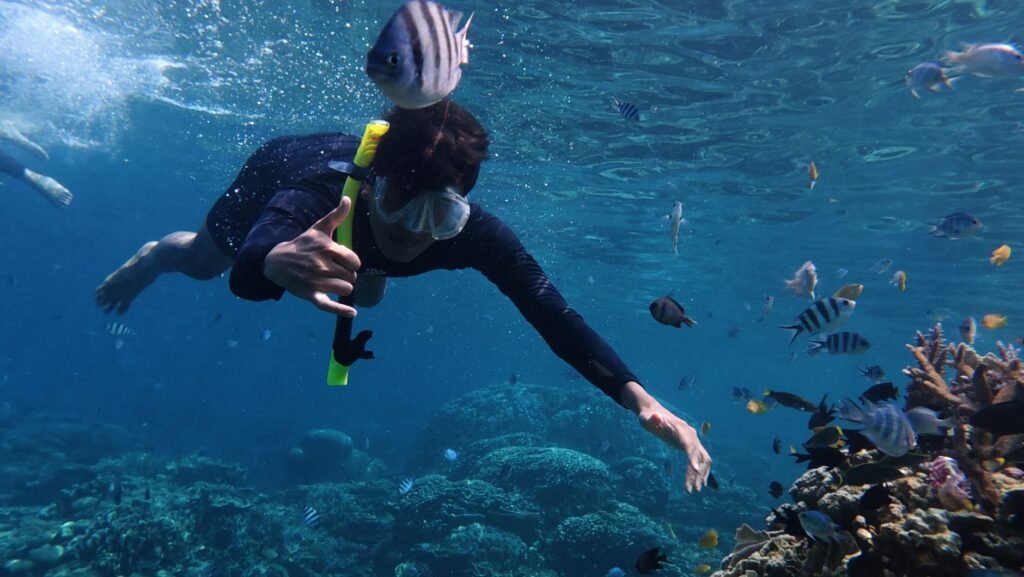
Visitors to the Great Barrier Reef have numerous opportunities to expand their knowledge of marine ecosystems. Many tour operators offer educational programs that focus on the unique biodiversity of the reef and its ecological significance. These programs can range from guided snorkeling trips with marine biologists to interactive workshops on coral reef conservation.
Understanding the complexities of marine ecosystems not only enriches the visitor experience but also encourages responsible behavior. Tourists can learn how their actions impact the reef and what steps they can take to minimize their ecological footprint while enjoying the beauty of the underwater world.
- Workshops on coral identification and marine species.
- Guided tours highlighting the importance of marine biodiversity.
- Interactive exhibits at visitor centers focused on conservation education.
Volunteering and Research Opportunities
For those looking to make a tangible impact, volunteering with reef conservation projects is an excellent way to contribute. Various organizations offer programs that allow tourists to participate in hands-on research and conservation activities. These programs often include activities like coral planting, water quality monitoring, and wildlife surveys.
Volunteering not only helps with crucial conservation efforts but also provides a deeper connection to the reef. Participants gain firsthand experience in marine research and learn about the challenges facing the reef ecosystem. This immersive experience can inspire long-term advocacy for reef protection and sustainability.
- Coral restoration projects involving transplanting healthy coral fragments.
- Data collection on fish populations and health of marine habitats.
- Community outreach programs to educate locals on conservation practices.

Future Challenges and Opportunities for the Great Barrier Reef
Climate Change and Resilience Strategies
Climate change remains the most significant threat to the Great Barrier Reef, with rising sea temperatures leading to coral bleaching events and ecosystem degradation. However, there are emerging resilience strategies aimed at helping the reef adapt to these changes. Research efforts are focused on identifying coral species that are more resilient to heat stress and can thrive in changing conditions.
One promising approach is the selective breeding of corals that exhibit heat resistance. By enhancing the genetic diversity of coral populations, scientists hope to bolster the reef’s overall resilience. Additionally, restoration efforts are being implemented to rehabilitate damaged reefs, making them more robust against future climate impacts.
- Research on heat-resistant coral species.
- Coral restoration initiatives aiming to improve biodiversity.
- Monitoring programs to assess the effectiveness of resilience strategies.
Policy Changes and Future Regulations
As the outlook for the Great Barrier Reef continues to evolve, policy changes are necessary to create a sustainable future for this natural wonder. Advocates are pushing for stricter regulations on coastal development and pollution control to safeguard the reef’s health. Effective policies must prioritize environmental sustainability while balancing the needs of local communities and the tourism industry.
Additionally, there is a growing call for increased funding for research and conservation initiatives. Enhanced governmental support can facilitate the implementation of innovative strategies to combat threats and ensure the long-term health of the reef. Collaboration between government, non-profit organizations, and local communities is essential for shaping effective policies that protect the Great Barrier Reef.
- Stricter regulations on agricultural runoff and coastal development.
- Increased funding for marine research and conservation programs.
- Collaborative efforts involving multiple stakeholders for comprehensive policy development.
Frequently Asked Questions
What does the outlook downgrade mean for the Great Barrier Reef?
The downgrade indicates a significant decline in the health of the reef, primarily due to climate change and human impact. It reflects ongoing challenges that threaten the ecosystem’s sustainability.
How can tourists help the Great Barrier Reef?
Tourists can support conservation by choosing eco-friendly tours, participating in volunteer programs, and advocating for policies that protect the reef.
What are the best times to visit the Great Barrier Reef?
The best times to visit are during the shoulder seasons (April to June and September to November) when the weather is mild, and marine visibility is optimal.
Are there any safety concerns when visiting the reef?
While visiting, it is essential to follow safety guidelines provided by tour operators, including sun protection, hydration, and awareness of marine wildlife.
The Bottom Line
The recent downgrade of the Great Barrier Reef’s outlook highlights the urgent need for collective action to protect this iconic natural wonder. Understanding the factors contributing to the decline, the impact on tourism, and the ongoing conservation efforts can empower visitors to make informed choices when exploring the reef. By supporting sustainable tourism and engaging in conservation initiatives, each individual can play a role in safeguarding the future of the Great Barrier Reef.
Visa rules, prices and opening times change. Always confirm details with official sources before you travel.