Exploring the Great Coral Reef Skyscraper: A Unique Marvel
Discover the great coral reef skyscraper, a stunning natural wonder, its significance, and tips for exploring this unique underwater landscape.
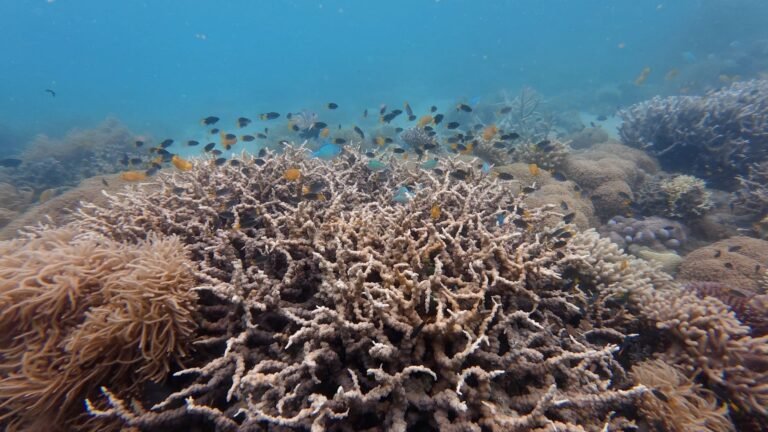
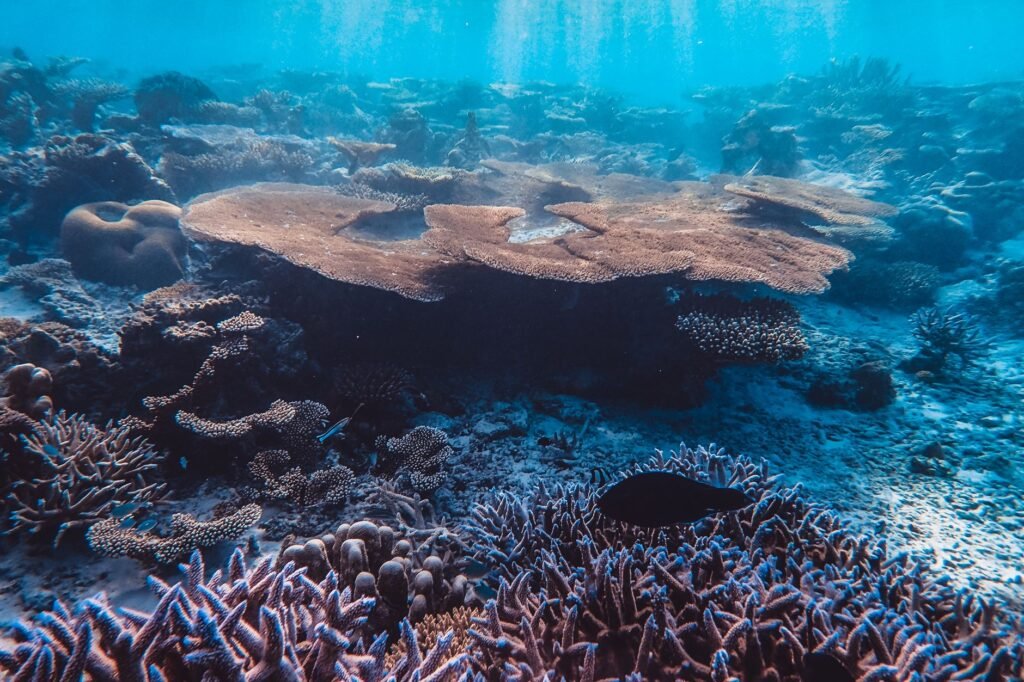
The great coral reef skyscraper is an awe-inspiring natural formation that captivates both casual visitors and seasoned divers. Located in the heart of the Great Barrier Reef, this underwater marvel boasts a complex structure of coral that resembles a skyscraper, rising dramatically from the ocean floor. Its unique shape and vibrant ecosystem make it a focal point for marine exploration and study.
This guide delves into the fascinating aspects of the great coral reef skyscraper, including its formation, the diverse marine life it supports, and practical tips for those wishing to explore this underwater wonder. Whether you’re a traveler, a marine enthusiast, or simply curious about this natural phenomenon, this article provides insights to enhance your experience.
Understanding the significance of the great coral reef skyscraper goes beyond its visual appeal. This structure plays a crucial role in maintaining the ecological balance of the marine environment. By examining the interplay of coral reefs and marine ecosystems, we can appreciate their value in biodiversity and climate regulation.
What Is the Great Coral Reef Skyscraper?
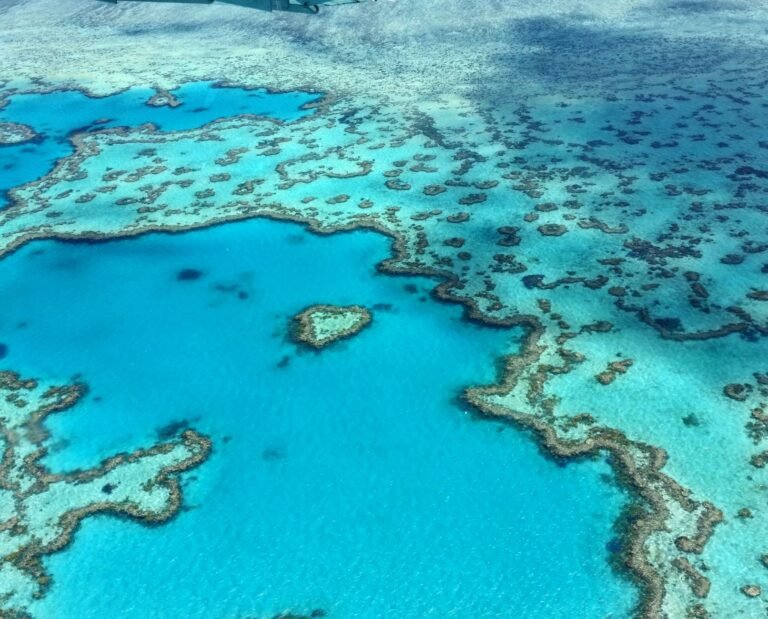
The great coral reef skyscraper is not merely a single formation but rather a part of an expansive reef system. The Great Barrier Reef, a UNESCO World Heritage Site, stretches over 2,300 kilometers along the Queensland coast of Australia and is home to thousands of individual reefs and islands. The skyscraper refers to specific coral structures that rise significantly above the seabed, creating towering formations that are often teeming with marine life.
These skyscrapers are typically formed by coral polyps, tiny organisms that secrete calcium carbonate, building intricate structures over thousands of years. The process of reef formation involves various species of corals, each contributing to the overall structure in its unique way. Environmental factors such as water temperature, sunlight, and nutrient availability influence coral growth and the development of these skyscraper-like structures.
The vertical growth of these reefs allows for diverse habitats at different depths, creating microenvironments that various marine species depend on. From the bustling surface waters to the dark depths, the great coral reef skyscraper supports an array of life, making it a crucial area for biodiversity.
Visiting the Great Coral Reef Skyscraper
Exploring the great coral reef skyscraper can be one of the most rewarding experiences for travelers seeking adventure and natural beauty. Here are some practical tips for planning your visit:
Best Time to Visit
The ideal time to explore the great coral reef skyscraper is during the Australian winter months, from June to October. During this period, the weather is typically cooler and drier, offering clearer visibility for divers and snorkelers. Additionally, marine life is often more active, making encounters with various species more likely.
However, it’s essential to consider the coral spawning season, which occurs in November and December. This phenomenon, while spectacular, can also cause changes in water conditions that might affect visibility.
Getting There
- By Air: The nearest major airport is Cairns International Airport, which offers numerous domestic and international flights.
- By Boat: Many tour operators provide boat trips to the Great Barrier Reef, with some specifically offering excursions to the skyscraper formations.
- Guided Tours: Opting for a guided tour can enhance your experience, as local guides have extensive knowledge about the reef and its ecology.
What to Expect
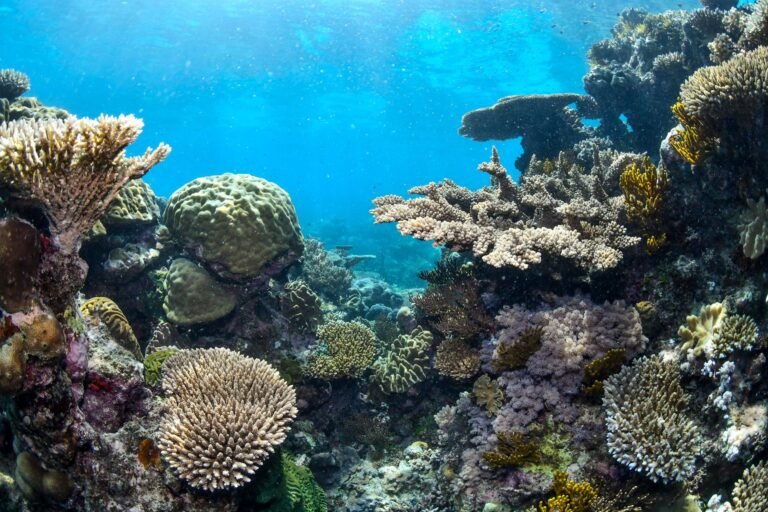
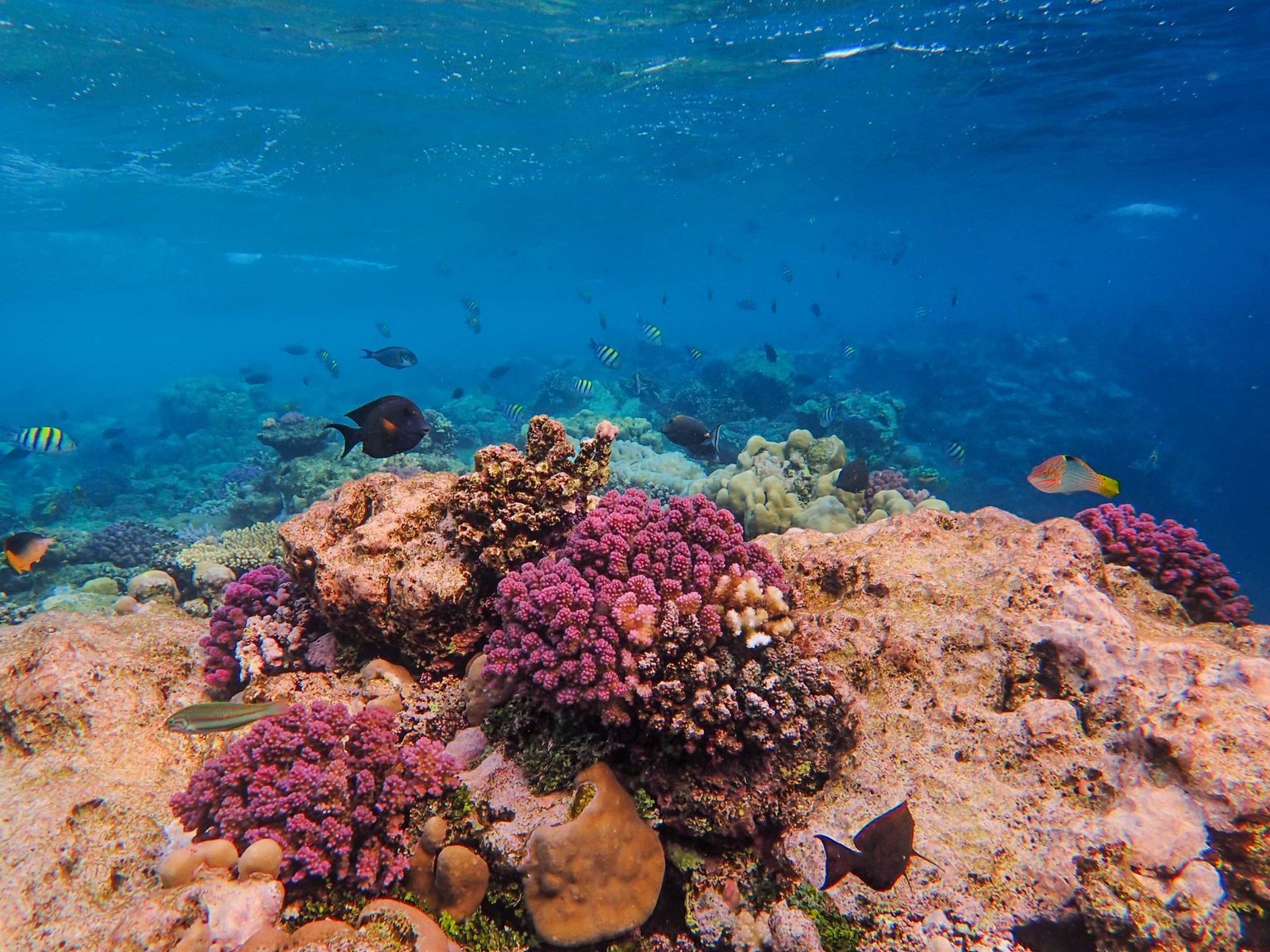
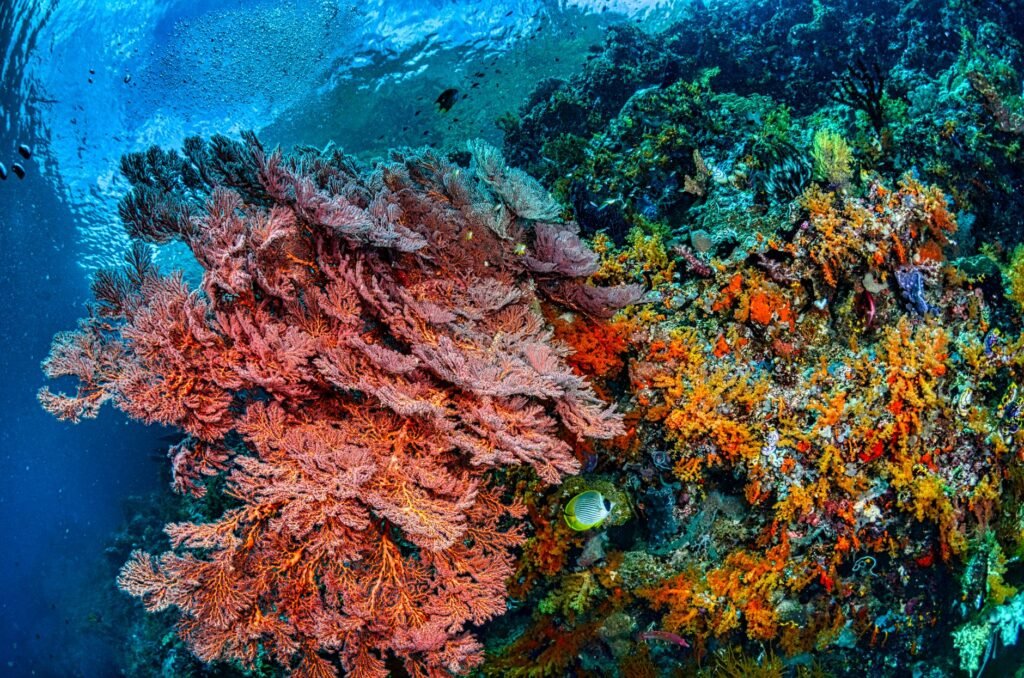
Once you arrive at the great coral reef skyscraper, prepare to be amazed by the vibrant colors and diversity of marine life. Snorkeling and diving are the best ways to explore these underwater landscapes. Expect to see a variety of coral species, schools of tropical fish, sea turtles, and maybe even larger marine life like sharks and rays.
It’s advisable to follow all safety guidelines provided by your tour operator, including environmental conservation practices. Remember to use reef-safe sunscreen to protect the delicate ecosystem.
The Ecological Importance of Coral Reefs
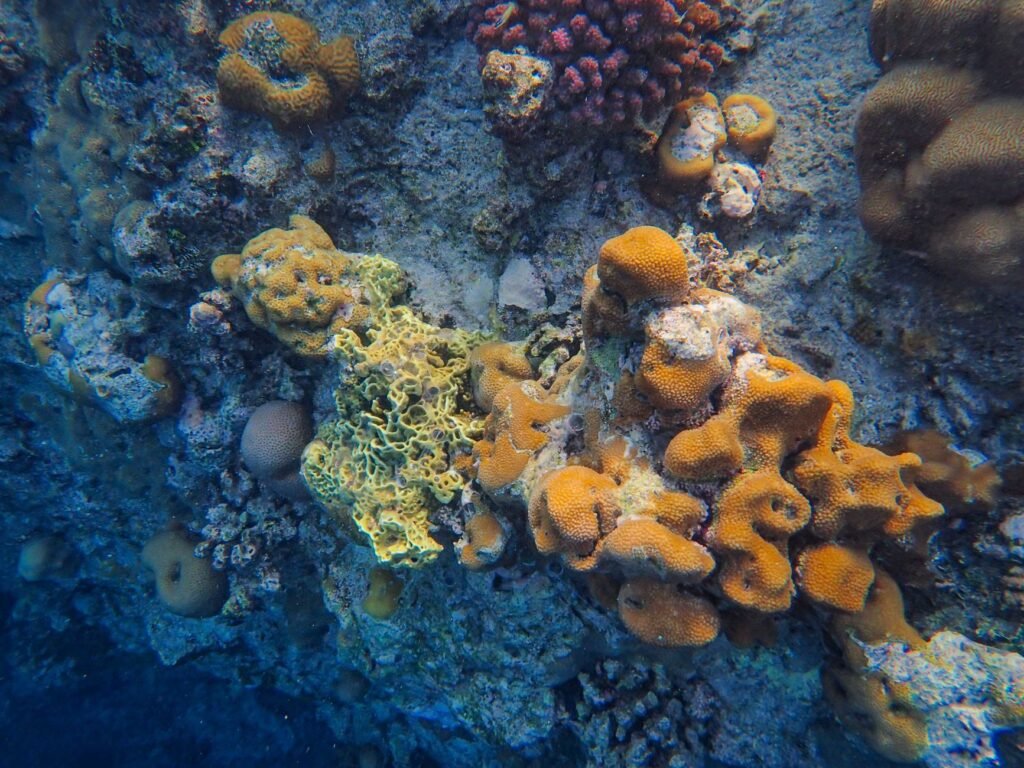
Coral reefs, including the great coral reef skyscraper, play an indispensable role in marine ecosystems. They provide habitat and food for countless marine organisms, contributing significantly to marine biodiversity. Here are some key ecological functions of coral reefs:
- Biodiversity Hotspots: Reefs support an estimated 25% of all marine species despite covering only a small percentage of the ocean floor.
- Coastal Protection: Coral reefs act as natural barriers that protect coastlines from erosion and storm surges.
- Economic Value: They contribute to local economies through tourism, fishing, and recreation.
However, coral reefs face numerous threats, including climate change, pollution, and overfishing. Understanding these challenges is crucial for promoting conservation and sustainable practices.
Conservation Efforts and Challenges
Conservation initiatives are vital to preserving the great coral reef skyscraper and the broader Great Barrier Reef. Various organizations and government bodies are actively involved in protecting these ecosystems through:
Research and Monitoring
Continuous scientific research helps understand the health of coral reefs and the impacts of environmental changes. Monitoring programs track coral health, water quality, and biodiversity, providing data crucial for effective management.
Community Engagement
Involving local communities in conservation efforts fosters stewardship and awareness. Educational programs and volunteer opportunities encourage people to participate in reef restoration projects and promote sustainable tourism practices.
Policy and Regulation
Governments implement regulations to limit damaging activities such as overfishing and coastal development. Marine protected areas (MPAs) have been established to safeguard critical habitats and ensure sustainable use of resources.

Unique Marine Life Encountered at the Great Coral Reef Skyscraper
Diverse Ecosystems Within the Structure
The Great Coral Reef Skyscraper is not just a visual marvel but also a thriving hub of biodiversity. Within its towering structure, a range of ecosystems flourish, each teeming with unique marine life. These ecosystems can be categorized into several zones, each supporting different species and biological communities.
- Coral Gardens: Vibrant patches of coral that support reef fish, mollusks, and crustaceans.
- Seagrass Beds: Vital habitats for juvenile fish and sea turtles, also providing essential services like water filtration.
- Deep Sea Areas: Home to various species that thrive in darker, cooler waters, including deep-sea fish and invertebrates.
Exploring these diverse ecosystems, visitors can witness the intricate relationships between species. For instance, the coral gardens are not only beautiful to observe but also play a crucial role in supporting the larger marine food web. The interplay between predators and prey, as well as symbiotic relationships such as that between clownfish and anemones, showcases the complexity of life beneath the waves.
Unique Species to Watch For
The Great Coral Reef Skyscraper is home to several unique species that are a delight for marine enthusiasts. Among these, the following stand out for their distinct characteristics and behaviors:
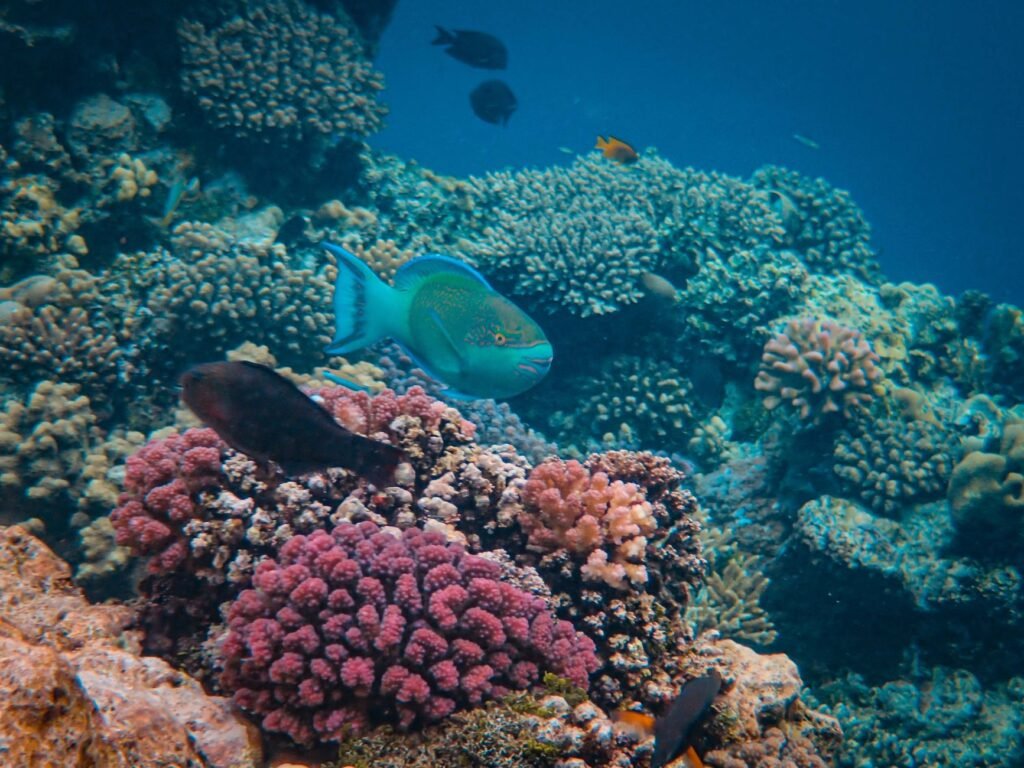
- Parrotfish: Known for their bright colors and beak-like teeth, parrotfish play a vital role in reef health by grazing on algae.
- Sea Turtles: Different species of sea turtles, including the endangered Hawksbill and Green turtles, frequent the area, often spotted grazing on seagrass.
- Clownfish: Often found among anemones, these fish are famous for their vibrant colors and intriguing symbiotic relationships.
Visitors often participate in snorkeling and diving excursions where they can observe these species in their natural habitat. Guided tours provide insights into their behaviors, and the importance of conserving these species is emphasized to help protect their populations.
Marine Conservation Programs
To protect the unique marine life at the Great Coral Reef Skyscraper, several marine conservation programs have been established. These programs aim to educate visitors and locals about the significance of preserving marine ecosystems while promoting sustainable tourism practices.
- Coral Restoration Projects: These projects involve planting new corals and rehabilitating damaged areas of the reef.
- Monitoring Programs: Regular assessments of marine life populations help track the health of the ecosystems.
- Community Involvement: Local communities are engaged in conservation efforts, providing education and resources to sustainably manage marine resources.
Participating in these programs not only enhances the visitor experience but also contributes to the long-term health of the reef, making it a shared responsibility between tourists and conservationists.
Adventure Activities at the Great Coral Reef Skyscraper
Snorkeling and Diving Experiences
The Great Coral Reef Skyscraper offers unparalleled snorkeling and diving opportunities for adventurers of all skill levels. The clear waters surrounding the skyscraper provide an ideal environment for exploring the vibrant underwater landscapes. Various dive shops and tour operators provide guided experiences tailored to different experience levels.
- Beginner Snorkeling: Suitable for those new to the underwater world, guided tours ensure safe exploration of shallow reefs.
- Advanced Diving: Experienced divers can explore deeper sections of the reef, with opportunities to encounter larger marine species.
- Night Diving: A unique experience where divers can witness nocturnal marine life and the reef’s transformation after sunset.
These activities not only provide thrills but also foster a deeper appreciation for marine ecosystems. Participants often report transformative experiences underwater, where the beauty of the coral reefs leaves lasting impressions.
Kayaking and Paddleboarding
For those looking to explore the Great Coral Reef Skyscraper at a more leisurely pace, kayaking and paddleboarding are excellent options. These activities allow visitors to navigate the tranquil waters and get up close to the natural beauty of the reefs without disturbing the marine life.
- Guided Kayak Tours: Led by local experts, these tours provide insights into the marine ecosystem, including the flora and fauna.
- Self-Guided Rentals: For those wanting independence, kayak and paddleboard rentals are available, allowing for exploration at your own pace.
- Eco-Tours: Tours designed to educate participants on the importance of marine conservation while enjoying the scenery.
Kayaking and paddleboarding not only promote physical activity but also provide a unique vantage point for observing marine life. The serenity of gliding over calm waters enhances the connection to nature, making it a memorable part of the visit.
Wildlife Spotting Tours
Wildlife spotting tours at the Great Coral Reef Skyscraper offer an exciting chance to see marine animals in their natural habitat. These tours are led by knowledgeable guides who share information about the various species and their behaviors. Participants can expect to encounter an array of wildlife, including:
- Dolphins: Often seen swimming playfully around the reef, these intelligent creatures are a highlight for many visitors.
- Whales: Depending on the season, migratory whales may be spotted in the deeper waters nearby.
- Birds: The area is also a habitat for various seabirds, providing additional opportunities for wildlife enthusiasts.
These tours not only offer thrilling encounters but also educate participants about the importance of marine ecosystems and the need for conservation efforts. Observing these magnificent creatures in their natural surroundings fosters a greater appreciation for biodiversity.
Accommodation and Amenities Near the Great Coral Reef Skyscraper
Where to Stay
When planning a trip to the Great Coral Reef Skyscraper, choosing the right accommodation is crucial for a comfortable and enjoyable experience. The area offers a range of lodging options, from luxury resorts to budget-friendly hostels, catering to different preferences and budgets.
- Luxury Resorts: Several high-end resorts provide stunning views of the reef, offering amenities such as spas, fine dining, and direct access to marine activities.
- Mid-Range Hotels: Comfortable and well-located, these hotels often include breakfast and easy access to tour operators.
- Budget Hostels: For travelers on a budget, hostels provide a social atmosphere and affordable lodging, often organizing group tours.
Choosing the right accommodation not only enhances the visitor experience but also supports the local economy. Many resorts and hotels engage in sustainable practices, contributing positively to the environment.
Dining Options
Dining near the Great Coral Reef Skyscraper offers a delightful array of culinary experiences, showcasing local flavors and fresh seafood. Restaurants in the area focus on sustainability, often sourcing ingredients locally to minimize environmental impact.
- Seafood Restaurants: Many establishments specialize in fresh catches, offering dishes like grilled fish, seafood platters, and local specialties.
- International Cuisine: From Italian to Asian, restaurants offer a diverse range of options to cater to various tastes.
- Cafés and Bistros: Perfect for a quick bite, local cafés serve delicious coffee and light meals, ideal for a day of exploration.
Dining experiences can be enhanced by waterfront views, allowing diners to enjoy the beauty of the ocean while savoring local dishes. Many restaurants also provide information about sustainable practices, encouraging visitors to make eco-conscious choices.
Local Services and Amenities
To ensure a smooth visit to the Great Coral Reef Skyscraper, local services and amenities play a vital role. Visitors will find essential services that enhance their experience, including:
- Tour Operators: Numerous operators offer guided tours, equipment rentals, and transportation to and from the reef.
- Medical Services: Healthcare facilities are available, ensuring that visitors have access to medical assistance if needed.
- Shopping: Local shops sell souvenirs, marine gear, and eco-friendly products, allowing visitors to support local artisans.
Having access to these services helps visitors feel secure and supported during their stay. Local vendors often prioritize sustainability, further enhancing the eco-friendly experience of visiting the Great Coral Reef Skyscraper.
Frequently Asked Questions
What is the best way to explore the great coral reef skyscraper?
Snorkeling and diving are the most effective ways to explore the great coral reef skyscraper. Guided tours can enhance your experience by providing insights into the marine ecosystem.
Is there an entrance fee to visit the Great Barrier Reef?
While there is no entrance fee for the reef itself, tour operators typically charge for excursions, which can vary based on the services offered.
What wildlife can I expect to see at the great coral reef skyscraper?
Diverse marine life is found in the area, including colorful coral species, tropical fish, sea turtles, and occasionally larger species such as sharks and dolphins.
Are there any safety precautions I should take while visiting?
Yes, ensure you follow safety guidelines provided by your tour operator, use reef-safe sunscreen, and avoid touching coral to protect this fragile ecosystem.
The Bottom Line
The great coral reef skyscraper is a remarkable example of nature’s artistry and ecological significance. By understanding its formation, visiting responsibly, and engaging in conservation efforts, we can appreciate and protect this unique underwater wonder for future generations.
Visa rules, prices and opening times change. Always confirm details with official sources before you travel.