Turning Holiday Disaster Into Success: An Irish Backpacker’s Journey
Discover how an Irish backpacker turned a holiday disaster into a million euro business, transforming challenges into opportunities.
Travel often leads to unexpected challenges, and for some, these challenges can shape incredible business ventures. This is the story of how an Irish backpacker turned holiday disaster into a million euro business. The journey showcases resilience, creativity, and the ability to adapt to unforeseen circumstances. Many travelers face difficulties, but not everyone seizes the opportunity to convert these obstacles into pathways for success.
In this article, we will explore the experiences that triggered this entrepreneurial journey, the practical steps taken to build a successful business from scratch, and the lessons learned along the way. By sharing this journey, we aim to inspire others who may find themselves in similar situations, encouraging them to think outside the box and transform challenges into opportunities.
Whether you are an aspiring entrepreneur or a curious traveler, there are valuable insights to glean from this story. Let’s take a closer look at how one individual’s misfortune on the road became a thriving business.
The Holiday Disaster: A Catalyst for Change
Every great story often has a turning point, and for our Irish backpacker, it began during a solo trip through Southeast Asia. Initially, the trip was planned to be a relaxing getaway filled with exploration and adventure. However, a series of unfortunate events turned this holiday into a disaster. From lost luggage to missed flights, the setbacks were numerous.
One memorable incident involved a last-minute cancellation of a key flight, leaving our backpacker stranded in a foreign country with limited resources and no clear plan. This unexpected situation forced a reevaluation of priorities and options. Instead of succumbing to despair, the backpacker began to document the experiences, capturing the essence of travel mishaps and the valuable lessons learned.
This documentation became a source of inspiration. By reflecting on the challenges faced, the backpacker realized the importance of adaptability and resilience. These experiences were not just setbacks; they were lessons that could resonate with other travelers. Thus, the idea for a business began to form: a platform dedicated to sharing travel advice, tips, and resources aimed at helping fellow travelers navigate their own challenges.
Identifying the Business Concept
With the seed of an idea planted, the next step was identifying the core concept of the business. The backpacker decided to leverage the documented experiences, transforming them into a well-rounded platform that would provide practical travel guides, itineraries, and essential tips for fellow adventurers. The goal was to create a resource that not only informed but also inspired.
To refine the concept, the backpacker conducted informal surveys among fellow travelers encountered during the journey. Feedback was gathered on what aspects of travel they found most challenging. Key insights included:
- Difficulty in finding reliable travel information.
- Challenges related to budgeting and planning itineraries.
- The need for real-life examples and relatable content.
This feedback helped shape the vision of the business. The platform would focus on providing practical, trustworthy travel guides that addressed these specific challenges. By sharing personal anecdotes and tips, the backpacker aimed to create a relatable and engaging experience for users.
Building the Business: Practical Steps
Transforming an idea into a functioning business required careful planning and execution. The backpacker started by outlining a business plan that included objectives, target audience, and revenue streams. Here are some practical steps taken to build the business:
- Creating a Website: A user-friendly website was established as the primary platform for sharing content. It included sections for travel guides, itineraries, and a blog featuring personal stories and insights.
- Content Creation: The backpacker began writing detailed articles based on personal experiences and research. This content was designed to be informative, engaging, and practical, making it easy for readers to apply the advice in their own travels.
- Social Media Engagement: To reach a wider audience, social media accounts were created. Regular posts included travel tips, stunning photos from the journey, and interactive content that encouraged engagement.
- Monetization Strategies: Various revenue streams were explored, including affiliate marketing, sponsored content, and offering personalized travel consulting services.
Through consistent effort and dedication, the platform began to gain traction. Readers appreciated the authenticity and relatability of the content, leading to an increasing number of visitors and followers.

Marketing and Growing the Brand
As the business started to take off, the next challenge was marketing the brand effectively. The backpacker employed several strategies to increase visibility and attract a larger audience:
- Search Engine Optimization (SEO): Implementing SEO best practices helped improve the website’s ranking on search engines, making it easier for potential readers to find the content.
- Collaborations: Partnering with other travel bloggers and influencers created opportunities for cross-promotion. Guest posts and shared content broadened the reach.
- Engaging with the Audience: Building a community around the brand was essential. The backpacker actively engaged with readers through comments, emails, and social media, encouraging feedback and fostering a sense of connection.
These marketing efforts contributed to steady growth. Over time, the platform evolved into a respected resource within the travel community, attracting a loyal following and generating revenue.
Challenges Faced Along the Way
The journey of entrepreneurship is rarely smooth, and the backpacker faced numerous challenges along the way. Some of the most significant hurdles included:
- Initial Financial Strain: Building the business required investment, and the backpacker had to manage finances carefully to avoid overspending.
- Content Saturation: The online travel space is competitive. Standing out required continuous innovation and high-quality content that resonated with the audience.
- Time Management: Balancing content creation, marketing, and personal life proved challenging. Effective time management strategies were crucial for maintaining productivity.
Despite these obstacles, each challenge presented an opportunity for growth. The backpacker learned to pivot and adapt, developing resilience and problem-solving skills that would prove invaluable in the business journey.

Lessons Learned: Insights from the Journey
Reflecting on the journey, several key lessons emerged that can benefit aspiring entrepreneurs and travelers alike:
- Embrace Failure: Challenges can be powerful teachers. Each setback provides valuable insights that can inform future decisions.
- Stay Authentic: Authenticity resonates with audiences. Sharing genuine experiences and lessons makes content relatable and engaging.
- Network and Collaborate: Building relationships within the travel community opens doors to new opportunities and insights.
- Adaptability is Key: The ability to pivot and adjust plans in response to changing circumstances is crucial in both travel and business.
These lessons not only shaped the backpacker’s business approach but also contributed to personal growth and resilience.

Rebuilding Confidence Through Travel
Overcoming Fear of Travel
After a disastrous holiday experience, many travelers may find themselves hesitant to embark on new adventures. This feeling of trepidation can be paralyzing, but it is essential to confront these fears head-on. A strategic approach to gradually reintroducing travel into one’s life can help rebuild confidence.
Start by taking short trips to nearby destinations before planning larger journeys. This allows for a manageable way to ease back into travel while providing the opportunity to rediscover the joy of exploring new places. Additionally, consider traveling with a trusted friend or family member who can offer support and encouragement during these initial excursions.
- Plan a day trip to a local attraction.
- Stay overnight in a nearby town.
- Join a group tour to share the experience with others.
Embracing New Travel Styles
One way to regain confidence is to explore different styles of travel. Instead of sticking to traditional itineraries that may feel overwhelming, consider alternative approaches that align with personal interests. For example, volunteer travel, wellness retreats, or nature-focused trips can provide enriching experiences without the pressure of conventional tourism.
Adventure travel is another option to consider; it encourages a sense of exploration and spontaneity, allowing travelers to embrace the unexpected. These types of journeys can help shift focus from past experiences to future possibilities, making them instrumental in the healing process.
- Volunteer in conservation projects.
- Attend a yoga retreat for relaxation and self-discovery.
- Embark on a hiking expedition in a national park.
Building a Support Network
Connecting with others who have faced similar travel challenges can be incredibly beneficial. Online forums, social media groups, and local travel clubs provide platforms for sharing experiences, advice, and encouragement. Engaging with a community can help normalize feelings of anxiety and provide practical tips for overcoming travel-related fears.
Consider attending workshops or seminars focused on travel experiences. These gatherings often feature guest speakers who share their stories, offering inspiration and motivation. Establishing a network of supportive peers can be a powerful tool in the journey to reclaiming a love for travel.
Incorporating Mindfulness into Travel
The Importance of Mindfulness
Mindfulness is the practice of being present in the moment, which can transform the travel experience. By incorporating mindfulness techniques into travel, individuals can reduce stress, enhance enjoyment, and create lasting memories. This approach encourages travelers to appreciate their surroundings and engage fully with each experience.
Practicing mindfulness while traveling can involve simple techniques such as focusing on breathing, savoring meals, or taking time to reflect on the day’s experiences. These practices can help cultivate a deeper connection to the journey and foster a greater appreciation for the world around us.
- Begin each day with a short meditation session.
- Keep a travel journal to reflect on experiences and emotions.
- Engage in sensory activities like tasting local cuisine or observing nature.
Mindful Travel Practices
To implement mindfulness during travel, consider adopting specific practices that align with this focus. For example, setting aside time for daily meditation or journaling can help ground you in the present. Additionally, engaging in activities like yoga or tai chi in serene outdoor settings can enhance the overall experience.
Mindfulness can also be integrated into the way you interact with locals and cultures during your travels. Taking the time to learn a few phrases in the local language, participating in traditional customs, or volunteering in the community can create meaningful connections and enrich the travel experience.
- Join a local class to learn a traditional craft.
- Participate in community service projects.
- Attend cultural events or festivals.
Documenting the Journey Mindfully
Documenting travel experiences can be a mindful practice in itself. Instead of focusing solely on capturing perfect photographs, consider taking a moment to absorb the scenery and emotions. Create a visual diary that captures not just the sights, but also the feelings associated with each location.
Using a small notebook or sketchbook can help you document thoughts, sketches, or even poems inspired by your travels. This process allows for a reflective approach, helping to solidify memories and foster a deeper understanding of the journey.
Turning Travel Stories into Opportunities
Sharing Experiences Through Blogging
One of the most effective ways to turn a travel journey into an opportunity is by sharing experiences through blogging. Writing about your adventures can help process emotions and inspire others to embark on their journeys. A travel blog can serve as a creative outlet and a platform for connecting with like-minded individuals.
Consider focusing your blog on unique aspects of your travels, such as overcoming challenges, discovering hidden gems, or exploring various cultures. By providing valuable insights and tips, you can build a loyal readership and potentially monetize your blog through affiliate marketing, sponsored posts, or selling travel-related products.
- Choose a niche that resonates with you.
- Utilize social media to promote your blog.
- Engage with your audience through comments and discussions.
Creating Travel-Inspired Products
Your travel experiences can also inspire tangible products. Consider creating travel journals, guides, or merchandise that reflects your journey. This can range from practical items like packing lists and itineraries to artistic representations of your travels through photography or illustrations.
Utilizing platforms like Etsy or personal websites can help showcase and sell these products. Not only does this provide an additional income stream, but it also allows you to share your passion for travel with others, inspiring them to embark on their own adventures.
- Design travel-themed apparel.
- Offer customized travel planning services.
- Develop a line of travel accessories, such as packing cubes or organizers.
Hosting Workshops and Events
Another avenue to turn travel experiences into opportunities is by hosting workshops or events. These can range from sharing travel tips and itineraries to conducting photography classes in picturesque locations. Engaging with others in a teaching capacity not only reinforces your knowledge but also fosters community and connection.
Consider partnering with local businesses or organizations to host events that benefit both parties. This collaboration can increase visibility for your brand while providing valuable resources to your audience. Whether it’s a travel-themed seminar or a local adventure outing, these events can lead to new connections and opportunities.
- Organize travel workshops in your community.
- Collaborate with local tourism boards for event promotion.
- Offer online webinars for a broader audience.
Frequently Asked Questions
What inspired the Irish backpacker to start a business?
The inspiration came from a series of travel mishaps that highlighted the need for practical travel advice and relatable content for fellow travelers.
How did the backpacker monetize the business?
Monetization strategies included affiliate marketing, sponsored content, and offering personalized travel consulting services.
What challenges did the backpacker face while building the business?
Challenges included initial financial strain, content saturation in a competitive market, and managing time effectively.
What key lessons were learned from the journey?
Key lessons included embracing failure, staying authentic, networking, and the importance of adaptability.
The Bottom Line
The story of how an Irish backpacker turned a holiday disaster into a million euro business serves as a testament to the power of resilience, creativity, and adaptability. By transforming personal challenges into valuable resources for others, the backpacker not only built a successful business but also created a community of engaged travelers. This journey illustrates that setbacks can indeed become stepping stones toward success, inspiring others to embrace their own challenges with optimism.
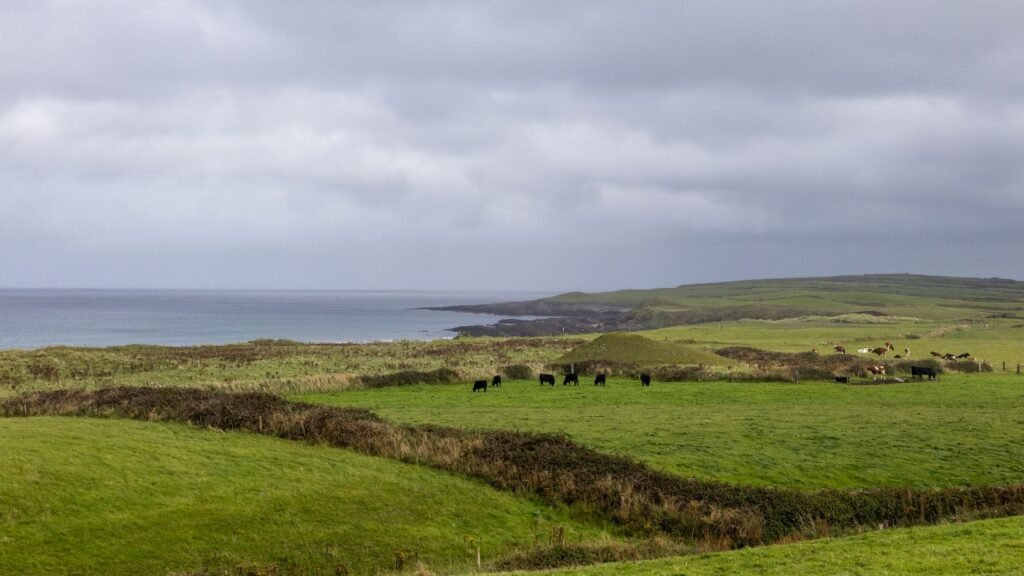
<!–img:irish countryside landscape|A picturesque view of the Irish countryside, symbolizing the backpacker's roots.
Visa rules, prices and opening times change. Always confirm details with official sources before you travel.