Discovering Outback Queensland: A Road Trip Itinerary
Explore the best road trip itinerary for Outback Queensland, from must-see destinations to practical travel tips.
Outback Queensland is a region that captivates travelers with its rugged beauty, rich cultural heritage, and endless adventures. A road trip through this part of Australia offers an unparalleled experience of vast landscapes, unique wildlife, and indigenous history. This guide provides a comprehensive road trip itinerary to help you explore the best of Outback Queensland.
Whether you are a solo traveler, a couple, or a family, this itinerary is designed to ensure you make the most of your time in the Outback. From iconic landmarks to lesser-known gems, we’ve covered everything you need to know about traveling this remarkable area.
Before you hit the road, it’s essential to plan your journey, including the best times to visit, vehicle preparation, and safety tips. Let’s embark on this adventure together!
Planning Your Road Trip
Planning a road trip in Outback Queensland requires careful consideration of several factors. The vast distances, varying weather conditions, and unique landscapes make it essential to prepare adequately.
First, choose your travel dates wisely. The ideal time to explore Outback Queensland is during the cooler months, from April to September, when temperatures are more comfortable for outdoor activities. Summer can bring extreme heat, and many areas may be less accessible due to rain.
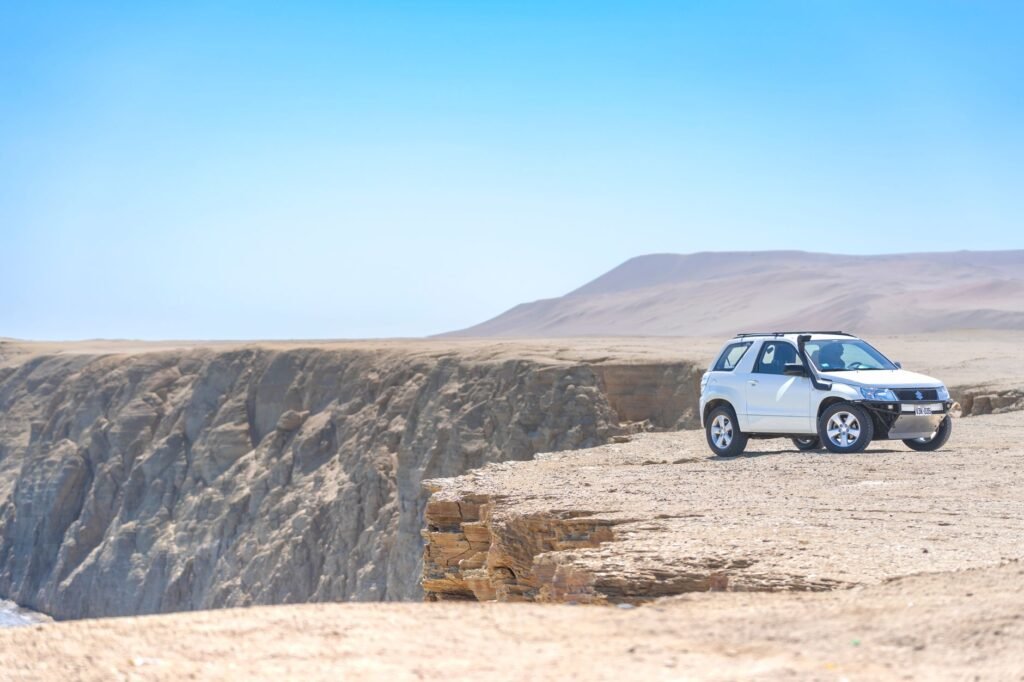
Second, consider your vehicle options. A 4WD is highly recommended for navigating unsealed roads and reaching remote areas. Ensure your vehicle is in good condition, equipped with a spare tire, first aid kit, extra fuel, and water supply.
Day 1: Brisbane to Toowoomba
Your adventure begins in Brisbane, Queensland’s vibrant capital. Drive west to Toowoomba, known for its beautiful parks and gardens. The journey takes about 1.5 hours and offers scenic views of the countryside.
In Toowoomba, visit the famous Japanese Gardens, where you can stroll through lush landscapes and enjoy a tranquil atmosphere. Next, head to the Cobb & Co Museum, which showcases the region’s transport history and offers insights into the early days of Australian travel.
For accommodation, consider staying at a local motel or a charming bed and breakfast. Enjoy dinner at a local restaurant, trying out some traditional Australian cuisine.
Day 2: Toowoomba to Dalby
On day two, drive from Toowoomba to Dalby, a small town approximately 80 kilometers away. This drive takes about one hour, making it an easy morning trek.
Dalby offers several attractions, including the Dalby Historical Museum, where you can learn about the town’s heritage. If you’re interested in agriculture, consider visiting the nearby Jimbour House, a historic homestead surrounded by beautiful gardens.
After exploring Dalby, spend the night at a local hotel or camping ground, enjoying the starry night sky that the Outback is famous for.
Day 3: Dalby to Roma
The next leg of your journey takes you from Dalby to Roma, a drive of about 90 kilometers that will take approximately 1.5 hours. Roma is known as the gateway to the Outback and is rich in history.
In Roma, visit the Big Rig, a fascinating attraction that tells the story of the oil and gas industry in the region. Don’t miss the Roma’s famous Bottle Tree, a unique and iconic sight. If you’re a fan of local produce, check out the Roma Markets for fresh fruits and vegetables.
Spend the night in Roma, where you’ll find a range of accommodation options, from motels to caravan parks.
Day 4: Roma to Carnarvon Gorge
Leaving Roma, set your sights on Carnarvon Gorge, a stunning national park approximately 130 kilometers away, which should take about two hours. The gorge is renowned for its dramatic cliffs, lush rainforest, and Aboriginal rock art.
Upon arrival, take the time to explore the many walking trails within the park. The Moss Garden and the Art Gallery walk are particularly popular and showcase the region’s natural beauty and cultural heritage. Be sure to carry sufficient water and wear sturdy hiking shoes.
Camping is available within the park, offering a unique opportunity to immerse yourself in the natural surroundings. Alternatively, you can find accommodation in nearby towns.
Day 5: Exploring Carnarvon Gorge
Dedicate an extra day to explore more of Carnarvon Gorge. With so much to see, this park deserves your attention. Start your day early to take advantage of the cooler temperatures.
Consider joining a guided tour to learn about the local flora, fauna, and the significance of the rock art to the Aboriginal people. Engage with the landscape by taking part in ranger-led activities or simply enjoy a quiet moment by the creek.
After a day of exploration, relax at your campsite or accommodation and reflect on the incredible experiences you’ve had.
Day 6: Carnarvon Gorge to Longreach
On Day 6, head towards Longreach, a journey of roughly 230 kilometers that will take about three hours. Longreach is the heart of the Outback and home to significant Australian history.
Visit the Australian Stockman’s Hall of Fame, where you can learn about the pioneering stockmen and women who shaped the region. Another must-see is the Qantas Founders Museum, which celebrates the history of Australia’s national airline.
For accommodation, Longreach offers a variety of options, including hotels and caravan parks. Enjoy a local pub dinner, often featuring hearty Australian fare.
Day 7: Longreach to Winton
Leaving Longreach, head to Winton, approximately 180 kilometers away, which should take about two hours. Winton is famous for its connection to the dinosaurs and Australian music history.
Visit the Australian Age of Dinosaurs Museum, where you can see real dinosaur fossils and learn about prehistoric life. Don’t miss the Waltzing Matilda Centre, celebrating the beloved Australian song.
Stay overnight in Winton, where options range from motels to charming B&Bs. Engage with locals to learn about their stories and experiences in the Outback.
Day 8: Winton to Mount Isa
Your journey continues from Winton to Mount Isa, which is about 500 kilometers away and takes approximately six hours. This drive reveals the vastness of the Outback.
In Mount Isa, delve into the mining history of the region at the Hard Times Mine tour, where you can experience what it’s like to work underground. For some relaxation, explore the local parks or take a stroll along the river.
Mount Isa offers various accommodations, including hotels and camping options. Consider enjoying dinner at a local restaurant, sampling the region’s unique flavors.
Day 9: Mount Isa to Birdsville
On Day 9, take a long drive to Birdsville, approximately 650 kilometers away, which can take up to seven hours. This remote area exemplifies the Outback’s rugged charm.
Birdsville is famous for its annual races and the iconic Birdsville Hotel. Take time to explore the surrounding desert landscapes, and if you’re feeling adventurous, consider a guided tour to the Simpson Desert.
Spend the night at a local hotel or camping site, soaking in the unique atmosphere of this remote town.

Day 10: Birdsville to Back Home
As your road trip comes to an end, begin your journey back home. Depending on your route, you may want to stop at various points of interest along the way, revisiting places you loved or discovering new sights.
Reflect on your experiences in Outback Queensland, from the stunning landscapes to the rich culture and history you’ve encountered. Take with you unforgettable memories and a deeper appreciation of this unique part of Australia.
Understanding the Unique Flora and Fauna of Outback Queensland
Native Plants
The Outback of Queensland is home to an astonishing variety of native plants, many of which have adapted to the harsh, arid conditions of the region. From the iconic eucalyptus trees to the resilient spinifex grass, the plant life in the Outback tells a story of survival and adaptation. The rich diversity of these plants not only enhances the beauty of the landscape but also supports the local ecosystems.
Here are some notable native plants you might encounter:
- Eucalyptus: These trees are crucial for local wildlife, providing habitat and food.
- Acacia: Known for their vibrant yellow flowers, acacias are drought-resistant and play a role in soil health.
- Spinifex: A hardy grass that stabilizes sandy soils and is vital for many animal species.
- Grevillea: These flowering plants attract birds and insects, contributing to the biodiversity of the area.
Wildlife Spotting Opportunities
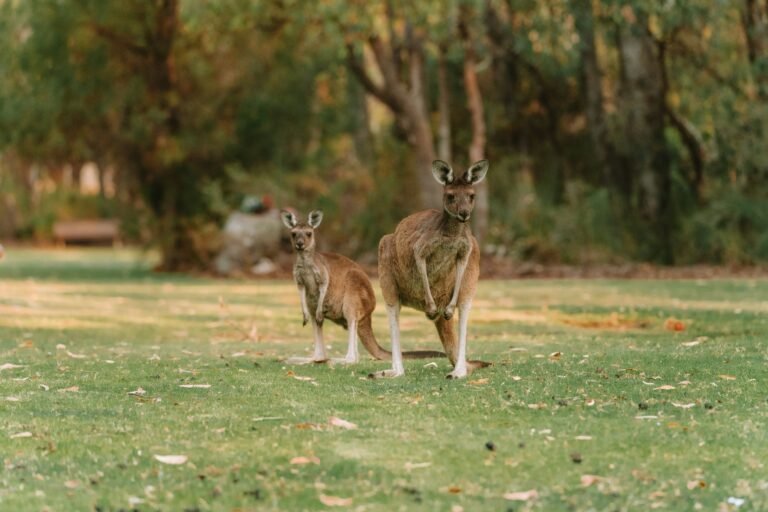
The Outback is a sanctuary for a wide variety of wildlife, offering numerous opportunities for spotting unique species in their natural habitats. From kangaroos and emus to a plethora of bird species, the region is a paradise for wildlife enthusiasts and photographers. Early morning and late afternoon are the best times for sightings, as animals are more active during these cooler parts of the day.
If you’re keen on wildlife watching, consider visiting:
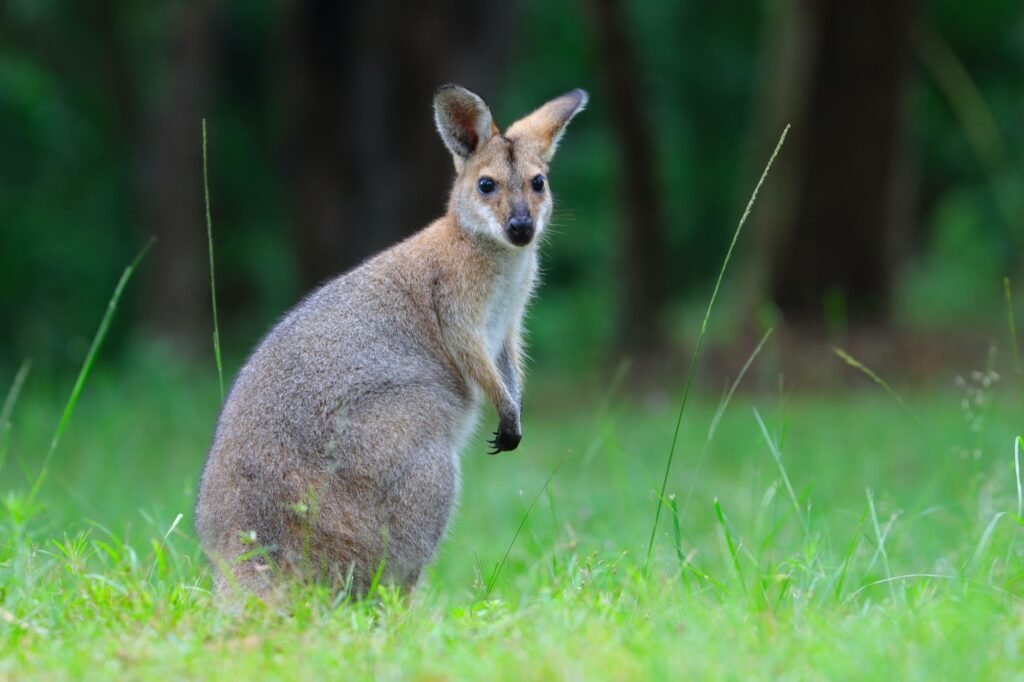
- Carnarvon Gorge: Known for its diverse ecosystems, you can spot wallabies, echidnas, and a range of bird species.
- Longreach: The region is famous for its kangaroo population, particularly around the Thompson River.
- Lake Moondarra: A great spot for birdwatching, especially migratory birds.
Conservation Efforts
With the unique biodiversity of the Outback comes the responsibility of conservation. Numerous organizations and local communities are dedicated to preserving the natural environment. Visitors can support these efforts by participating in eco-tours and respecting wildlife regulations.
Key conservation initiatives include:
- Habitat Restoration: Projects aimed at restoring native flora and fauna by removing invasive species and planting indigenous plants.
- Wildlife Corridors: Initiatives to create safe passages for animals between fragmented habitats.
- Community Awareness Programs: Educational campaigns focused on the importance of biodiversity and conservation.
Cultural Experiences in Outback Queensland
Indigenous Culture
Outback Queensland is rich in Indigenous culture, with several opportunities to learn about the traditions and history of the Aboriginal peoples who have inhabited this land for thousands of years. Engaging with local Indigenous communities can provide enlightening experiences that deepen your understanding of the region’s heritage.
Consider visiting:
- Cultural Centres: Many towns have cultural centres that offer workshops, storytelling sessions, and guided tours led by Indigenous guides.
- Art Galleries: Discover traditional and contemporary Indigenous art, which often conveys the stories and spirituality of the land.
- Community Events: Check local calendars for festivals and events that celebrate Indigenous culture, complete with traditional music and dance.
Historical Sites
The Outback is dotted with historical sites that tell the story of its colonial past and the development of the region. Exploring these sites can give you a deeper appreciation for the history and resilience of the communities that have thrived here.
Some significant historical sites include:
- Old Cork Station: A historic sheep station that provides insight into the pastoral heritage of the Outback.
- The QANTAS Founders Museum: Located in Longreach, this museum showcases the history of Australia’s national airline and its impact on the Outback.
- Historic Winton: Known for its rich fossil history and the role it played in the development of the Australian film industry.
Local Festivals and Events
Throughout the year, Outback Queensland hosts a variety of festivals and events that celebrate local culture, agriculture, and community spirit. Participating in these events can enhance your road trip experience and connect you with the locals.
Popular events include:
- Winton’s Dinosaur Festival: A celebration of the town’s prehistoric past with parades, markets, and educational activities.
- Longreach’s Outback Festival: This biennial festival features a range of events, from rodeos to live music, showcasing the spirit of the Outback.
- Birdsville Races: Known as the ‘Melbourne Cup of the Outback,’ this event draws visitors from all over Australia for a weekend of horse racing and festivities.
Practical Tips for Traveling in the Outback
Driving Safety
Driving in Outback Queensland can be a unique experience, but it comes with its own set of challenges. Understanding the road conditions and preparing adequately can ensure a safe and enjoyable journey. Most roads in the Outback are unsealed, and inclement weather can create hazards.
Key tips for safe driving include:
- Check Road Conditions: Always check local conditions before setting off, as many roads can become impassable after rain.
- Fuel Up: Fuel stations can be sparse; make sure to fill up whenever you can and carry extra fuel.
- Wildlife Awareness: Be cautious of wildlife crossing the roads, especially at dawn and dusk.
Accommodation Options
Finding accommodation in the Outback can vary from luxurious lodges to rustic campsites. Depending on your preferences, there are numerous options to suit different budgets and experiences. Booking in advance is recommended, especially during peak travel seasons.
Accommodation types include:
- Hotels and Motels: Many towns offer comfortable hotels and motels with essential amenities.
- Camping Grounds: Experience the great outdoors by camping in designated areas, often near scenic landscapes.
- Eco-Lodges: For a unique experience, consider staying in eco-friendly lodges that promote sustainability.
Essential Packing List
When embarking on a road trip through Outback Queensland, proper packing is essential to ensure you have everything you need for a safe and enjoyable adventure. The Outback can be remote, and access to services may be limited.
Consider bringing the following items:
- Water: Always carry plenty of drinking water, as dehydration can occur quickly in the heat.
- First Aid Kit: A well-stocked first aid kit can be invaluable in case of minor injuries.
- Navigation Tools: A GPS device or reliable maps to help you navigate remote areas.
- Sun Protection: Sunscreen, hats, and sunglasses are essential to protect against the harsh sun.
Frequently Asked Questions
What type of vehicle is best for a road trip in Outback Queensland?
A 4WD is highly recommended due to the unsealed roads and remote areas you will encounter. Ensure your vehicle is well-maintained and equipped for the journey.
When is the best time to visit Outback Queensland?
The best time to visit is during the cooler months from April to September. Summer can bring extreme heat and rain, making some roads impassable.
Are there camping options available in the Outback?
Yes, there are numerous camping options available in national parks and towns. It’s advisable to book in advance during peak seasons.
What safety precautions should I take while driving in the Outback?
Always inform someone of your travel plans, carry a first aid kit, and be aware of wildlife on the roads. Ensure you have sufficient fuel and water for the journey.
The Bottom Line
Embarking on a road trip through Outback Queensland is an adventure filled with breathtaking landscapes, rich culture, and unique experiences. With careful planning, you can explore iconic destinations and hidden gems, making memories that will last a lifetime. Embrace the spirit of the Outback and enjoy every moment of your journey.
Visa rules, prices and opening times change. Always confirm details with official sources before you travel.