Australia is a country of incredible contrasts. From the golden shores of Queensland to the red heart of the Outback and the lively culture of Melbourne, every corner offers a completely unique atmosphere. Yet the experience of discovering these remarkable destinations can vary dramatically depending on when you choose to travel. Understanding the difference between peak and off season travel in Australia is not just about finding better prices; it is about unlocking the best version of your journey.
- Choose season by region and climate: northern tropics have wet (Nov–Apr) and dry (May–Oct); southern states have hot summers and cool winters.
- Peak season offers ideal outdoor weather, vibrant events, and full services, but expect higher costs, crowds, and regional heat.
- Off season brings lower prices, fewer tourists, unique seasonal wildlife and landscapes, but variable weather and reduced services.
In this guide, you will learn what each travel season truly offers, how the climate and crowds change across regions, and how to plan wisely so that your time in Australia matches your interests, comfort, and budget.
Understanding Australia’s Seasons and Their Impact on Travel
Unlike many destinations that divide the year into simple summer and winter patterns, Australia’s immense size gives it multiple climate zones. The seasons are opposite to those in the Northern Hemisphere, meaning December to February is summer, while June to August is winter. Yet the tropical north and temperate south behave quite differently.
- Northern Australia (Queensland, Northern Territory, northern Western Australia): Tropical conditions dominate, bringing a warm, humid wet season from November to April and a cooler, dry season from May to October.
- Southern Australia (New South Wales, Victoria, South Australia, Tasmania): The southern states experience a more traditional pattern with hot summers and cool winters.
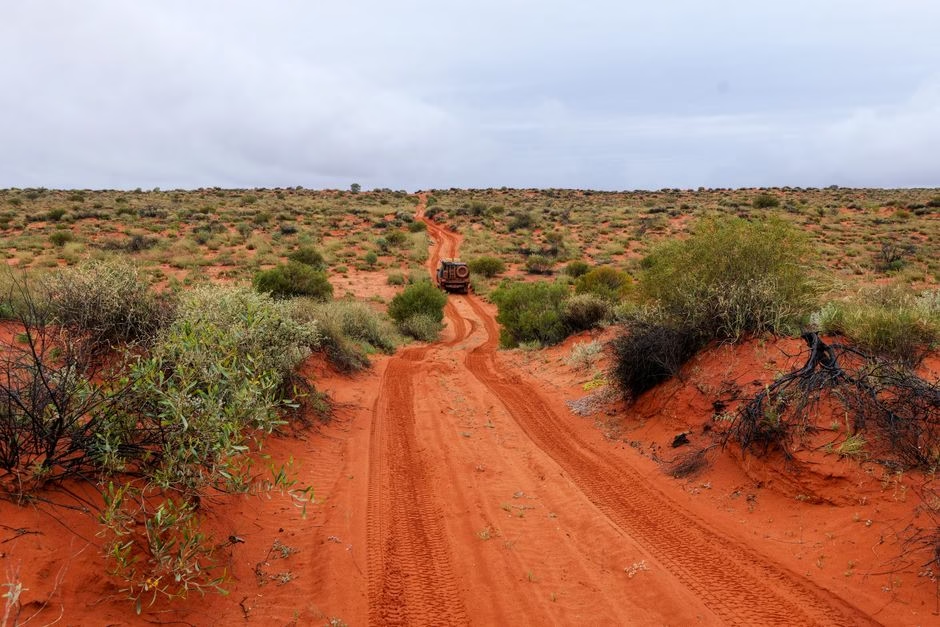
- Central Australia: The Outback offers clear skies most of the year, but summer heat can rise sharply, limiting comfortable outdoor activity.
Recognizing these seasonal differences allows you to predict not only the weather but also the rhythm of local tourism. Peak periods often align with school holidays, major events, and the mildest weather, while off seasons provide calm atmospheres and fewer tourists.
What to Expect During Peak Season Travel in Australia
The Appeal of Prime Weather and Vibrant Energy
Peak season usually coincides with summer for southern destinations and the dry winter months in the north. This is when Australia showcases its most ideal outdoor conditions. Beaches are bright and inviting, cities are alive with festivals, and nature parks are easily accessible.
- Best for: Beach enthusiasts, wildlife watchers, first-time visitors, and festival lovers
- Weather highlights: Warm, sunny days perfect for exploring Sydney Harbour, the Great Barrier Reef, or Melbourne’s café-filled laneways
Advantages of Traveling During Peak Season
- Perfect outdoor conditions: Whether snorkeling in the reef or road tripping along the Great Ocean Road, the weather supports all outdoor adventures.
- Lively cultural atmosphere: The summer months host events like Sydney’s New Year fireworks, the Australian Open in Melbourne, and countless music and food festivals.
- Access to full range of tours and activities: Tour operators, ferries, and regional airlines run frequent services, making it easy to explore.

Challenges and How to Manage Them
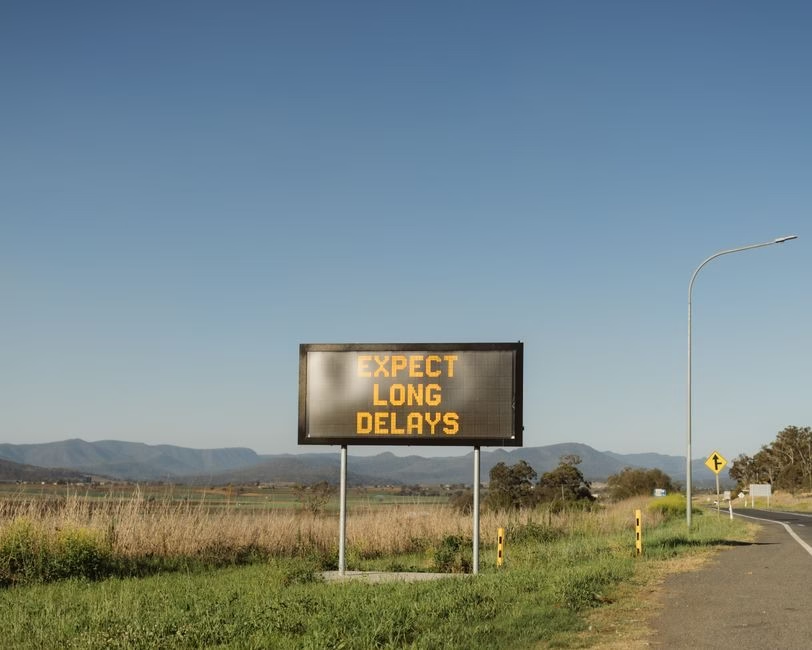
- Higher costs: Accommodation and flights can rise significantly during school holidays. Booking several months in advance is essential.
- Crowded attractions: Iconic sites like Uluru or Bondi Beach can be busy, so plan visits early in the day or seek lesser-known alternatives such as Palm Beach near Sydney or the beaches of Noosa’s north shore.
- Heat in some regions: In northern areas, summer can bring high humidity. If you prefer more comfortable conditions, travel to the southern states between December and February instead.

Exploring the Off Season: Australia at a Slower Pace
The Beauty of Quiet Escapes
Off season travel in Australia is not simply the time between crowds. It is when the country breathes differently, offering its serene landscapes, authentic local life, and significant price savings. The off season varies depending on the region; for example, winter (June to August) is quieter in southern areas, while the northern tropics slow down during the wet months (November to April).
Advantages of Off Season Travel
- Budget friendly opportunities: Accommodation, tours, and car rentals often drop in price, making it an excellent time for extended exploration.
- Fewer tourists: You can experience natural wonders such as the Blue Mountains, Kangaroo Island, or Tasmania’s wild east coast without large crowds.
- Unique seasonal experiences: The cooler southern months bring whale migrations along the east coast and spectacular alpine scenery in New South Wales and Victoria.
- Enhanced local connections: Visiting rural towns and regional vineyards during their quieter periods often leads to more personal interactions and authentic hospitality.
Points to Consider
- Variable weather: Be ready for cooler temperatures in the south or rainfall in the tropics. Packing flexible layers and lightweight rain gear ensures comfort.
- Reduced operating hours: Some tour companies and hospitality venues run limited schedules outside the peak months. Checking availability before arrival prevents disappointment.
- Natural beauty still thrives: Even in the wet season up north, waterfalls in Kakadu and the Daintree come alive with dramatic force, creating a stunning setting for nature lovers.

How to Choose the Best Season for Your Australian Adventure
Selecting between peak and off season depends on what kind of traveler you are and what experiences matter most.
- For first time visitors: Peak season offers dependable weather and well organized services, making it ideal for classic bucket-list journeys.
- For adventurous travelers: Off season conditions often bring unexpected rewards such as dramatic outback skies or lush tropical foliage after rainfall.
- For budget conscious explorers: The off season provides lower travel costs and often free public festivals, especially in smaller communities.
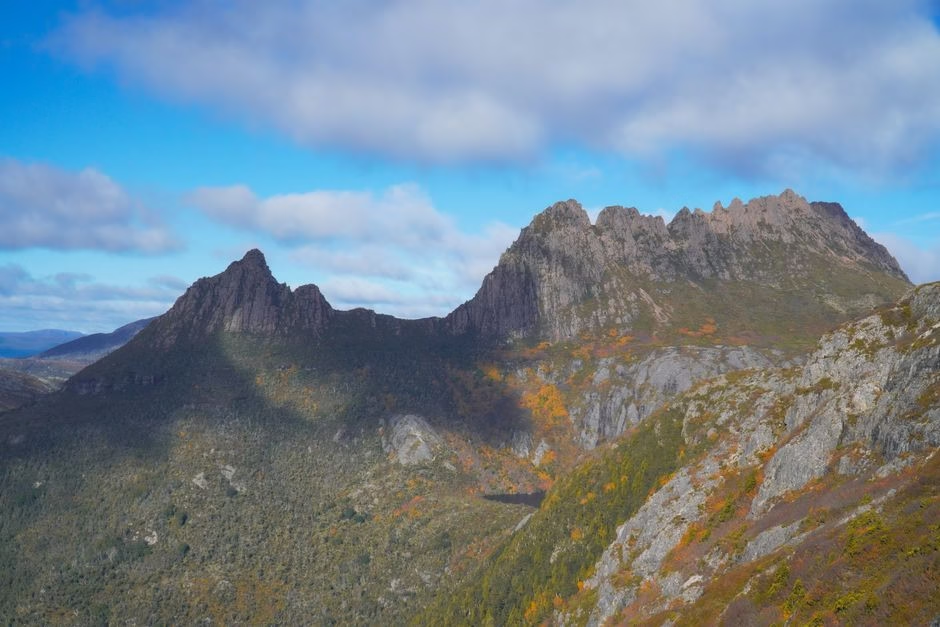
- For nature and wildlife lovers: Timing is everything. Seek the whale migrations off the Gold Coast around winter, the turtle nesting season in Western Australia from November to January, or autumn foliage in the Tasmanian highlands.

Practical Planning Tips for Both Seasons
- Book strategically: For peak season, reserve long in advance. For off season, stay flexible to take advantage of last-minute deals.
- Watch event calendars: Annual happenings like Vivid Sydney or the Darwin Festival can define the atmosphere of a region and affect availability.
- Travel insurance is essential: Seasonal variations can bring unpredictable conditions. Confirm that your policy covers weather-related changes.
- Consider domestic flights: Given Australia’s size, flying between regions saves time and allows you to mix climates, such as combining Queensland sunshine with a few cool days in Melbourne.

Conclusion: Embracing Australia’s Rhythms
Australia’s appeal never fades, but the quality of your trip depends greatly on timing and awareness. Peak season invites you into a vibrant, sun-filled landscape alive with events and social energy. Off season opens the door to authenticity, quiet discovery, and budget-smart exploration. Each has its charm, and the best choice aligns with your personal priorities.
By understanding the seasonal nuances of Australia, travelers can plan an experience that feels perfectly matched to their interests. Whether you choose the buzz of summer or the calm of winter solitude, Australia always delivers its unforgettable warmth, color, and spirit of freedom.
Further Reading
China Visa Guide for Tourists
5 Day Rome Itinerary with Must See Attractions
Travel to Somalia; How I Traveled to Mogadishu
Free Family Things to do in Chicago Today
How to Spend Four Days in Hong Kong