Solo Travel Patagonia Trip: Explore the Untamed Beauty
Discover how to plan a solo travel Patagonia trip, exploring breathtaking landscapes, local culture, and essential tips for a safe adventure.
Patagonia is a breathtaking region that straddles the southern parts of Chile and Argentina. Known for its stunning glaciers, towering mountains, and vast open spaces, it is a dream destination for solo travelers seeking adventure and tranquility. Whether you are interested in hiking, wildlife watching, or simply soaking in the natural beauty, a solo travel Patagonia trip offers opportunities for personal growth and unforgettable experiences.
This guide will provide you with essential information on planning your solo travel Patagonia trip, including the best time to visit, must-see destinations, safety tips, and local culture to help you make the most of your journey.
From the iconic peaks of Torres del Paine to the quaint towns of El Chaltén and Puerto Natales, Patagonia is a land of diverse landscapes and rich cultural experiences. Let’s explore what you need to know for your solo adventure in this remarkable region.
Best Time to Visit Patagonia
The best time to visit Patagonia largely depends on the activities you wish to pursue and the weather you prefer. Generally, the peak season runs from December to February, coinciding with the Southern Hemisphere’s summer. During this time, temperatures are warmer, with averages ranging from 60°F to 70°F (15°C to 21°C), making it ideal for hiking and exploring the outdoors.
However, traveling during the shoulder seasons, October to November and March to April, can also offer unique advantages. The weather is still favorable, and tourist crowds are thinner, providing a more intimate experience with nature. Additionally, springtime brings blooming wildflowers, while autumn showcases vibrant foliage throughout the region.
Winter (June to September) is less popular for typical tourists, but if you enjoy winter sports like skiing or ice climbing, this season can be enchanting. Just be prepared for colder temperatures and more challenging travel conditions.
Getting to Patagonia
Before embarking on your solo travel Patagonia trip, it’s important to know how to reach this remote region. The most common entry points are through major cities such as Santiago, Chile, or Buenos Aires, Argentina. From there, you can take domestic flights or long-distance buses to various destinations in Patagonia.
- Flights: Major airlines operate flights from both Santiago and Buenos Aires to Patagonia airports, including Punta Arenas (Chile) and El Calafate (Argentina). Book in advance to secure the best fares.
- Buses: Long-distance buses connect cities like Puerto Natales and El Chaltén with larger hubs. Bus travel can be time-consuming but offers scenic views along the way.
- Car Rentals: Renting a car can provide flexibility to explore at your own pace. However, be aware that some roads may be unpaved and require an all-terrain vehicle.
Must-See Destinations in Patagonia
Patagonia is home to numerous stunning destinations, each offering unique experiences. Here are some highlights to consider for your itinerary:
Torres del Paine National Park
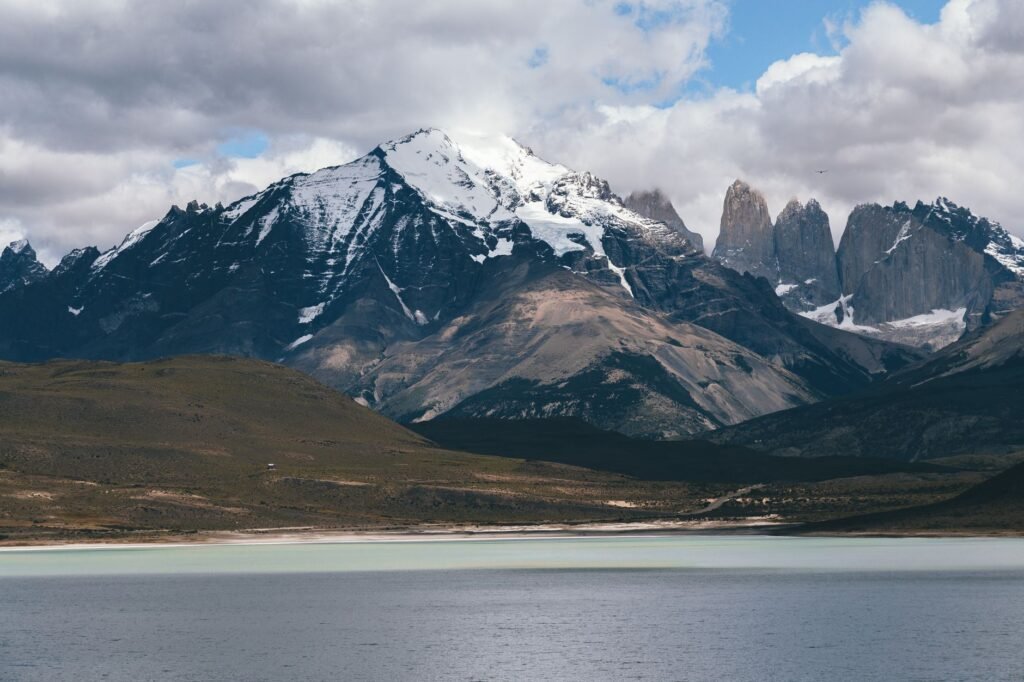
Torres del Paine is perhaps the most famous national park in Patagonia, known for its dramatic landscapes, including the iconic granite peaks of the Torres. Hiking is the primary activity here, with trails suitable for all skill levels. The W Trek is a popular multi-day hike that showcases the park’s most breathtaking scenery.
El Chaltén
This charming town is the gateway to some of the best hiking in Argentina, with access to trails leading to Fitz Roy and Cerro Torre. El Chaltén is also a great place to meet fellow travelers and enjoy local cuisine in its many cozy restaurants.
Puerto Natales
Serving as a hub for travelers heading to Torres del Paine, Puerto Natales boasts a vibrant waterfront and a range of accommodations. Take time to explore its local shops and enjoy traditional Chilean meals at local eateries.

Activities for Solo Travelers
Patagonia offers a plethora of activities that cater to solo travelers. Here are some popular options:
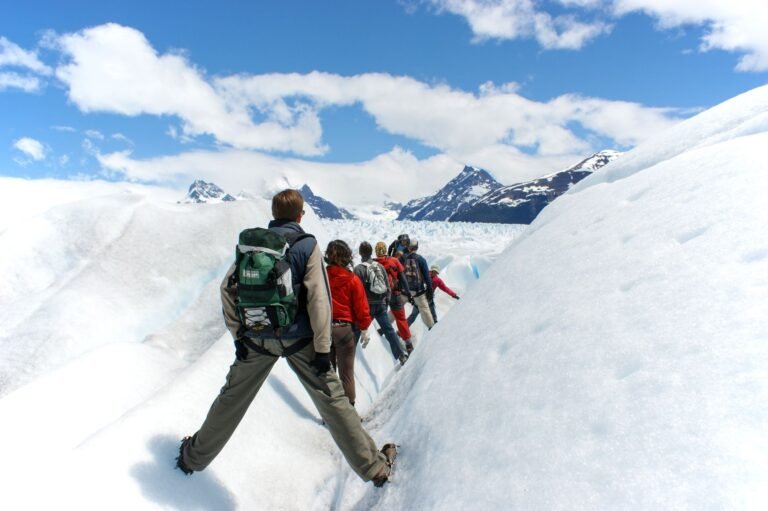
- Hiking: The region is famous for its hiking trails, ranging from easy day hikes to challenging multi-day treks. Research the trails that match your fitness level before heading out.
- Wildlife Watching: Patagonia is home to diverse wildlife, including guanacos, condors, and the elusive puma. Consider joining guided tours to increase your chances of sightings.
- Photography: With its stunning landscapes, Patagonia is a photographer’s paradise. Whether you’re capturing sunrise over the mountains or the turquoise waters of glacial lakes, be sure to have your camera ready.
Tips for Solo Travelers
Traveling alone can be a rewarding experience, but it comes with its own set of challenges. Here are some tips to ensure a safe and enjoyable solo travel Patagonia trip:
- Stay Connected: Consider purchasing a local SIM card or an international plan for your phone to stay connected. It can be particularly helpful for navigation and emergencies.
- Join Group Tours: Joining group tours for activities like hiking or wildlife watching can provide companionship and enhance your experience while keeping safety in mind.
- Trust Your Instincts: Always trust your instincts when it comes to safety. If a situation feels uncomfortable, don’t hesitate to remove yourself from it.

Understanding Local Culture and Cuisine
Experiencing local culture is a vital aspect of your solo travel Patagonia trip. Here are some ways to immerse yourself:
- Learn Basic Spanish: While many people in tourist areas speak English, knowing basic Spanish phrases can enhance your interactions with locals.
- Try Local Foods: Don’t miss out on trying traditional Patagonian dishes like asado (barbecue), empanadas, and fresh seafood dishes. Pair your meals with local wines or craft beers.
- Participate in Local Festivals: If your visit coincides with local festivals, take the opportunity to join in. These events often showcase traditional music, dance, and food.

Safety Considerations for Solo Travelers in Patagonia
Understanding the Terrain
Patagonia is known for its breathtaking landscapes, but the rugged terrain can also pose challenges, especially for solo travelers. Understanding the geography is crucial. The region has mountains, glaciers, and vast national parks, each presenting unique conditions. It’s important to be aware of the risks associated with hiking in remote areas, including sudden weather changes and navigation challenges. Always carry a detailed map, a compass, and a GPS device. Ensure you inform someone about your travel plans before venturing into less populated areas.
In addition to navigation tools, consider these essential safety tips:
- Check weather forecasts regularly and be prepared for sudden changes.
- Stay on marked trails to avoid getting lost.
- Travel with a charged mobile phone and portable charger for emergencies.
Wildlife Encounters
Patagonia is home to diverse wildlife, including guanacos, condors, and even the elusive puma. While these animals are generally not aggressive, encounters can still be intimidating, especially for solo travelers. When hiking, it’s essential to be aware of your surroundings and respect the natural habitat. Avoid approaching or feeding wildlife, as this can alter their natural behavior and put you at risk.
To minimize wildlife encounters, consider the following:
- Travel during daylight hours when animals are less active.
- Make noise while hiking to alert animals to your presence.
- Keep food securely stored to avoid attracting animals to your campsite.
Health Precautions
Maintaining good health while traveling solo in Patagonia is crucial. The remoteness of many areas means that access to healthcare facilities can be limited. It is advisable to carry a first-aid kit that includes basics such as adhesive bandages, antiseptic wipes, and pain relievers. Additionally, consider any personal medications you may need and ensure you have enough for your trip.
Before you travel, consult with a healthcare provider regarding vaccinations or medications that may be necessary. It’s also wise to have travel insurance that covers medical emergencies. Here are some health tips to keep in mind:
- Stay hydrated, especially during hikes.
- Use sunblock and wear protective clothing to prevent sunburn.
- Be aware of altitude sickness if you plan to hike in higher elevations.
Accommodations for Solo Travelers
Hostels and Shared Lodgings
For solo travelers, hostels often provide an excellent opportunity to meet fellow adventurers while keeping costs down. Many hostels in Patagonia offer dormitory-style accommodations, private rooms, and communal areas where travelers can socialize. These environments can foster friendships and even travel partnerships. Look for hostels with positive reviews regarding cleanliness, security, and social atmosphere.
When selecting a hostel, consider the following:
- Check for amenities such as kitchens, laundry facilities, and organized tours.
- Look for locations that are centrally located to major attractions.
- Read reviews to find hostels known for a friendly and safe environment.
Camping and Outdoor Stays
Camping is a popular option for those looking to immerse themselves in the stunning landscapes of Patagonia. Numerous campsites are available within national parks, providing a unique experience of sleeping under the stars. For solo travelers, camping can also offer a chance for solitude and reflection. Ensure you are well-equipped with a durable tent, sleeping bag, and cooking supplies.
Here are some tips for camping solo in Patagonia:
- Choose established campsites to ensure safety and access to facilities.
- Check regulations regarding fires and waste disposal to protect the environment.
- Bring a portable stove for cooking instead of relying on campfires.
Eco-Lodges and Sustainable Options
For those seeking a more comfortable stay, eco-lodges in Patagonia provide a sustainable option that allows travelers to enjoy nature without compromising on comfort. These lodges often emphasize environmental responsibility and support local communities. Staying at an eco-lodge can enhance your experience with guided nature walks, local cuisine, and opportunities to learn about conservation efforts.
When choosing an eco-lodge, consider the following aspects:
- Research the lodge’s sustainability practices and how they support the local ecosystem.
- Look for lodges that offer activities focused on environmental education.
- Check for community engagement initiatives to support local culture and economy.
Connecting with Other Travelers
Joining Group Tours and Meetups
While solo travel offers freedom, it can sometimes feel isolating. Joining group tours or local meetups can help solo travelers connect with others. Many tour companies in Patagonia offer group excursions, which can include hiking, kayaking, or wildlife watching. These tours not only provide a chance to meet fellow travelers but also offer insights from local guides.
To find group tours or meetups, consider these tips:
- Research local tour operators and read reviews for reliability.
- Use platforms like Meetup or Couchsurfing to find local events and gatherings.
- Ask at your accommodation for recommendations on popular group activities.
Utilizing Social Media and Travel Apps
In the digital age, social media can be a powerful tool for connecting with other travelers. Platforms like Instagram, Facebook, and travel-specific apps allow solo travelers to share experiences, ask for advice, and arrange meetups. Many travelers use hashtags like #Patagonia or #SoloTravelPatagonia to find like-minded adventurers.
Consider these approaches to leverage social media:
- Join travel groups dedicated to Patagonia on Facebook.
- Follow travel influencers who focus on solo travel for tips and inspiration.
- Post about your travel plans and invite others to join you for certain activities.
Engaging with Local Communities
Another excellent way to connect with people during your travels is to engage with local communities. Participating in community events, markets, or workshops can provide a deeper understanding of the culture and open the door to new friendships. Check community boards in towns or ask locals for upcoming events.
Here are some activities that can help you connect with locals:
- Attend local artisan markets to meet craftspeople and learn about their work.
- Participate in cultural festivals or celebrations that may be happening during your visit.
- Volunteer for a day with local organizations to give back while connecting with residents.
Frequently Asked Questions
Is Patagonia safe for solo travelers?
Yes, Patagonia is generally safe for solo travelers. However, it’s important to remain vigilant, especially in more remote areas. Stick to well-traveled paths and be cautious when hiking alone.
What gear do I need for hiking in Patagonia?
Essential gear includes sturdy hiking boots, layered clothing for changing weather, a waterproof jacket, a daypack, and trekking poles. Don’t forget sunscreen and insect repellent.
Can I find accommodations easily in Patagonia?
Yes, there are various accommodation options ranging from hostels to hotels. However, it’s advisable to book in advance, especially during peak season to secure your desired lodging.
What currency is used in Patagonia?
Patagonia uses both the Chilean peso and the Argentine peso, depending on which side of the border you are on. It’s good to have some local currency on hand for small purchases.
The Bottom Line
Embarking on a solo travel Patagonia trip is an adventure filled with stunning landscapes, rich culture, and personal growth. With proper planning, an understanding of the local environment, and a spirit of adventure, you can create unforgettable memories while exploring this remarkable region. Whether hiking through national parks or enjoying local cuisine, Patagonia offers something for every solo traveler.
Visa rules, prices and opening times change. Always confirm details with official sources before you travel.