Great Barrier Reef Glamping: Experience Nature Like Never Before
Discover the magic of great barrier reef glamping and learn how to immerse yourself in the stunning beauty of this natural wonder.
Glamping, a blend of glamour and camping, has become increasingly popular among travelers looking for unique experiences in stunning locations. One of the most captivating spots for glamping is the Great Barrier Reef in Australia. This natural wonder is not just about colorful corals and marine life; it’s also about enjoying nature in comfort without sacrificing luxury. In this guide, we will explore the best glamping options available at the Great Barrier Reef, what to expect, and tips to make the most of your adventure.
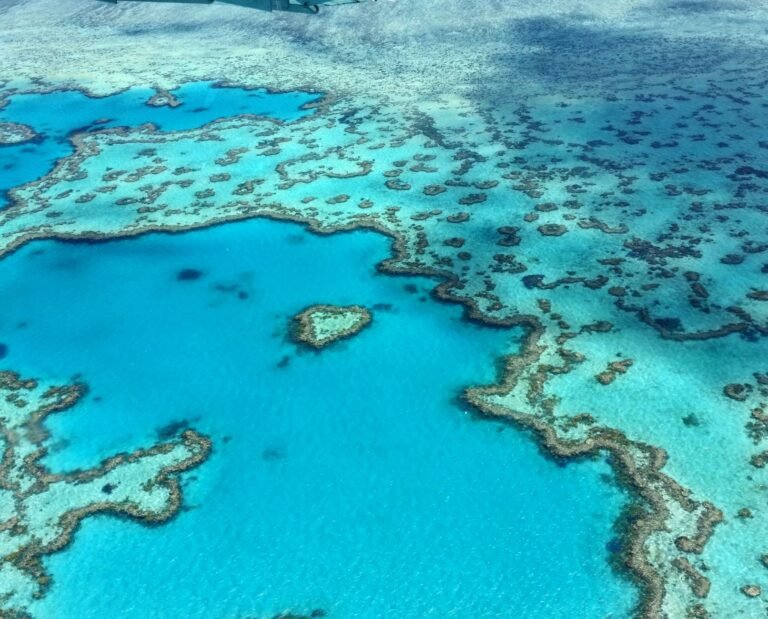
The Great Barrier Reef, a UNESCO World Heritage site, is the largest coral reef system in the world, stretching over 2,300 kilometers along the Queensland coast. Its vibrant ecosystem attracts millions of visitors annually, making it a prime location for eco-friendly accommodation options. Glamping allows you to immerse yourself in this breathtaking environment while enjoying modern amenities. Whether you are a solo traveler, a couple on a romantic getaway, or a family seeking adventure, glamping at the Great Barrier Reef has something for everyone.
Before diving into the specifics of glamping at the Great Barrier Reef, it’s essential to note the importance of responsible tourism. The reef is a delicate ecosystem, and visitors are encouraged to engage in sustainable practices to preserve its beauty for future generations. With that in mind, let’s explore the enchanting world of glamping.
Choosing the Right Glamping Location
When planning your glamping getaway, the first step is to choose the right location. The Great Barrier Reef offers several islands and resorts that provide glamping experiences. Here are some top picks:
- Lady Elliot Island: Known for its eco-friendly accommodations, Lady Elliot Island features glamping tents situated right by the beach. Guests can enjoy snorkeling and diving right off the shore.
- Hinchinbrook Island: This remote island offers a more rugged glamping experience, with tents set in the lush tropical rainforest. Perfect for those looking to explore hiking trails and wildlife.
- Heron Island: This island offers luxurious glamping options with stunning beachfront views. It’s an excellent spot for those looking to relax and enjoy the marine life without venturing far.
Accessibility
Accessibility is an important factor to consider when choosing your glamping location. Some islands are easily reachable via ferry or seaplane, while others may require more planning. For example:
- Lady Elliot Island can be reached by a short flight from Bundaberg or Hervey Bay, making it convenient for travelers.
- Hinchinbrook Island requires a ferry transfer from Cardwell, and it’s wise to check the schedule in advance.
- Heron Island is accessible via boat transfers from Gladstone, which takes about 2 hours.
Accommodations
Each glamping site offers a unique accommodation style. Here’s what you can typically expect:
- Luxury tents equipped with comfortable beds, electricity, and sometimes private bathrooms.
- Shared facilities that may include communal dining areas and lounges, providing a chance to connect with other travelers.
- Eco-friendly amenities, such as solar power and water conservation measures, reflecting the commitment to sustainability.

Activities While Glamping
One of the best parts of glamping at the Great Barrier Reef is the plethora of activities available. Depending on your location, you may have access to the following:
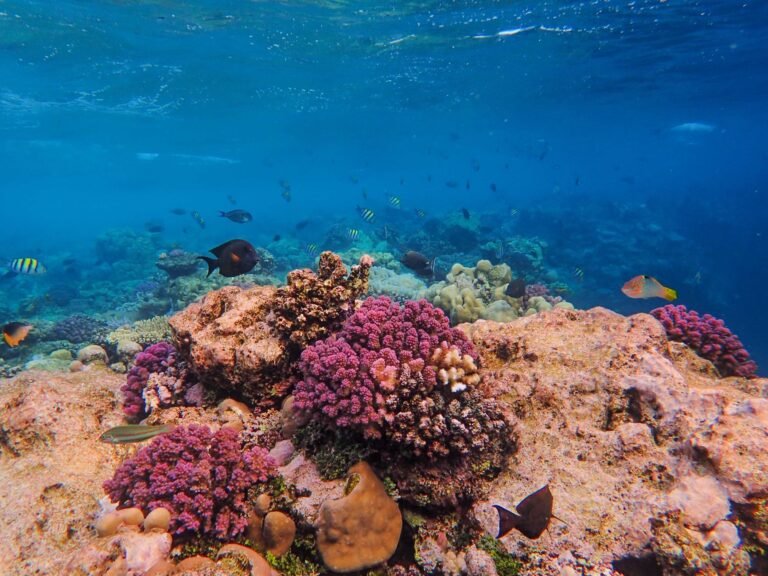
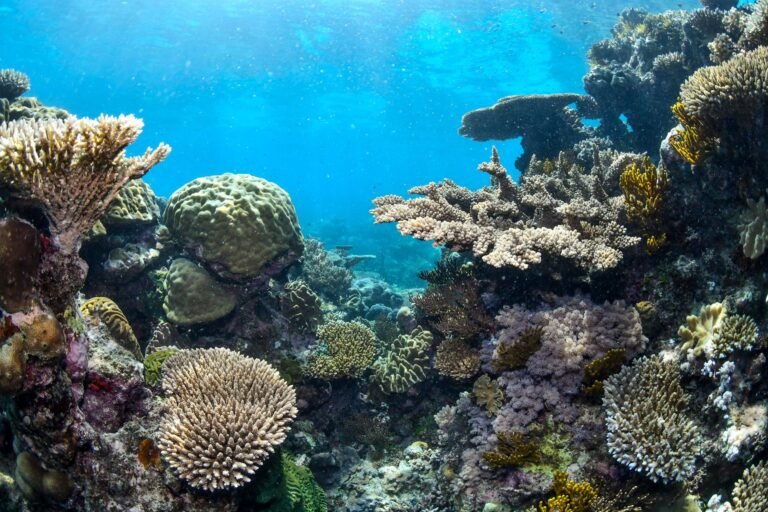
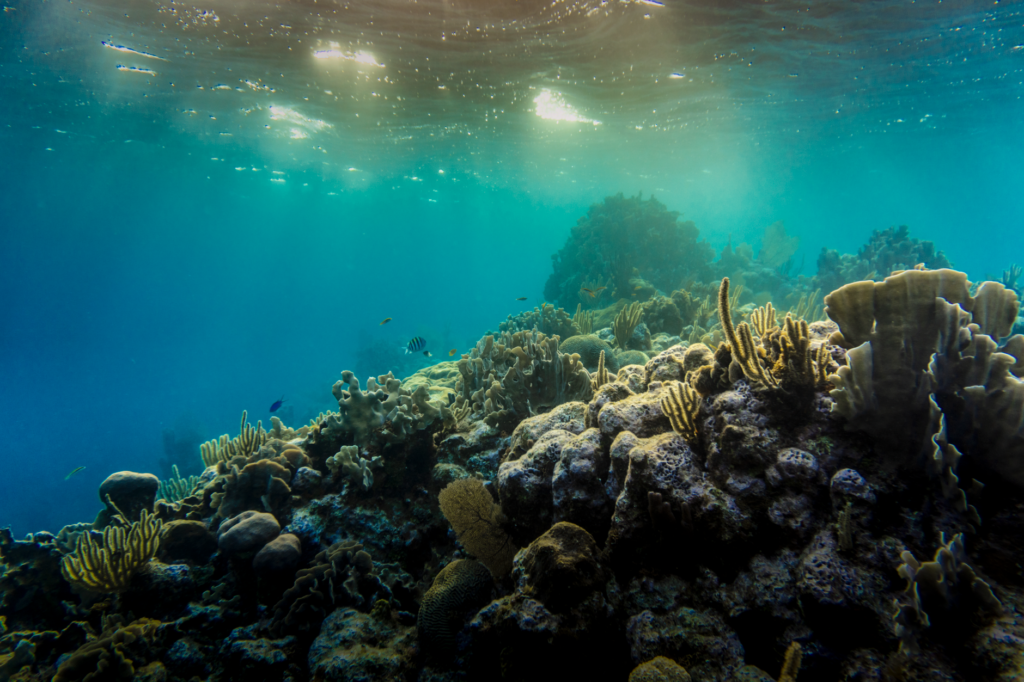
- Snorkeling and Diving: Experience the vibrant underwater world of the reef. Many glamping sites offer guided snorkeling or diving trips to explore coral gardens and marine life.
- Nature Walks: Engage in guided nature walks to learn about the local flora and fauna. This is a great way to appreciate the natural beauty surrounding you.
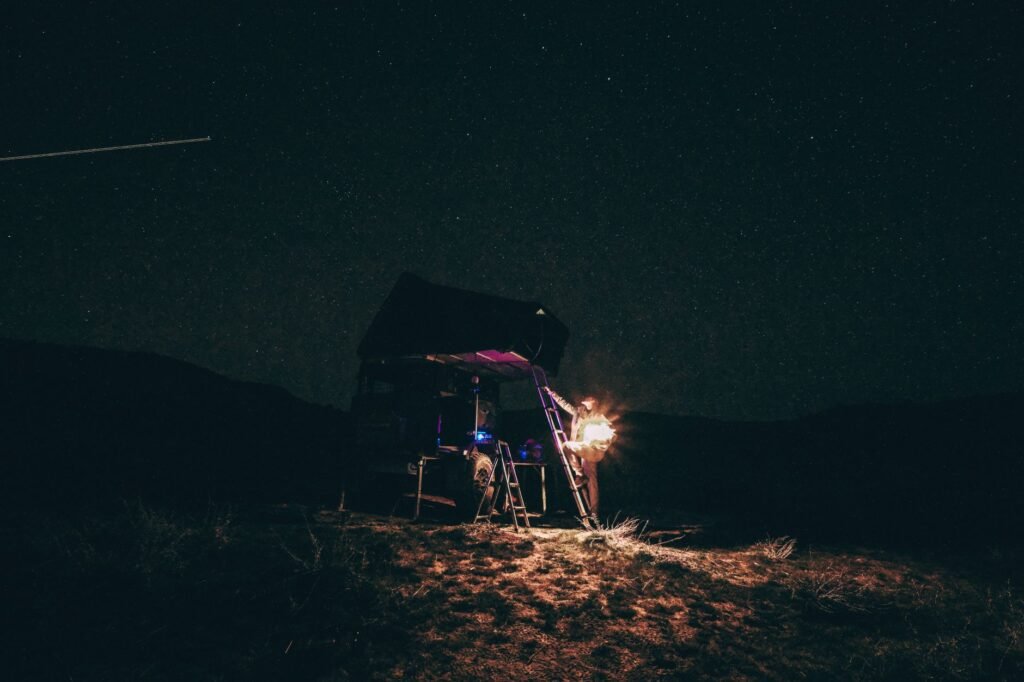
- Stargazing: The clear skies above the reef provide an excellent opportunity for stargazing. Bring a telescope or simply lay back and enjoy the night sky.
Wildlife Encounters
Wildlife encounters are a highlight of your glamping experience. Depending on the season, you may spot:
- Turtles nesting on the beaches.
- Whales migrating off the coast during winter months.
- Dolphins and manta rays swimming near the shore.
Cultural Experiences
Some glamping options also provide cultural experiences, where you can learn about the Indigenous history of the region. Activities may include:
- Workshops on traditional crafts.
- Storytelling sessions by local Indigenous guides.
- Tours of significant cultural sites.
Best Time to Visit
The Great Barrier Reef can be visited year-round, but the best time for glamping depends on your preferences. Here’s a breakdown of the seasons:
Summer (December to February)
Summer is warm and humid, with temperatures ranging from 25°C to 32°C (77°F to 90°F). While this is the wet season, it’s also when the marine life is most active. Expect occasional rain showers.
Autumn (March to May)
Autumn is considered one of the best times to visit, with pleasant temperatures and lower humidity. The water is warm, making it ideal for snorkeling and diving.
Winter (June to August)
Winter offers cooler temperatures, ranging from 15°C to 25°C (59°F to 77°F). This is the dry season, making it perfect for outdoor activities but less ideal for swimming.
Spring (September to November)
Spring brings warmer temperatures and is a great time to witness the coral spawning event. Prepare for increased tourist activity as the weather improves.

Costs and Budgeting
Understanding the costs associated with glamping at the Great Barrier Reef is crucial for planning your trip. Here’s a breakdown of what to expect:
Accommodation Costs
Prices for glamping accommodations can vary significantly based on location, time of year, and amenities. Here’s an overview:
- Lady Elliot Island: Prices typically range from AUD 300 to AUD 700 per night.
- Hinchinbrook Island: Expect costs between AUD 200 and AUD 600 per night.
- Heron Island: Prices generally start at AUD 400 and can exceed AUD 800 per night during peak season.
Additional Expenses
In addition to accommodation, consider the following expenses:
- Transportation costs to and from the island.
- Activity fees such as snorkeling or diving tours.
- Meals, which may or may not be included in your accommodation package.
Budgeting Tips
To make the most of your budget:
- Book in advance to secure the best rates.
- Consider traveling during the shoulder seasons for lower prices.
- Look for packages that include accommodation and activities to save money.
Safety Considerations
While glamping is an exciting adventure, it’s essential to prioritize safety during your stay at the Great Barrier Reef. Here are some vital tips:
Health and Safety
Be aware of health and safety guidelines while engaging in activities:
- Always wear a life jacket when participating in water activities.
- Use reef-safe sunscreen to protect both your skin and the marine ecosystem.
- Stay hydrated, especially in warmer months, and know the signs of dehydration.
Wildlife Precautions
When encountering wildlife, remember the following:
- Observe animals from a distance; do not feed or touch them.
- Be cautious of jellyfish during certain seasons and wear protective suits if necessary.
- Follow guides’ instructions during tours to ensure your safety.
Emergency Contacts
Before heading out, familiarize yourself with emergency contacts:
- Know the location of the nearest medical facilities.
- Keep emergency contact numbers handy, including local authorities.
- Inform someone of your itinerary, especially if exploring remote areas.
Understanding the Environmental Impact of Glamping
Glamping on the Great Barrier Reef allows visitors to immerse themselves in nature while minimizing their ecological footprint. It is essential to recognize how these unique accommodations can either contribute to or alleviate environmental pressures.
Eco-Friendly Practices in Glamping
Many glamping sites prioritize sustainability and eco-friendliness. This can manifest in various ways, including:
- Use of solar energy to power amenities and lighting.
- Water-efficient systems for showers and sinks.
- Locally sourced materials for constructing tents and facilities.
- On-site recycling programs to minimize waste.
When choosing a glamping site, look for establishments that emphasize these practices. They not only reduce your carbon footprint but also promote the preservation of the beautiful surroundings.
Wildlife Conservation Efforts
Staying at a glamping site often means that you are in close proximity to vital ecosystems. Many glamping operators actively support wildlife conservation efforts. This involvement can include:
- Partnerships with local conservation organizations.
- Educational programs that inform guests about local flora and fauna.
- Participation in habitat restoration projects.
By selecting a glamping experience that aligns with conservation priorities, guests can contribute to the protection of the Great Barrier Reef and its diverse wildlife.
Understanding Leave No Trace Principles
Practicing Leave No Trace principles is crucial when glamping. These guidelines encourage visitors to respect nature while enjoying it. Key principles include:
- Plan ahead to minimize impact.
- Camp on durable surfaces to protect vegetation.
- Dispose of waste properly, especially food waste that can attract wildlife.
By adhering to these principles, glampers can help preserve the natural beauty of the Great Barrier Reef for future generations while enjoying their stay.
Unique Accommodations Available in Glamping
The Great Barrier Reef offers a variety of glamping accommodations that enhance the experience of being one with nature. Each type of lodging provides a different perspective of the stunning landscape.
Luxury Tents
Luxury tents are a popular choice among glampers seeking comfort without sacrificing their connection to the outdoors. These tents often feature:
- Queen-sized beds with high-quality linens.
- Private bathrooms with hot showers.
- Decks with stunning views of the reef.
Staying in a luxury tent allows guests to enjoy the beauty of the Great Barrier Reef while indulging in modern amenities, making it an excellent option for couples or families.
Eco-Lodges
Eco-lodges are designed with sustainability in mind. They incorporate local materials and focus on energy efficiency. Key features of eco-lodges include:
- Natural ventilation systems that reduce the need for air conditioning.
- Rainwater harvesting systems for water usage.
- Designs that blend seamlessly into the surrounding environment.
Choosing an eco-lodge not only supports sustainable tourism but also enhances the overall experience of living in harmony with nature.
Treehouses and Elevated Platforms
For those looking for an adventurous twist, treehouses or elevated platforms offer a unique perspective of the Great Barrier Reef. These accommodations typically feature:
- Stunning panoramic views of the coral reef from above.
- Natural materials that complement the surrounding trees.
- Open-air designs that allow for a close connection to nature.
Staying in a treehouse is perfect for travelers seeking an unforgettable experience that combines excitement with the serene beauty of the reef.
Culinary Experiences While Glamping
One of the joys of glamping is the opportunity to savor delicious meals made from local ingredients. The Great Barrier Reef region boasts a thriving culinary scene that glampers can enjoy.
Farm-to-Table Dining
Many glamping sites emphasize farm-to-table dining experiences, which highlight the region’s fresh produce and seafood. Guests can expect:
- Meals prepared with ingredients sourced from local farms and fisheries.
- Seasonal menus that change based on what is available.
- Cooking classes that teach guests how to prepare local dishes.
This dining style not only promotes sustainability but also allows glampers to taste the true flavors of the Great Barrier Reef region.
Outdoor Cooking and Barbecues
Many glamping sites provide facilities for outdoor cooking, allowing guests to enjoy the experience of preparing their own meals. Features may include:
- Barbecue grills and fire pits for cooking.
- Outdoor dining areas that enhance the al fresco experience.
- Guided foraging tours to find local ingredients.
Outdoor cooking fosters a sense of community and adventure among glampers while enjoying the beautiful surroundings.
Local Food Tours
Those looking to indulge in the culinary culture of the region can partake in local food tours. These tours often include:
- Visits to local markets to sample fresh produce and artisanal goods.
- Guided tastings at renowned restaurants and cafes.
- Opportunities to meet local chefs and learn about their cooking methods.
Food tours not only enhance the glamping experience but also provide a deeper understanding of the local culture and its culinary traditions.
Frequently Asked Questions
What should I pack for glamping at the Great Barrier Reef?
Pack light, breathable clothing, swimwear, reef-safe sunscreen, insect repellent, and comfortable footwear for outdoor activities. Don’t forget your snorkel gear if you own it, and a reusable water bottle.
Are there age restrictions for glamping?
Most glamping sites welcome guests of all ages, but some activities may have age restrictions. Always check with your accommodation provider for specific policies.
Can I bring my pet when glamping?
Generally, pets are not allowed at most glamping sites due to wildlife safety and hygiene concerns. Check with the specific location for their pet policy.
Is glamping more expensive than traditional camping?
Yes, glamping typically costs more than traditional camping due to the added luxury and amenities. However, many find the experience worth the investment for comfort and unique surroundings.
The Bottom Line
Glamping at the Great Barrier Reef offers an unparalleled way to experience one of the world’s most stunning natural wonders. With a variety of locations, activities, and accommodation options available, there is something for everyone. By choosing sustainable practices and being mindful of safety, you can enjoy a memorable adventure while helping to preserve this precious ecosystem for generations to come.
Visa rules, prices and opening times change. Always confirm details with official sources before you travel.