How to Pack for a Family Beach Trip: Essentials for Fun
Discover effective strategies on how to pack for a family beach trip, ensuring a fun and organized vacation with everything you need.
Packing for a family beach trip can feel overwhelming, especially when considering the diverse needs of each family member. From toddlers to teenagers, ensuring everyone has their essentials while keeping the luggage manageable is key to a successful holiday. This guide will provide you with practical strategies and tips on how to pack for a family beach trip, ensuring that your time at the beach is enjoyable and stress-free.
When preparing for a beach getaway, it’s crucial to consider not only personal items but also shared essentials. A well-thought-out packing strategy can save time, energy, and even money, allowing you to focus on making lasting memories with your loved ones. This article breaks down the essential items you’ll need, organization tips, and practical advice to make your beach trip as smooth as possible.
By the end of this guide, you’ll feel confident in your ability to pack efficiently for your family’s beach adventure. Let’s dive into the details!
Creating a Packing List
The first step in how to pack for a family beach trip is creating a comprehensive packing list that caters to the needs of all family members. A packing list helps ensure that nothing important is left behind and makes the process smoother. To start, consider the following categories:
- Clothing: Think about the climate and activities planned. Include swimsuits, cover-ups, lightweight clothing, and evening outfits.
- Beach Gear: Don’t forget essentials like beach towels, umbrellas, chairs, and coolers.
- Toiletries: Pack sunscreen, after-sun lotion, lip balm, and any other personal care items.
- Safety Items: Include first aid kits, floatation devices for younger children, and any necessary medications.
- Entertainment: Bring books, beach games, and outdoor toys to keep everyone entertained.
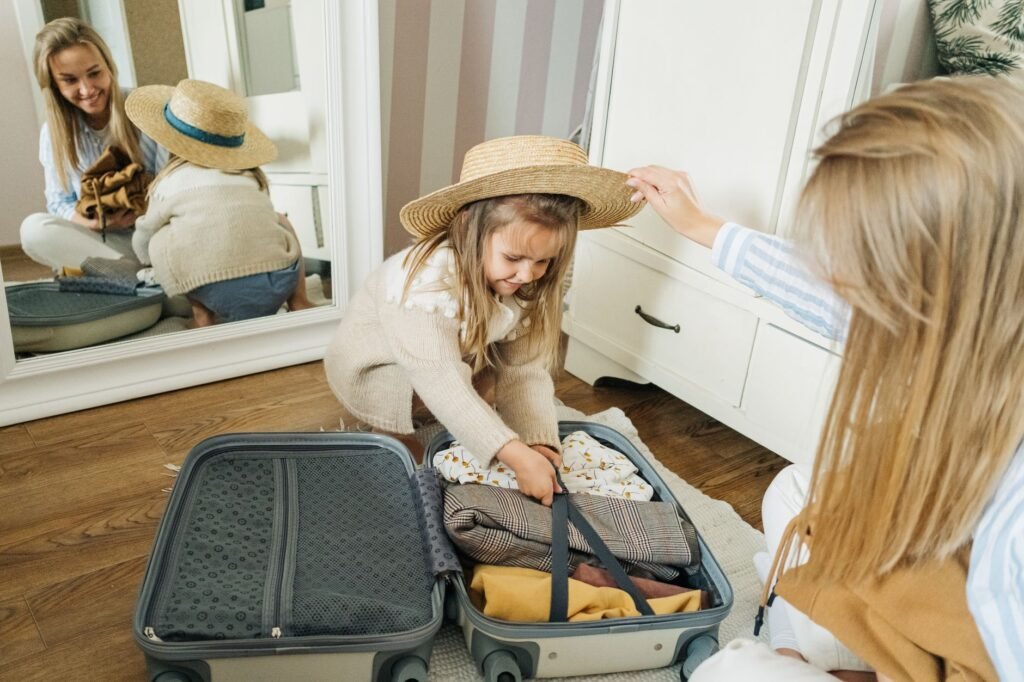
Once you’ve outlined these categories, involve each family member in adding their personal items to the list. This not only ensures everyone’s needs are met but also makes packing a shared family activity.
Consider Age and Individual Needs
When creating your packing list, it’s essential to consider the age and individual needs of each family member. Young children may require specific items such as swim diapers, beach toys, or snacks that cater to their tastes. Older kids and teenagers might appreciate their personal gadgets or preferred books. Here’s a breakdown by age group:
- Infants and Toddlers: Include baby powder (to remove sand), portable cribs, and sun hats.
- School-Aged Children: Pack water bottles, sand toys, and protective swimwear.
- Teenagers: Don’t forget their favorite gadgets, portable speakers, and styling products.
By acknowledging these differences, you can better prepare for everyone’s comfort and enjoyment.
Maximizing Space and Organization
Efficient packing is all about maximizing space while keeping items organized. Here are some practical methods to achieve this:
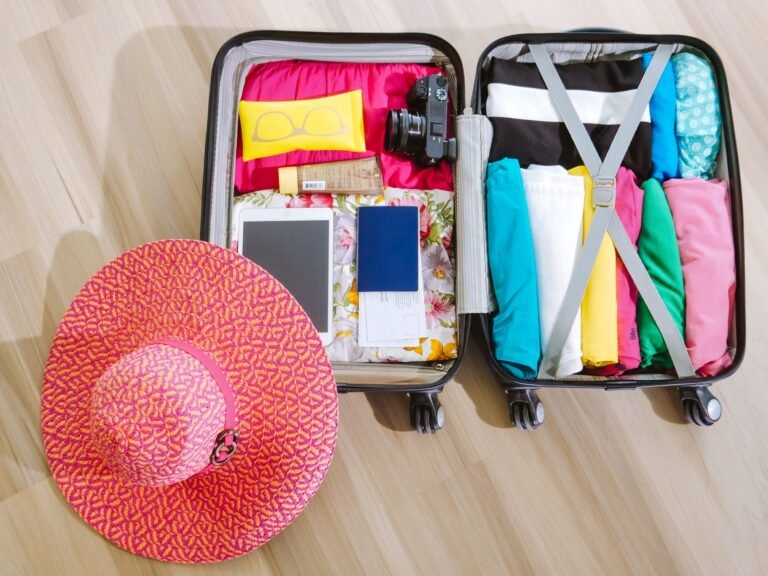
- Use Packing Cubes: These are excellent for categorizing items by person or type. They make it easy to find what you need without unpacking everything.
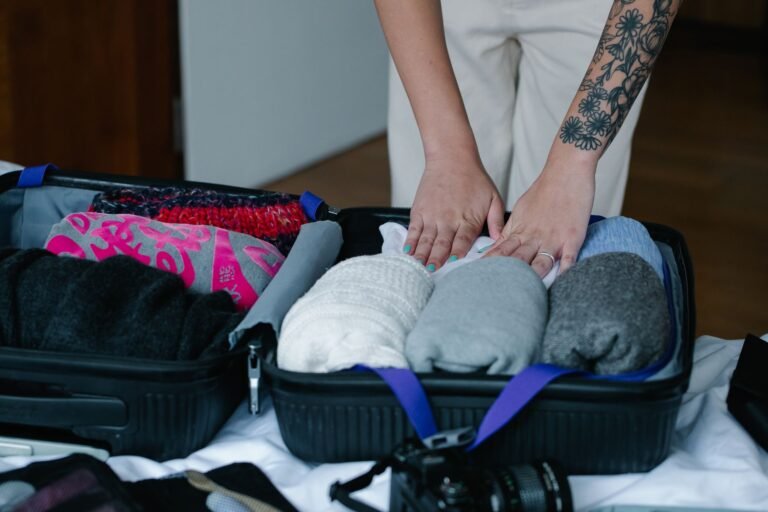
- Roll Clothes: Rolling rather than folding can save space and reduce wrinkles, making it easier to fit everything in your bags.
- Wear Bulky Items: If you have heavier clothing or shoes, wear them during travel to free up space in your luggage.
Consider using a checklist app that allows you to check off items as you pack them, ensuring you don’t forget anything important.
Family Packing Strategies
Consider different packing strategies for a family trip. Each approach has its merits:
- Shared Luggage: If space allows, put all family items in one large suitcase. This method simplifies packing but may require digging to find specific items.
- Individual Bags: Give each family member their bag with their essentials. This way, everyone has access to their items but can lead to more luggage overall.
- Combination Approach: Use a mix of shared and individual bags. For example, pack shared items (like beach gear) in one bag and personal items in another.
Choose the strategy that works best for your family’s dynamics and travel style.

Beach Essentials to Include
Your family beach trip wouldn’t be complete without the right beach essentials. Here’s a detailed list of must-haves:
- Swimwear: Each family member should have at least two swimsuits to alternate between during the trip.
- Beach Towels: Large, absorbent towels are crucial for drying off and lounging on the sand.
- Sunscreen: Choose a broad-spectrum sunscreen with an SPF of at least 30. Consider a water-resistant formula for extended beach time.
- Beach Umbrella or Tent: For shade and protection from the sun, especially for young children or those who are sensitive to heat.
- Cooler: A cooler to keep drinks and snacks fresh and cool throughout the day.
- First Aid Kit: Always be prepared for minor injuries with a basic first aid kit that includes adhesive bandages, antiseptic wipes, and pain relievers.
- Floatation Devices: Depending on your children’s swimming capabilities, consider packing life jackets or inflatable pool toys.
Organizing these items in separate bags or compartments will save time and make it easier to find what you need when you arrive at the beach.
Health and Safety Considerations
Health and safety are paramount when planning a family beach trip. Here are some essential items and tips to keep in mind:
- Sun Protection: In addition to sunscreen, consider UV-protective clothing, hats, and sunglasses for everyone in the family.
- Hydration: Pack reusable water bottles for each family member to encourage regular hydration, especially under the sun.
- Beach Safety Gear: Ensure you have a basic first aid kit, and consider bringing along a whistle or a flag to signal for help in emergencies.
Additionally, familiarize yourself with the beach’s safety guidelines and regulations, including lifeguard information, rip current warnings, and any local wildlife advisories.
Dealing with Unforeseen Challenges
Even the best-laid plans can encounter challenges. Here are some strategies to prepare for unexpected situations:
- Weather Changes: Always check the weather forecast leading up to your trip. Pack light rain gear such as ponchos or quick-dry clothing just in case.
- Health Issues: If anyone has allergies or medical conditions, pack necessary medications and any specific items they may need.
- Lost Items: Designate a specific spot for valuables like phones and wallets when at the beach. Consider using waterproof pouches for electronics.
Being prepared for unforeseen challenges can make your beach trip more enjoyable and safe.

Choosing the Right Beach Gear for Your Family
Types of Beach Towels
When selecting beach towels, consider the materials and sizes that will best suit your family’s needs. Microfiber towels are lightweight, quick-drying, and take up less space in your beach bag, making them an excellent choice for families on the go. Traditional cotton towels, while bulkier, offer a soft feel and absorbency that many find comforting. It’s advisable to have a few oversized towels for lounging and drying off after swimming, as well as smaller ones for the kids.
- Microfiber towels: Quick-drying and compact.
- Cotton towels: Soft and absorbent.
- Oversized towels: Great for lounging.
Umbrella vs. Tent: Which to Choose?
Providing shade is essential for a comfortable beach experience, and families often face the dilemma of choosing between a beach umbrella and a pop-up tent. Beach umbrellas are portable and easier to set up, making them ideal for a quick visit. However, pop-up tents offer more coverage and can protect against wind, making them suitable for longer stays. Consider your family’s needs and the expected weather conditions when making your choice.
- Beach Umbrella: Lightweight, portable, ideal for quick visits.
- Pop-Up Tent: More coverage, better wind protection, suitable for long days.
Footwear for the Sand and Beyond
Choosing the right footwear for a beach trip is crucial. While flip-flops are a popular choice, they may not provide enough support for longer walks on the beach. Water shoes are an excellent alternative, as they can be worn in the water and provide traction on wet surfaces. For family members who want to explore more than just the beach, consider packing lightweight sandals or slip-on shoes that are easy to take off and put on.
- Flip-Flops: Lightweight and easy to pack.
- Water Shoes: Offer support and traction.
- Lightweight Sandals: Comfortable for walking.

Planning Beach Activities for All Ages
Games and Sports Equipment
Engaging in beach activities is a fantastic way to bond as a family while enjoying the sun and sand. Packing a few versatile games can keep everyone entertained throughout the day. Items like a frisbee, beach ball, or paddleball set are portable and can be enjoyed by both kids and adults. For families with older children, consider adding a volleyball net and ball for some friendly competition.
- Frisbee: Fun and easy to play.
- Beach Ball: Great for games in the surf.
- Paddleball Set: Compact and engaging.
- Volleyball Net: Perfect for family tournaments.
Creative Sand Activities
Sandcastle building is a classic beach activity that can entertain kids for hours. Packing a set of sand toys, including buckets, shovels, and molds, can inspire creativity and teamwork. Encourage your children to build elaborate structures or even engage in friendly competitions. Additionally, consider setting up a scavenger hunt for seashells or beach treasures, which can be a fun way to explore the shore while keeping the kids active.
- Sand Toys: Buckets, shovels, molds.
- Scavenger Hunt: Seashells and beach treasures.
- Team Sandcastle Competitions: Foster creativity and teamwork.
Water Activities for Family Fun
Water activities can significantly enhance the beach experience for families. Consider packing snorkeling gear for an exciting underwater exploration, or inflatable paddleboards for a fun way to enjoy the water together. Remember to check local regulations and safety guidelines for any water sports you plan to engage in. Safety is paramount, so ensure everyone has proper floatation devices when necessary.
- Snorkeling Gear: Masks and fins enhance underwater adventures.
- Inflatable Paddleboards: Great for family bonding on the water.
- Floatation Devices: Essential for safety.

Managing Meals and Snacks at the Beach
Preparing Beach-Friendly Meals
Planning meals for a beach trip requires a focus on convenience and portability. Sandwiches, wraps, and cold pasta salads are excellent options that can be prepared in advance and packed in a cooler. Opt for ingredients that hold up well in the heat, such as deli meats, hard cheeses, and plenty of fresh veggies. Don’t forget to include a variety of condiments in small containers for added flavor without the mess.
- Sandwiches: Easy to make and transport.
- Wraps: Versatile and less messy.
- Cold Pasta Salads: Filling and refreshing.
Snack Ideas for Energy and Hydration
Keeping everyone energized throughout the day is vital. Pack a variety of snacks that are easy to grab and eat, such as granola bars, fruit, and trail mix. These snacks will keep the energy levels high without the need for extensive preparation. Hydration is equally important, so pack plenty of water bottles and consider including electrolyte drinks to replenish lost fluids.
- Granola Bars: Quick and nutritious.
- Fresh Fruit: Hydrating and refreshing.
- Trail Mix: A great combination of protein and energy.
Storing and Keeping Food Fresh
To ensure that your meals and snacks stay fresh throughout the day, invest in a high-quality cooler. Look for one with good insulation and sufficient space to hold all your items. Pack ice packs or frozen bottles of water to keep everything cool. Additionally, consider using reusable containers and bags to prevent spills and make cleanup easier at the end of the day.
- High-Quality Cooler: Essential for keeping food fresh.
- Ice Packs: Help maintain cool temperatures.
- Reusable Containers: Prevent spills and simplify cleanup.
Frequently Asked Questions
What should I pack for a baby at the beach?
When packing for a baby, include swim diapers, a sun hat, a lightweight stroller or carrier, sunscreen suitable for infants, and plenty of snacks and water for hydration.
How can I prevent sand from getting into my beach bag?
To minimize sand in your beach bag, consider using mesh bags for beach toys, which allow sand to fall out. Also, keep food items in sealed containers.
What are the best types of bags for beach packing?
Waterproof beach bags, tote bags with compartments, and rolling coolers are great options. Choose bags that are easy to clean and can withstand sand and water exposure.
How do I keep my valuables safe at the beach?
Consider using a waterproof pouch for items like phones and wallets. Some families also opt to rent a beach locker or use a travel lock to secure belongings to a beach chair.
The Bottom Line
Packing for a family beach trip requires careful planning and organization. By creating a detailed packing list, maximizing space, and considering the safety and health of all family members, you can ensure a fun and stress-free vacation. Remember to involve everyone in the process to make it a family affair, and you’ll be well on your way to a memorable beach adventure.
Visa rules, prices and opening times change. Always confirm details with official sources before you travel.