Essential Things to Know Before Traveling to Munich
Discover essential things to know before traveling to Munich, from cultural insights to practical tips for a smooth visit to this vibrant city.
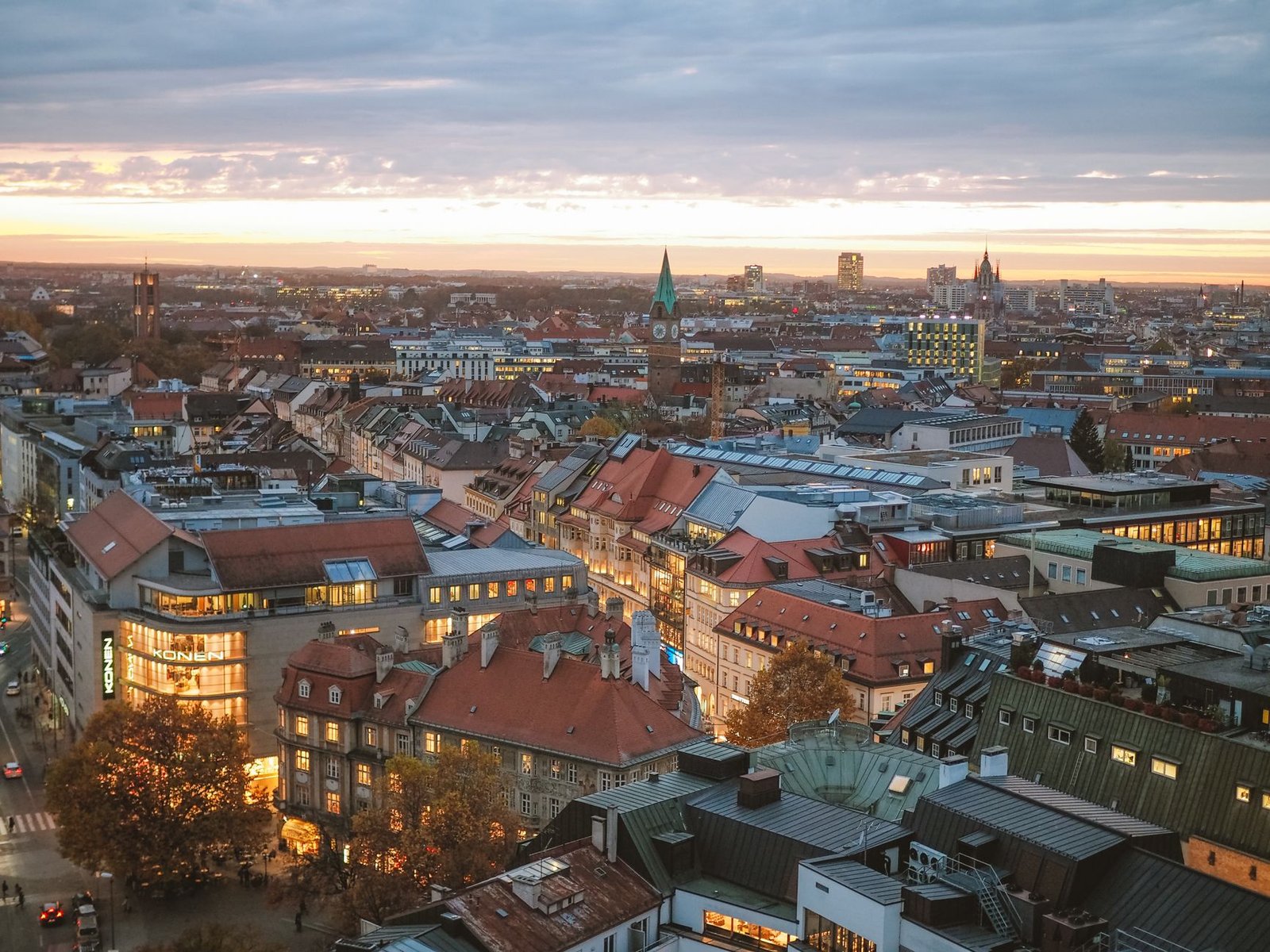
Traveling to Munich can be an exhilarating experience, filled with rich history, vibrant culture, and delicious cuisine. However, there are several important things to know before traveling to Munich that can enhance your trip and help you navigate the city with ease. Understanding local customs, transportation options, and seasonal weather can make a significant difference in how you experience this beautiful city.
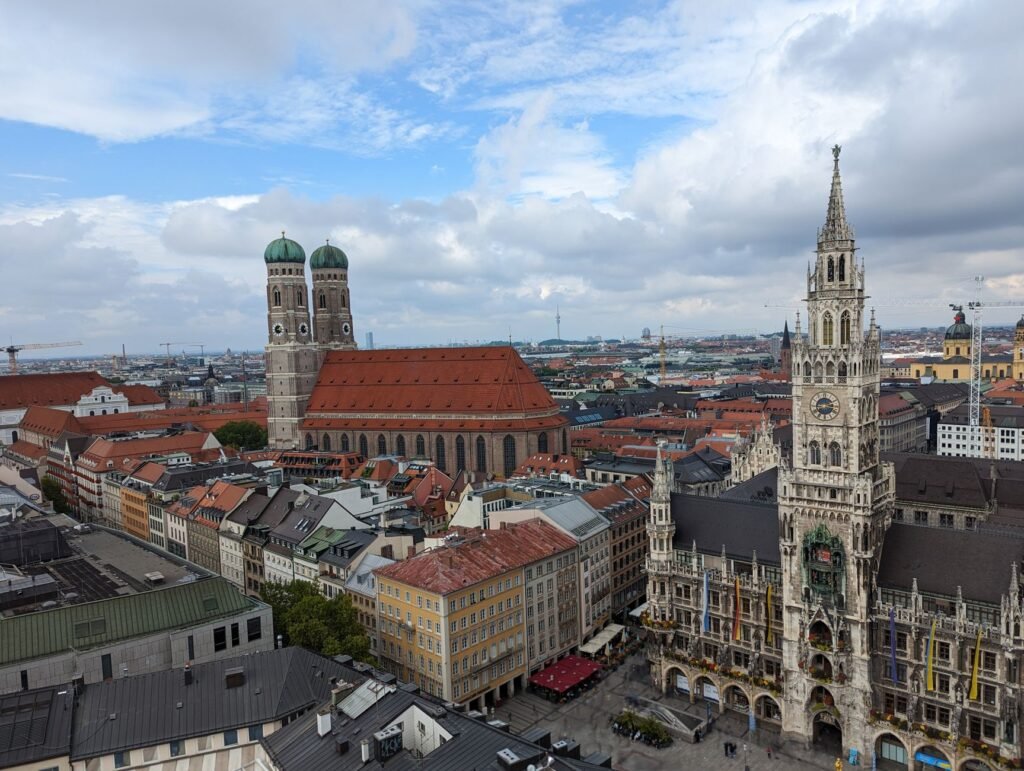
This guide will provide you with practical insights and tips to ensure your visit to Munich is memorable and enjoyable. Whether you’re planning to explore the historic Marienplatz, indulge in Bavarian delicacies, or experience the famous Oktoberfest, being well-prepared will allow you to make the most of your time in this exciting destination.
From the best time to visit to cultural nuances, this guide will cover everything you need to know before embarking on your Munich adventure.
Local Customs and Etiquette
Understanding local customs and etiquette is crucial when visiting any foreign city, and Munich is no exception. German culture places a strong emphasis on punctuality, respect for rules, and politeness. When engaging with locals, it’s important to greet them properly. A simple “Guten Tag” (Good Day) is a polite way to start a conversation.
Additionally, Germans value directness in communication. While this might come off as blunt to some travelers, it is simply a reflection of their straightforward nature. If you ask for assistance or information, don’t be surprised if the response is direct and to the point.
Another important aspect of local etiquette is table manners. When dining in restaurants, always wait for the host to signal your seat and keep your hands visible on the table, but not your elbows. Tipping is customary, but rounding up the bill or adding 5-10% is generally sufficient.
Common Phrases to Know
- Danke – Thank you
- Bitte – Please or you’re welcome
- Entschuldigung – Excuse me
- Wo ist…? – Where is…?
Transportation Options
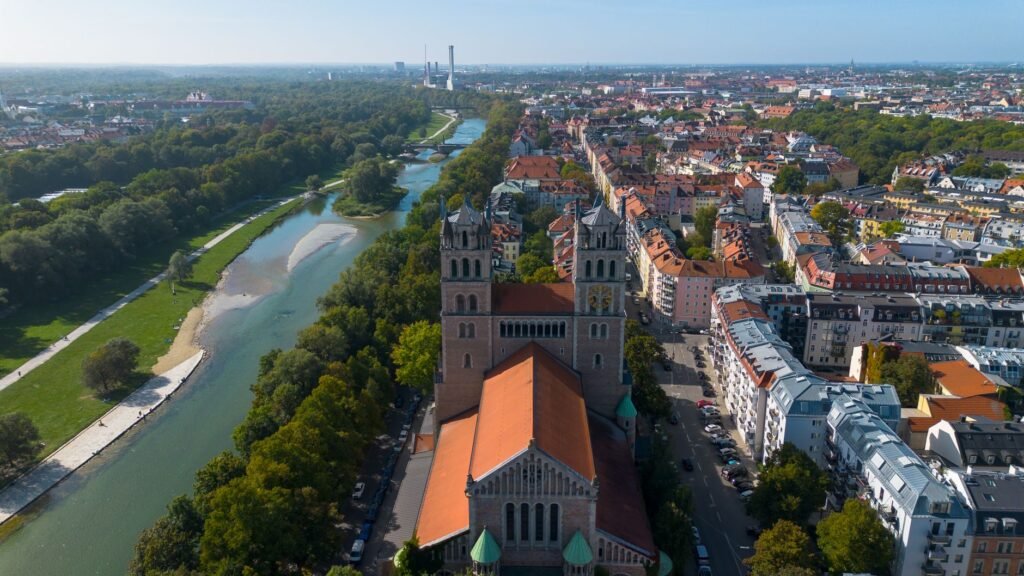
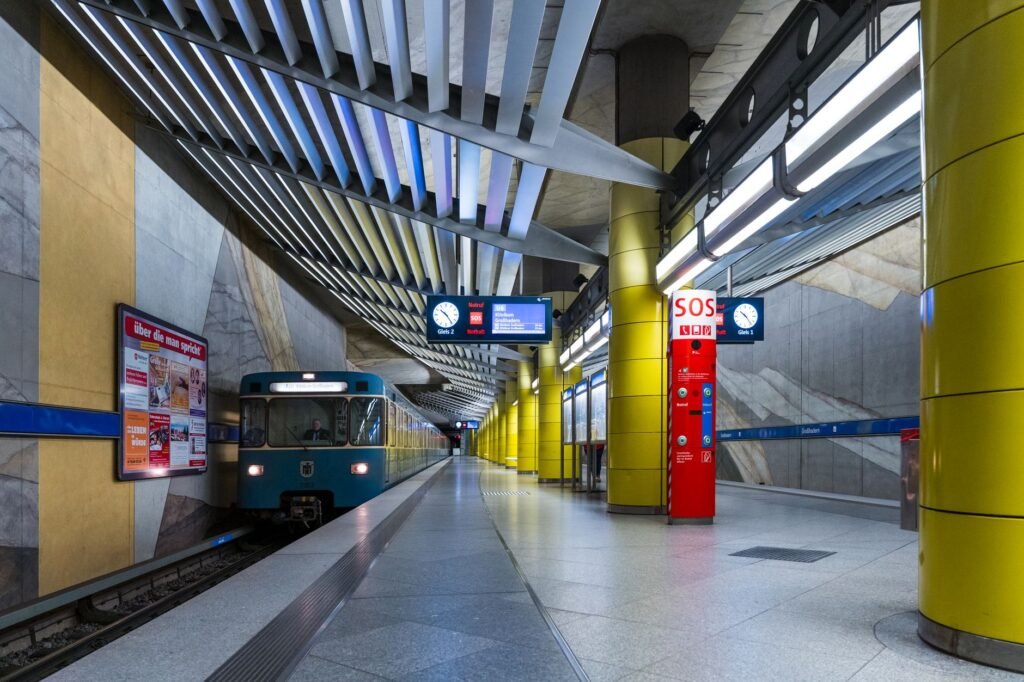
Getting around Munich is relatively easy due to its efficient public transportation system. The city offers a well-connected network of subways (U-Bahn), trams, and buses. Purchasing a Munich Transport and Tariff Association (MVV) ticket allows you to travel freely on all public transport modes within the designated zones.
For those who prefer cycling, Munich is a bike-friendly city with numerous bike lanes and rental services available throughout the city. This is not only an eco-friendly option but also a great way to explore at your own pace. A popular choice is to rent a bike from local shops or bike-sharing services.
If you’re considering using taxis or rideshare apps, it’s advisable to have a basic understanding of the fare structure. Taxis can be found easily at designated taxi stands, and they generally charge by the meter. However, during peak times, fares can increase significantly.
Public Transport Tips
- Purchase a day pass if you plan to use public transport frequently.
- Download the MVV app for real-time updates and ticket purchases.
- Validate your ticket before boarding to avoid fines.
Weather and Best Time to Visit
Munich experiences a temperate climate, which means you should be prepared for varying weather conditions throughout the year. Summers (June to August) can be warm, with temperatures averaging around 24°C (75°F), while winters (December to February) can be quite cold, often dropping to -1°C (30°F).
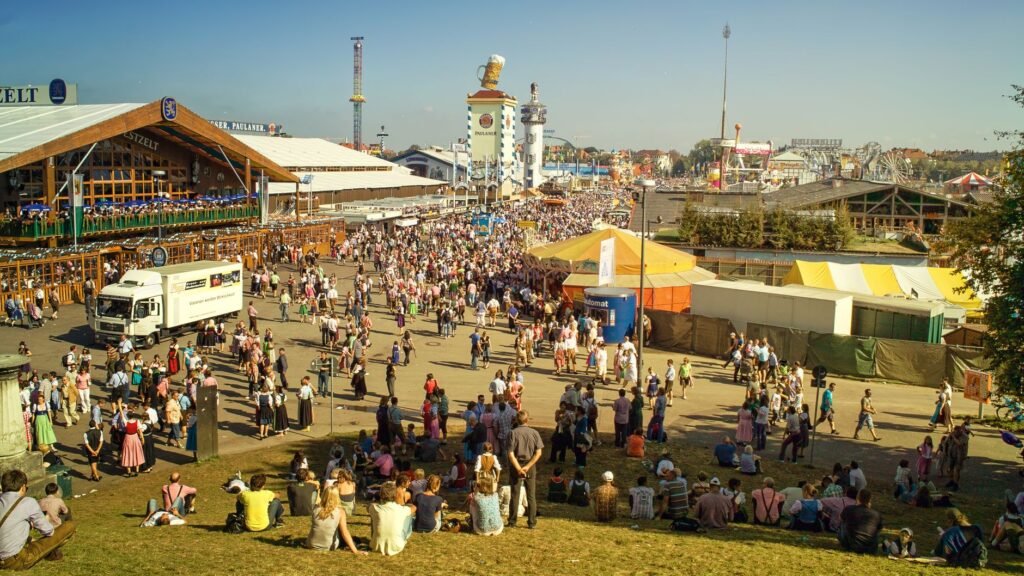
The best time to visit Munich largely depends on your interests. If you want to experience the famous Oktoberfest, plan your trip for late September to the first weekend in October. This festival attracts millions of visitors, offering a unique glimpse into Bavarian culture and traditions.
For those preferring fewer crowds and milder temperatures, the spring (April to June) and fall (September to November) months are ideal. These seasons offer beautiful scenery and a more relaxed atmosphere for sightseeing and outdoor activities.
What to Pack
- Comfortable walking shoes for exploring the city.
- Weather-appropriate clothing, including layers for changing temperatures.
- An umbrella or rain jacket, especially in spring and fall.
Cuisine and Dining Customs
Munich is renowned for its culinary delights, and trying local dishes is an essential part of your visit. Traditional Bavarian cuisine includes hearty meals such as Weisswurst (white sausage), Schweinsbraten (roast pork), and pretzels, which can be found in many restaurants and beer gardens.
When dining out, it’s common for patrons to share tables in beer gardens, fostering a sense of community. Don’t hesitate to join an empty seat; locals are usually welcoming and friendly. Furthermore, it’s customary to raise a beer and say “Prost!” before taking a sip, which enhances the social experience.
In addition to traditional dishes, Munich has a variety of international restaurants that cater to diverse tastes. From Italian to Asian cuisine, the city offers a culinary experience that can satisfy any palate.
Must-Try Dishes
- Bratwurst – A popular German sausage.
- Schwarzwälder Kirschtorte – Black Forest cake, a local dessert.
- Apfelstrudel – Apple strudel, a traditional pastry.
Safety and Health Considerations
Munich is generally a safe city for travelers, with low crime rates compared to other European cities. However, like any major urban center, it’s advisable to remain vigilant, especially in crowded areas or public transport. Keep your belongings secure and be cautious of pickpockets.
Health-wise, it’s recommended to have travel insurance to cover any unforeseen medical expenses. If you require prescription medications, ensure you have enough for your trip and check if they are legal in Germany. The healthcare system in Munich is highly regarded, and emergency services can be reached by dialing 112.
In terms of COVID-19 considerations, be sure to check any travel restrictions or health guidelines in place at the time of your visit, as these can change frequently.
Safety Tips
- Stay aware of your surroundings, especially in tourist hotspots.
- Use reputable transportation services and avoid unlicensed taxis.
- Keep copies of important documents in a safe place.

Understanding Munich’s Cultural Scene
Art Galleries and Museums
Munich is a hub for art enthusiasts, boasting a rich array of galleries and museums that cater to diverse tastes. The Alte Pinakothek is one of the oldest galleries in the world, featuring masterpieces from the Middle Ages to the Rococo period. Its extensive collection includes works from renowned artists such as Rubens and Rembrandt. Additionally, the Pinakothek der Moderne is a must-visit for contemporary art lovers, showcasing modern art, design, and architecture.
For those interested in the history of art, the Lenbachhaus offers an impressive collection of works by the Blue Rider group, including pieces by Kandinsky and Marc. Visitors should also consider exploring smaller galleries tucked away in the city’s neighborhoods, which often showcase local artists and innovative exhibitions.
- Alte Pinakothek
- Pinakothek der Moderne
- Lenbachhaus
- Haus der Kunst
- Städtische Galerie im Lenbachhaus
Music and Theater
Music is an integral part of Munich’s culture, with a vibrant scene that spans classical, jazz, and modern genres. The Bayerische Staatsoper is one of the leading opera houses in the world, offering a variety of performances throughout the year. Attending an opera or concert here can be a memorable experience, especially with the stunning architecture of the building itself.
For those who prefer something more casual, the Jazzclub Unterfahrt is a popular venue for jazz aficionados, hosting both local and international acts. Additionally, Munich’s theaters, such as the Residenztheater and Staatstheater am Gärtnerplatz, offer a range of productions from classic plays to contemporary performances, making it easy to immerse oneself in the local arts scene.
Festivals and Events
Munich hosts numerous festivals throughout the year that reflect its rich cultural heritage. The most famous is Oktoberfest, which attracts millions of visitors annually. This beer festival is not just about drinking; it’s a celebration of Bavarian culture, featuring traditional music, food, and dance.
Another notable event is the Munich Film Festival, held in late June and early July, showcasing both national and international films. The festival provides a platform for filmmakers to present their work, making it an exciting time for cinema lovers visiting the city.
- Oktoberfest
- Munich Film Festival
- Christmas Markets
- Long Night of Museums
- Bavarian Folk Festival
Exploring Munich’s Green Spaces
Englischer Garten
The Englischer Garten is one of the largest urban parks in the world and a highlight for anyone visiting Munich. Spanning over 900 acres, it offers a serene escape from the bustling city. Visitors can stroll along winding paths, enjoy the picturesque landscapes, and even watch surfers tackle the waves on the Eisbach River.
Within the garden, there are several beer gardens where guests can relax with a pint of local beer and traditional Bavarian snacks. The most famous is the Chinesischer Turm, a charming tower surrounded by a large beer garden. The park also hosts various events and activities, making it a lively spot during the summer months.
Botanical Garden
The Botanical Garden in Munich is a hidden gem that features a diverse collection of plant species from around the globe. Established in the 19th century, the garden covers 50 acres and includes greenhouses, a rock garden, and serene walking paths. It is an ideal spot for nature lovers and those looking to escape the urban environment.
Visitors can explore themed sections, such as the tropical greenhouse, which showcases exotic plants and flowers. The garden often hosts workshops and educational programs, making it a great place for families and those interested in botany.
City Parks and Recreational Areas
In addition to the Englischer Garten and Botanical Garden, Munich is home to several smaller parks and recreational areas that offer opportunities for outdoor activities. The Westpark is a favorite among locals, featuring beautiful gardens, sports facilities, and scenic walking paths. It is also home to the annual Westpark Festival, which celebrates multiculturalism through music, food, and art.
The Theresienwiese is another significant area, famous for hosting Oktoberfest. Outside of the festival season, it serves as a large open space for picnics, outdoor sports, and community events.
- Englischer Garten
- Botanical Garden
- Westpark
- Theresienwiese
- Olympiapark
Shopping and Local Markets in Munich
Shopping Districts
Munich offers a variety of shopping experiences, from high-end boutiques to traditional markets. The Maximilianstraße is known for luxury shopping, featuring designer brands and upscale shops. It is a great place to indulge in some retail therapy or simply window shop while admiring the elegant architecture.
For a more casual shopping experience, Sendlinger Straße and Neuhauser Straße are popular pedestrian streets lined with shops, cafes, and street vendors. Here, visitors can find everything from clothing and souvenirs to local handicrafts.
Local Markets
Visiting local markets is a fantastic way to experience Munich’s culture and cuisine. The Viktualienmarkt is a historic food market that has been operating since the 19th century. Here, you can find a wide variety of fresh produce, local meats, cheeses, and baked goods. It’s an excellent spot for grabbing a bite to eat or picking up unique souvenirs.
Another great option is the SchwabenQuartier Market, which features organic products and artisanal goods from local farmers and producers. This market is particularly popular on weekends and provides a wonderful opportunity to interact with locals and learn about Bavarian traditions.
Tips for Shopping
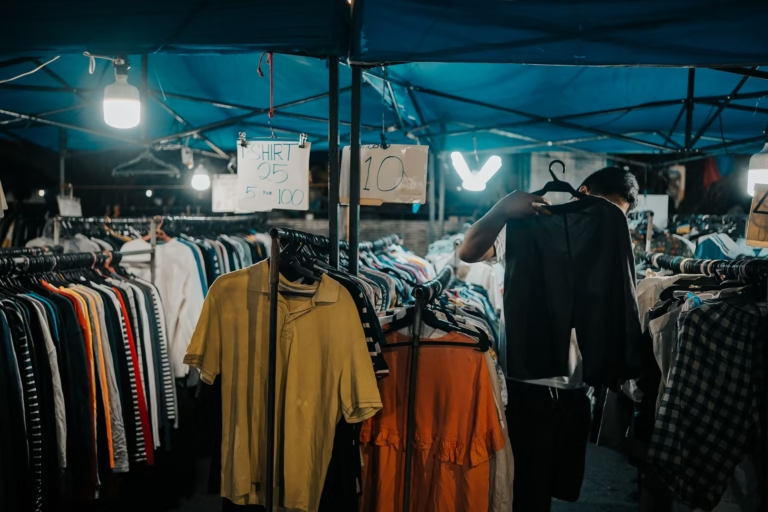
When shopping in Munich, it’s essential to keep a few practical tips in mind. Firstly, most shops open at 9 AM and close by 8 PM, but many smaller stores may close on Sundays. Always check the hours before planning your shopping day. Additionally, be prepared to pay with cash at smaller vendors, as not all may accept credit cards.
Lastly, if you’re looking for unique gifts, consider exploring the Munich Christmas Markets during the holiday season, where you can find handmade crafts, ornaments, and delicious treats.
- Maximilianstraße
- Sendlinger Straße
- Neuhauser Straße
- Viktualienmarkt
- SchwabenQuartier Market
Frequently Asked Questions
What is the best time to visit Munich?
The best time to visit Munich is during the spring (April to June) and fall (September to November) for pleasant weather and fewer crowds. However, if you want to experience Oktoberfest, plan for late September.
Is English widely spoken in Munich?
Yes, English is widely spoken in Munich, especially in tourist areas, hotels, and restaurants. However, learning a few basic German phrases can enhance your interactions with locals.
Are there any entry requirements for Germany?
Entry requirements vary by nationality. Most travelers need a valid passport, and EU citizens can enter with an ID card. Check the latest visa requirements based on your country of residence.
How can I stay connected while in Munich?
You can purchase a local SIM card upon arrival or use international roaming plans from your service provider. Many cafes, restaurants, and public areas also offer free Wi-Fi.
The Bottom Line
Traveling to Munich offers a wonderful blend of culture, history, and gastronomy. By understanding local customs, transportation, weather, and dining practices, you can navigate the city with confidence and make the most of your experience. Prepare adequately, stay safe, and enjoy every moment of your Bavarian adventure.
Visa rules, prices and opening times change. Always confirm details with official sources before you travel.