Introduction
East Africa is one of the most breathtaking regions on the planet, offering a spellbinding blend of wildlife, culture, adventure, and raw natural beauty. Stretching from the savannas of Kenya and Tanzania to the tropical beaches of Zanzibar and the lush mountains of Rwanda and Uganda, this part of the continent delivers experiences that feel both timeless and otherworldly. Whether you are a first-time safari goer, a cultural explorer, or a lover of dramatic landscapes, East Africa offers attractions that can stir even the most seasoned traveler.
In this guide, we will explore some of the top attractions across East Africa, diving deep into the experiences that define this diverse region. You will find practical insights for planning your trip, tips for making the most of each destination, and a sincere sense of what makes East Africa so irresistible.
The Serengeti National Park, Tanzania
There are few places in the world that capture the essence of wild Africa as vividly as the Serengeti. Its endless plains are home to one of the greatest wildlife spectacles on Earth, the Great Migration, where millions of wildebeests and zebras move in a rhythmic dance across the grasslands in search of greener pastures.
Visitors to the Serengeti can expect awe-inspiring wildlife encounters with lions lounging in the tall grass, elephants bathing in muddy watering holes, and leopards prowling quietly in the trees. To fully experience the park:
- Plan around the migration: The movement of wildlife is seasonal. Between May and July, the migration heads north toward Kenya, while December to March is perfect for calving season in the south.
- Stay in diverse accommodations: From luxury tented camps to traditional lodges, overnight stays immerse you in the park’s rhythm. Listening to a lion’s distant roar under the African sky is an experience you never forget.
- Take a hot air balloon safari: Floating silently over the plains at sunrise offers a perspective unlike any other. Watching herds move across the savanna below is simply magical.
The Serengeti’s beauty lies not just in its animals but in its sense of timelessness, a reminder of nature’s enduring wonder.
Maasai Mara National Reserve, Kenya
Just across the border, the Maasai Mara complements the Serengeti perfectly, creating a continuous ecosystem of extraordinary biodiversity. For many travelers, the Mara is synonymous with the quintessential African safari.
The sheer concentration of wildlife here makes every game drive unforgettable. You can often spot all of the Big Five—lion, leopard, rhinoceros, elephant, and buffalo—within a single day. The Maasai Mara also offers the remarkable opportunity to learn about the Maasai people, who have inhabited these lands for centuries and continue to maintain their pastoral traditions.
Travelers will appreciate:
- Early morning and late afternoon safaris: These are the prime times for animal activity and dramatic photography.
- Cultural visits: Visiting a Maasai village allows you to understand their connection to nature and their commitment to preserving their heritage.
- The Great Migration crossings: If visiting between July and September, witness the thrilling moment when thousands of wildebeests cross the Mara River despite crocodile-infested waters.
The Maasai Mara is more than a wildlife reserve; it is a living cultural landscape that reflects both the grandeur of nature and the resilience of human traditions.
Zanzibar, Tanzania
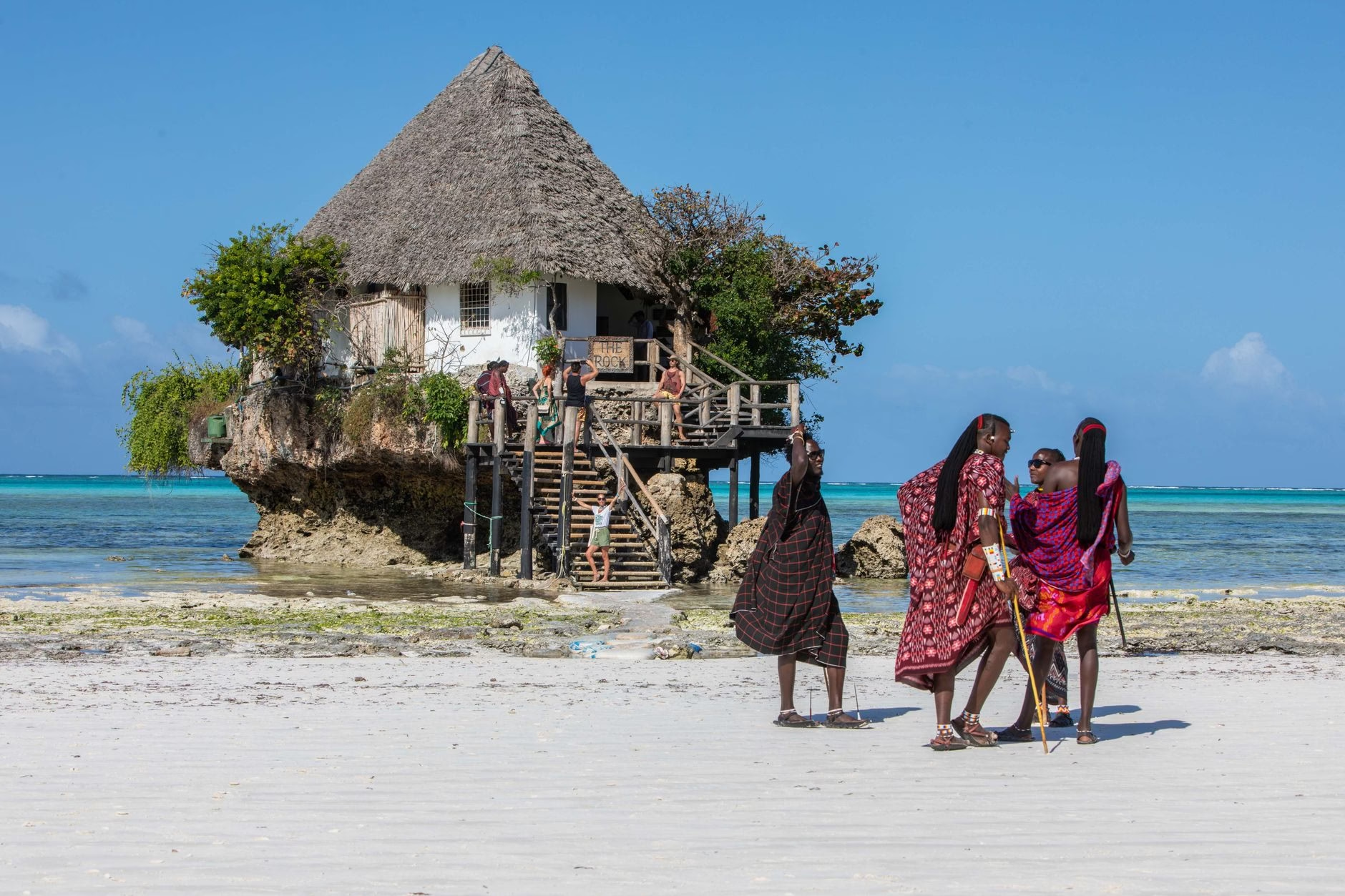
From the golden savannas to turquoise waters, Zanzibar provides a complete contrast and the perfect coastal escape after an inland safari. Situated off Tanzania’s coast, this island blends Swahili, Arabic, Indian, and European influences that can be felt in every corner of Stone Town’s labyrinthine streets.
A visit to Zanzibar brings both relaxation and cultural exploration:
- Stone Town: A UNESCO World Heritage site where carved wooden doors, spice markets, and centuries-old mosques tell the story of Zanzibar’s role in global trade.
- The Spice Tour: Zanzibar’s moniker “Spice Island” is well deserved. Touring the clove, vanilla, and nutmeg plantations offers insight into its agricultural heritage.
- Beach escapes: Nungwi and Kendwa beaches boast powdery white sand and crystalline waters, ideal for diving, snorkeling, or simply unwinding under a coconut palm.
Zanzibar’s charm lies in its balance between laid-back island serenity and a deep sense of historical connection that evokes a feeling of stepping back in time.
Bwindi Impenetrable Forest, Uganda
Hidden within the misty highlands of southwestern Uganda lies Bwindi Impenetrable National Park, home to more than half the world’s remaining mountain gorillas. Trekking through its dense forest to encounter these gentle giants is one of the most moving wildlife experiences imaginable.
The trek itself is challenging but incredibly rewarding. Guided by park rangers and trackers, visitors climb through lush vegetation and tangled roots until suddenly, in a magical clearing, a gorilla family appears. Watching a silverback interact with his young or a mother cradling her infant is an intimate reminder of our connection to nature.
When planning your trek, consider:
- Booking permits in advance: Gorilla permits are limited to protect the animals and environment.
- Physical preparation: The terrain is rugged, and elevation can be demanding. A moderate level of fitness helps.
- Conservation awareness: The cost of permits helps support conservation efforts and local communities.
Bwindi is a place of quiet power where conservation meets wonder, and every visitor leaves with a newfound respect for these magnificent creatures.
Ngorongoro Crater, Tanzania
Often described as the eighth wonder of the world, the Ngorongoro Crater is the largest unbroken caldera on Earth. This ancient volcanic basin, lush with life, forms a self-contained ecosystem that supports an astonishing density of wildlife.
Descending into the crater feels like entering a different world. You will find elephants grazing alongside flamingos at the lakeshore, and black rhinos hidden among the acacia thickets. The views from the crater rim are equally breathtaking, offering a panoramic landscape of grasslands, hills, and shimmering water.
A few travel insights to enhance your visit:
- Spend a full day in the crater: The diversity of wildlife ensures that every hour reveals something new.
- Visit nearby Olduvai Gorge: Often called the “Cradle of Humankind,” it provides fascinating insights into early human evolution.
- Combine with Serengeti or Lake Manyara: The short driving distances make multi-destination safaris easy to plan.
The Ngorongoro experience embodies the delicate harmony between geological wonder, wildlife abundance, and human history.
Volcanoes National Park, Rwanda
Rwanda’s Volcanoes National Park is another prime destination for mountain gorilla trekking and also a model of how responsible tourism can support conservation and transformation. The landscape here is striking, with five towering volcanoes covered in emerald green forests and mist that gives a mystical atmosphere to your trek.
Beyond gorillas, travelers can explore golden monkey tracking, hiking Mount Bisoke for its crater lake, or visiting the Dian Fossey Research Center to learn about her groundbreaking primate conservation work.
Rwanda’s infrastructure and hospitality have improved greatly in recent years, making it accessible and welcoming. Numerous eco-lodges around the park offer sustainable stays where community tourism benefits local residents.
Lake Nakuru and the Great Rift Valley, Kenya
Lake Nakuru is one of the jewels of Kenya’s Great Rift Valley, a vast geological wonder that stretches across multiple countries in East Africa. Known for its brilliant pink flamingos, Nakuru National Park also shelters rhinos, leopards, and giraffes against a picturesque backdrop of woodland valleys and open plains.
A visit to Lake Nakuru provides an opportunity to appreciate the region’s geological significance and wildlife variety. Birders, in particular, will find over 400 species here, making it a haven for avian enthusiasts. Surrounding viewpoints like Baboon Cliff offer sweeping vistas that underline just how majestic this landscape is.
For a broader experience, travelers can explore nearby Lake Naivasha or Hells Gate National Park to enjoy cycling safaris, hiking, and geothermal wonders.
Conclusion
East Africa captivates travelers with its unparalleled diversity, from the raw wilderness of the Serengeti to the cultural tapestry of Zanzibar and the majestic gorillas in the misty forests of Uganda and Rwanda. Each destination tells a different story, yet together they paint a vivid portrait of a region defined by nature’s drama and humanity’s harmony with it.
Whether you dream of watching the sunrise over the Maasai Mara plains, snorkel among coral reefs in Zanzibar, or lock eyes with a mountain gorilla deep in a Ugandan jungle, East Africa invites you to awaken your sense of adventure and discover a rhythm of life that beats to the sound of the wild.
Further Reading
3 Day Istanbul Itinerary for First Time Visitors
Travel to Somalia; How I Traveled to Mogadishu
Free Family Things to do in Chicago Today
How to Spend Four Days in Hong Kong