
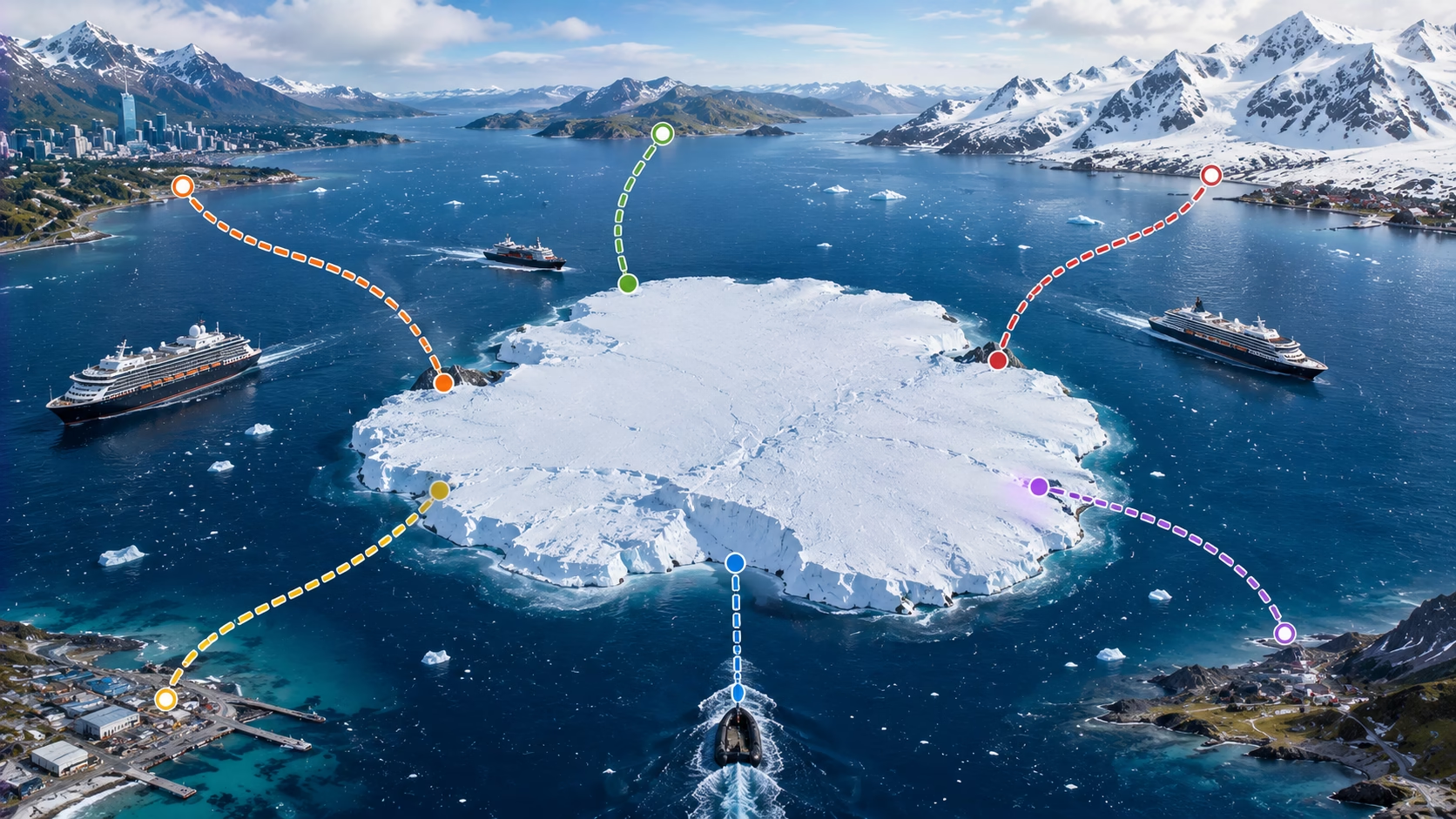
For many travelers, setting foot in Antarctica is the ultimate travel goal, a journey to the most remote and pristine wilderness on Earth. The frozen continent captures the imagination with its surreal landscapes, giant icebergs, and vast colonies of penguins. Yet getting there is far from simple. With no cities, airports, or commercial flight networks, reaching Antarctica remains one of the most logistically complex travel experiences in the world.
In this article, we will explore the alternative routes to Antarctica that adventurous travelers can take. You will learn the main gateways from South America, access options from Oceania, and the emerging possibilities through Africa and specialized expedition flights. Each option presents its own advantages, challenges, and unique experiences. Whether you are planning a once in a lifetime expedition or simply curious about how people actually make it to the southernmost continent, this guide will give you the knowledge to navigate your options confidently.
The Classic Gateway: Ushuaia, Argentina
Located at the southern tip of South America, Ushuaia is known as “the end of the world” and is by far the most popular departure point for Antarctic cruises. More than 90 percent of Antarctic tourism begins here.
Why Ushuaia is the Primary Route
Ushuaia offers the shortest sea crossing to the Antarctic Peninsula, roughly two days across the Drake Passage. The city has a well established infrastructure for expedition cruises, with numerous operators offering trips that vary from eight to twenty days. Travelers can book anything from small ship expeditions focused on wildlife photography to luxury voyages with onboard experts leading lectures about polar ecosystems.
What to Expect on the Journey
- The Drake Passage is known for unpredictable seas, which can range from calm conditions to strong swells.
- Ships usually make landings at several points along the Antarctic Peninsula, such as Paradise Harbor or Deception Island.
- Most itineraries also include visits to the South Shetland Islands where massive glaciers meet black volcanic beaches.
Cruising from Ushuaia provides the most direct and accessible way to experience the Antarctic region, combining relative convenience with unforgettable scenery.
The Chilean Alternative: Punta Arenas and King George Island
For travelers who prefer a shorter sea crossing or wish to avoid the challenging Drake Passage altogether, Chile offers a practical alternative. From Punta Arenas, on the southern tip of Chile, several operators run flight and cruise combinations known as “fly the Drake” expeditions.
How the Route Works
Travelers take a charter flight from Punta Arenas to King George Island, one of the northernmost points of the Antarctic Peninsula. From there, they board an expedition vessel that navigates through channels and bays along the peninsula.
Related Posts:

Advantages of the Punta Arenas Route
- Avoids the rough seas of the Drake Passage.
- Saves up to four days of total travel time, allowing more time spent exploring Antarctica itself.
- Ideal for those who have limited vacation time or are prone to seasickness.
Flights depend heavily on weather conditions, which can delay departures by a few days. However, when conditions align, this route provides an efficient and comfortable alternative for reaching Antarctica.
From New Zealand: A Deep Antarctic Adventure
For travelers who prefer exploration beyond the Antarctic Peninsula, the route from New Zealand opens access to the Ross Sea and the historic huts of early Antarctic explorers. Christchurch and Invercargill serve as the main departure points for cruise vessels bound for this lesser visited region.
A Route for True Adventurers
The voyage from New Zealand takes longer, often five to seven days each way, due to the greater distance. Yet the reward is an unparalleled sense of isolation and a deeper connection to the continent’s history. Expeditions from this direction often visit landmarks such as the huts of explorers Robert Falcon Scott and Ernest Shackleton, the vast Dry Valleys, and colonies of Emperor penguins rarely seen on shorter itineraries.
Key Considerations
- Voyages occur primarily from January to early February, when sea ice is at its minimum.
- Conditions are more challenging, with colder temperatures and longer travel distances.
- These trips are ideal for passionate travelers seeking the scientific, historical, and geographical richness of the Ross Sea region.
While less accessible than South American routes, New Zealand expeditions attract dedicated travelers who wish to experience a wilder and more remote side of Antarctica.
Departures from Australia: Hobart and Beyond
Australia also serves as a launch pad for a small number of specialized expeditions. Hobart in Tasmania is the main operational base for the Australian Antarctic Division and for certain private charter cruises that head toward Commonwealth Bay and East Antarctica.
What Makes This Route Special
The eastern route from Hobart leads to the home of Mawson’s Huts, one of the most important historic sites of Antarctic exploration. Travelers on these itineraries witness immense ice shelves, towering bergs, and remote research stations.
Because these voyages cover very long distances, they usually last three to four weeks and cater to small groups interested in scientific observation, photography, and polar heritage. Opportunities to see Emperor penguins and Weddell seals in their natural environment make this route highly desirable among wildlife enthusiasts.
Availability is extremely limited, and weather or ice conditions often affect itineraries, so booking must be completed well in advance and flexibility is essential.
Emerging Routes from Africa and Beyond
Although extremely rare, there are a few expeditions operating from southern Africa. These are usually private charter flights departing from Cape Town to the Antarctic interior, landing on blue ice runways near temporary luxury camps.
The Fly-In Experience
- There are no regular cruise routes from Africa, but flights provide direct access for small groups seeking unique, fly-in experiences.
- Travelers can stay in high-end eco camps built for minimal environmental impact while allowing unparalleled opportunities to explore inland regions such as the South Pole or the Queen Maud Land mountains.
- These private journeys are typically expensive but appeal to travelers seeking exclusive adventure combined with maximum comfort.
Such expeditions underscore how travel to Antarctica continues to evolve, blending adventure with sustainable logistics and emerging aviation technology.
Booking Tips and Timing Considerations
No matter which route you choose, preparation and timing are key to a successful Antarctic journey.
Best Time to Visit
- The travel season runs from late October to early March, with mid-December to February offering the best balance of weather and wildlife sightings.
- Early season voyages feature dramatic ice formations, while late season trips present more active penguin colonies and whale encounters.
Planning Essentials
- Book at least six to twelve months in advance, as spaces fill quickly.
- Verify the vessel’s safety certifications and environmental commitments.
- Ensure you have comprehensive travel insurance that includes medical evacuation coverage.
- Pack proper cold weather gear designed for polar environments, often available for rental through expedition operators.
Conclusion: Choosing the Route That Matches Your Adventure
Reaching Antarctica is unlike any other journey on the planet. The route you choose will shape your experience and your impression of this remote continent. The classic voyage from Ushuaia suits those seeking accessible adventure and diverse wildlife encounters. The Chilean fly route caters to time conscious travelers who prefer to skip the rough seas. Departures from New Zealand or Australia appeal to explorers drawn to the raw history of polar expeditions. Meanwhile, private expeditions from Africa offer the ultimate in exclusivity and innovation.
Each pathway offers a different perspective on the same magnificent continent, reminding travelers that there is no single way to experience Antarctica. Whichever route you choose, it will undoubtedly become a story of discovery and wonder that stays with you forever.
Further Reading
Best Beaches in Southern Europe
Cheapest Countries to Visit in Africa
Travel to Somalia; How I Traveled to Mogadishu
Free Family Things to do in Chicago Today
How to Spend Four Days in Hong Kong