
There are few places on the planet that evoke as much wonder as Antarctica. It is a land of ancient ice, dazzling light, and absolute silence, where wildlife thrives in seemingly impossible conditions and human footprints remain rare. Yet, despite its extreme remoteness, Antarctica is not unreachable. In fact, more travelers than ever are crossing the Southern Ocean to stand on the world’s last frontier.
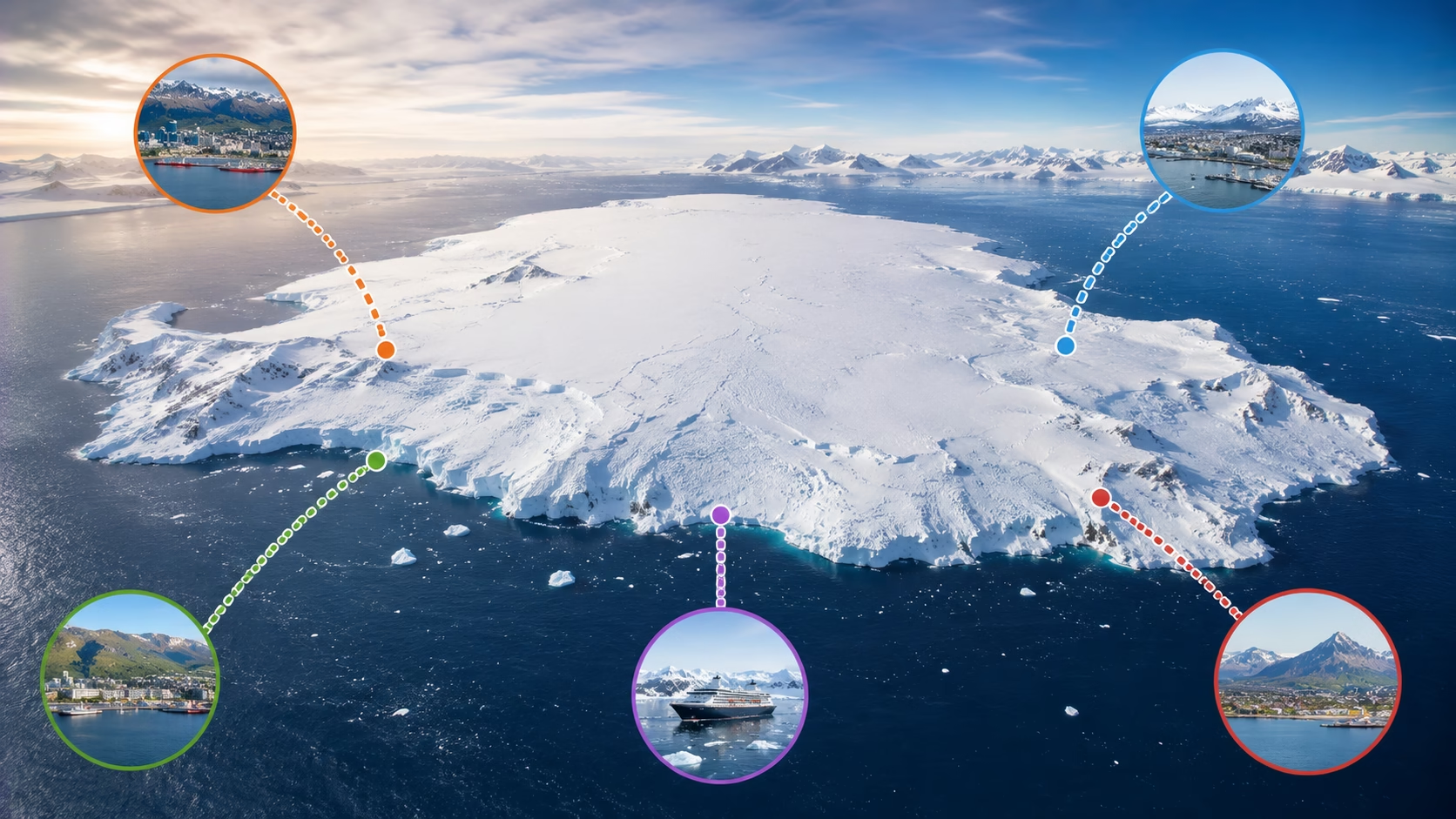
If you have ever dreamed of walking among penguins, cruising past towering icebergs, or learning about the history of polar exploration, then understanding how to reach this incredible continent is the first essential step. This guide explores the main Antarctica access points for travelers, providing in depth insight into where journeys typically begin, how they work, and what you can expect from each route. Whether you seek luxury or adventure, a cruise or a flight, this detailed breakdown will help you choose the path that best fits your travel style and ambitions.
Ushuaia, Argentina: The Classic Gateway to Antarctica
For most travelers, the journey begins at the southern tip of South America, in Ushuaia, Argentina. Often called the “End of the World,” Ushuaia is the world’s southernmost city and the primary departure port for Antarctic expeditions.
Why Ushuaia is the Primary Access Point
More than 90 percent of all Antarctic cruises depart from Ushuaia. The city’s location on the Beagle Channel allows vessels to navigate quickly toward the Drake Passage, the body of water separating South America from the Antarctic Peninsula. The crossing typically lasts about two days each way, depending on weather conditions.
Travelers choose this route for several reasons:
- Accessibility: Frequent flights from Buenos Aires and other major Argentine cities connect visitors easily to Ushuaia.
- Cruise Variety: A wide range of expeditions depart here, from smaller adventure ships carrying fewer than 100 passengers to luxury vessels equipped with spas and gourmet restaurants.
- Duration Options: Most classic cruises last between 10 and 14 days, making them ideal for travelers who want a complete yet manageable introduction to Antarctica.
What to Expect on This Route
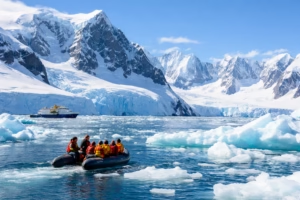
The Drake Passage can be smooth or stormy, depending on the season. Although some travelers worry about seasickness, most modern expedition ships are equipped with stabilizers, and captains adjust routes for comfort and safety. Once you reach the Antarctic Peninsula, the reward is extraordinary: vast ice cliffs, playful seals, nesting penguin colonies, and opportunities for kayaking or even polar plunges.
Ushuaia itself is worth exploring before departure. Its national parks, museums, and surrounding landscapes provide a great prelude to the raw beauty that awaits further south.
Punta Arenas, Chile: A Quieter yet Scenic Gateway
Another key access point to Antarctica lies just across the border from Argentina, in Punta Arenas, Chile. This southern Patagonian city is quieter and often serves travelers who prefer smaller groups or want the convenience of flying part of the route instead of crossing the Drake Passage by sea.
Related Posts:
The Fly and Cruise Concept
One of the most appealing options from Punta Arenas is the fly and cruise itinerary. Instead of enduring the Drake Passage by ship, travelers take a two hour charter flight to King George Island in the South Shetland Islands, where they board an expedition vessel that continues to the Antarctic mainland.
This approach saves nearly four days of voyage time and provides a smoother experience for those concerned about rough seas.
Benefits of Departing from Punta Arenas
- Reduced Travel Time: By skipping the Drake Passage, more time can be spent exploring Antarctica itself.
- Comfort and Convenience: This route suits travelers who prefer shorter trips or have limited vacation time.
- Scenic Patagonia Stopover: Punta Arenas sits near the iconic Torres del Paine National Park, offering opportunities to explore Patagonia before or after the expedition.
The city itself feels remote and authentic, with friendly locals, old-world architecture, and views over the Strait of Magellan that evoke the early spirit of exploration.
New Zealand and Australia: The Long Route to the Ross Sea
For travelers seeking a less frequented side of Antarctica, New Zealand and Australia serve as southern gateways to the Ross Sea region. These voyages are more exclusive, more expensive, and considerably longer, but they deliver a rare view of Antarctica’s other face—one filled with immense ice shelves and rich scientific history.
Departures from New Zealand
Cruises to the Ross Sea typically depart from Dunedin or Invercargill, and occasionally from Christchurch. These expeditions traverse the Southern Ocean and often include stops at sub-Antarctic islands such as Macquarie Island, Campbell Island, or the Auckland Islands. These islands are biodiversity hotspots and a highlight for wildlife enthusiasts and photographers.
Because of the distance, voyages from New Zealand can last from three to four weeks. Conditions are wilder and more unpredictable, but this remoteness means unparalleled encounters with emperor penguins, snow petrels, and the stark grandeur of ice shelves that stretch as far as the eye can see.
Departures from Australia
Some cruises also leave from Hobart, Tasmania, or occasionally Fremantle. These routes attract travelers seeking a true expedition experience. They usually follow paths taken by famous explorers like Sir Douglas Mawson or Ernest Shackleton. The expeditions combine scientific insight with adventure, often including lectures on Antarctic geology, climate, and wildlife conservation.
South Africa: The Gateway for Private Expeditions
While less common, Cape Town, South Africa offers access for high end chartered and private flights to Antarctica, typically landing on dedicated ice airstrips operated by specialized expedition companies.
The Experience of Flying from Cape Town
These flights usually head toward Queen Maud Land, home to some of the most futuristic and visually striking research stations and ice camps. Travelers may land on runways made of compacted blue ice, surrounded by dramatic peaks and ancient glaciers.
This form of access is favored by:
- Photographers and filmmakers looking for unique light conditions.
- Scientists and researchers conducting seasonal projects.
- Luxury adventure travelers seeking a fully customized, exclusive experience.
Trips from Cape Town are usually shorter, lasting between five and ten days, and can include activities like ice climbing, hiking, and visits to emperor penguin colonies.
Antarctica via Cruise Combinations
Aside from the classic and direct routes, several companies now offer combination voyages, linking Antarctic expeditions with other bucket list destinations. For instance, some itineraries begin in the Falkland Islands or South Georgia, allowing travelers to experience diverse landscapes and abundant wildlife before continuing to the Antarctic Peninsula.
These extended trips are longer and costlier but deliver unmatched variety. They combine rich history, from whaling stations and explorer graves in South Georgia to the surreal silence of Antarctic fjords. They are ideal for travelers seeking a deeper, narrative journey through the southern polar world.
Choosing the Right Access Point for Your Travel Goals
Selecting the best access point depends on what you want from your Antarctic adventure.
- Seek variety and practicality: Ushuaia provides the widest range of choices.
- Prefer comfort and shorter travel time: Punta Arenas’ fly and cruise options are perfect.
- Desire isolation and rare wildlife: New Zealand and Australia offer more remote expeditions.
- Yearn for exclusivity and fast access: Cape Town’s private flights deliver unparalleled luxury.
Other factors such as budget, physical readiness, climate tolerance, and interest in photography or wildlife will also influence your decision. Consider the duration, comfort level, and environmental footprint of your trip when making the final choice.
Conclusion: Reaching the Last Frontier
Accessing Antarctica may sound daunting, but the journey itself is an essential part of experiencing Earth’s most remote continent. Whether you choose the adventure of crossing the Drake Passage, the convenience of a flight from Chile, or the exploration routes from New Zealand and Australia, every path offers its own version of wonder.
The reward is far greater than the challenge. Standing in the endless white silence of Antarctica, surrounded by icebergs glowing in the sun, changes a traveler’s understanding of the planet itself. Beyond being a destination, it is an awakening to the raw, unfiltered beauty of nature. For those drawn to the ends of the earth, each of these access points serves as a gateway to an extraordinary world few ever see.
Further Reading
Best Beaches in Southern Europe
Cheapest Countries to Visit in Africa
Travel to Somalia; How I Traveled to Mogadishu
Free Family Things to do in Chicago Today
How to Spend Four Days in Hong Kong